There once was a man from Austria
prone to coffee house nausea.
“Our cafés are held dear,
but I can’t go near…”
said that lonely, skinny man of Austria.
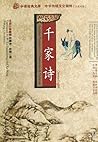
BOOK: “Golden Treasury of Quatrains and Octaves” [i.e. 千家诗] Trans. by Xu Yuanchong and Xu Ming
Golden Treasury of Quatrains & Octaves by Xu. Yuanchong (translator)My rating: 5 of 5 stars
Publisher Site — China Translation Corp
This is the bilingual (Chinese-English) edition of an anthology of Tang and Song Dynasty poems commonly known in Chinese as 千家诗 (it has a much longer formal title,) which was jointly translated by Xu Yuanchong and Xu Ming (no relation.) The book is organized into four parts by the form of poem: 7-character line quatrains, 7-character line octaves, 5-character line quatrains, and 5-character line octaves. The anthology includes poems by Li Bai, Du Fu, Wang Wei, Meng Haoran, Jia Dao, Ouyang Xiu, Yang Wanli, Su Shi, and many other important Tang and Song poets — from Emperors to Hermits. That said, while the aforementioned Chinese title suggests there are works of a thousand poets involved, that’s an exaggeration. (And that’s probably all the better. While this was the golden age of Chinese poetry, going that wide into surviving poetry might involve hitting the dregs.)
Each entry has a title, byline, the poem in Simplified Chinese script and pinyin (Romanized phonetic script,) an English language translation, notes in Chinese, and a line or two of commentary in English. All but the seven-character line octaves take up just one page per poem. (Seven-character line octaves take two pages per poem.)
This is a great anthology. There’s an introduction to give insight into what approach the translators took. They stuck to rhyming verse to emulate the originals in form, but more can be learned from the introduction.
I’d highly recommend this anthology for poetry readers.
View all my reviews
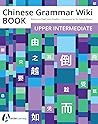
BOOK: “Chinese Grammar Wiki BOOK: Upper Intermediate” ed. by John Pasden
Chinese Grammar Wiki BOOK: Upper Intermediate by John PasdenMy rating: 5 of 5 stars
Publisher Site — AllSet Learning
This is the third and final book in this series. It’s a straightforward grammar that’s easy to use and well-organized. The book contains basic rules in a concise format, examples, and any exceptions or points of confusion that may exist. With examples, it presents the Hanzi (Chinese characters,) pinyin (Romanized phonetic script,) and English translation adjacently. (This is a feature that I don’t like in readers, but which I find useful in a grammar.)
If you’re trying to learn the basics of Mandarin Chinese in Simplified Script, this is a useful series. I can’t speak to how good it is or isn’t for someone who intends to take the HSK tests, but for my purposes it was just what I needed with not much more (no extraneous information or complications.)
View all my reviews
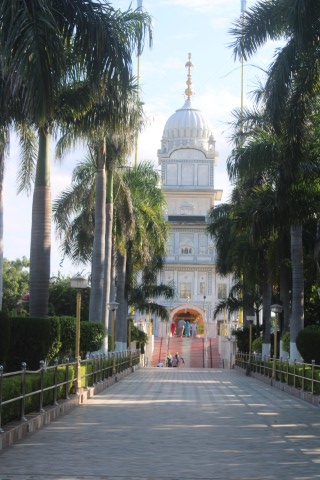
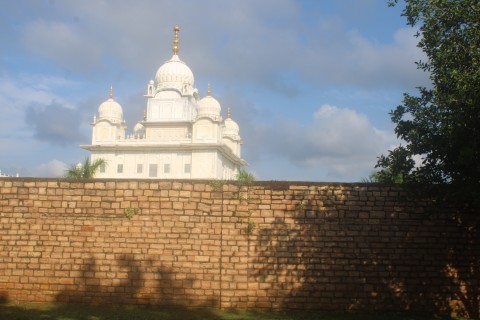
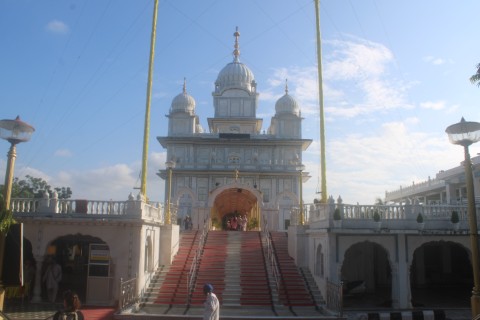
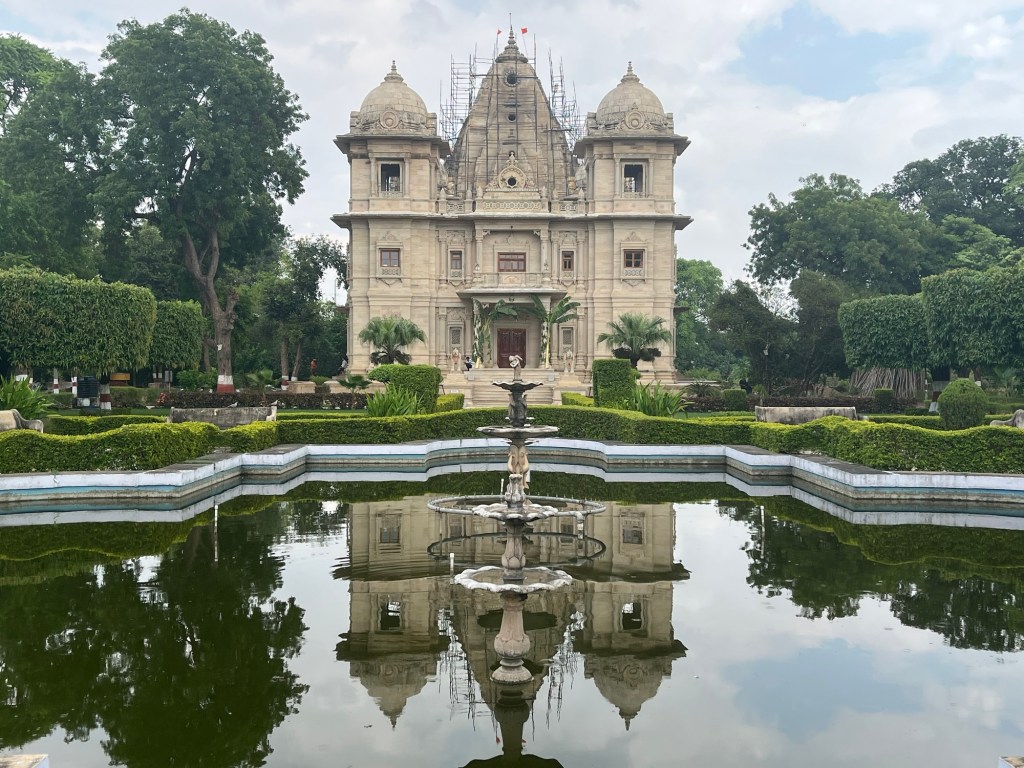
DAILY PHOTO: Gurudwara Data Bandi Chhod Sahib, Gwalior
PROMPT: Principles
What principles define how you live?
Before traveling, empty my cup. Before returning home, empty my cup.
Collect experiences, not geegaws.
Wishing for the world to be some other way is a grand waste of time.
If there is a river flowing toward where I want to be, surrender to it.
See humor everywhere, especially in myself.
Be content with who I am at the moment, while struggling to be a better version in future editions.
Strive to find the non-adversarial path.
Keep looking until I see what is beautiful in all things and creatures.
Don’t attempt to construct anyone else’s list of principles to live by.
Feel the sensations that arise without letting the mind amplify them out of proportion.
Seek only simple pleasures, enjoy them fully, and then move on.
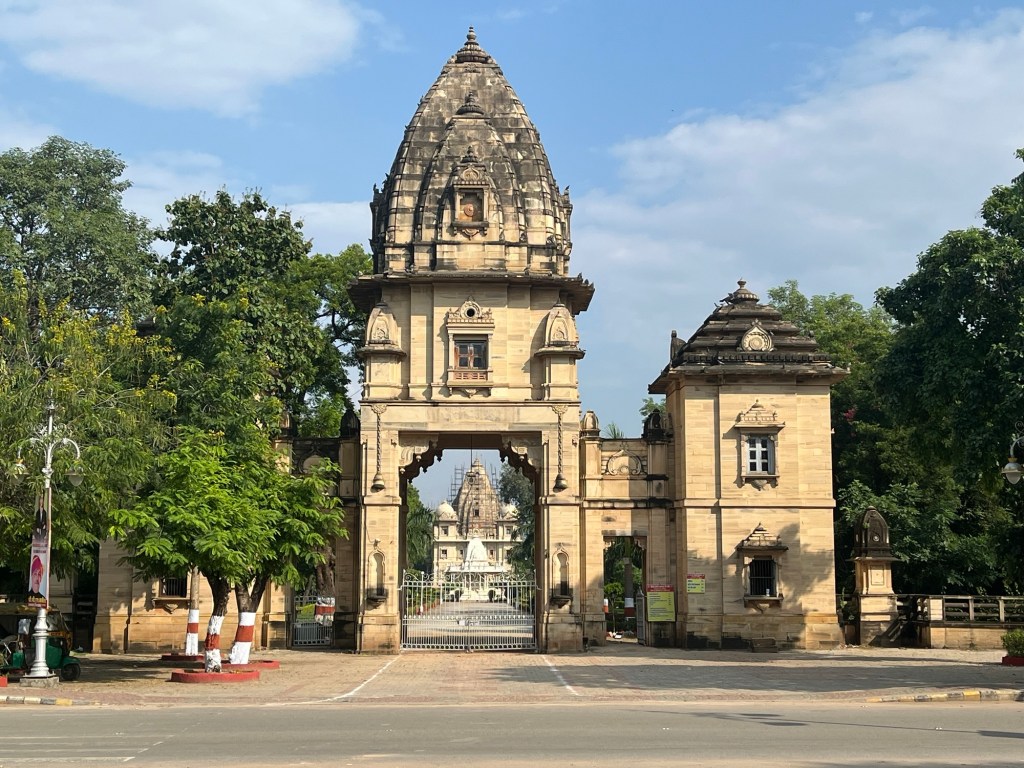
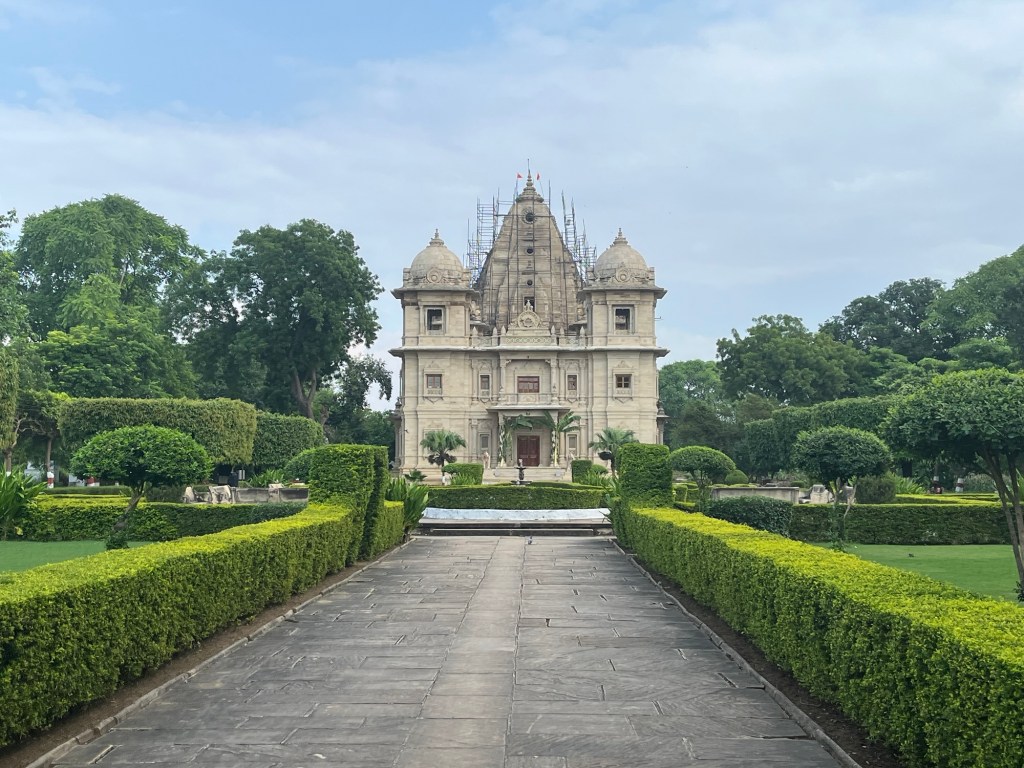
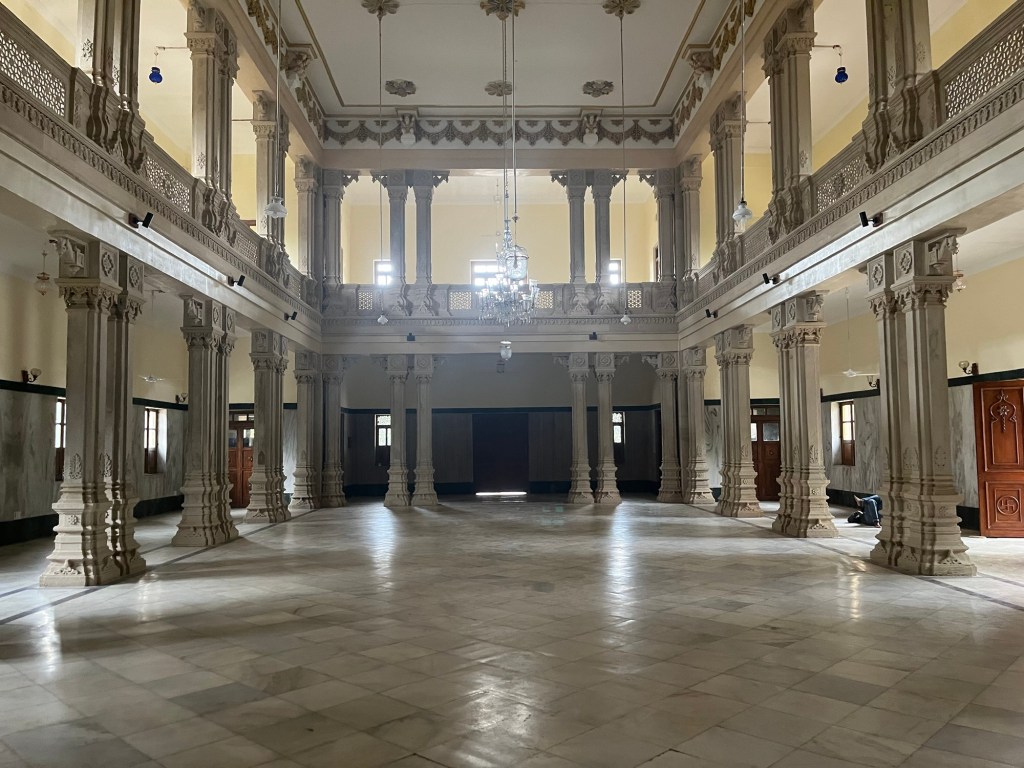
DAILY PHOTO: Bharav Baba Ka Mandir, Gwalior


PROMPT: Putting Off
What have you been putting off doing? Why?
I’m putting off death for as long as I can remain healthy (by and large.) Because I like living.
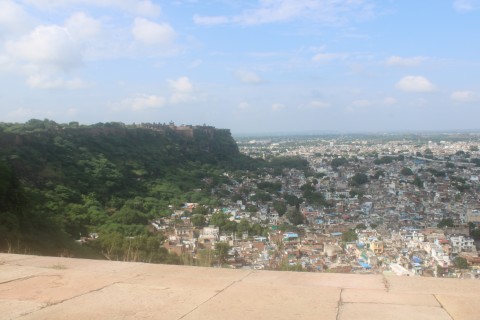
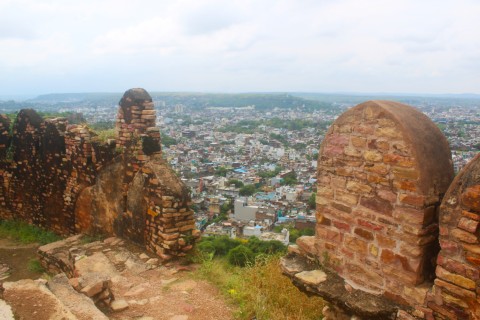
DAILY PHOTO: Gwalior City from the Hillfort
PROMPT: Grown Up
When was the first time you really felt like a grown up (if ever)?
The first time I went drove to another state and stayed in a hotel on my own (late teens, obviously after getting a driver’s license — but a year or more before graduating high school.)