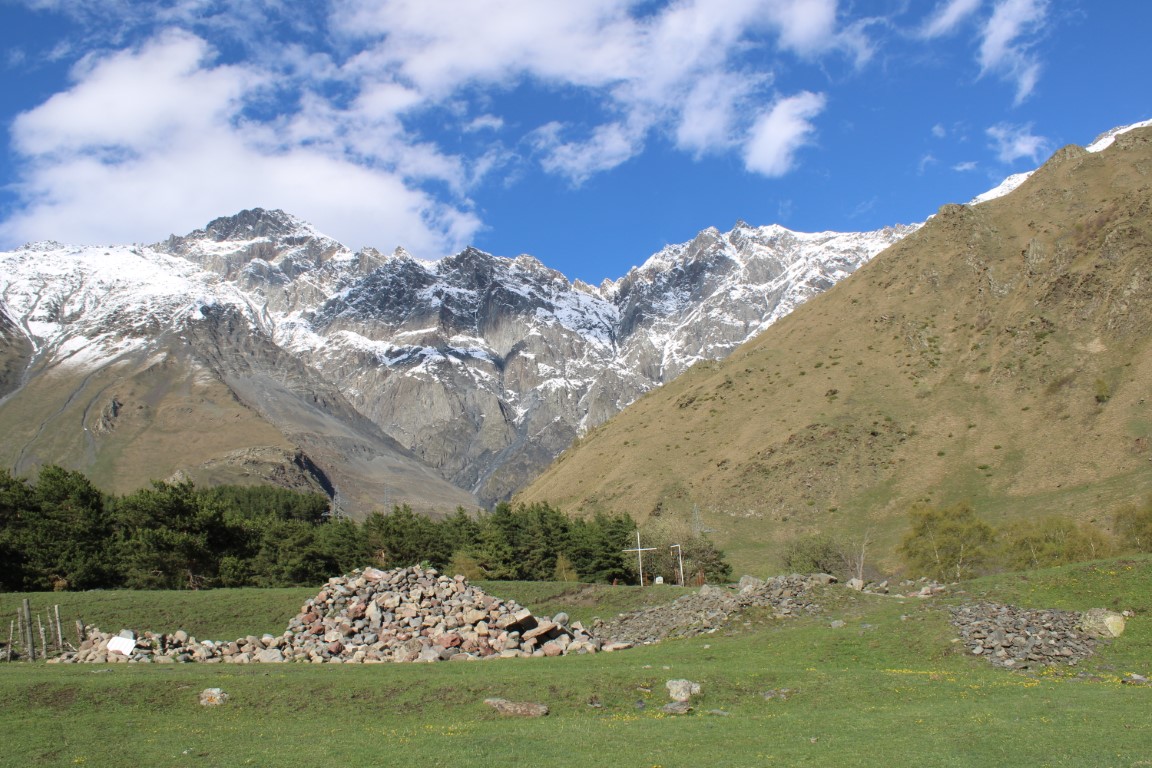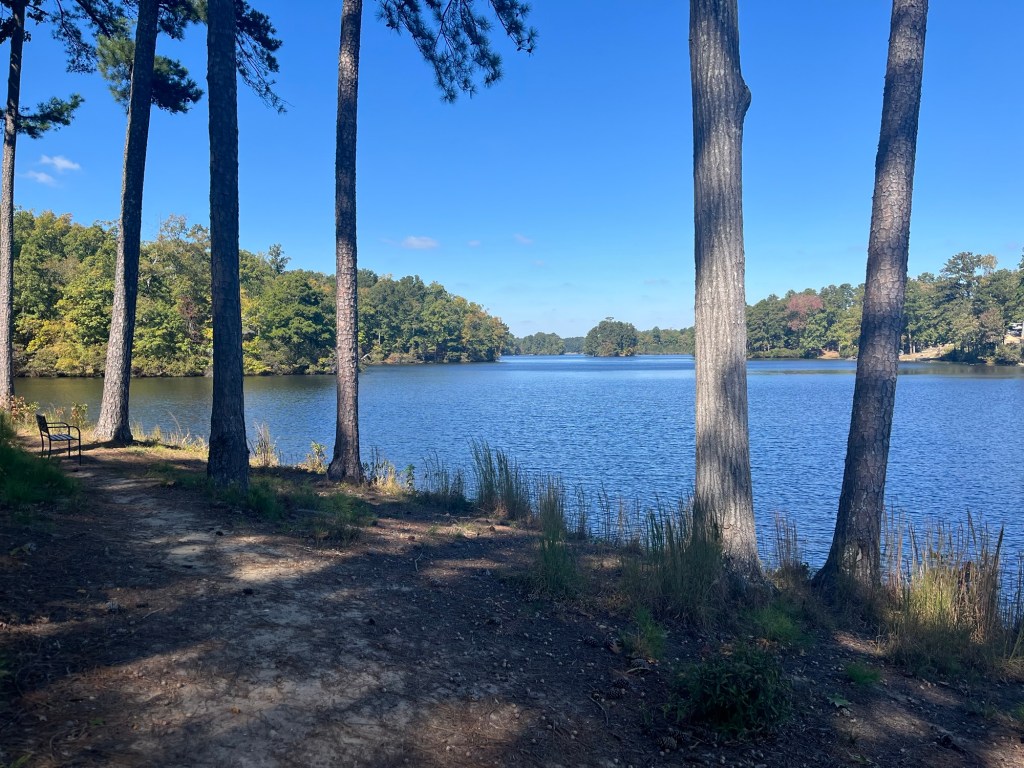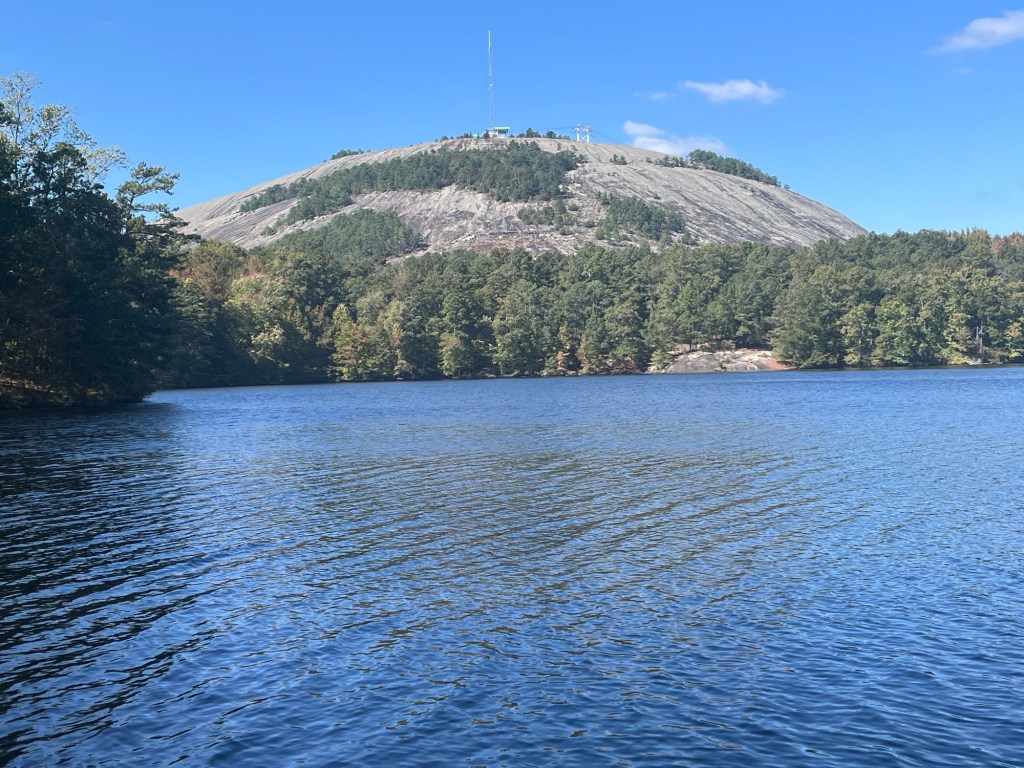
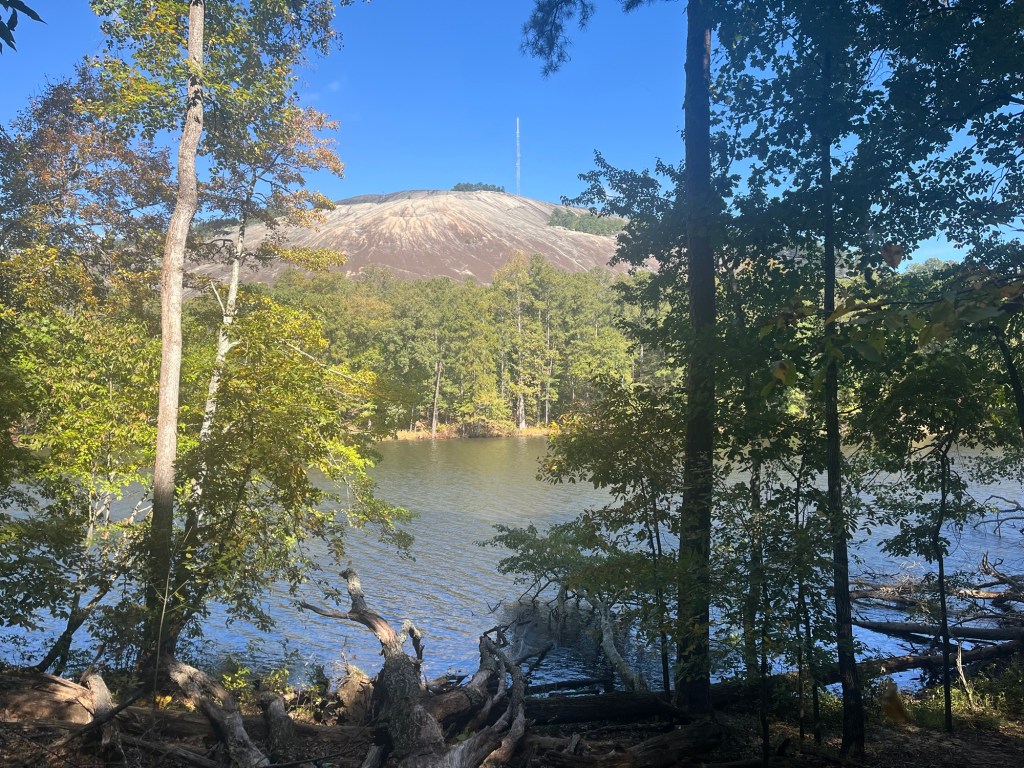
Spring waterfall
grows by the day as ice --
somewhere -- shrinks.
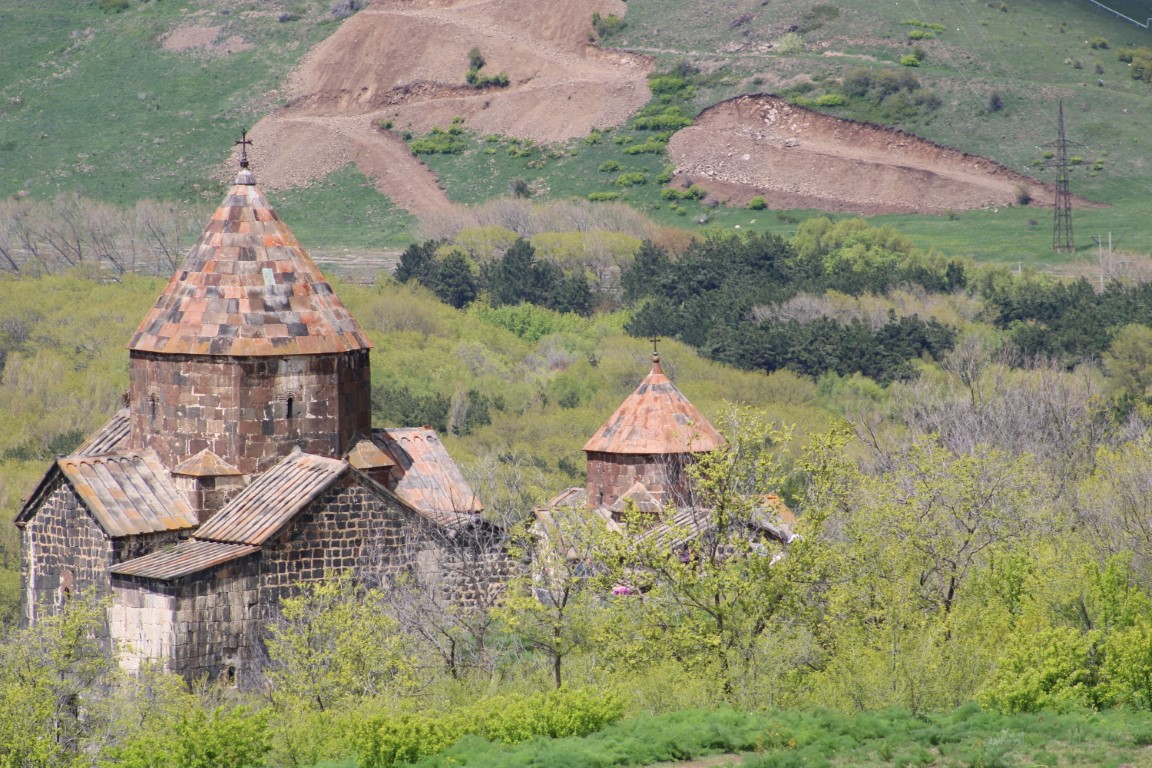
DAILY PHOTO: Noravank Monastery in Portrait Orientation
Image
Cherry Lovers [Senryū]
Dine & Move [Haiku]
PROMPT: At Your Age
I suspect they’d have been making strange and new noises every time they got up from a seat, as well as experiencing randomly distributed sharp shooting pains every once in a while. The apple, presumably, doesn’t fall far from the tree.
False Heralds [Tanka]
Martian Mindscape [Free Verse]
The light of day's end
brings out the sandy
grit of the arid
landscape.
The light of day's end
matches & compounds
the color of the
desiccated vegetation.
The light of day's end
turns the world
into someplace new --
somewhere I've never
been before.
My body knows this is
nothing like Mars;
my mind does not.
DAILY PHOTO: First Congregational Church, Atlanta

BOOK: “Collected Sonnets” by Edna St. Vincent Millay
Collected Sonnets by Edna St. Vincent MillayMy rating: 5 of 5 stars
Publisher site – HarperCollins
NOTE: The version that I read was the earlier edition containing 161 sonnets, it did not include the sonnets from Mine the Harvest.
My earliest remembered exposure to the work of Edna St. Vincent Millay was to a couple of her more anthologized sonnets (included herein:) “I, being born a woman and distressed” and “What lips my lips have kissed, and where, and why.” I found those poems free of the sappy sentimentality that I’d often associated with the form, and that was what attracted to me to this collection, a collection which I’m happy to say shares the same tone, a tone that leans edgy and irreverent. (At least for its day.) One sees this from the opening poem, “Thou art not lovelier than lilacs, no,” which pays homage to Shakespeare’s Sonnet 130 (i.e. “My mistress’ eyes are nothing like the sun,”) the poem which began the war on hyperbole in love poetry.
Millay’s collection is not all love poetry (though it is largely so.) It does also deal in nature and includes a few epitaphs (including for the likes of mankind, [see: Sonnet cxliv.]) Millay does work in both the Petrarchan and English / Shakespearean sonnet forms.
I’d highly recommend this collection for poetry readers, particularly those who like sonnets.
View all my reviews
PROMPT: Law
If such a situation were to avail itself, I would make a law so that no one person — even a high elected official — could change the law unilaterally. (Administrative policies for the bureaucracy not being laws, said high elected official could go to town on them.) Why? Because one person being able to change law is an affront to democracy and to the very concept of rule of law, and if we make it the object of fantasy to be able to do so we are cooked.
We had such a law in the US. It was called the Constitution, and it was glorious. It said that only the legislature (a body consisting of many representatives) could make law, and only the judiciary could interpret and evaluate the legality of a law. And it was okay that the executive was the least democratic of branches because it was to stay in the lane of enforcing the laws as they were written (and shaped by judicial interpretation,) and if the executive started getting too big for his britches, the legislature would turn off the flow of money.
So, my great fantasy is not to be able to unilaterally change law, but to have three functioning branches of government who stay in their own lanes, applying checks as (and only as) described in the Constitution.