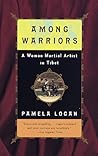
BOOK: “Among Warriors” by Pamela Logan

Among Warriors: A Woman Martial Artist in Tibet (Vintage Departures)Among Warriors: A Woman Martial Artist in Tibet by Pamela Logan
My rating: 4 of 5 stars

Author Site

This is an interesting travelogue describing Logan’s 1991 journey through Tibet and Nepal via bicycle, foot, and hitchhiked rides in trucks. It’s reminiscent of Alexandra David-Néel’s description of a journey in Tibet, though Alexandra David-Néel’s trip was both successful in ways Logan’s was not (e.g. in 1924 the former reached Lhasa, which Logan is turned away from,) and Alexandra David-Néel had to go full native — i.e. she couldn’t have completed her trip without convincing all the locals she interacted with that she was, in fact, from the region, herself. Still, Logan comes across as no slouch, heading out even when permits were denied or stalled, getting turned back, and making legitimate attempts to sneak her way to her objective. One must acknowledge that late 20th century China is a very different world than early 20th century Tibet, and so it may not be a fair comparison.

It is Logan’s stating of her objective that sets this book up to be anticlimactic, despite its thrilling elements. Her initial objective was to come into contact with Khampas — nomadic Tibetan warriors who were legendarily hard. While Logan has many adventures and fascinating experiences, she doesn’t succeed in her stated objective. I found it bold, but perhaps ill-conceived, to so ardently discuss said objective (even in the back blurb,) knowing that — adventures or no — it would feel like a let-down to many readers.

If you are interested in learning more about the highways, byways, and villages of Tibet, particularly how it was back in the early 90’s, I’d recommend reading this book. However, I wouldn’t go into it with any blurb-generated expectations.

View all my reviews

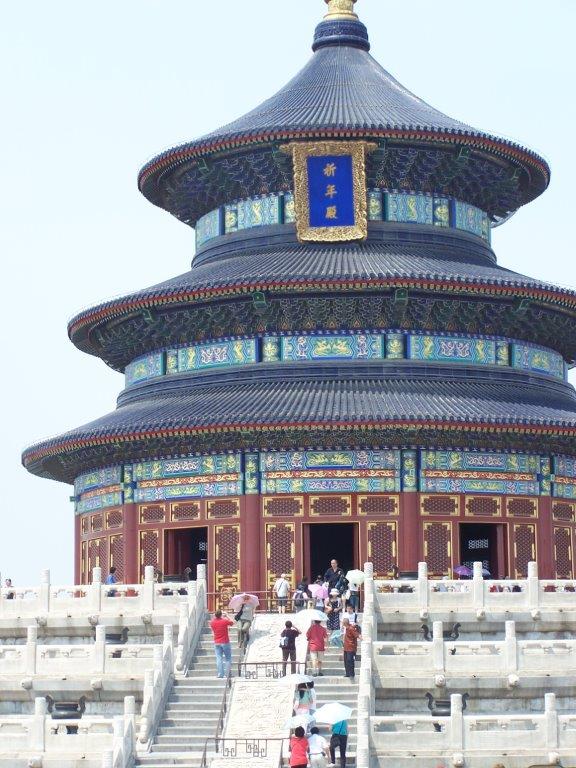
DAILY PHOTO: Temple of Heaven

Image

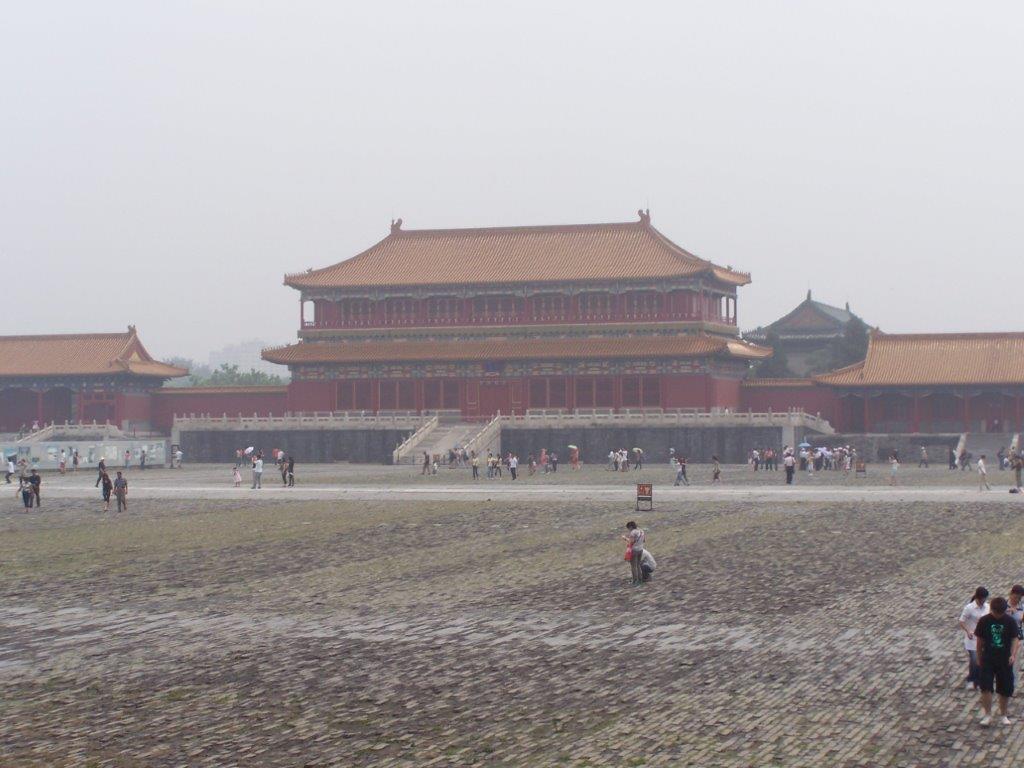
Photograph of the Temple of Heaven in Beijing.

Forbidden [Free Verse]

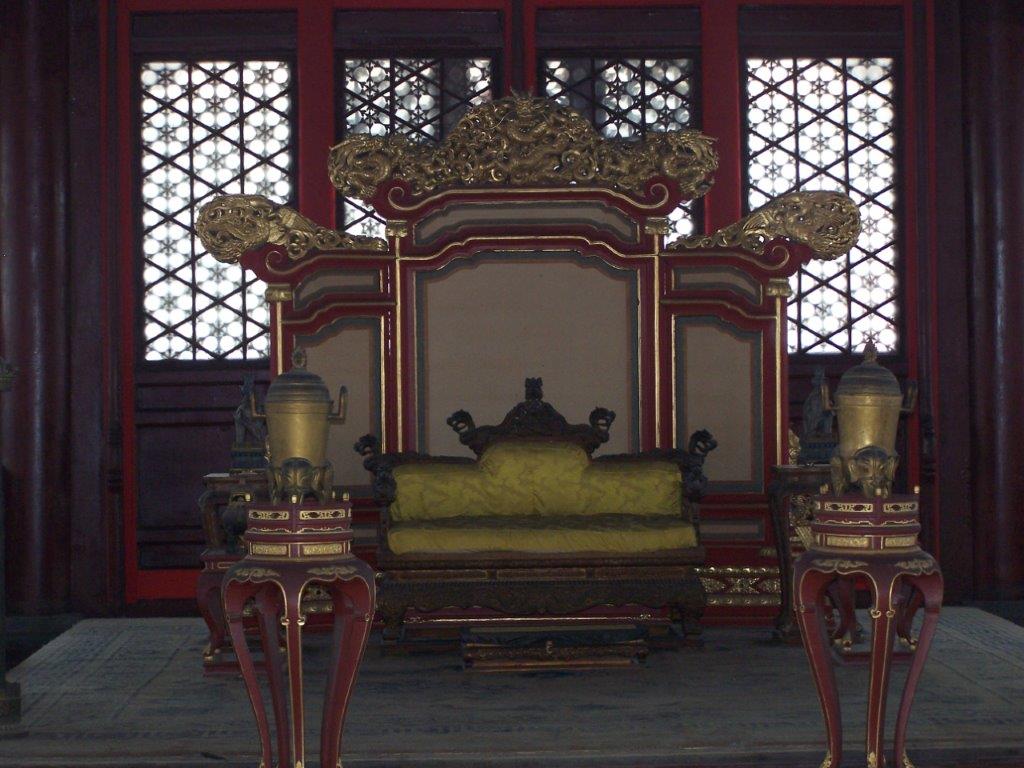
A photograph taken inside Beijing's Forbidden City in the Summer of 2008.
One afternoon, in the
Forbidden City,
People roam about --
Sightseeing.

The very next morning,
A single line of tracks
Through freshly fallen snow
Cuts across the very
Same yard.

BOOK: “Stories and Myths of Eight Immortals” Trans. by Li Yanjia and Nathaniel Hu

Stories and Myths of Eight ImmortalsStories and Myths of Eight Immortals by Anonymous
My rating: 3 of 5 stars

Available online – Internet Archives

This is a fine collection of stories about the adventures of the Eight Immortals (mostly as individuals, but with a few stories that feature the whole group.) There are twenty-eight chapters, but a few less than that of stories because the first chapter is an introduction to the Eight Immortals, and there are a couple of chapters at the end that discuss the origins of cultural artifacts associated with the Eight Immortals.

The stories are pulled from varied sources. I would give the stories a five, but this edition is loaded with grammatical mistakes — to the point of being distracting and unpleasant to read. It reads not like a present-day Google Translate translation, but rather as if it was being spoken by someone with an uneven (remedial to elegant) grasp of English. [Not everywhere, but enough to be problematic.]

The stories themselves are engaging, often have moral, and are quick reads (mostly a page, a few more than three pages.)

If you can tolerate reading through patches of bad grammar, this is not a bad collection of stories and information about the Eight Immortals, but if it’s too much to stomach, you might want to look elsewhere. The stories themselves are widely available, though not necessarily in English and, if so, not necessarily collected into a single volume. With editing, this would be an excellent collection of stories.

View all my reviews

CHINA LIMERICK

There was an old man from China
who thought he was having angina,
but it was the Kung Pao --
with peppercorns for WOW! --
that gave heartburn to the old man of China.

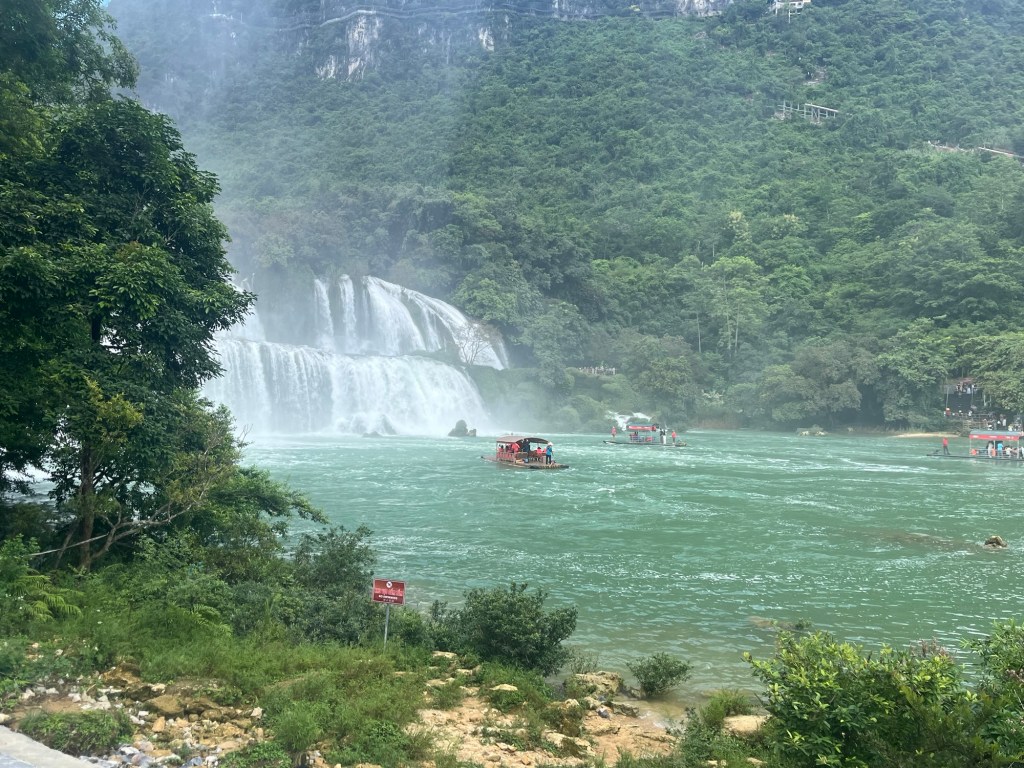
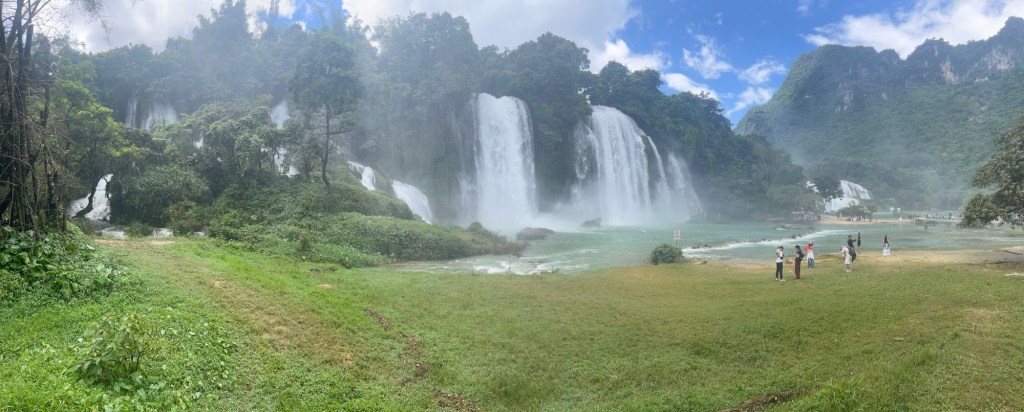
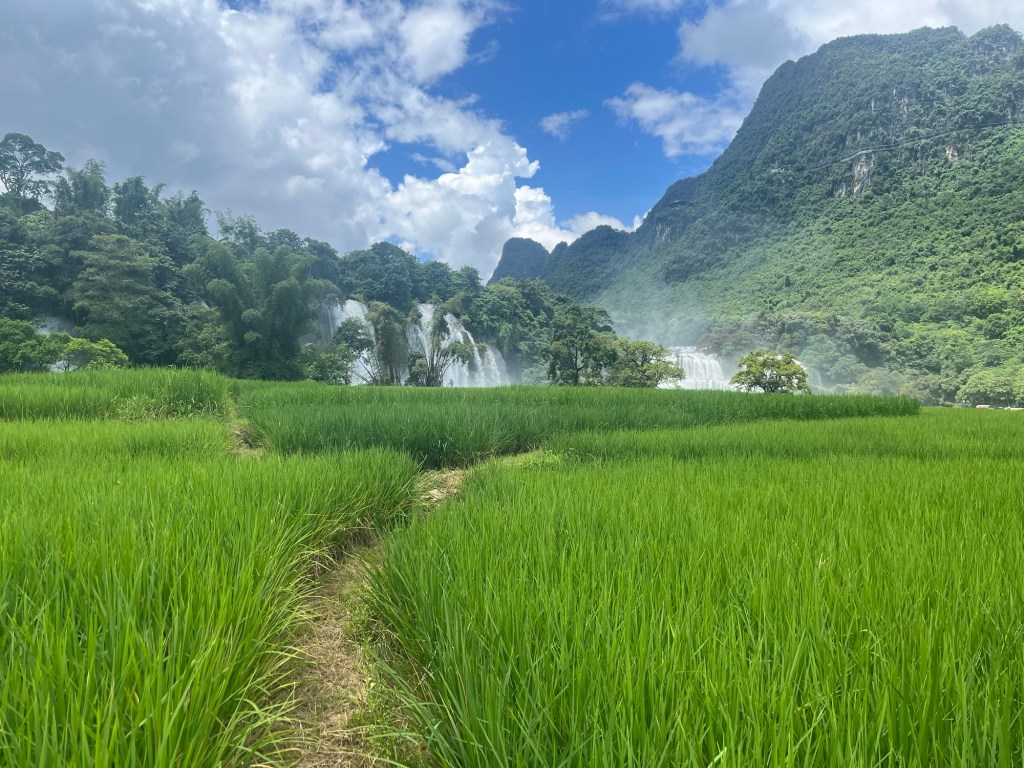
DAILY PHOTO: Ban Gioc Waterfall

BOOKS: “A Journey to Inner Peace and Joy” by Zhang Jianfeng [Trans. by Tony Blishen]

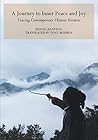
A Journey to Inner Peace and Joy: Tracing Contemporary Chinese Hermits by Zhang Jianfeng (2015-04-07)A Journey to Inner Peace and Joy: Tracing Contemporary Chinese Hermits by Zhang Jianfeng by Unknown Author
My rating: 5 of 5 stars

Publisher Site

In 1993, Bill Porter (a.k.a. Red Pine) came out with a book called “Road to Heaven” that documented his experiences meeting with hermits in rural China. For many, both in and certainly out of China, the continued existence of this lifestyle might have come as a surprise. This book follows up over twenty years later, showing that Buddhists and Daoist hermits are still alive and well in the mountains of interior China.

The book not only offers beautiful descriptions of the lands where these men and women live, but also insight into their mindsets and how they live such minimalist lives. It’s a light and compelling look at individuals like those one might read of in “Outlaws of the Marsh,” only living in the present day (though living lives not unlike their historical counterparts did more than a thousand years ago.)

The book offers many color photos of the hermits and the landscapes in which they live.

I’d highly recommend this book for anyone interested in the way of reclusive existence.

View all my reviews

BOOKS: “HK24” by The Hong Kong Writers Circle

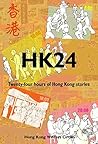
HK24: Twenty-Four Hours of Hong Kong Stories (Hong Kong Writers Circle Anthology Book 13)HK24: Twenty-Four Hours of Hong Kong Stories by Stewart McKay
My rating: 4 of 5 stars

Publisher Site – Hong Kong Writers Circle

This collection of twenty short stories is connected by the theme of events taking place in a single day in Hong Kong. Besides this commonality of setting, there is no other connective tissue between the stories. Tonally, the pieces range from hilarious to tragic. There are suspenseful genre fiction stories as well as realist literary fiction (i.e. telling the story of work-a-day characters engaged in events of everyday life.)

I found “Mummy, Daddy, Angry Birds” by Carsten John and “Rent” by Sharon Tang to be the best humor pieces, and “Egrets” (Paul Clinton Corrigan,) “Help Yourself” (Edmund Price,) and “Joss” (Dimple Shah) to be the most thrilling and intriguing dramatic pieces. All the stories were well-crafted, but some did stand out more than others. A few of those realist pieces that explored “mundane” expat life in Hong Kong made for engaging and distinctive reading. And Hong Kong is uniquely situated for tales of an urban shaman or a Triad shooting.

This is the thirteenth volume of a series put out by the Hong Kong Writers Circle. Each volume has a different theme (besides being Hong Kong connected.) Hong Kong is one of those places that is authentically itself, not to be confused with anywhere else, and that offers a great opportunity to build fascinating tales that could only take place there. [I found it interesting that “should I stay or should I go” was a repeated theme across multiple stories.]

I picked this book up as a piece of travel literature for an upcoming visit to Hong Kong (I make sure to read a work of literature from every country I visit — provided I can find anything translated.) I’d highly recommend this book for readers interested in short fiction with that distinctive Hong Kong flavor. I intend to look into other volumes in the series, myself.

View all my reviews

“From China” by Amy Lowell [w/ Audio]

   I thought: 
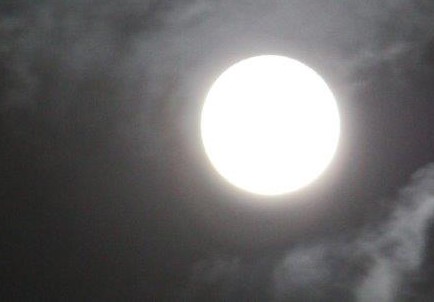
The moon,
Shining upon the many steps of the palace before me,
Shines also upon the chequered rice-fields
Of my native land.
And my tears fell
Like white rice grains
At my feet.

BOOKS: “Wen-Tzu” Trans. by Thomas Cleary

Wen-TzuWen-Tzu by Lao-Tzu
My rating: 5 of 5 stars

Publisher Site – Shambhala

This work is presented as “further thoughts of Laozi [老子].” Readers of the Dàodé jīng [道德经] will recognize many a familiar statement of that work, but this book is much more extensive and detailed. I say “presented as” because scholars no longer believe this was a product of Laozi and his lifetime (if such an individual ever existed.) For one thing, the book seems more syncretic than the Dàodé jīng, that is to say there are points at which it sounds strikingly Confucian — rather than purely Taoist.

As with the Dàodé jīng the Wénzǐ [文子] covers a lot of ground from metaphysics to individual ethics to political philosophy, but this book has more room to sprawl on each subject.

As with other Cleary translations, it’s a pretty readable translation.

I’d recommend it for readers interested in Chinese Philosophy.

View all my reviews