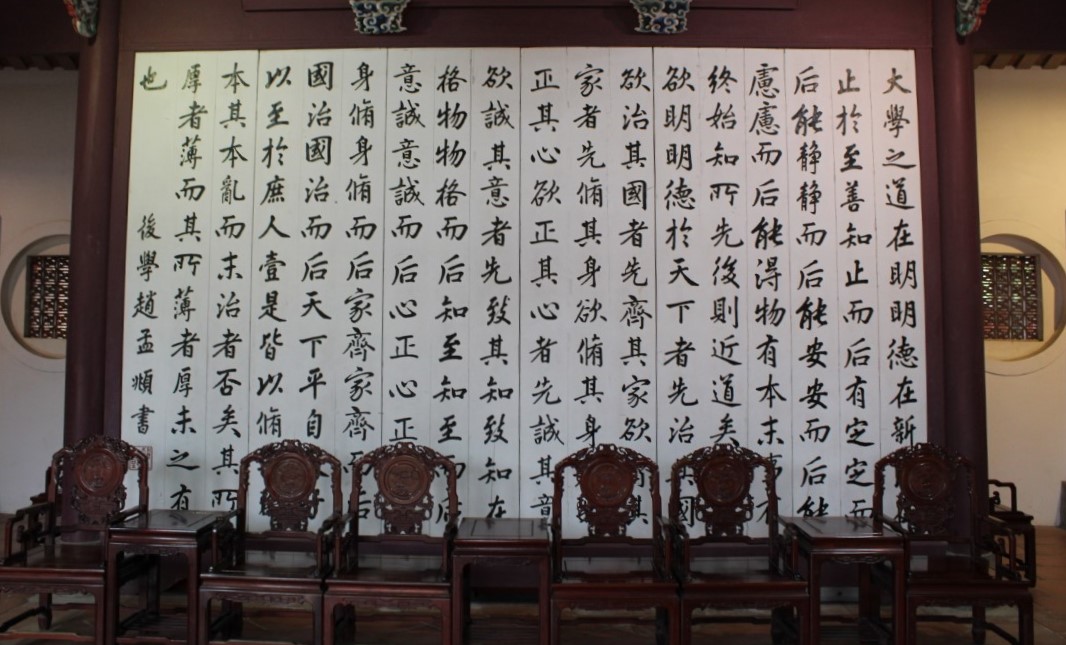
What spills from the brush?
   What shapes are made
      on the page?

What curves? What lines?
   What crosses? What binds?

Who will chase after the sparks
   of meaning in those wild marks?

What spills from the brush?
What shapes are made
on the page?
What curves? What lines?
What crosses? What binds?
Who will chase after the sparks
of meaning in those wild marks?
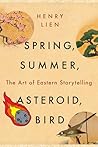 Spring, Summer, Asteroid, Bird: The Art of Eastern Storytelling by Henry Lien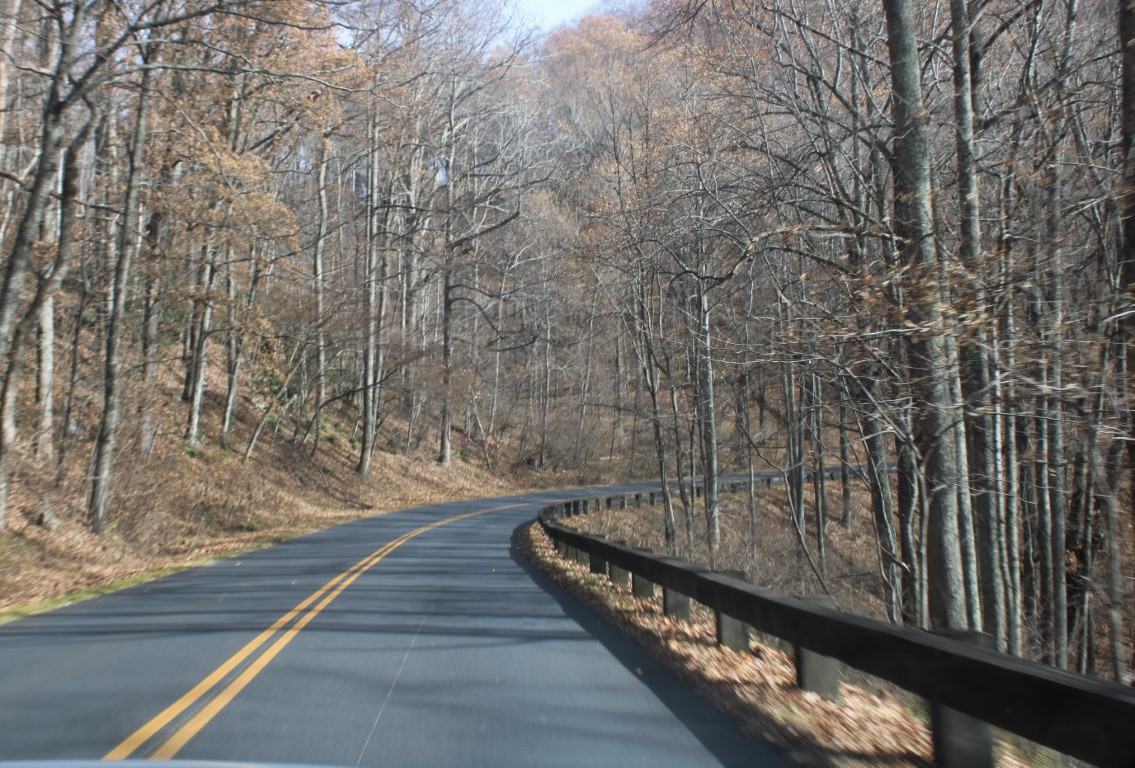
You air that serves me with breath to speak!
 You objects that call from diffusion my
   meanings and give them shape!
 You light that wraps me and all things in
   delicate equable showers!
 You paths worn in the irregular hollows by
   the roadsides!
 I believe you are latent with unseen
   existences, you are so dear to me.

You flagg'd walks of the cities! you strong
   curbs at the edges!
 You ferries! you planks and posts of wharves!
   you timber-lined sides! you distant ships!

You rows of houses! you window-pierc'd
   façades! you roofs!
 You porches and entrances! you copings and
   iron guards!
 You windows whose transparent shells
   might expose so much!
 You doors and ascending steps! you arches!
 You gray stones of interminable pavements!
   you trodden crossings!
 From all that has touch'd you I believe you
   have imparted to yourselves, and now
   would impart the same secretly to me,
 From the living and the dead you have
   peopled your impassive surfaces, and the
   spirits thereof would be evident and
   amicable with me.
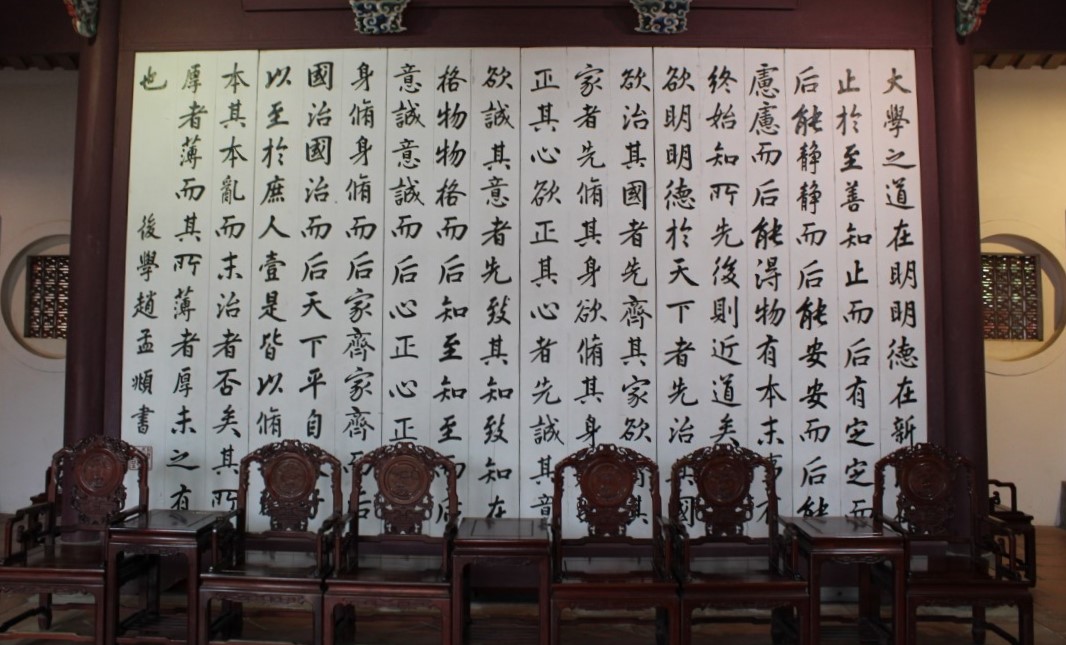
Writing is joy --
   so saints and scholars all pursue it.

A writer makes new life in the void,
   knocks on silence to make a sound,
   binds space and time on a sheet of silk
   and pours out a river from an inch-sized heart.

As words give birth to words
   and thoughts arouse deeper thoughts,
   they smell like flowers giving off scent,
   spread like green leaves in spring;
   a long wind comes, whirls into a tornado of ideas,
   and clouds rise from the writing-brush forest.
Translation by Tony Barnstone and Chou Ping in The Art of Writing (1996) Boston: Shambhala.
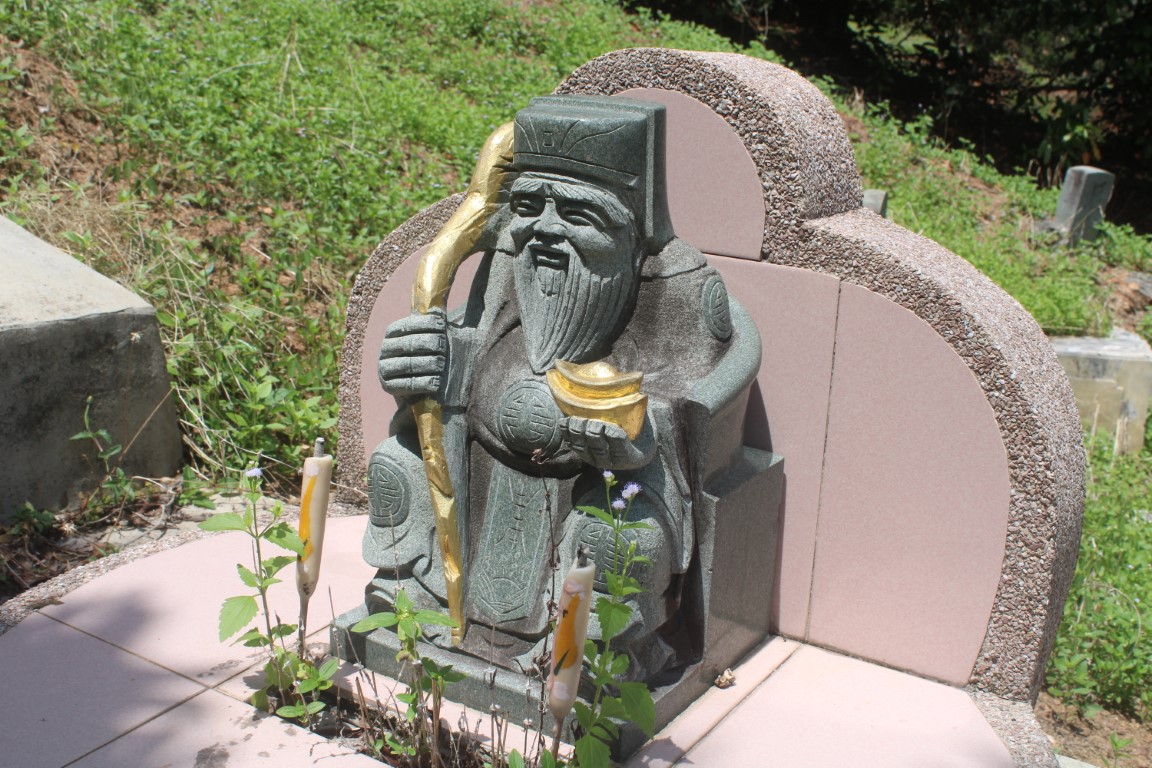
Inspiration enters at the border between hard work and laziness.
Lu juren in “Poets’ jade splinters” [Trans. by Barnstone and Ping in The ART Of Writing]
I will not own anything that will one day be a valuable antique.
Miyamoto musashi in “My way of walking alone” [Dokkōdō] (Trans. by Teruo machida)
A house full of gold and jade can’t be guarded.
Laozi in the DAo De jing [Ch. 9]
Writing is a struggle between presence and absence.
Lu ji in The ART of Writing [Trans. by Barnstone and ping]
The best leaders remain unknown; the next best are praised; the next best are feared, and the worst are mocked.
Laozi in dAo de Jing [Ch.17]
 The Writer’s Journey: In the Footsteps of the Literary Greats by Travis Elborough
How do you manage screen time for yourself?
Many ways, really: e.g. Go for a walk or otherwise move. Forget it exists. When the WiFi goes down, take it as a sign from the universe. Juggle. Do something productive.
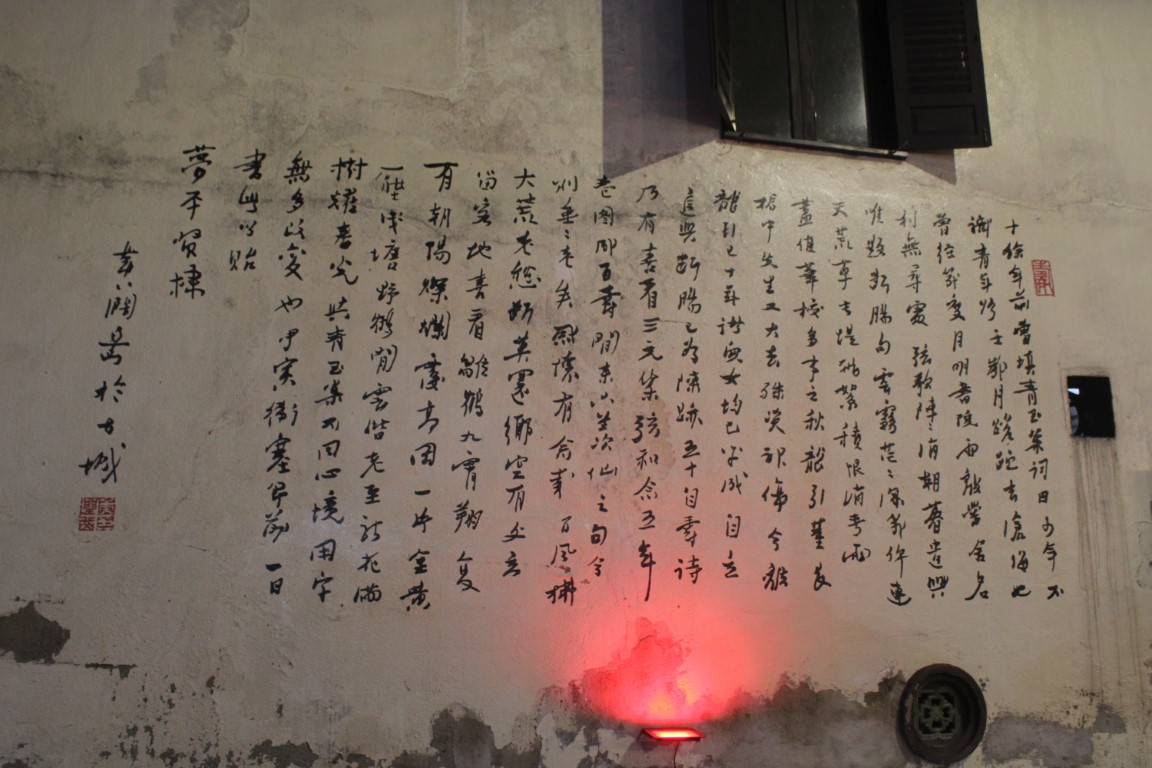
I see the writing on the wall,
 and find it untrustworthy
 because of all the stories
 of valiant warriors
 framed for treason
 with forged poems
 scrawled on tavern walls.

And of the virtuous men
 who did write rancorous poems,
 but did so while blackout drunk.

And I wonder whether the words
 I am seeing are forged or written
 under the influence
 of intoxicants,
 or -- possibly -- they are the truth.

But I cannot read them,
 so I find them irrelevant,
 though they may convey
 crucial information,
 such as:
 - the existence of a vampire infestation, or
 - the presence of cholera in the town well.

So, I can see the writing on the wall,
 but I find it neither trustworthy
 nor relevant --
 (though my life may depend
 on its contents.)
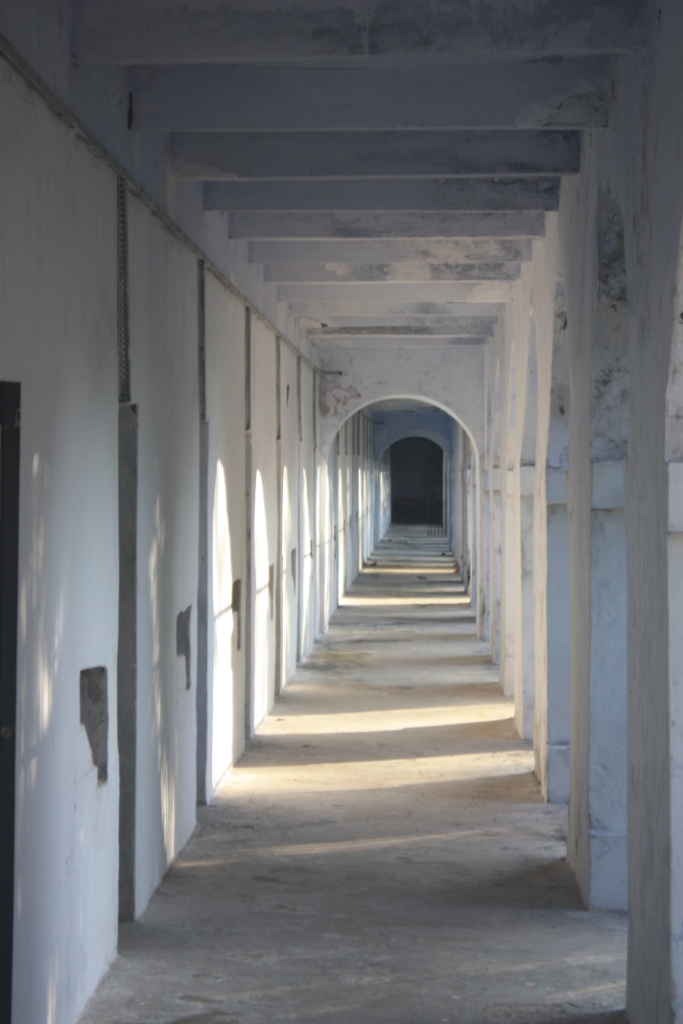
They shut me up in Prose --
   As when a little Girl
 They put me in the Closet --
   Because they liked me "still" --

Still! Could themself have peeped --
   And seen my Brain -- go round --
 They might as wise have lodged a Bird
    For Treason -- in the Pound --

Himself has but to will
   And easy as a Star
 Look down opon Captivity --
   And laugh -- No more have I --
I don’t collect favorites. I like reading, hiking, writing, swimming, playing, exercise, traveling, cooking… each in its due time for its due time.


 Tiger Riding for Beginners