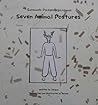
BOOK: “Seven Animal Postures” by Jeogun [Trans. by Dowon]

Seven Animal PosturesSeven Animal Postures by Jeogun
My rating: 4 of 5 stars

Publisher Information – Sunmudo Daegeumgangmun Foundation

I bought this book in the gift shop of Golgulsa Temple [i.e. Stone Buddha Temple,] in the countryside outside of Gyeongju, South Korea. Golgulsa is a fascinating place. It’s sort of the Shaolin Temple of Korea, teaching martial arts and qigong (energy work) alongside meditation and Buddhist philosophy. The Korean Buddhist martial art is called Sunmudo, and I’d never heard of it before traveling to Korea.

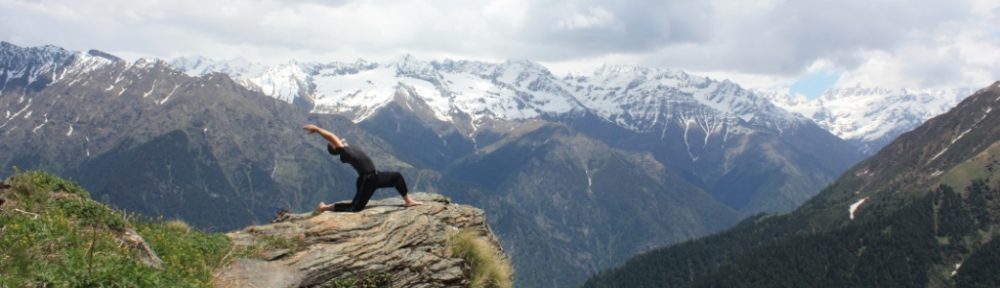
At any rate, this book is a 35-page guide to a set of qigong practices known as the “Seven Animal Postures” (or Yeongdongipgwan.) It’s a set of exercises that are similar to qigong practices like the Eight Pieces Brocade, and not greatly dissimilar to yogasana (i.e. yoga’s postural practices.) [FYI: The animals of these exercises are Tiger, Dragon, Deer, Monkey, Bear, Turtle, and Crane.]

The book offers a little bit of background on Sunmudo and the benefits of it, but is mostly a guide to the movement, breath, and postural details of these seven exercises. It has line drawings to help elaborate upon the text. My only gripe would be that the paper the book is printed on to make it more visually interesting has blocks of darker color that make it a little harder to read than is necessary.

If you are interested in qigong or yogic practices that are a bit more off the beaten path, you may find this one interesting.

View all my reviews

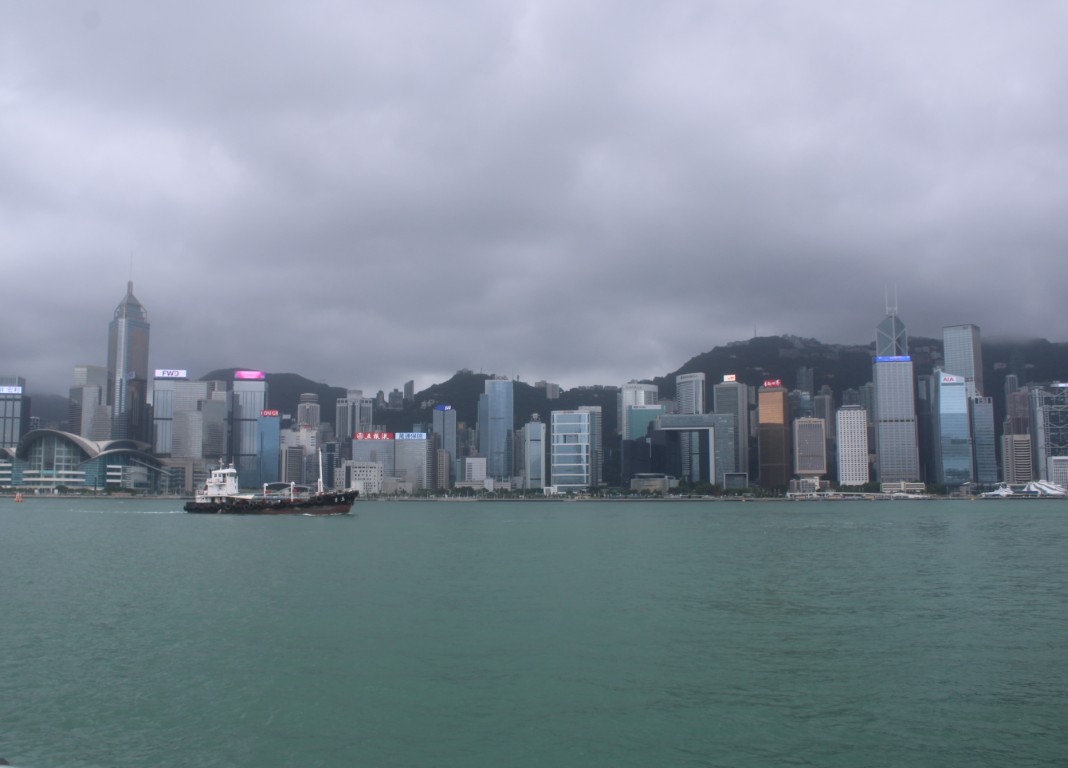
DAILY PHOTO: Rainy-Day Views from the Star Ferry, Hong Kong

BOOK REVIEW: “New Story of the Stone” by Jianren Wu [Trans. by Liz Evans Weber]

New Story of the Stone: An Early Chinese Science Fiction NovelNew Story of the Stone: An Early Chinese Science Fiction Novel by Jianren Wu
My rating: 5 of 5 stars

Publisher Site – Columbia University Press

This book is presented as a sequel to the Chinese literary classic (alternatively) known as Dream of the Red Chamber or Story of the Stone. The central character is a scholarly traveler by the name of Baoyu. The first part of the book is set in China around the time of the Boxer Rebellion, an event that features in the story. Throughout this portion, the book reads like historical fiction. However, Baoyu’s travels eventually bring him to a hidden realm, a technologically advanced utopia within China. It is here where Baoyu’s adventures get fantastical and otherworldly, and the book ventures into the domain of Science Fiction.

The setting of the book reminds me a little of Marvel’s Wakanda from Black Panther. Perhaps both instances of worldbuilding were motivated by the humiliated colonists’ fantasy of being more advanced than those who pull the strings for once, or of showing their (respective) lands to be places of “crouching tigers and hidden dragons” (i.e. where great talents exist but remain unseen.) (Note: While China wasn’t on-the-whole colonized by a Western country, its interaction with England and other Western nations left it forced to accept terms unfavorable and undesirable to China (not to mention the outright colonized enclaves such as Hong Kong and Macau.) While the publisher has emphasized the science fiction aspect of this work, it is an anticolonial work through and through. The book can come across as xenophobic and nationalistic in places, but this only reminds the reader of how such positions might be arrived at under the boot of foreign influence.

The book is readable though philosophical and is well worth reading for those interested in developing a deeper insight into Chinese perspectives.

View all my reviews
Song – “My silks and fine array” by William Blake [w/ Audio]

My silks and fine array,
My smiles and languish'd air,
By love are driv'n away;
And mournful lean Despair
Brings me yew to deck my grave:
Such end true lovers have.

His face is fair as heav'n,
When springing buds unfold;
O why to him was't giv'n,
Whose heart is wintry cold?
His breast is love's all worship'd tomb,
Where all love's pilgrims come.

Bring me an axe and spade,
Bring me a winding sheet;
When I my grave have made,
Let winds and tempests beat:
Then down I'll lie, as cold as clay.
True love doth pass away!

PROMPT: Future

What are you most worried about for the future?

A global rise in governance by populist authoritarians in which people give up abstract conceptual benefits like checks and balances and rule of law in exchange for the more tangible bread and circuses.

I’m not so concerned about the demographic crises because I think those long-scale issues work themselves out, just as when Malthus predicted the human population was growing too fast and global famine was inevitable.

I’m also not so worried about [G]AI because if we make machines that can crush us, we deserve to be crushed to make way for the new. That said, I think we are at the beginning of a crisis of modernity that will reach its apex when machines can do all productive tasks better than can humans. But, I’m pretty sure I’ll outrun that, and by choosing to focus on the art of being human, it’s not so impactful, personally.

“The Taoist Temple Revisited” [再游玄都观] by Liu Yuxi [刘禹锡]

In half of the wide courtyard only mosses grow;
Peach blossoms all fallen, only rape flowers blow.
Where is the Taoist planting peach trees in this place?
Only I come again after my new disgrace.

Note: This is the joint translation of Xu Yuanchong and Xu Ming found in the edition of <em>Golden Treasury of Quatrains and Octaves</em> on which they collaborated (i.e. China Publishing Group: Beijing (2008.))

The “new disgrace” referenced was Liu Yuxi’s second exile.

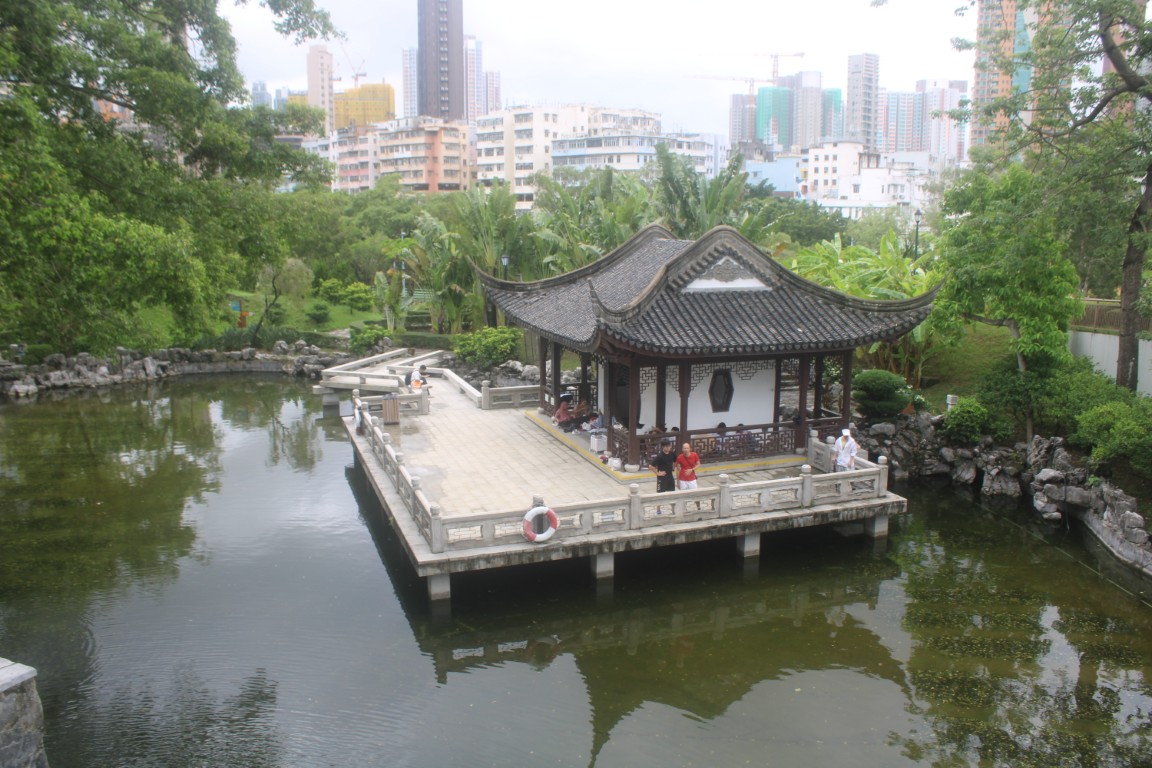
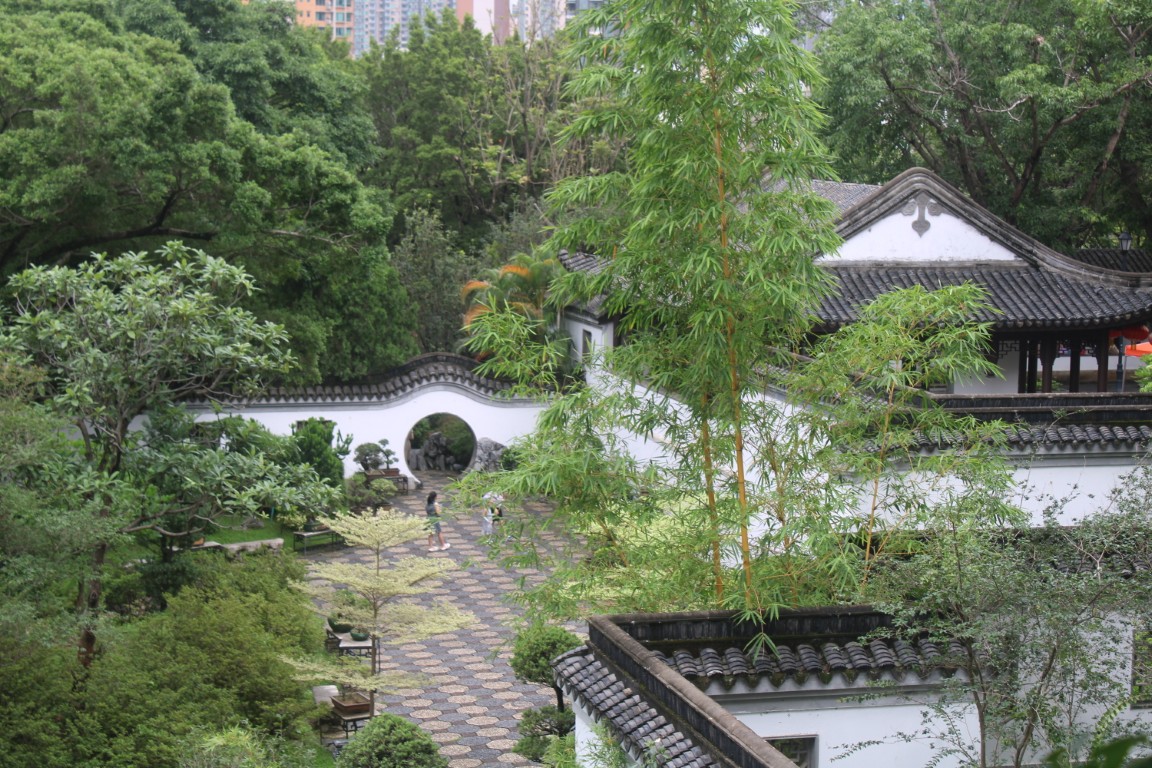
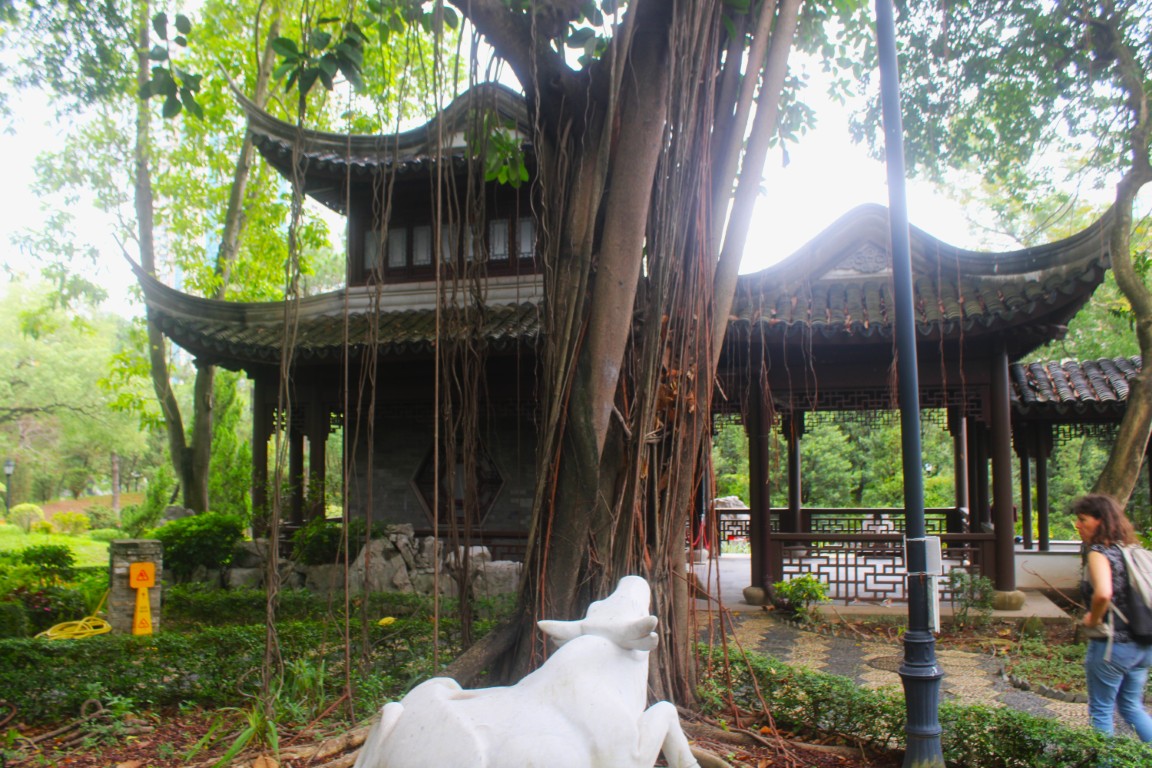
DAILY PHOTO: Scenes from Kowloon Walled City Park

PROMPT: Teacher

What makes a teacher great?

If students choose the teacher, that is an excellent first indicator. In the typical top-down selection of teachers, it is easy to produce an abundance of shitty teachers. Of course, there is still the danger of charismatic bullshitters and easy people-pleasers, problems ever-present. But among students (as opposed to followers) they usually reveal themselves in time.

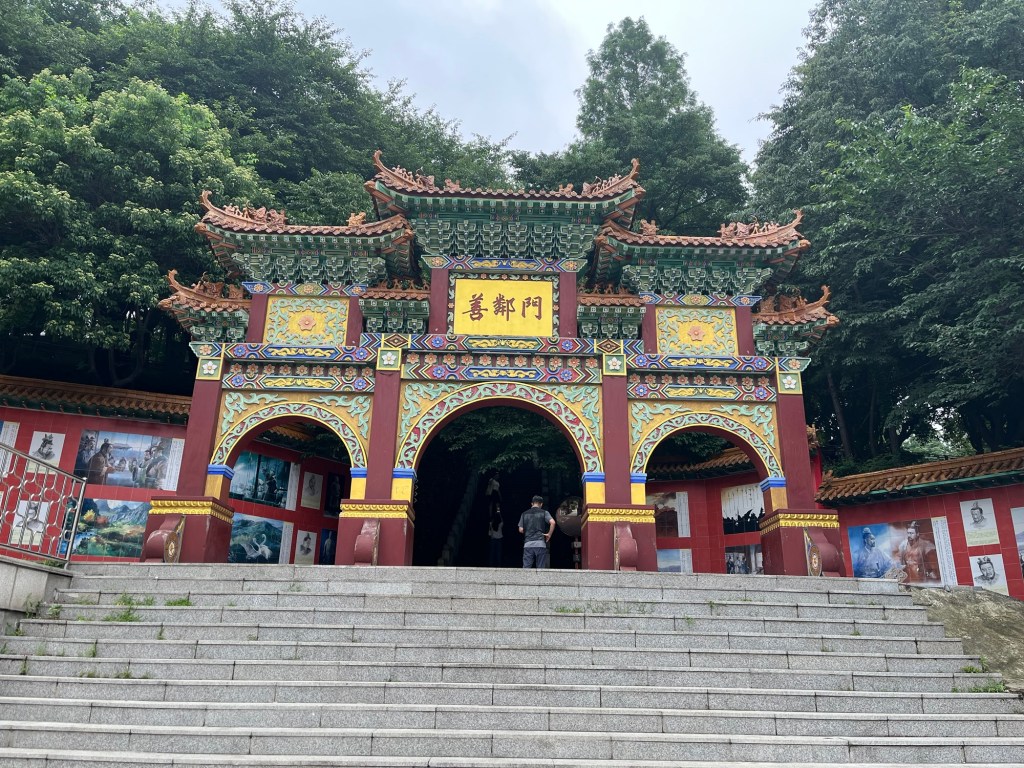
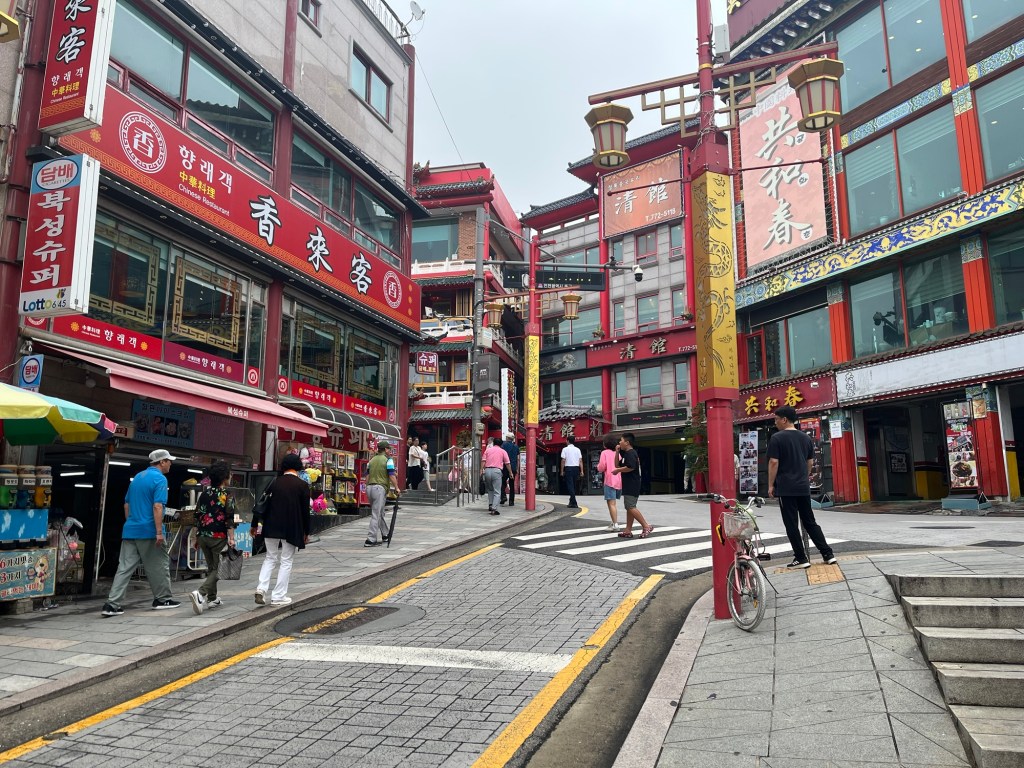
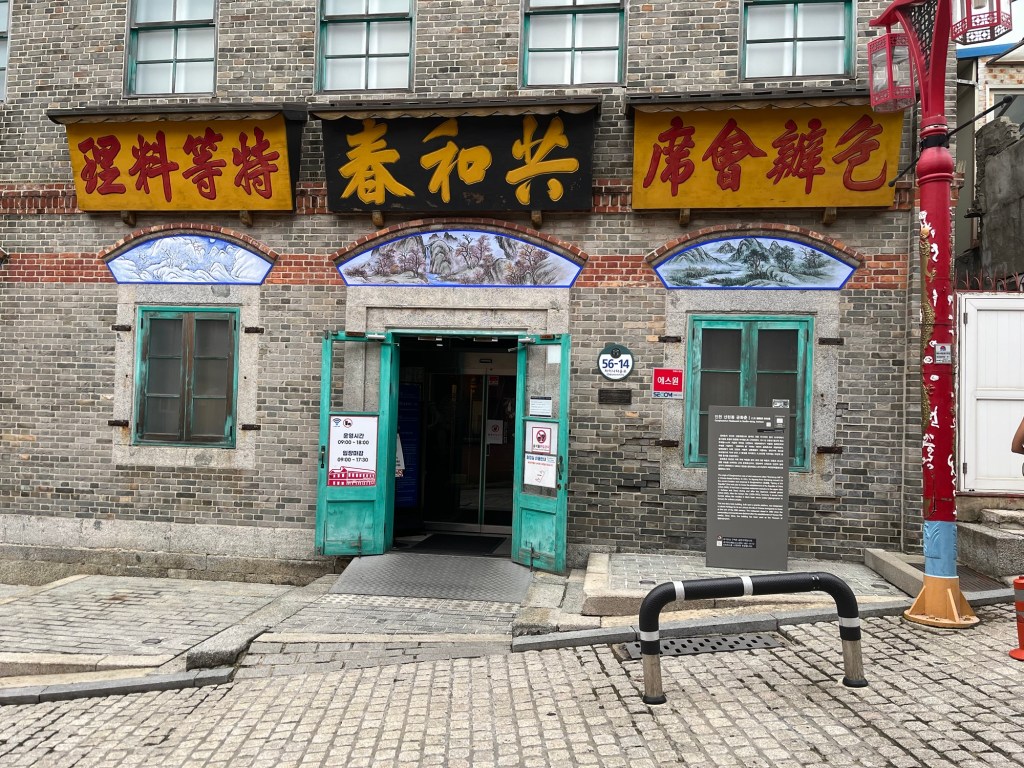
DAILY PHOTO: Scenes from Incheon Chinatown

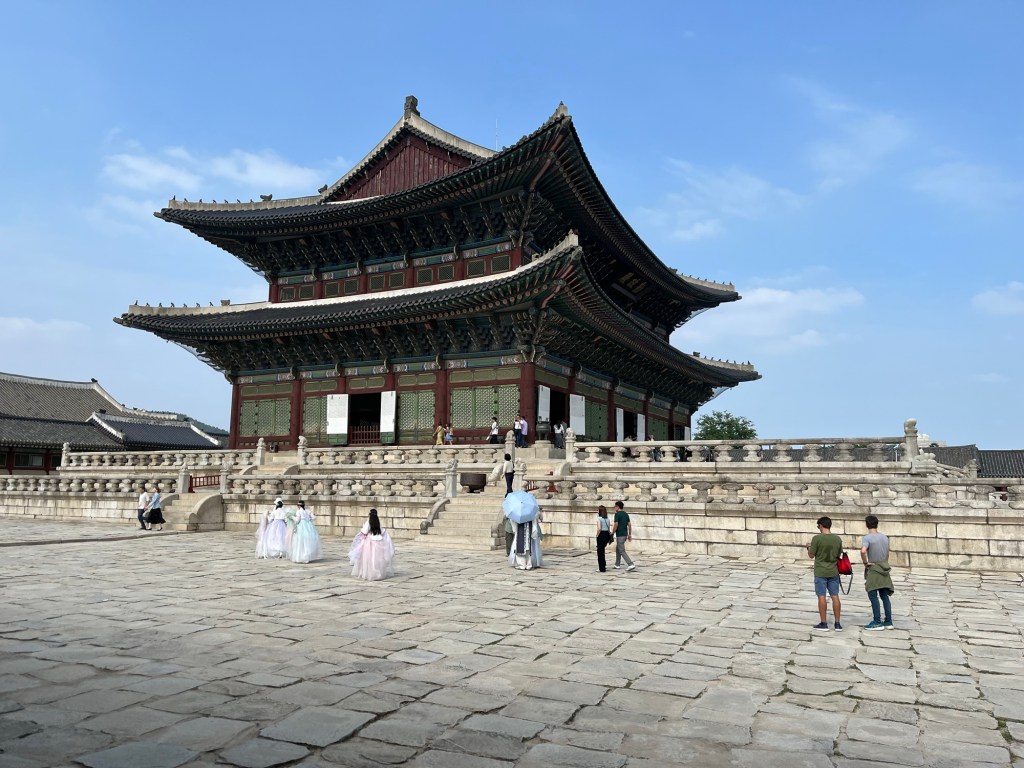
DAILY PHOTO: Geunjeongjeon