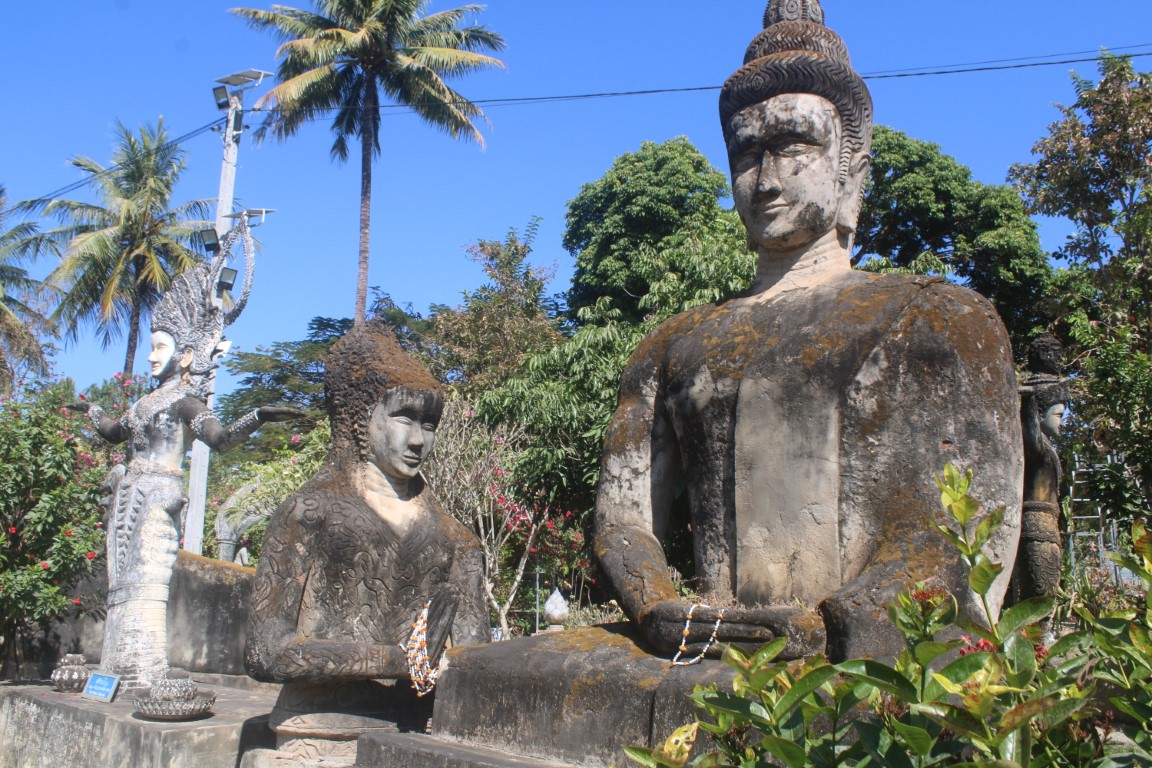
Those who reached the escape velocity necessary to truly write their own stories: e.g. Drukpa Kunley, Diogenes the Cynic, Hánshān, Ikkyū, Socrates, and the various Avadhuta.
Tag Archives: Buddhism
PROMPT: Happiness
That it’s a worthy object of pursuit, as if it is a stable state. I think both the Taoists and the Buddhists have instructive views on the matter. In Taoism, the Yang contains the seed of Yin and one flows inexorably into the other. In this view, the rock bottom worst life has to offer is a time to rejoice because the light will follow. Whereas, when one thinks life is the best it can get, a fall will come. As for Buddhism, our happiness may reflect an illusion that we’ve momentarily achieved our desires, when desires are inherently great white whales. Aim for contentment. Experience happiness when it comes.
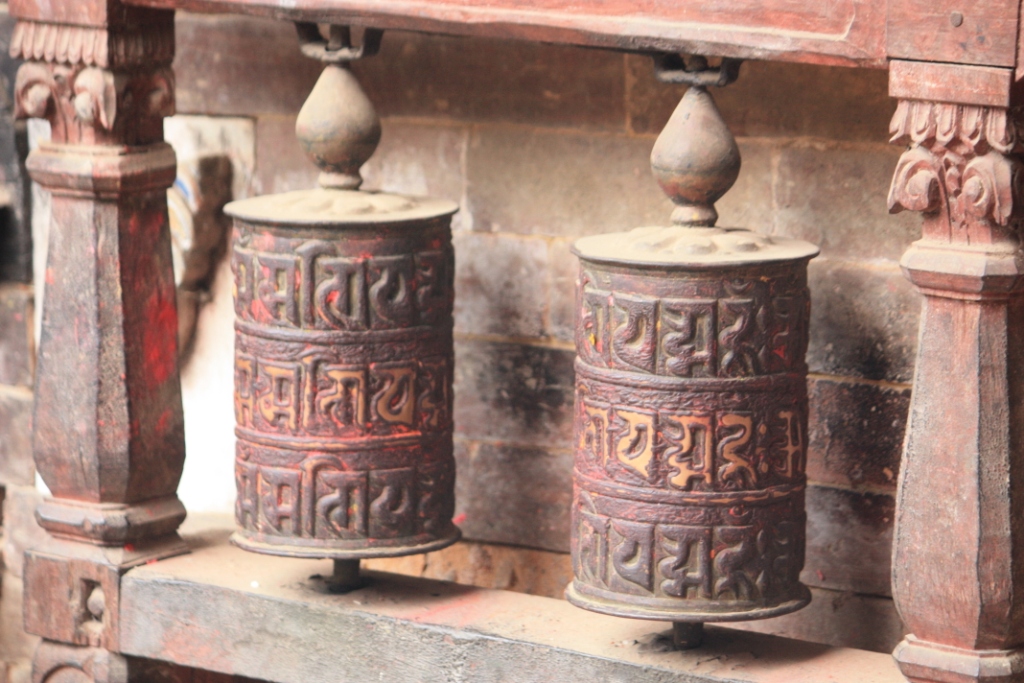
Rusty Prayer Wheels [Lyric Poem]
PROMPT: Moment
This sounds to me like a recipe for how to turn a great moment into Hell. Nothing special survives its moment. I’m with the Buddhists on impermanence — i.e. Everything is impermanent, (and the desire for things to be what they are not is the root of all suffering.)
DAILY PHOTO: The Colorful Shrine of Great Compassion
Stone Still [Haiku]
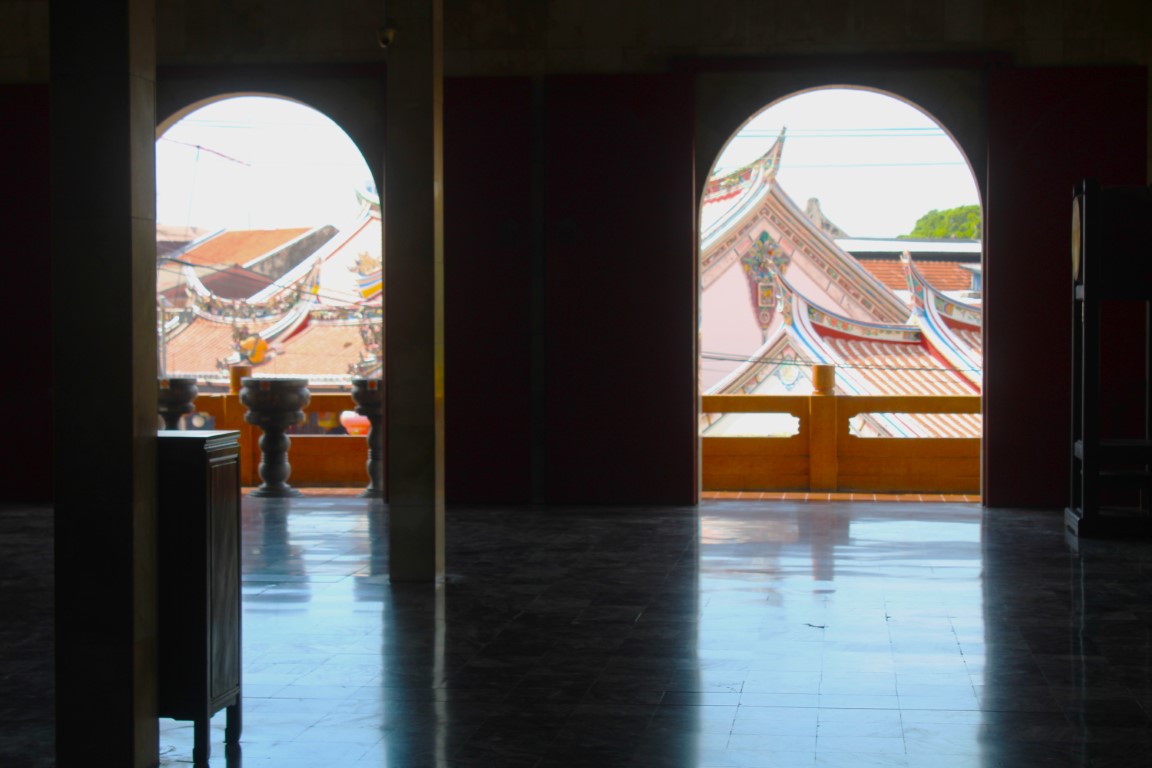
Second Eyes [Free Verse]
From the dark depths
of a temple,
eyes open & blink
against the sunlight
pouring through
a narrow second set
of eyes.
What shapes form across
the way?
It's the roof of a second --
more ancient -- temple
that stands across
the street.
This monk has opened
eyes on that view a
thousand times before,
and each time has
forgotten the centuries
old neighboring temple
existed.
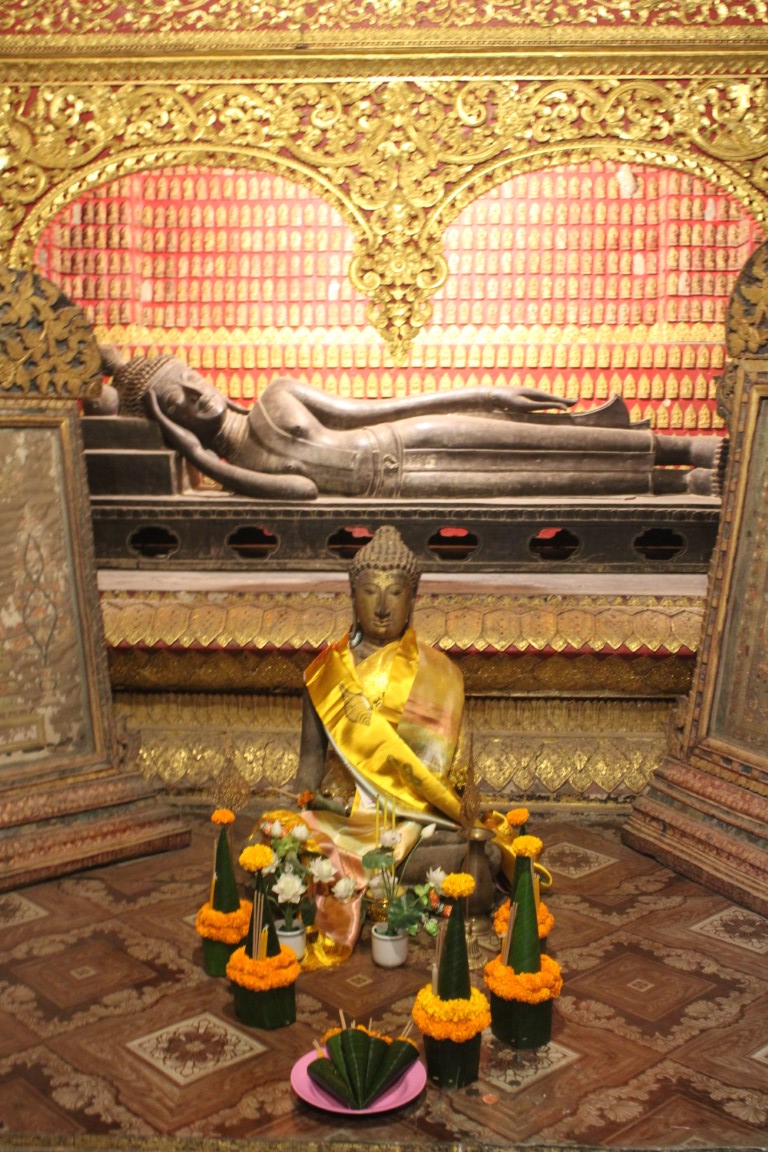
Superabundance of Buddhas [Free Verse]
BOOK: “Understanding Eastern Philosophy” by Ray Billington
Understanding Eastern Philosophy by Ray BillingtonMy rating: 4 of 5 stars
Publisher Site — Taylor & Francis
This book does a solid job for one that bites off so much in a single go. Eastern Philosophy is a large subject, and to try to outline the major premises of its varied systems and also compare them to Western / Abrahamic notions (when Western schools are sometimes no more different from Eastern schools than each side is within,) and to do so in under two-hundred pages is a daunting undertaking.
For the most part, I felt the book did a fine job of meeting its objective. A fair amount of selection and simplification is required. I will say the part describing karmic doctrine didn’t seem consistent with what I was taught and seems more in line with the early Western scholars who started writing about Eastern Philosophy but could not help but couch the subject in a Western / Abrahamic frame because it was what they knew and was invisible to them. I say this as one who is no big fan of Karmic philosophy, though for another reason (one which is also mentioned in this book.) I’ve always been told that the central idea is to do selfless acts in order to escape the karmic cycle. Billington, like others before him, states it as do “good deeds” and then he puts forth the critique that this won’t help because doing good for one’s own benefit is fraught with peril. My understanding from Sanskrit scholars is: first, Hindu philosophers were aware of this paradox from the beginning and that’s why the emphasis has always been on “selfless” acts; second, the Abrahamic bifurcation of all actions into good and evil is not so much a thing in Hindu thinking (most actions are inherently neither.) I should point out that there is a lot of internal conflict within these philosophies (e.g. differences between Buddhist and Hindu thoughts on Karma) and that Billington does elsewhere reflect on the differences between Eastern and Western thinking about good and evil.
The first two-thirds of the book is organized by schools of thought (beginning with the Indian ones and working toward Chinese / East Asian schools) and the last third deals with a series of fundamental philosophical questions.
If you want a quick outline of Eastern philosophical ideas, this book gives a good look at them, particularly if one is interested in a comparison to Western ideas. The book also spends a fair amount of time in discussion of what a religion is and how one differs from a philosophy.
View all my reviews