PROMPT: Fictional Animal

Daily writing prompt
If you could pick any fictional animal to be your lifelong companion (like a Pokémon or fantasy pet), what would it be?

None of the fictional animals I’m aware of (e.g. Dragons, Minotaur, Hydras, Werewolves, Fu-Lions, etc.) would make good “lifelong companions” as they would not be conducive to a life that was long. Perhaps the kind of foxes one sees in Chinese and Japanese folklore, though those relationships also usually end poorly (not to mention being weirdly sexual.)

PROMPT: Biggest Dream

What’s your biggest dream?

To meet a Yeti.

BOOK: “Saiweng Lost His Horse” [塞翁失马] by Qixia Yu

Saiweng Lost His Horse 塞翁失马: A Story about Life and Values (Bilingual Chinese Idiom Stories)Saiweng Lost His Horse 塞翁失马: A Story about Life and Values by Qixia Yu
My rating: 5 of 5 stars

Author Amazon Page

This bilingual illustrated book tells the famous Taoist story often referred to as “good news? bad news? who’s to say?” (or words to that effect.) The story, originally contained in the Huainanzi (i.e. The Book of Master Huainan,) shows a wise old farmer subjected to the ups and downs of life. The old man’s neighbors are always surprised when the farmer neither celebrates positive events or bemoans negative ones — realizing the truth contained in the taiji symbol (yin / yang symbol) that the seed of the light is always in the dark and vice versa.

The book contains text in Simplified Chinese, pinyin, and English. It also has pretty illustrations. It’s very kid’s book-like (i.e. short, illustrated, and formatted as such;) though the story, itself, is not particularly juvenile.

I was surprised when this would not open on my laptop “Kindle for PC” reader as another book in this series had. (I like to read illustrated works (and Chinese writings) that way as it’s generally easier to take in than on my phone or Kindle because the big screen is easy to see and enlarge as necessary. That said, I was quite pleased with the ease with which I could magnify the text on my Kindle device. I had none of the frustration reading it on Kindle that I frequently have had with graphic novels and such in the past.

I enjoyed reading this story and found it quite helpful to me as a Chinese language learner. I’d highly recommend it for those learning to read Chinese.

View all my reviews

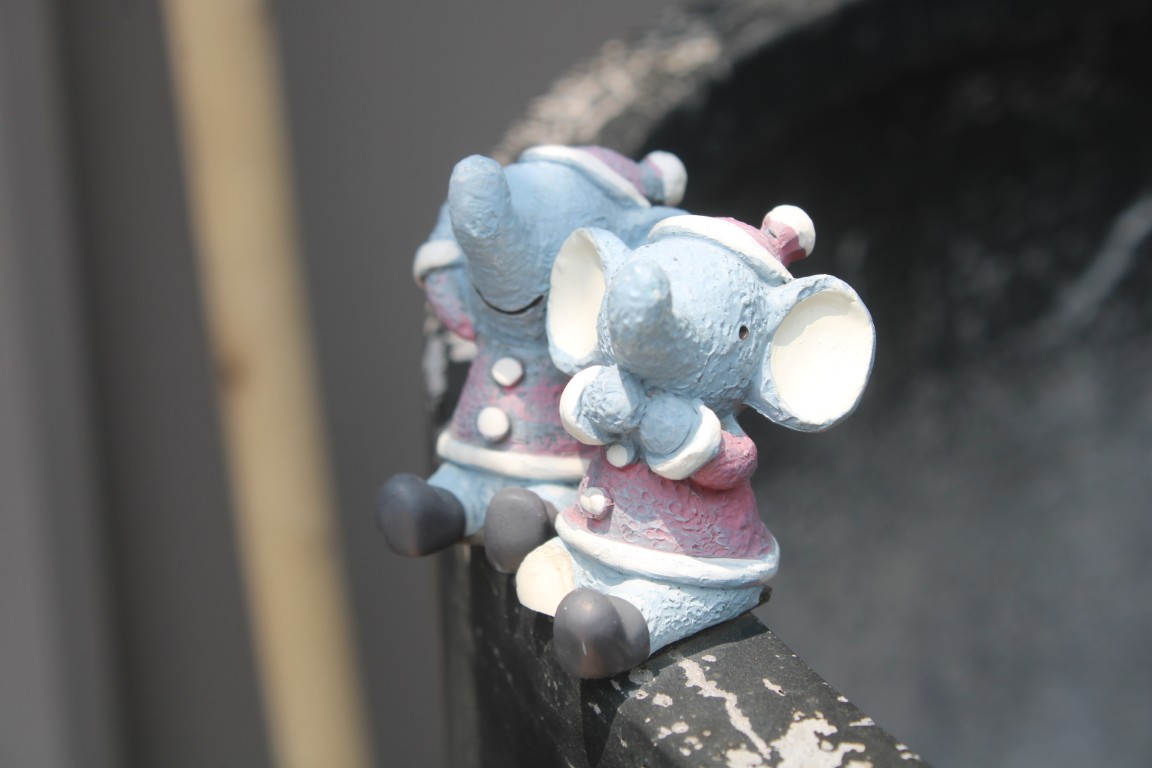
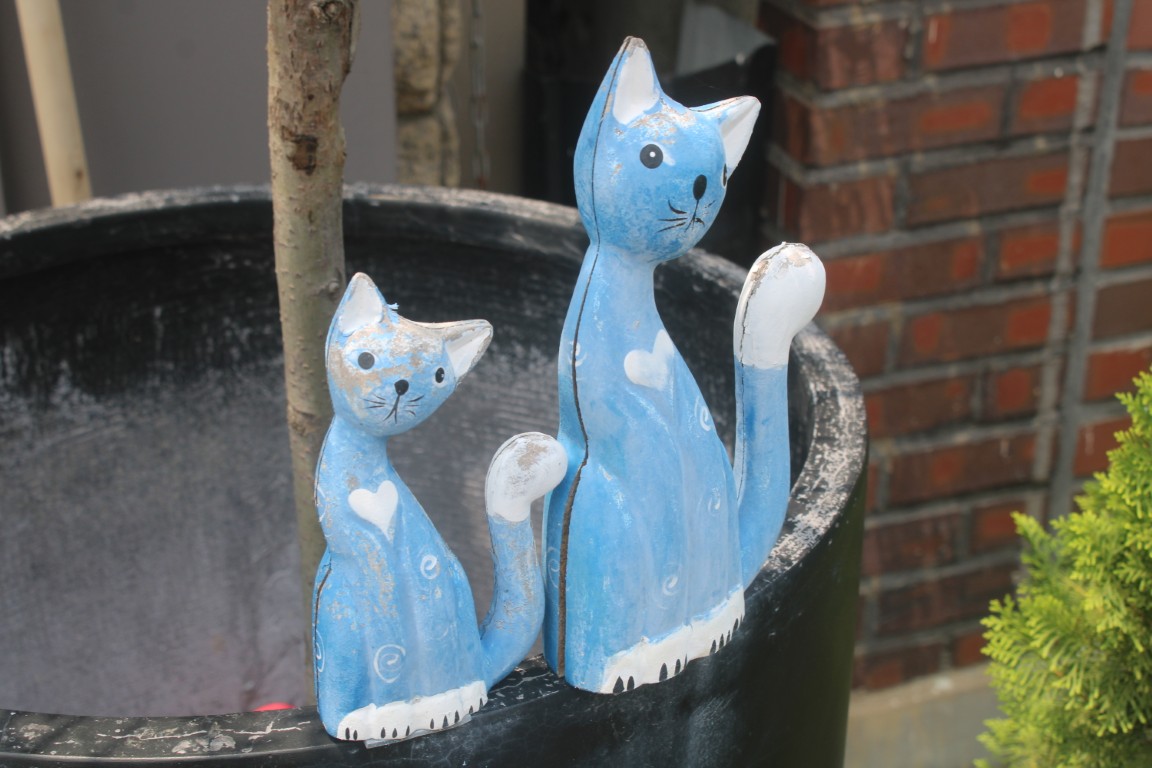
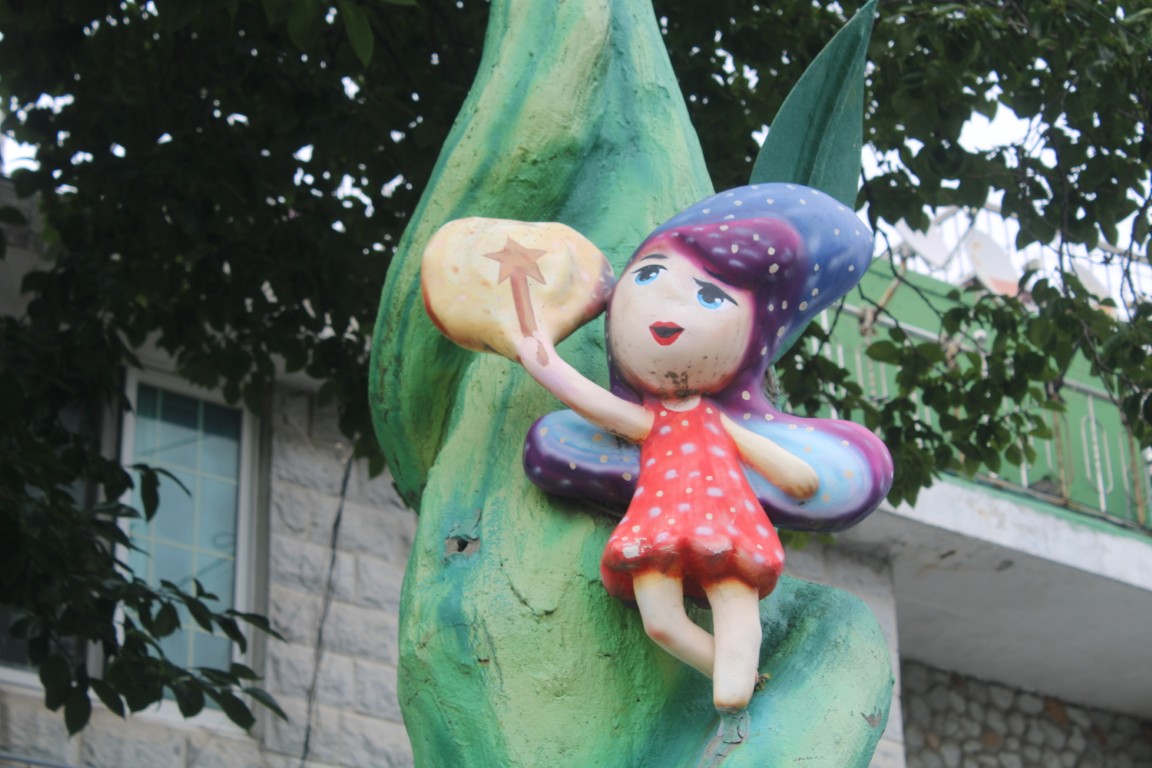
DAILY PHOTO: Tiny Sculptures in Seoul

Goblin [Free Verse]

After dark —-
A city park —-
There runs the thing
That comes to life
By night.
Caged in stillness
Through sunlit hours.
Its night persona
Is blurred movement
Seen only from the
Corner of an eye.
It stays near deep shadow,
Beyond the lamp lit arcs.

Where is it?
No one knows,
But if one were to
Check the cathedral
Spire, you’d find
Only an impenetrable
Void…
until sunup.

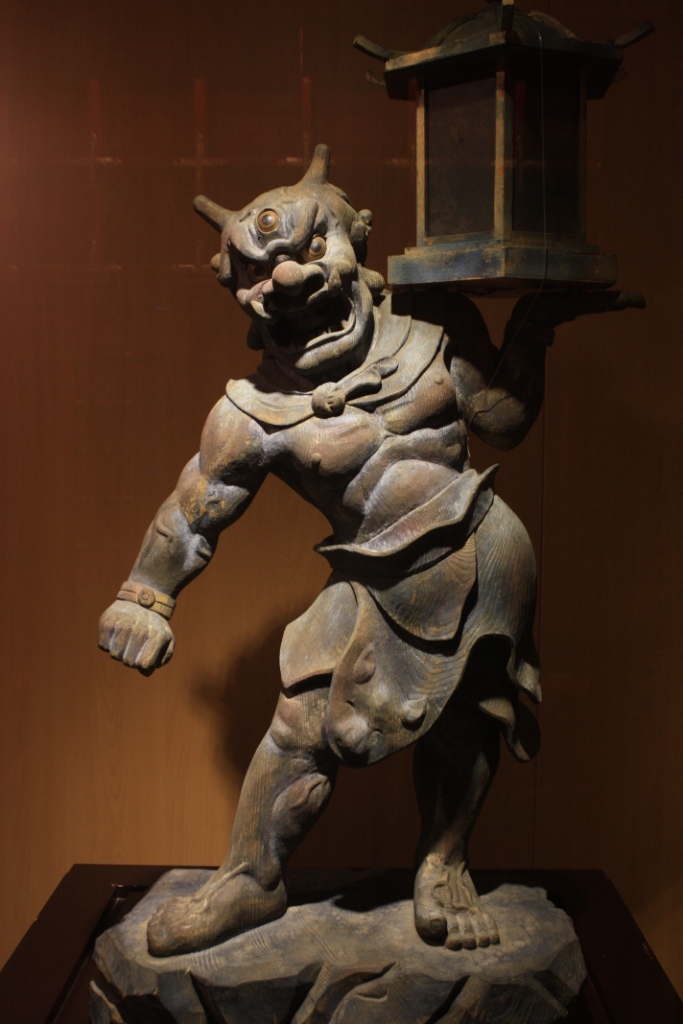
DAILY PHOTO: Oni Sculptures, Temple of the Tooth – Singapore

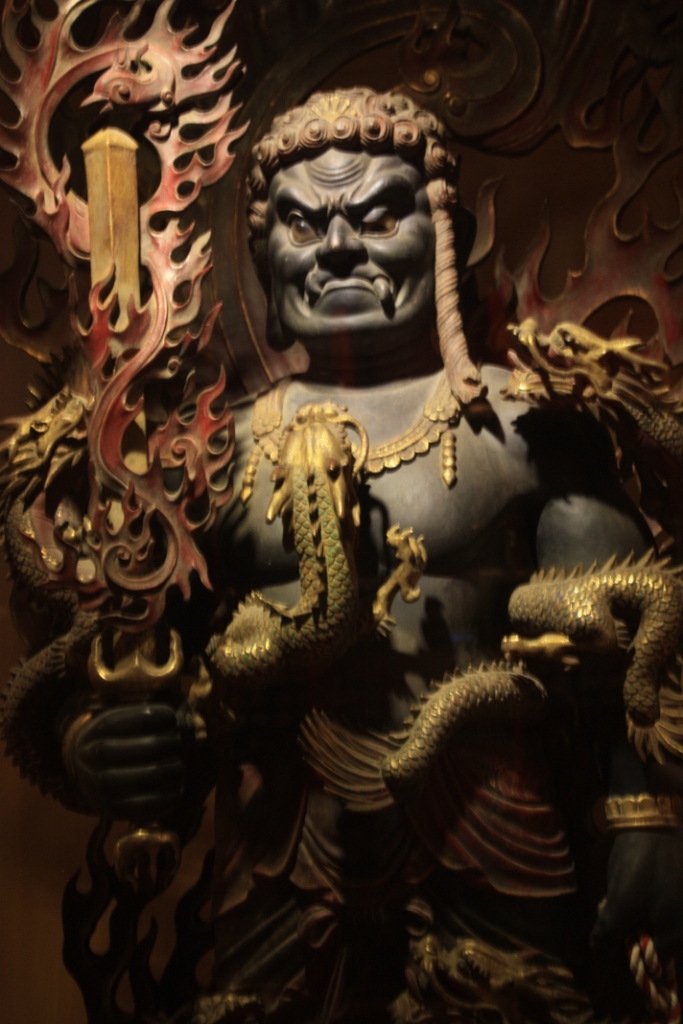
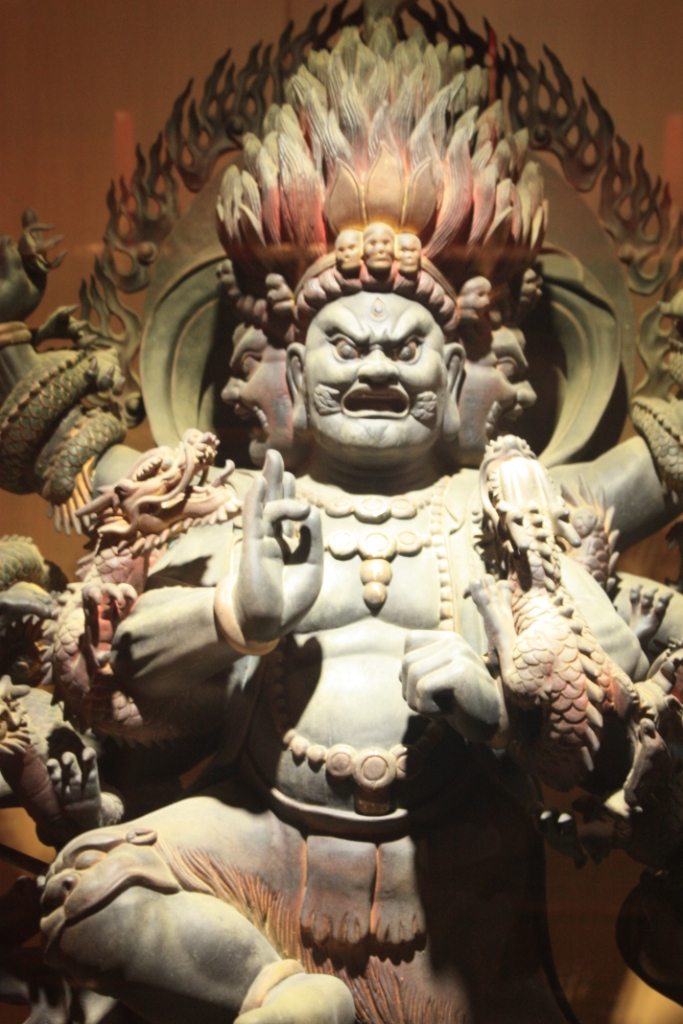
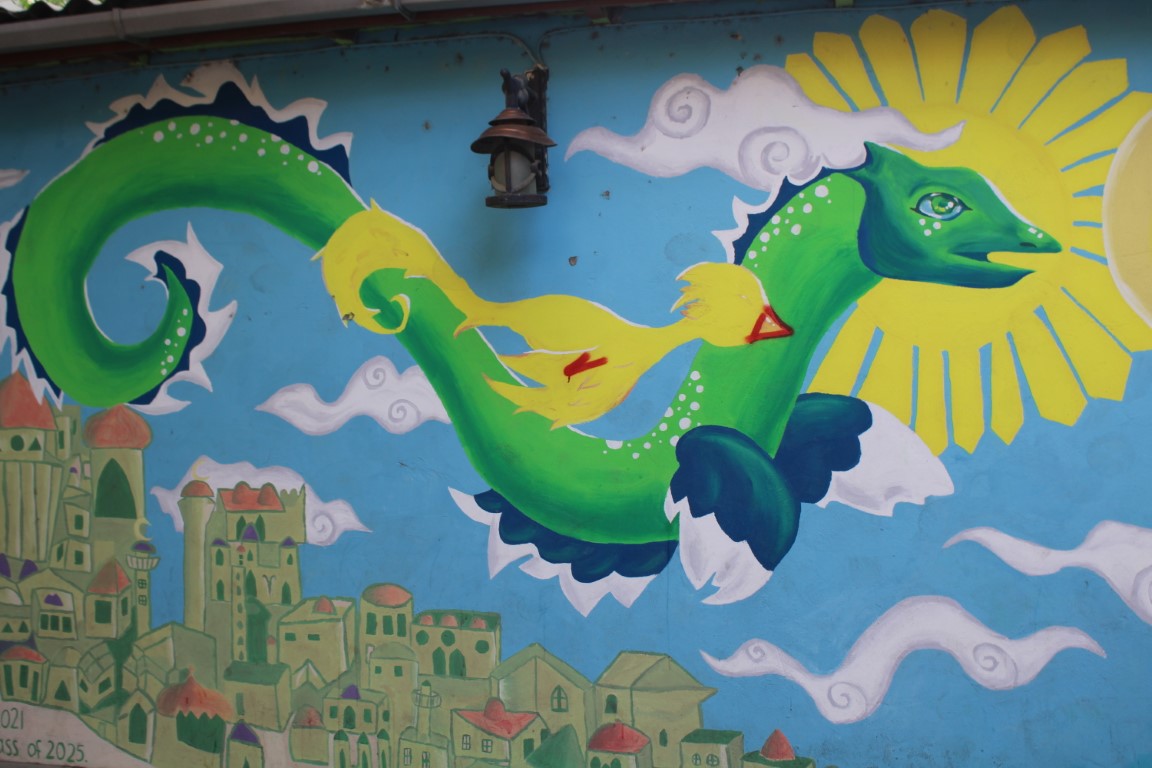
Dragons [Lyric Poem]

I see Dragons on the walls
Of temples and market stalls.
From Shanghai to London way,
I've seen them by night and day.
I've seen them skewered by St. George
And belching flame like a forge.
I saw one once in Baku,
But never saw one in a Zoo.

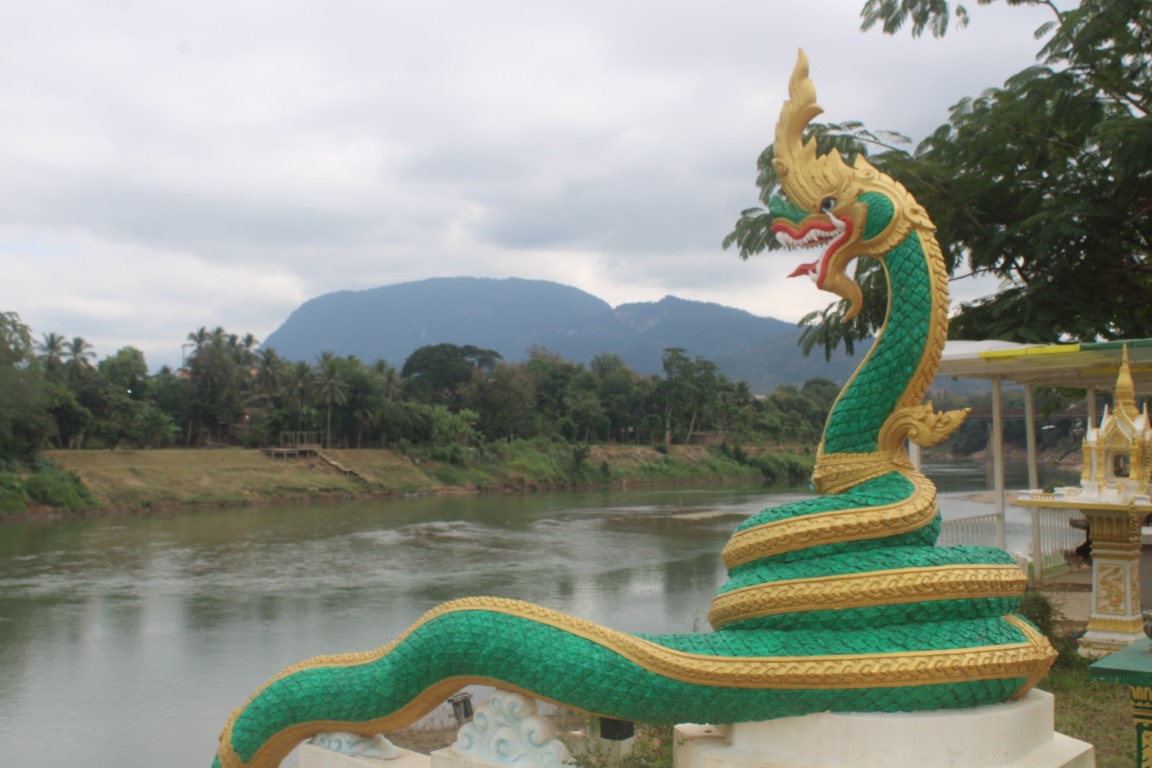
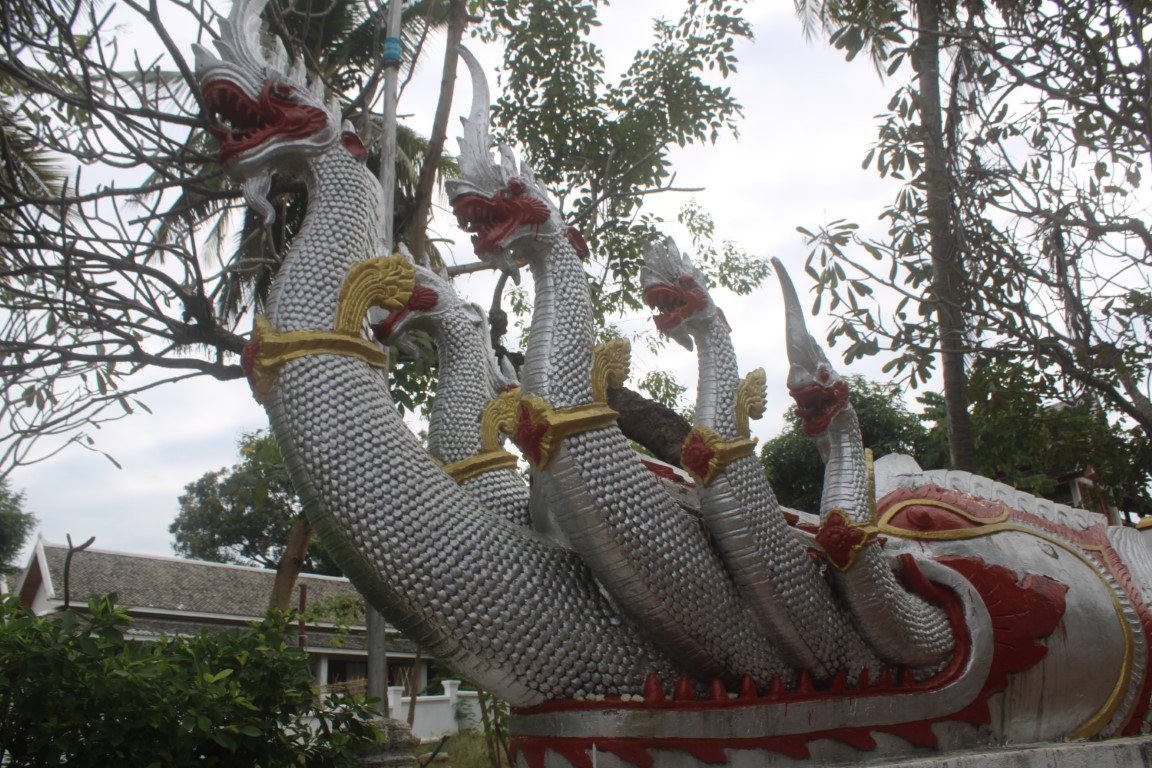
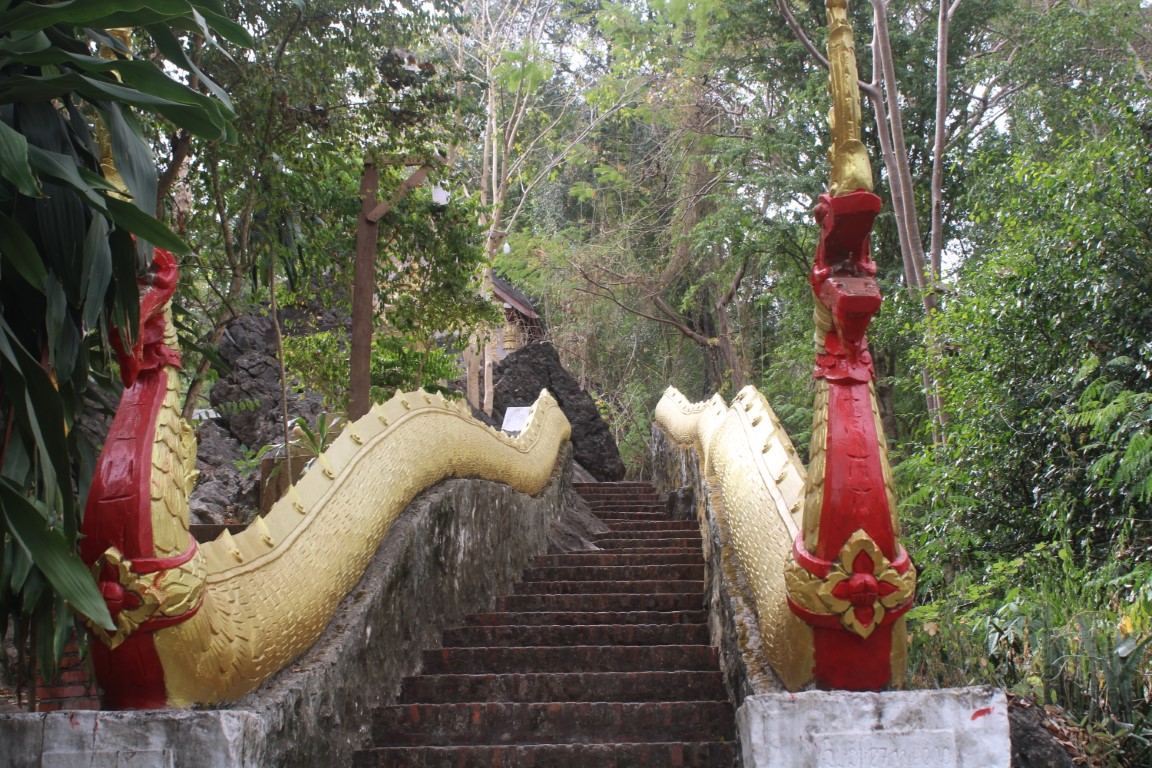
DAILY PHOTO: Guardian Serpents of Luang Prabang

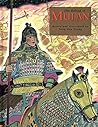
BOOKS:  木兰辞 [Ballad of Mulan] by Anonymous

The Ballad of Mulan: 木兰辞 (Simplified Chinese Characters with Pinyin)The Ballad of Mulan: 木兰辞 by Song Nan Zhang
My rating: 5 of 5 stars

Available online at YellowBridge

This is a short lyric poem (15-1/2 quatrain, or 62 lines) that tells the story of a young woman who disguises herself as a man and joins the military to fill a slot that would otherwise have required her aged and infirm father to serve. The tiny poem packs in ten-plus years, during which Hua Mulan serves with great distinction and then returns home to take care of her parents. It’s a well-known tale that emphasizes the importance of filial piety and sacrifice. Though outside of China (as well as Taiwan and other Chinese cultural enclaves,) many may know it from the Disney version which has been panned for ditching the Confucian values and replacing them with ones that were thought would resonate better with a Western audience.

The poem is mostly arranged in quatrains of five-character lines with alternate line rhymes.

It’s a quick read and there is no room for the detailed tales of heroism that are depicted in adaptations.

If one is looking for a culturally insightful telling of the story of Hua Mulan, this is the right place to look. I’d highly recommend reading it.

View all my reviews

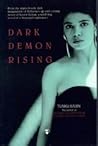
BOOKS: “Dark Demon Rising” by Tunku Halim

Dark demon risingDark demon rising by Tunku Halim
My rating: 4 of 5 stars

Author Site

On one level this is a folklore-based tale of horror, but – on another level – it is a commentary on tribal village life versus modern life in the super-tribal metropole.

The lead character, Shazral, comes from a long line of Shaman — medicine men. However, in the opening chapter we find that he has moved to the big city, Kuala Lumpur, and has become a successful lawyer. He has a nice office, a big salary, and a fashionable sportscar. He thinks he has it all. Then he’s called to return to the village to see his dying father. Son and father haven’t been on speaking terms because the father wanted Shazral to continue the Shamanic line, but Shazral wanted to escape the village and the strained familial situation that existed since his mother died during his youth. His return sets events in motion, events that will both show his beloved city life isn’t all it seems, as well as drawing him into the family business.

I enjoyed the story and think it was well-crafted and evocative. The backstory provides powerful motive, and the characters are distinctive and worthy of the reader’s consideration. There were a number of typos in the edition that I read (none were detrimental to understanding the story, but they could break the flow of reading.)

I’d recommend this book for readers interested in tales of horror rooted in folklore (in this case Malaysian folklore) and shamanism.

View all my reviews