BOOK: “Angel at the Earth’s Extremes” by Chūya Nakahara [trans. & ed. by Jeffrey Angles]

Angel at the Earth's Extreme: Collected PoemsAngel at the Earth’s Extreme: Collected Poems by Nakahara Chuya
My rating: 5 of 5 stars

Publisher Site — Penguin Classics

Release date: August 4, 2026

Chūya Nakahara was a Japanese poet who lived in the early twentieth century and who wrote in both classic Japanese forms (notably Tanka) as well a modern Western-influenced styles, particularly from the French avant-garde movement — e.g. Dadaism. Though he lived only to the age of thirty, Chūya left a substantial body of poems. He only published one collection during his lifetime, and had edited a second that came out posthumously, but the volume under review includes many previously uncollected poems as well.)

While only the Tanka poems early in the book are of classical Japanese form, Japanese literary influence shows up throughout, such as via seasonality. I took particular note of a focus on Autumn, followed [not chronologically, but in terms of volume,] by Winter, which may give insight into the tone of the volume. Of course, I didn’t count season words, so it might be a reflection of what resonated in my reading. But there is also a certain haiku-esque feel that appears in the author’s descriptions and juxtapositionings.

I enjoyed the language of these poems, particularly in description of sensory experience, which I presume owes both to Chūya and to the translator, Jeffrey Angles. Some examples include: “moonlight makes no sound // as it pools on the grass…”; “Rustling like rice husks, // Rough and dry as a loofa“; “dark against the night sky, // fig leaves stir in the wind // through the gaps, sky appears // –a beautiful woman // missing her front tooth, // standing gracefully // under the nighttime sky.

I’d highly recommend this book for poetry readers.

View all my reviews

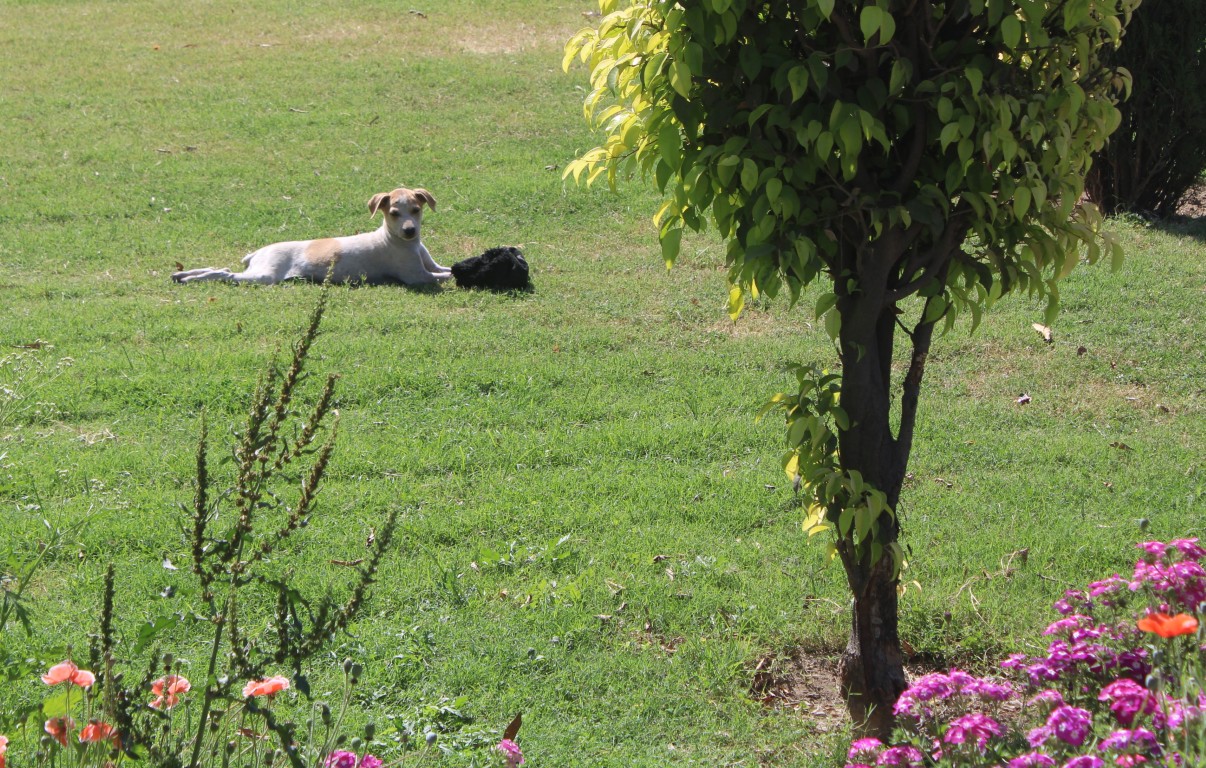
Playful Thief [Kyōka]

Photograph taken in Lucknow, India in the garden of the Mushir Zadi tomb.
puppy guards 
a stolen garment
it hopes owner
will attempt to retrieve,
so that play can ensue.

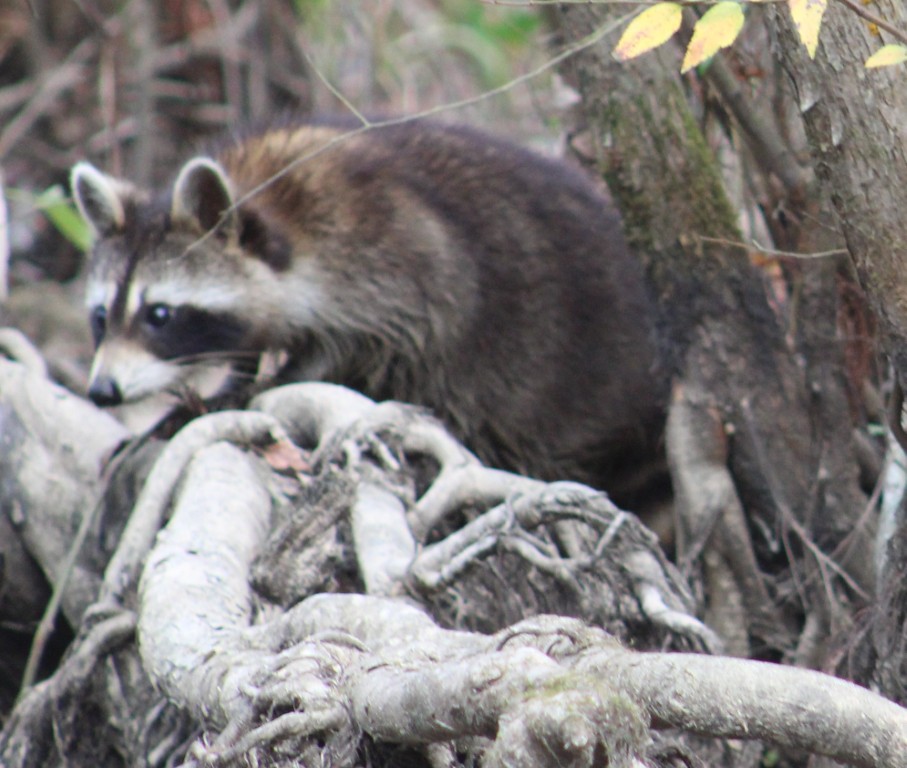
Stalker [Kyōka]

Photograph of a raccoon taken in the Pearl River Wildlife Management Area near Slidell, Louisiana.
stealthy raccoon 
stalks up on trashcans -
as lion to gazelle.
having reached its target,
sends lid clattering down.

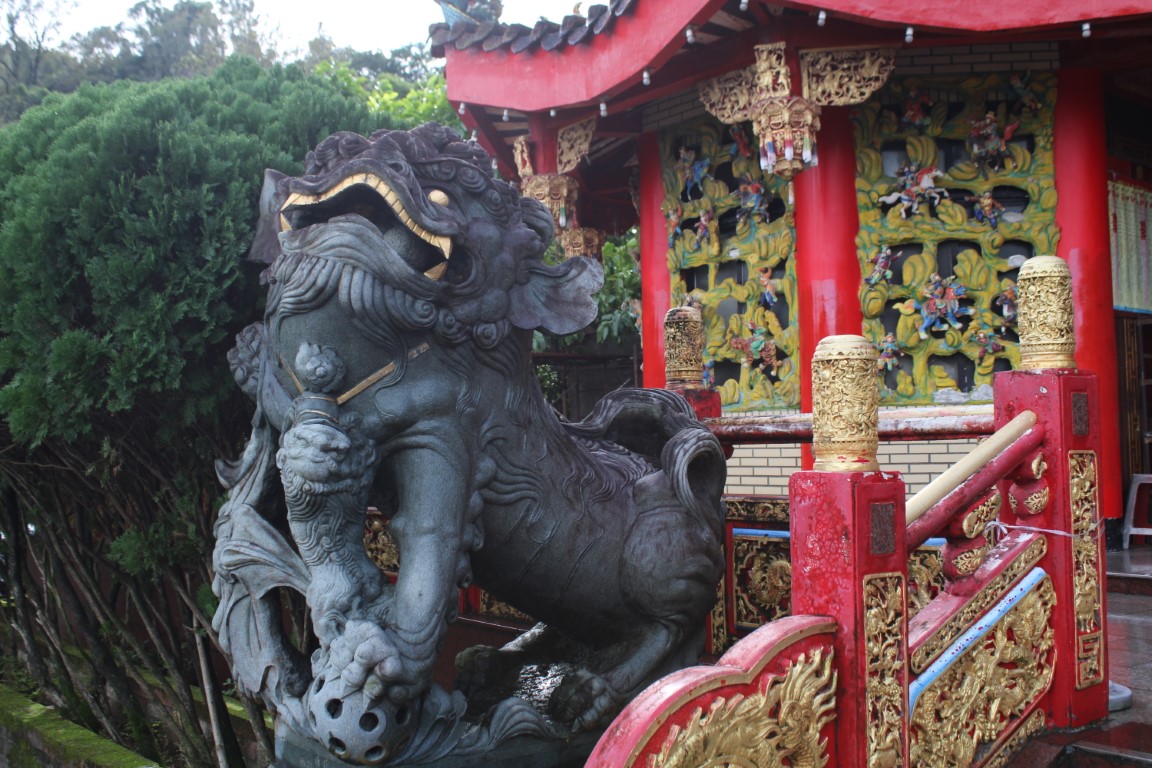
Guardian [Kyōka]

Photograph of a Guardian Lion (Fu Dog) at a temple on Elephant Mountain near Taipei, Taiwan.
some swear guardians
come to life -- dancing through
the temple yard...
but only Autumn nights, and
after a calabash of wine.

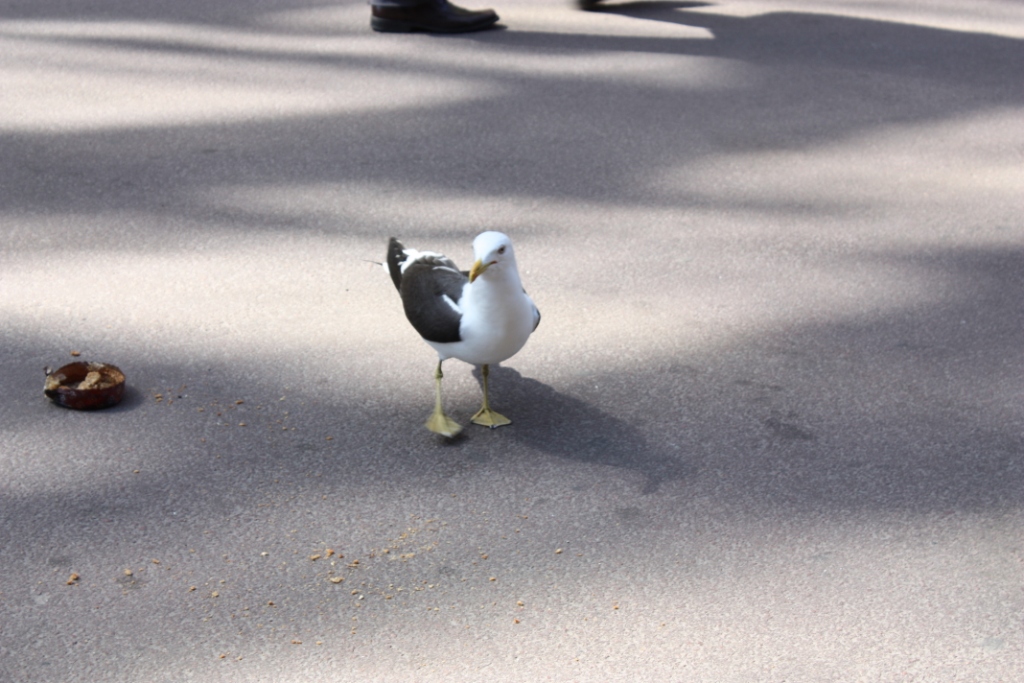
Foot-tapping Seagull [Kyōka]

Photograph of a Seagull near the fish market in Helsinki, Finland.
a Seagull stands 
at a respectful distance
from a fish stall,
waiting for the fishmonger
to do the right thing.

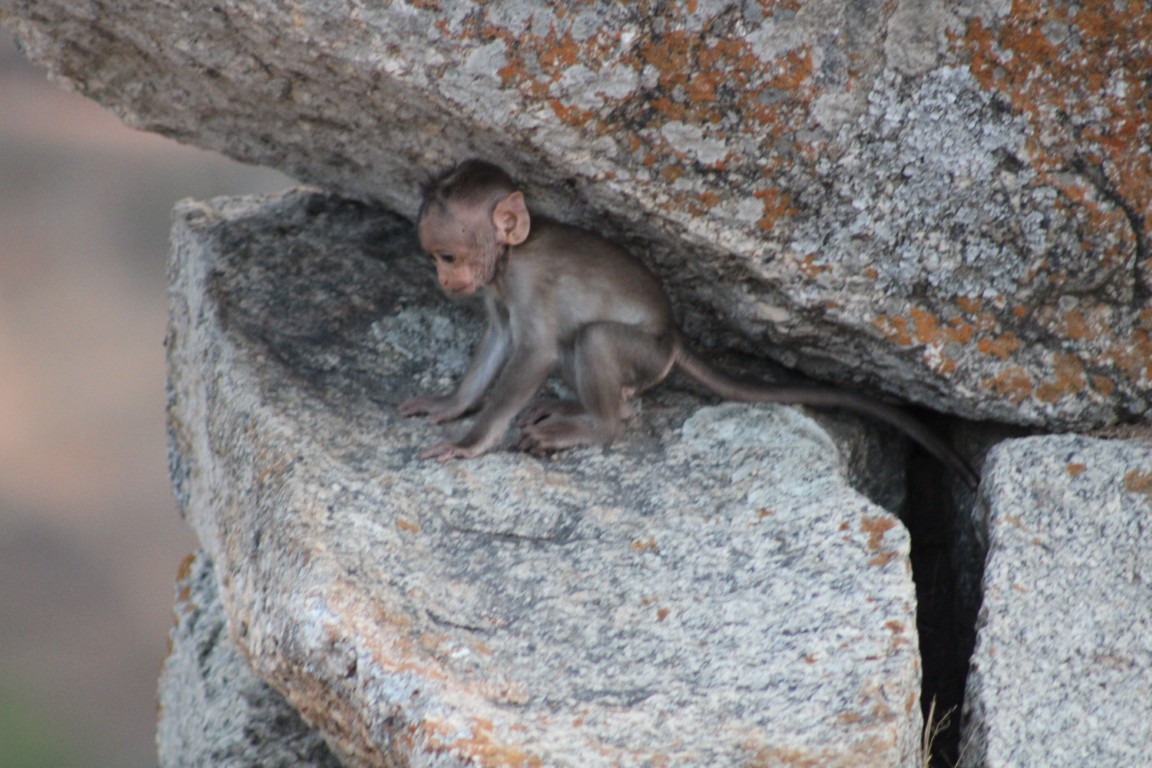
Baby Monkey Wisdom [Kyōka]

Photograph of a baby Macaque taken at Gudibande Fort in the Chikkaballapur District of Karnataka, India.
the fixed boulder
makes great shelter;
rolling boulders
make monkey paste:
how do baby monkeys know?

Disappointed Sparrow [Kyōka]

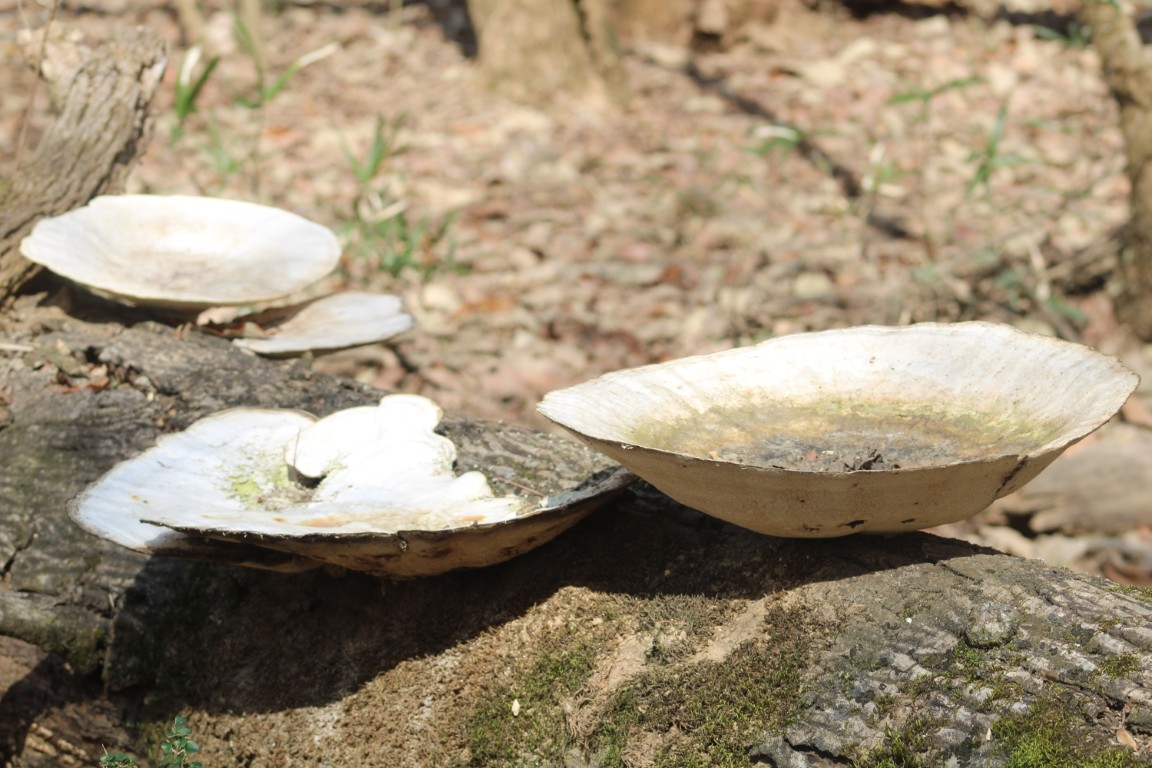
Photograph of a large, bowl-like, mushroom stuck to a tree in a forest. Taken along the Big Creek Greenway in Alpharetta, GA.
birdbath grows from
fungus on a dead log;
flitting sparrow
is disappointed to find
no water remains within.

False Heralds [Tanka]

Photograph of Tbilisi, Georgia in the Spring with wildflowers in the fore and city as backdrop.
city landscapers
find year-round blooms for planters,
but I'll await
the wildflowers that grow
way up on the hillside.

Stump Gator [Kyōka]

Photograph of a young alligator resting on a stump in the Louisiana bayou, near Slidell.
Gator rests on stump.
but my mind cannot rest.
it's not "gator"
and "stump" in the same place,
but in the same sentence.

Pristine Garden [Kyōka]

A photograph of gardens in the Daereungwon Tomb Complex in Gyeongju, South Korea.
Even in the 
pristine palace garden,
gardeners refuse
to chase one stray, wind-blown leaf
that tumblers over pavers.