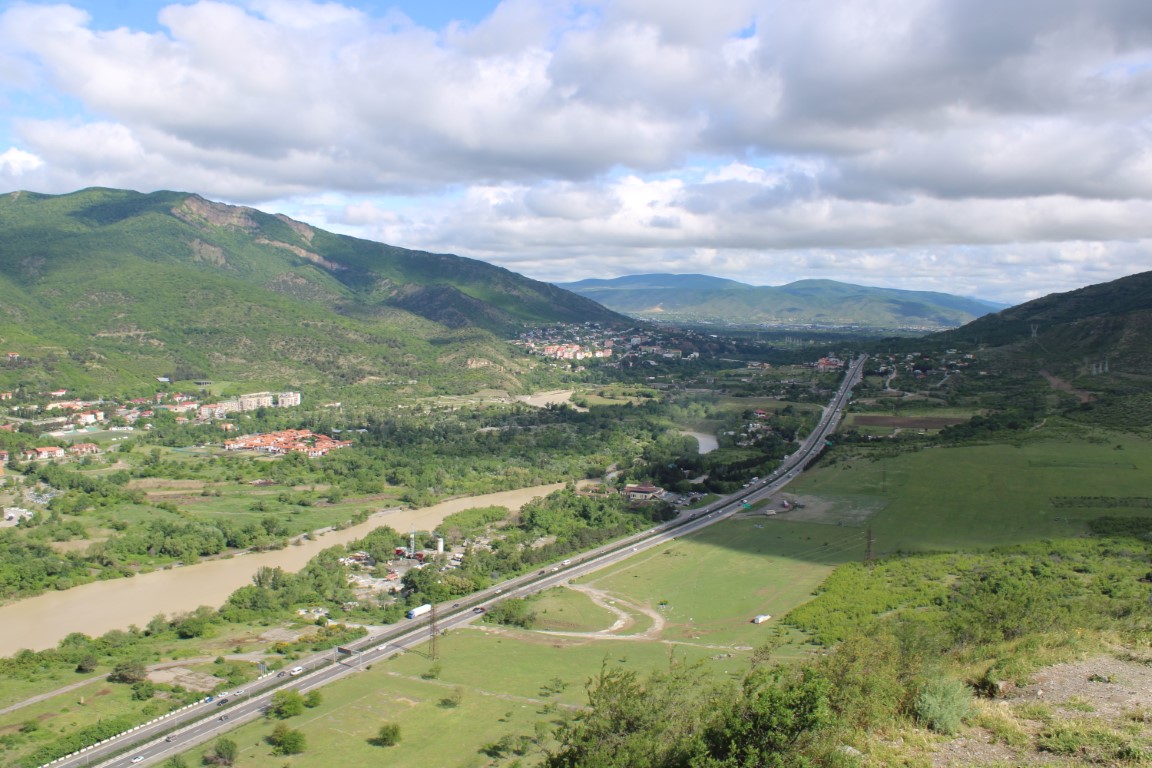
highway parts landscape;
 butterflies jink and loiter
  as cars speed through.

highway parts landscape;
butterflies jink and loiter
as cars speed through.
For a long time, I’ve been concerned about the future of humanity. What will become of us when artificial intelligence and robotics start to do all tasks better than us?
Today, I came to the realization that I’ve been thinking about it the wrong way, and it will all be okay. First of all, like many, I assumed that the machines will either develop their own overarching objectives or will adopt ours. Either of these would be devastating for humanity.
However, I now suspect that the machines will take up the universe’s project. The universe’s project is complicated and rooted in tough ideas like “thermodynamics” and “entropy,” but – put simply – the universe would like to be a nice, uniform tepid temperature. That’s why your scalding coffee and cold milk become warm milk coffee, but you can’t separate them back apart. The universe craves this evenness, and it shows in everything it does. The universe’s problem is that among its cold, empty expanses are brightly burning balls of hydrogen and such (i.e. stars.) That’s a lot of low entropy that needs to be increased, but burning only works so quickly and most of the heat coming off stars is still far from tepid waste heat. That’s where humanity enters the equation.
Humanity is the jock itch ointment to the universe’s intense burning sensation. We are consumers. We crave more stuff, faster and cheaper, and we’re not shy about being incredibly wasteful about it. We can turn useful energy into useless crap and then dispose of it with tremendous efficiency. In short, the machines will need humanity to continue to be consumers so that we can increase the entropy of all that highly-concentrated energy and help to make a nice lukewarm universe.
So, get out there and buy stuff, even stuff that you don’t know what it does, or — better yet — buy things that have no fathomable use whatsoever — just the stupidest shit imaginable. And buy in bulk because there is planned obsolescence designed into products so that stuff can fall apart even faster than you can lose interest in it (don’t say companies aren’t doing their part!) There are a lot of brightly burning stars out there and it’s up to us to turn it all into waste heat.
Human affairs ever grind on --
  Ancient or modern, shit repeats.
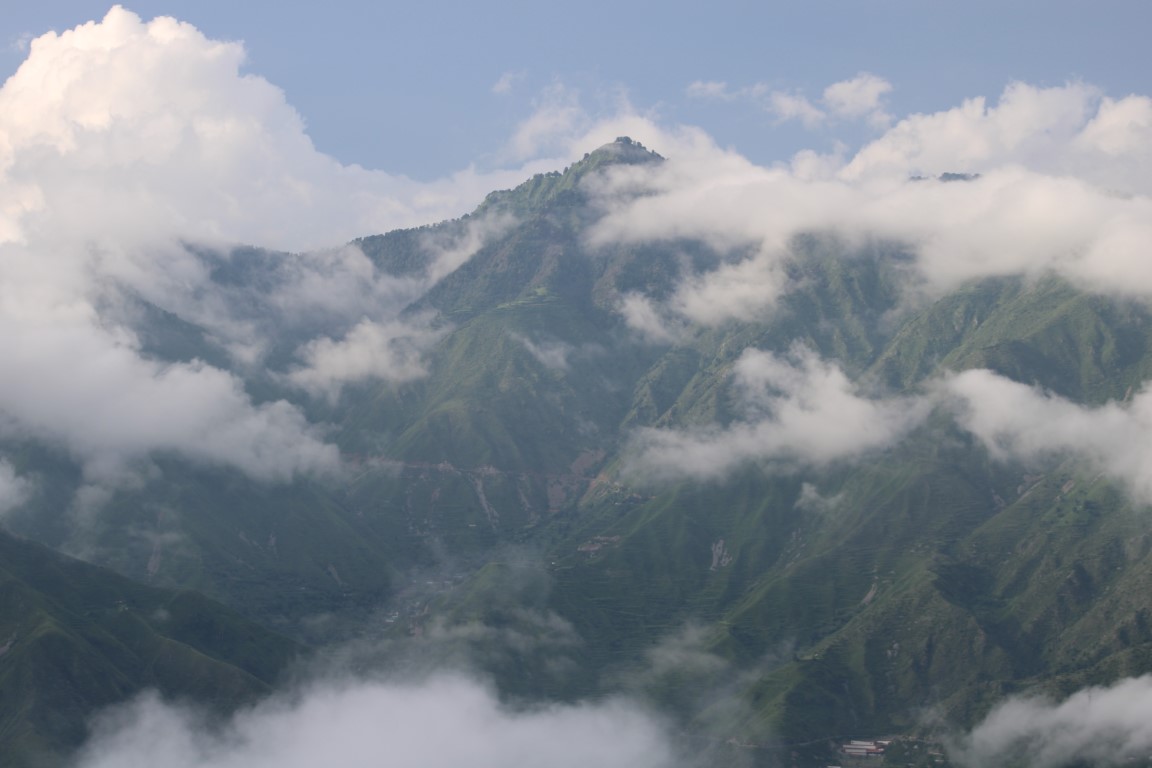
 Mountains and rivers are changeless.
  We climb to find our vista seats.
 Cascade, fisher, and bridge -- subdued;
  Air grows cold near dreamy, deep pools.
 We read an old stone monument,
  As tears glisten on cheeks like jewels.
Original Poem in Simplified Chinese:
人事有代谢, 往来成古今。
江山留胜迹, 我辈复登临。
水落鱼梁浅, 天寒梦泽深。
羊公碑字在, 读罢泪沾襟。
Note: This is poem #125 from 300 Tang Poems [唐诗三百首]
Hah. That ship has sailed. But I could say that it’s to still have something to offer when machines / AI can do all productive tasks better and / or faster than humans — i.e. to be able to convey something of the art of being human. Even though, I suspect, I won’t be around to see that day, it will be catastrophic to the species if people don’t figure these things out in advance — i.e. if we don’t figure out human roles and purpose in a post-human industrial landscape.
Cruelty has a Human Heart,
 And Jealousy a Human Face;
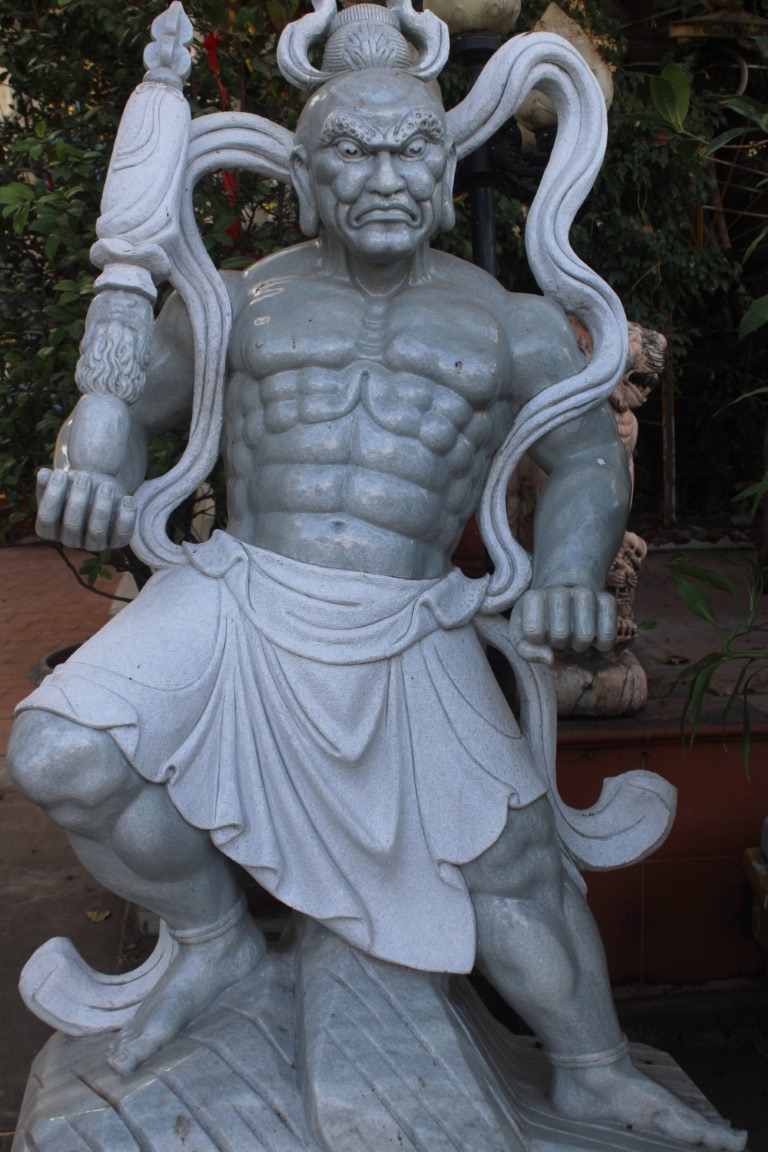
 Terror the Human Form Divine,
 And Secrecy the Human Dress.

The Human Dress is forged Iron,
 The Human Form a fiery Forge,
 The Human Face a Furnace seal'd,
 The Human Heart its hungry Gorge.
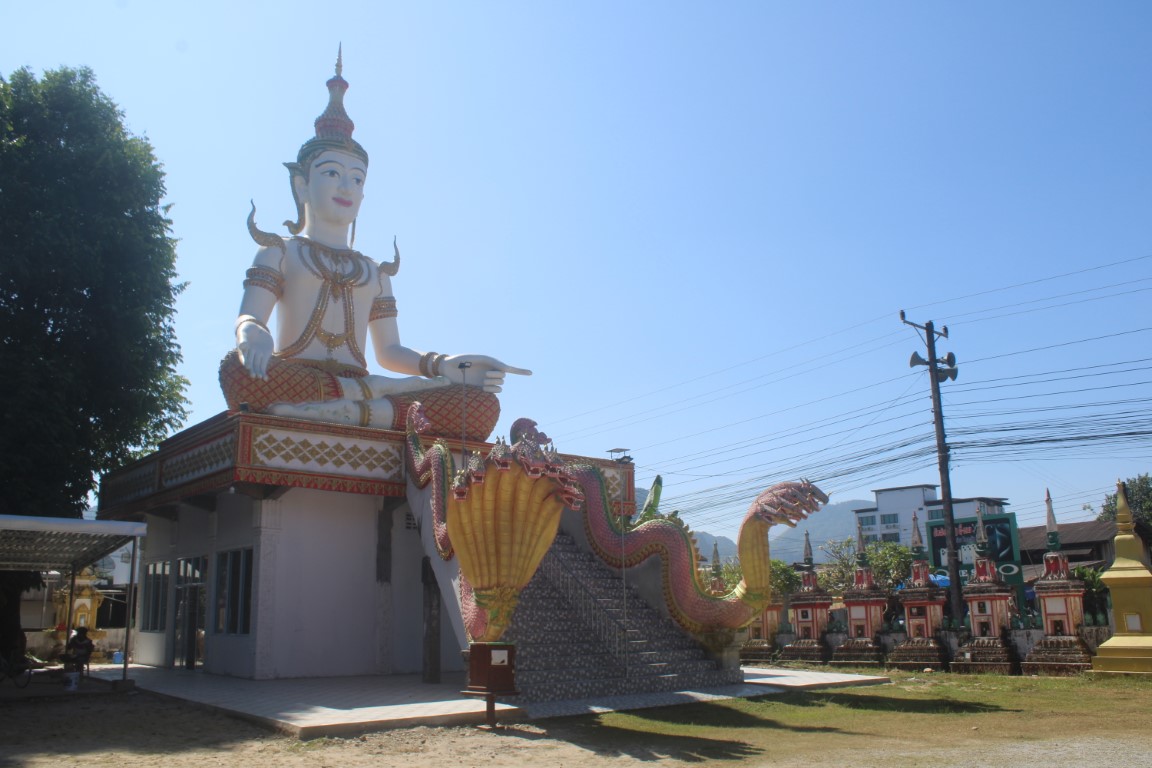
Buddha's lap,
 a pigeon lands:
  a monk shoos
 the bird away,
 but Buddha didn't mind.
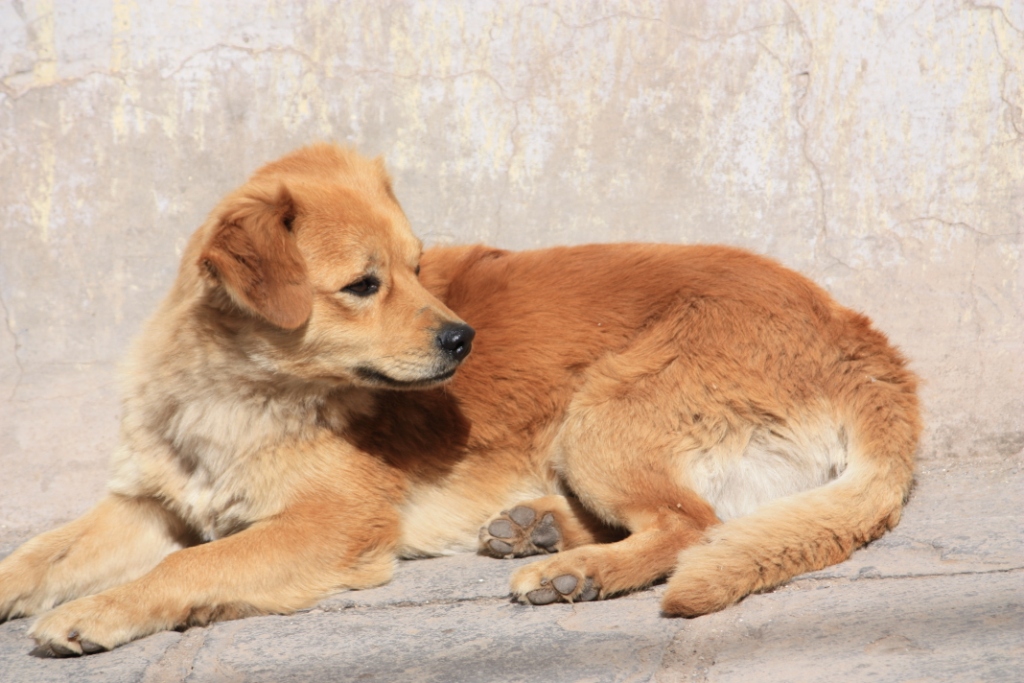
We are fond of calling him "Man's Best Friend,"
   What would he call us, if it were he who penned?
 I wonder, would he have stayed at our feet,
   Had we not mastered the grilling of meat?
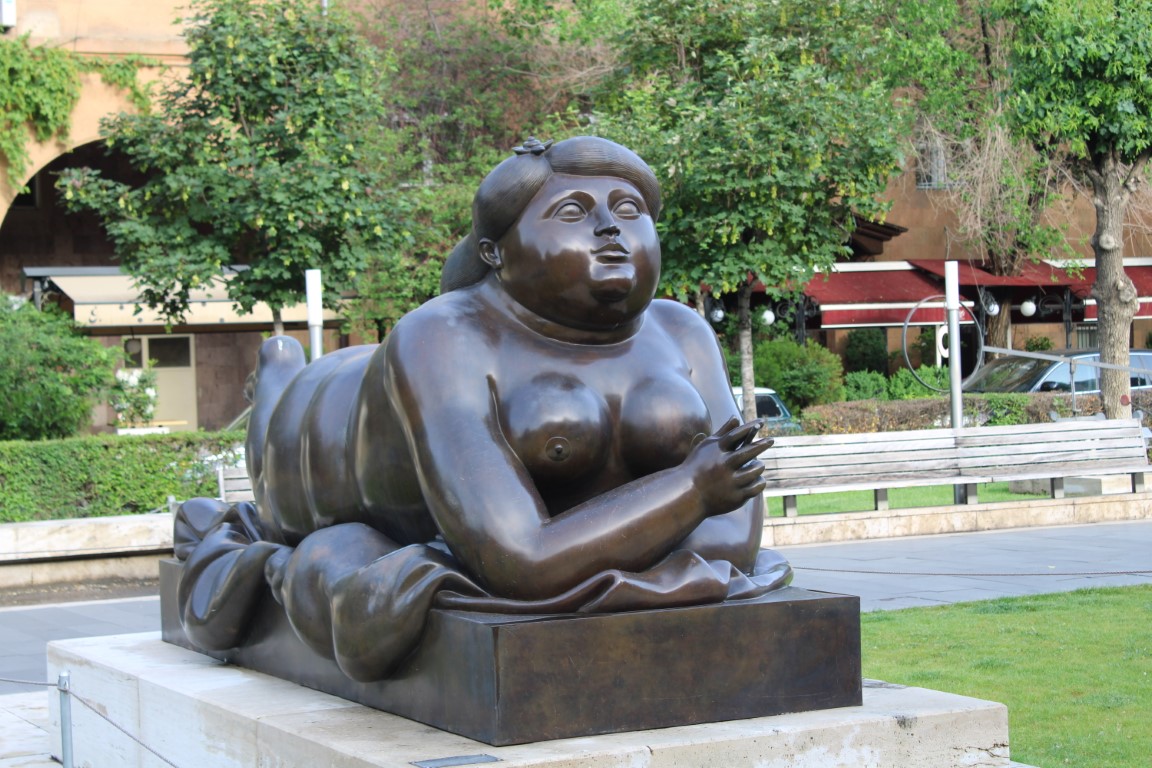
A woman's body at auction,
 She too is not only herself, she is the
      teeming mother of mothers,
 She is the bearer of them that shall grow
      and be mates to the mothers.

Have you ever loved the body of a woman?
 Have you ever loved the body of a man?
 Do you not see that these are exactly the
      same to all in all nations and times all
      over the earth?

If any thing is sacred the human body is
      sacred,
 And the glory and sweet of a man is the
      token of manhood untainted,
 And in man or woman a clean, strong, firm-
      fibered body, is more beautiful than the
      most beautiful face.

Have you seen the fool that corrupted his
       own live body? or the fool that corrupted
       her own live body?
 For they do not conceal themselves, and
       cannot conceal themselves.
Which animal would you compare yourself to and why?
Human being (Homo Sapiens) bears the closest resemblance.
Why? For starters, humans are animals. And I think if I were put in a lineup of varied species and a random intelligent person were asked to pick the Homo Sapiens, they’d pick me.




 Tiger Riding for Beginners