Have you never felt a sort of fear in the face of the ageless, a fear that in that room you might lose all consciousness of the passage of time, that untold years might pass and upon emerging you should find you had grown old and gray?
But our thoughts do not travel to what we cannot see. The unseen for us does not exist.
This was the genius of our ancestors, that by cutting off the light from this empty space they imparted to the world of shadows that formed there a quality of mystery and depth superior to that of any wall painting or ornament.
I wonder if my readers know the color of that ‘darkness seen by candlelight.’ It was different in quality from darkness on the road at night. It was a repletion, a pregnancy of tiny particles like fire ashes, each particle luminous as a rainbow.
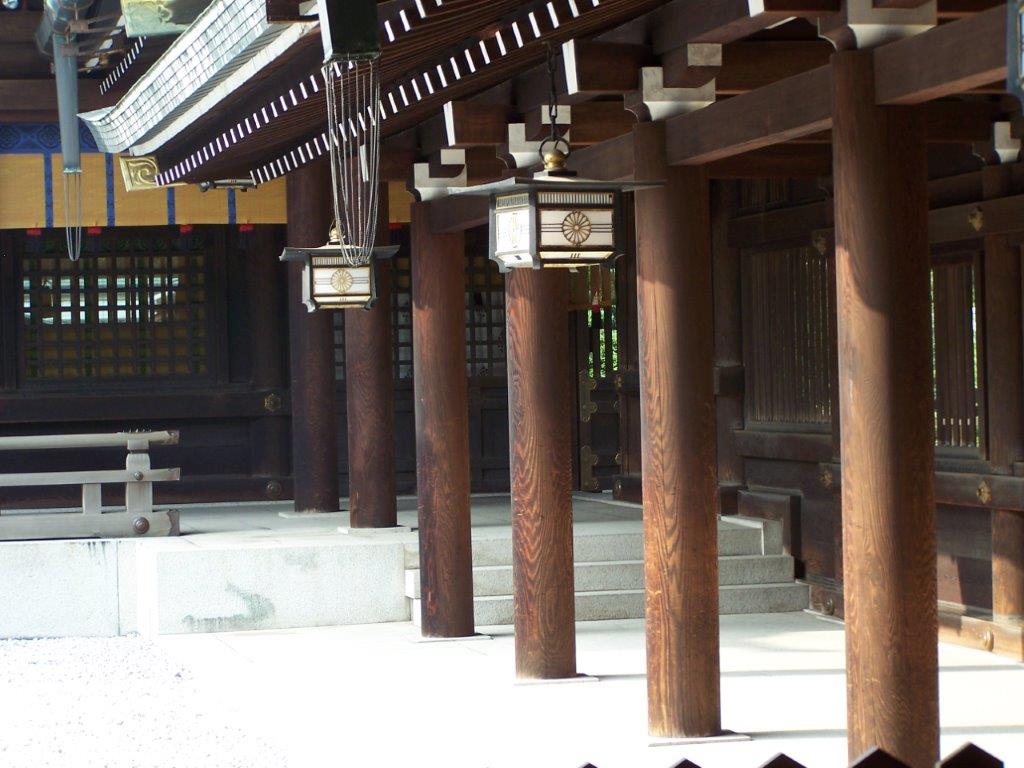
Whenever I see the alcove of a tastefully built Japanese room, I marvel at our comprehension of the secrets of shadows, our sensitive use of light and shadow.
 In Praise of Shadows by Jun’ichirō Tanizaki
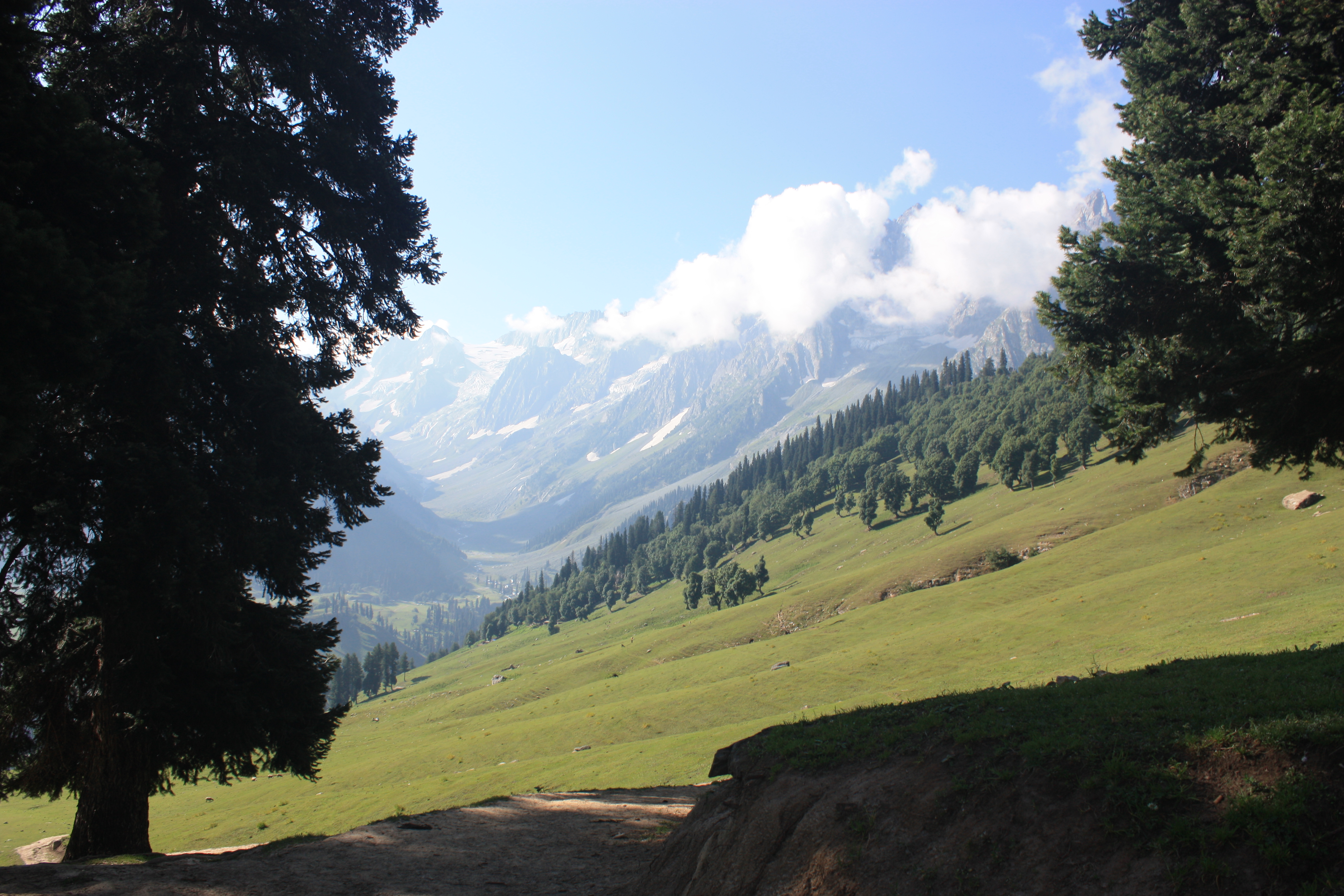
Out beyond ideas of wrongdoing and rightdoing,
   there is a field. I'll meet you there.
 When the soul lies down in that grass,
   the world is too full to talk about.
 Ideas, language, even the phrase each other
   doesn't make any sense.
NOTE: Translation from Persian by Coleman Barks & John Moyne in The Essential Rumi published by Harper Collins.
The Essential Rumi GoodReads Page The NEW Comedy Bible: The Ultimate Guide to Writing and Performing Stand-Up Comedy by Judy Carter
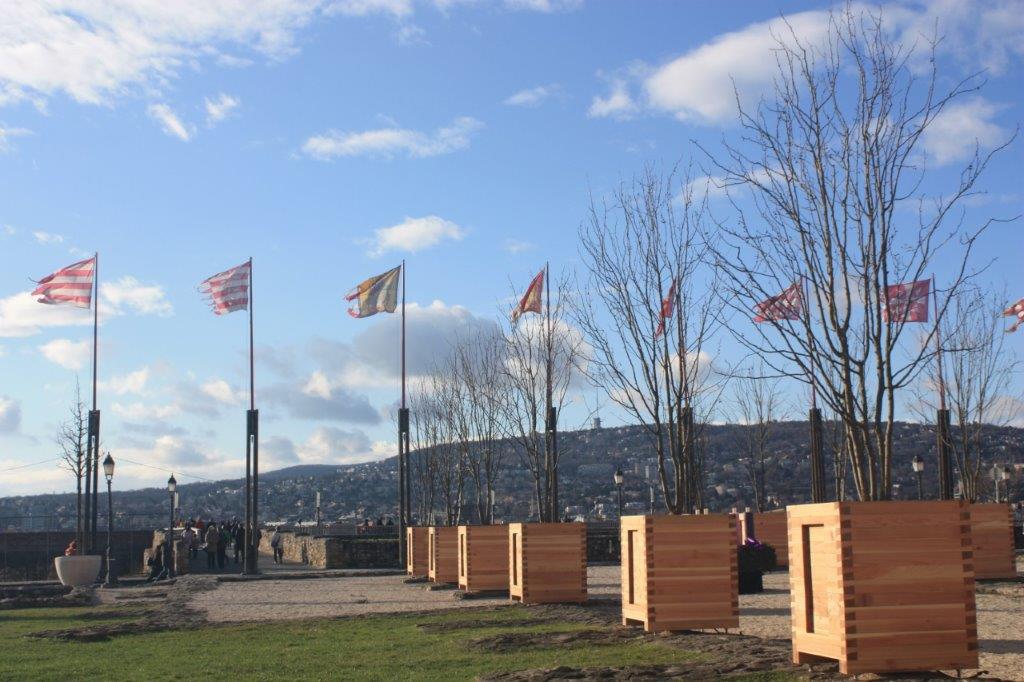
the trees are bare;
 winter winds picked them clean.
  a bird lands, chirps, & flees.

Twelve o'clock.
 Along the reaches of the street
 Held in a lunar synthesis,
 Whispering lunar incantations
 Dissolve the floors of memory
 And all its clear relations,
 Its divisions and precisions,
 Every street lamp that I pass
 Beats like a fatalistic drum,
 And through the spaces of the dark
 Midnight shakes the memory
 As a madman shakes a dead geranium.

Half-past one,
 The street lamp sputtered,
 The street lamp muttered,
 The street lamp said, 'Regard that woman
 Who hesitates towards you in the light of the door
 Which opens on her like a grin.
 You see the border of her dress
 Is torn and stained with sand,
 And you see the corner of her eye
 Twists like a crooked pin.'

The memory throws up high and dry
 A crowd of twisted things;
 A twisted branch upon the beach
 Eaten smooth, and polished
 As if the world gave up
 The secret of its skeleton,
 Stiff and white.
 A broken spring in a factory yard,
 Rust that clings to the form that the strength has left
 Hard and curled and ready to snap.

Half-past two,
 The street lamp said,
 'Remark the cat which flattens itself in the gutter,
 Slips out its tongue
 And devours a morsel of rancid butter.'
 So the hand of a child, automatic,
 Slipped out and pocketed a toy that was running along the quay.
 I could see nothing behind that child's eye.
 I have seen eyes in the street
 Trying to peer through lighted shutters,
 And a crab one afternoon in a pool,
 An old crab with barnacles on his back,
 Gripped the end of a stick which I held him.

Half-past three,
 The lamp sputtered,
 The lamp muttered in the dark.
 The lamp hummed:
 'Regard the moon,
 La lune ne garde aucune rancune,
 She winks a feeble eye,
 She smiles into corners.
 She smoothes the hair of the grass.
 The moon has lost her memory.
 A washed-out smallpox cracks her face,
 Her hand twists a paper rose,
 That smells of dust and old Cologne,
 She is alone
 With all the old nocturnal smells
 That cross and cross across her brain.'
 The reminiscence comes
 Of sunless dry geraniums
 And dust in crevices,
 Smells of chestnuts in the streets,
 And female smells in shuttered rooms,
 And cigarettes in corridors
 And cocktail smells in bars.

The lamp said,
 'Four o'clock,
 Here is the number on the door.
 Memory!
 You have the key,
 The little lamp spreads a ring on the stair;
 Mount.
 The bed is open; the tooth-brush hangs on the wall,
 Put your shoes at the door, sleep, prepare for life.'

The last twist of the knife.
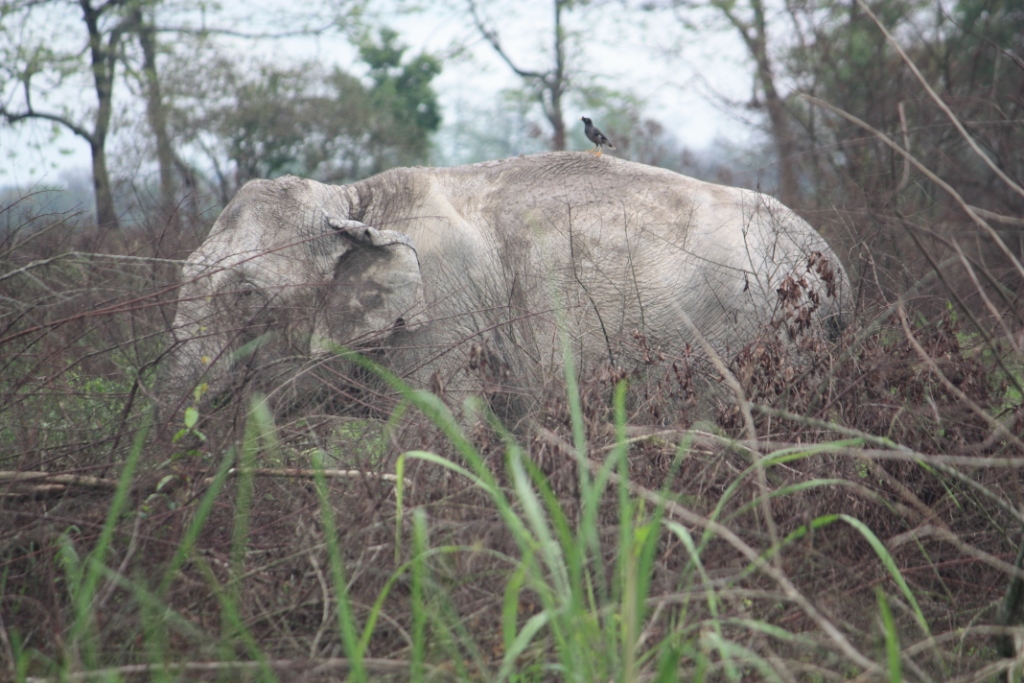
Yes, frequently. Even in the city where I live, Bangalore, I see black kites, herons, and egrets on a daily basis, as well as the occasional monkey (macaque.) [Notably, Bangalore — like Mumbai — has had issues with Leopards in the city, but I’ve never seen them.] But when I travel to wilderness areas, there’s lots of wildlife to be seen. A couple weeks ago I visited Ranganathittu Sanctuary and saw marsh crocodiles, macaques, pelicans, and painted storks. In India, I’ve seen rhino, wild elephant, mongoose, cobra, and many other creatures. In Africa, I’ve seen most of the big ones (lion, elephant, hippo, giraffe, zebra, cape buffalo, etc.)
I was just learning from the wildlife in the park this morning as I watched chipmunks scurry around in a circle of ravens, and that kind of surprised me that the chipmunks didn’t seem phased. I see ravens eating bigger rodents (city rats are about the size of housecats,) but they made no moves on the chipmunks. Maybe chipmunks have stronger kung fu, or maybe they just don’t have enough meat on the bones. I don’t know.
 Everyday Shakespeare: Lines for Life by Ben Crystal