BOOK: “Night Lights” by Molnár József & Péter Szilas

Night lights (Our Budapest)Night lights by Jozsef Molnar
My rating: 4 of 5 stars

Publisher – Atlantisz

Budapest was a city on the cutting edge in the 19th century. This fact is often lost to people who today see it as a city that’s doing okay getting to its feet in the wake of the Cold War, but it’s worth noting that it was a major world capital before that. This is exemplified by the fact that Budapest had the first subway train (Line No. 1., opened in May of 1896.) It’s also seen in the subject of this book, the development of streetlights and lighting of public spaces.

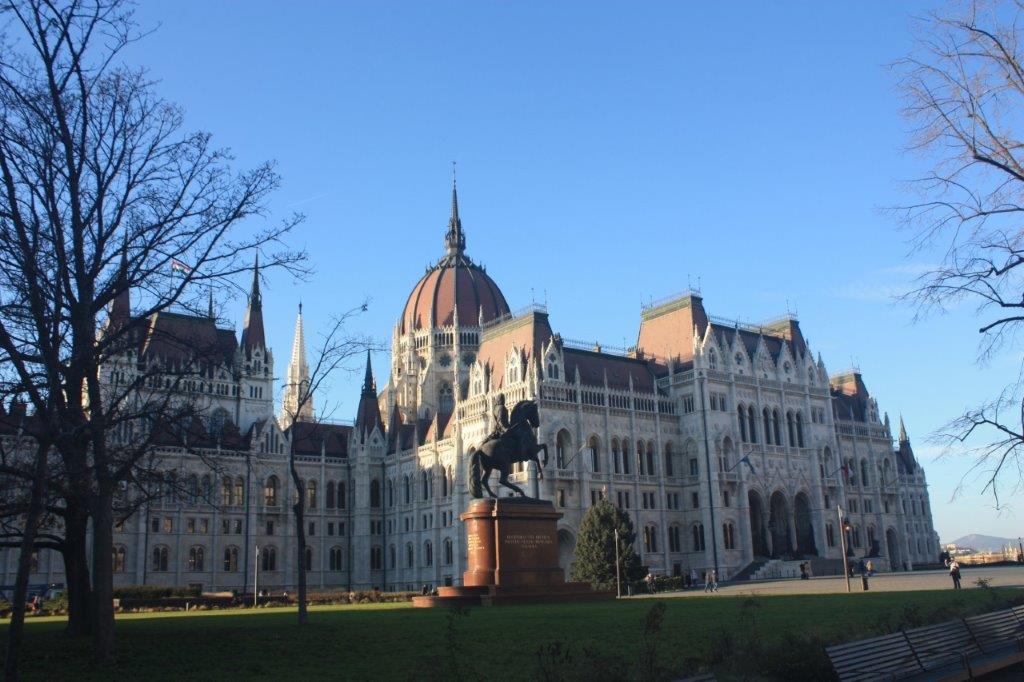
This pamphlet / book of 56 pages is put out by Budapest’s City Hall and includes a great many color photos of important structures, historic and modern, from around the city (all taken at night to display said lighting.) The text covers the history of Budapest’s public lighting from a 1777 decree by Maria Theresa (ruler of the Hapsburg monarchy, 1740-1780) that set the stage for the first street lighting to the post-World War II floodlighting of major sights (e.g. Parliament and the Vajdahunyad Palace.) So, the book covers the period from gaslighting (and oil lighting) through the modern electrical grid, as well as the transition between.

I’d recommend this little book for those interested in the development of cities. It’s fascinating considering what the world was like in the absence of infrastructure that we now take for granted.

View all my reviews

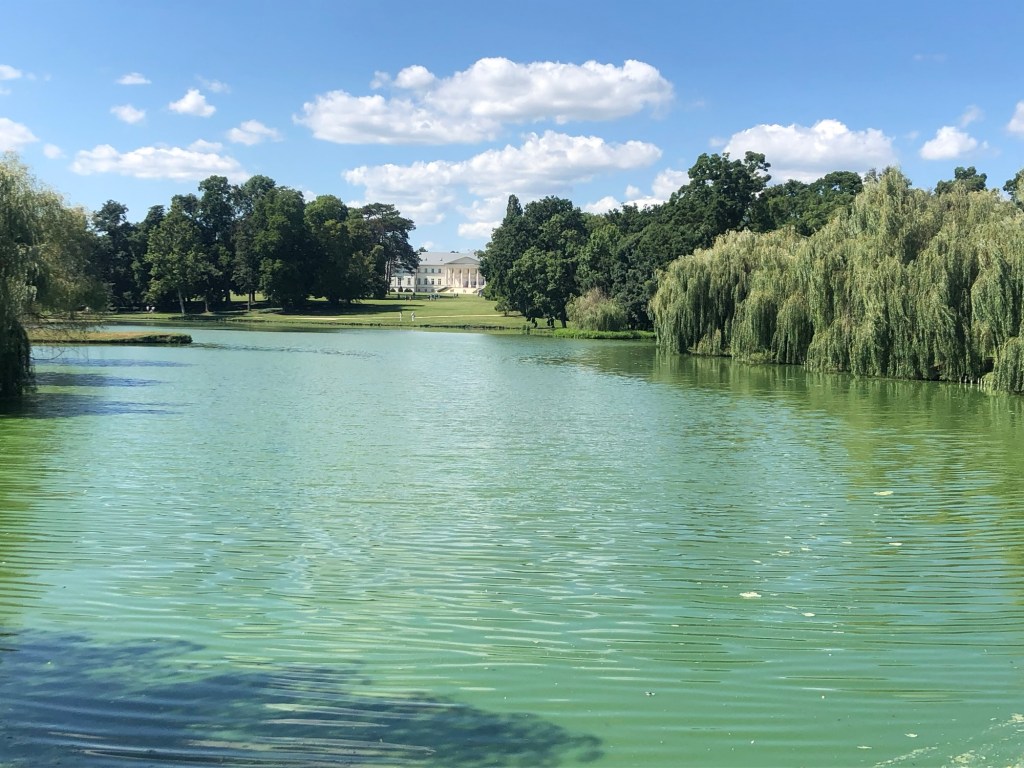
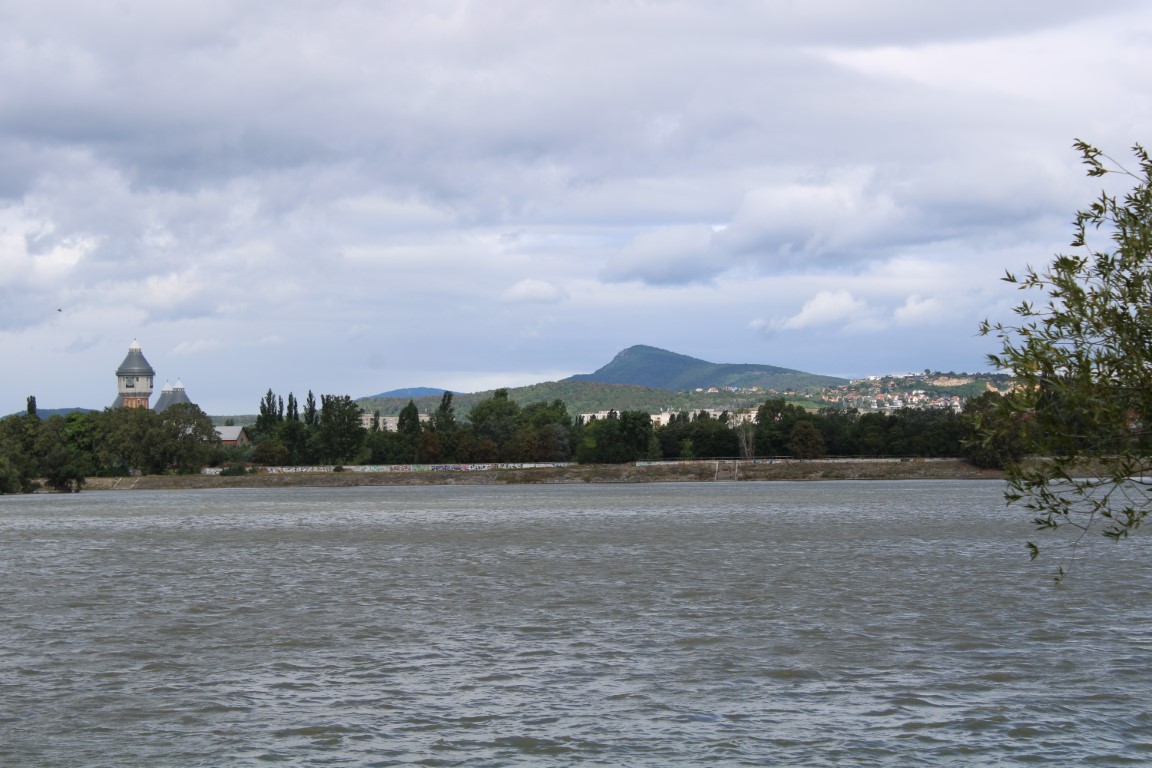
DAILY PHOTO: Dégi Park-tó

HUNGARY LIMERICK

There was a young man from Hungary
who always wore his blue dungarees.
In summer they fit;
in winter, not a whit.
Chimney cake made his thighs thundery.

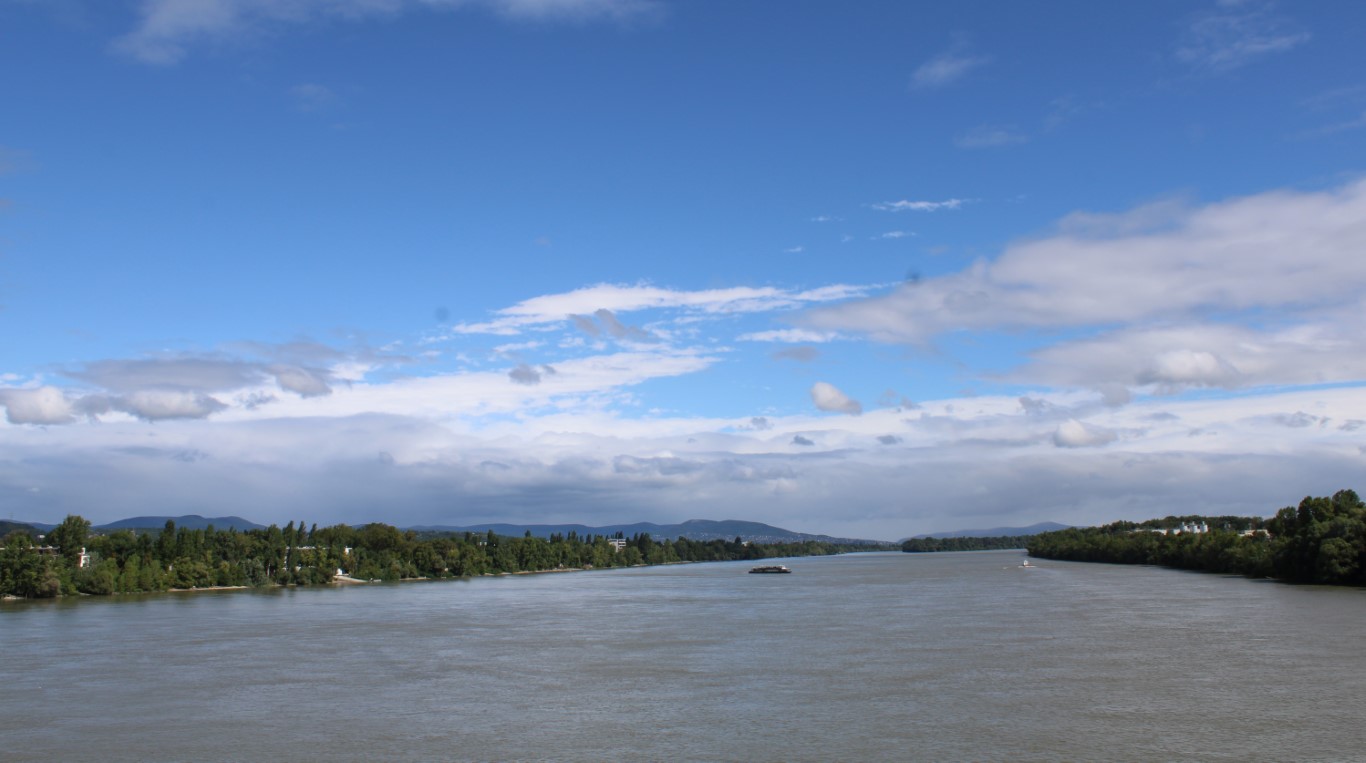
DAILY PHOTO: Sprawling Danube

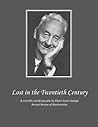
BOOKS: “Lost in the Twentieth Century” by Albert Szent-Györgyi

Lost in the Twentieth Century (Annual Review of Biochemistry Book 32)Lost in the Twentieth Century by Albert Szent-Györgyi
My rating: 5 of 5 stars

Available Online – NIH National Library of Medicine

This is the very brief autobiography of a fascinating man. Szent-Györgyi is most famous for work in biochemistry involving Vitamin C, work that won him a Nobel Prize. However, his life is not only notable for science before and after the Nobel (after he worked on the physiology of muscular activity, on electron activity in physiology, and on cancer.) He also performed important works outside the laboratory, notably he conducted an espionage / diplomatic mission during the Second World War (“Espionage” in that he traveled to Turkey under false pretenses, under cover of giving a lecture at a university, “diplomatic” in that the trip’s true objective was to negotiate with the Allied powers.)

Szent-Györgyi has some interesting quips and insights that make it worth reading this pamphlet-scale book, even though his Wikipedia page probably contains as much information. He had an interesting way of thinking about matters, both scientific and not, and was politically and socially engaged in the world.

If you’re curious about Szent-Györgyi or enjoy biographies, in general, I’d highly recommend reading this one.

View all my reviews

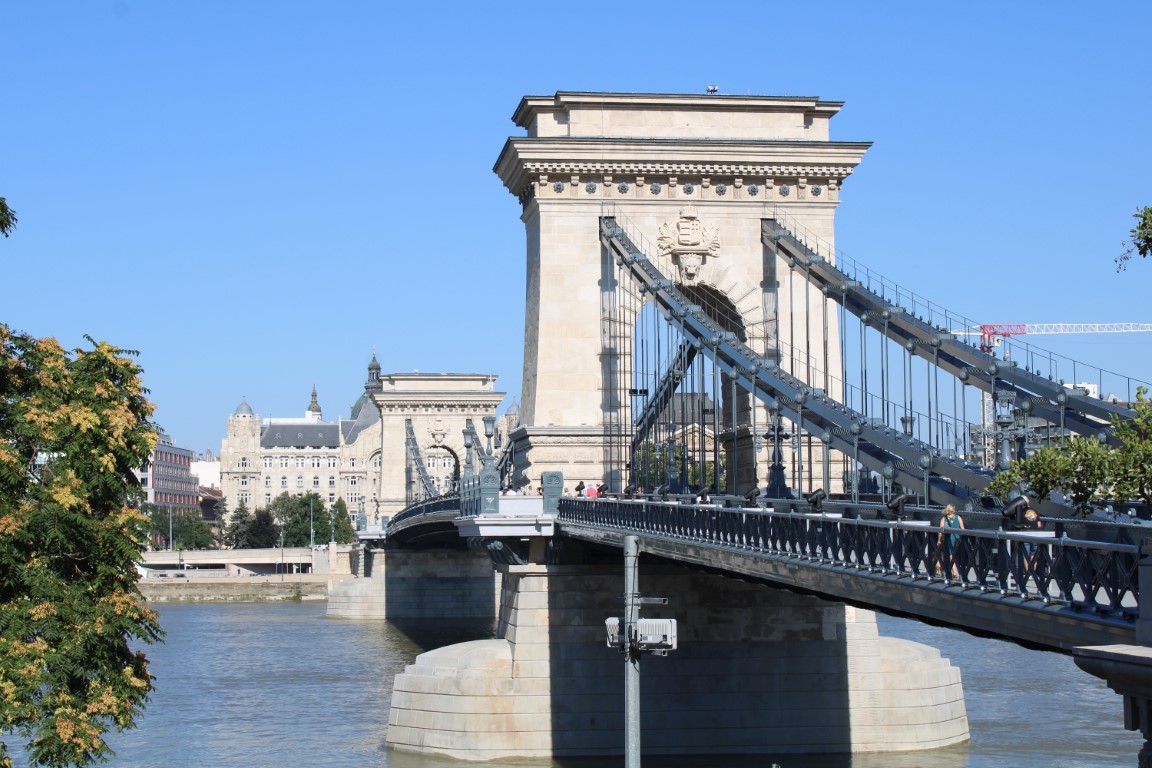
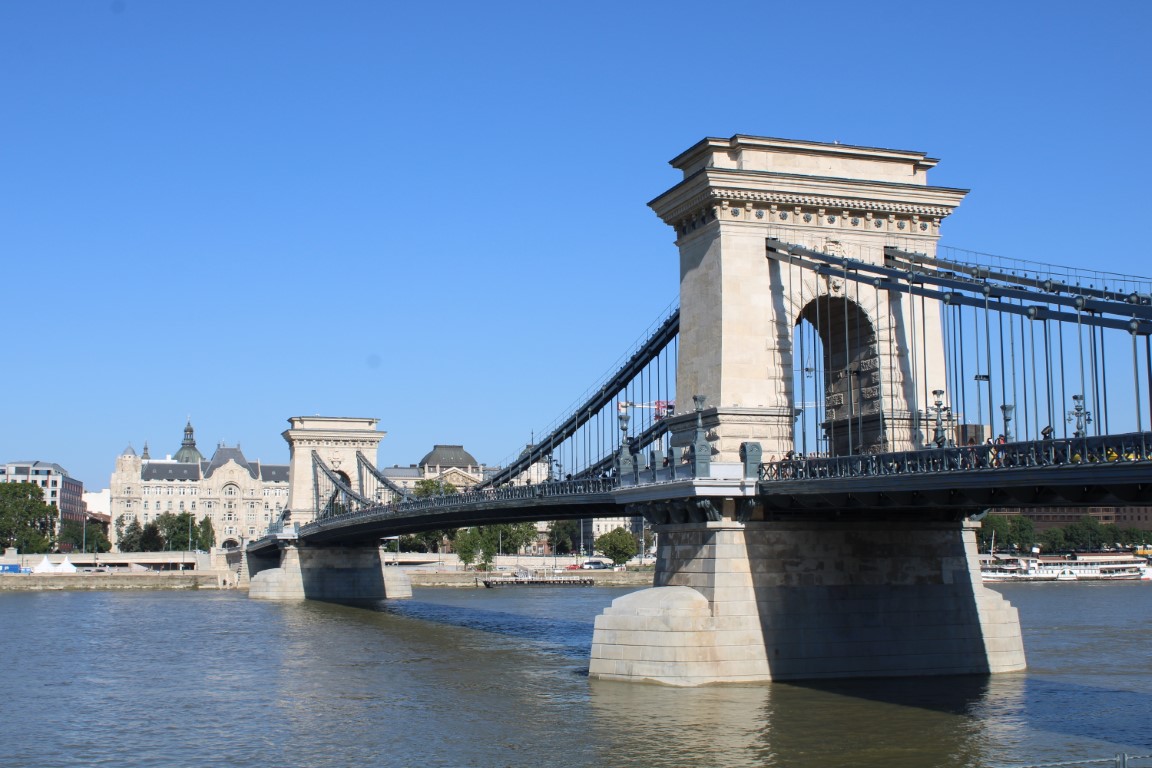
DAILY PHOTO: Two Views of Széchenyi Bridge

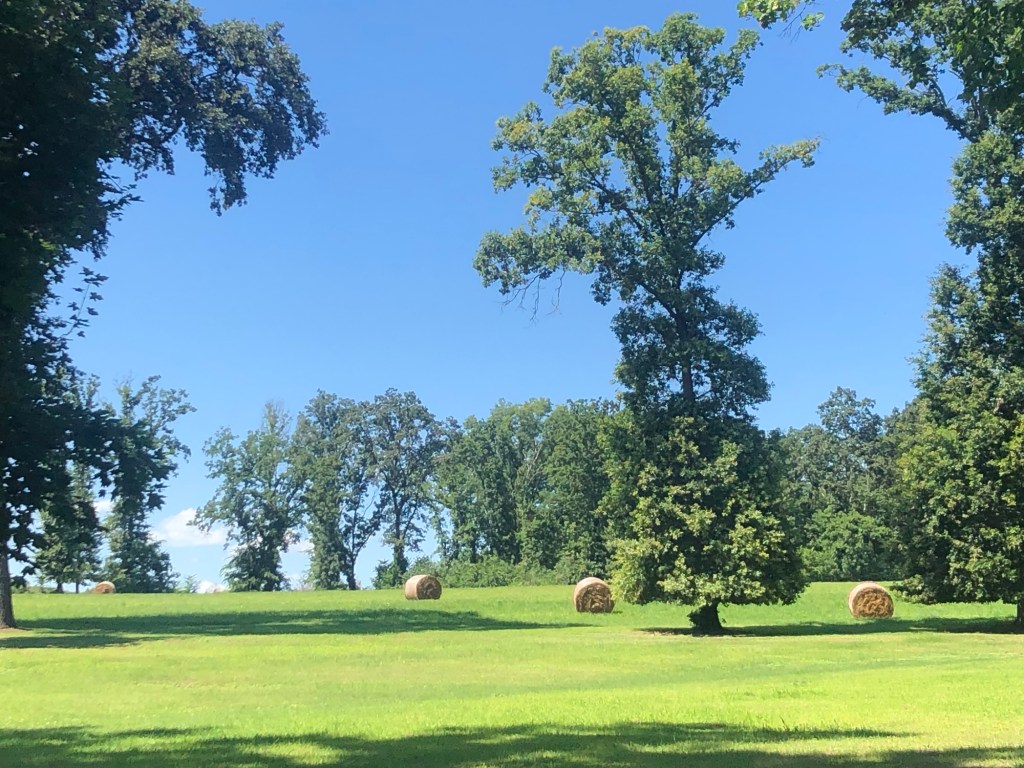
DAILY PHOTO: Green Field

DAILY PHOTO: Buda Palace in Winter

DAILY PHOTO: Buda Spires in Winter

Image

DAILY PHOTO: Margaret Bridge, Budapest

August 2023; from Margaret Island
December 2019; from Parliament toward the bridge
December 2019; from the bridge toward Parliament