Daily writing prompt
What strategies do you use to maintain your health and well-being?


Move my body. Eat my veggies. Feel gratitude regularly. Do not stick my hand down the garbage disposal. Surrender to my ignorance.

Move my body. Eat my veggies. Feel gratitude regularly. Do not stick my hand down the garbage disposal. Surrender to my ignorance.
Thanks for asking!
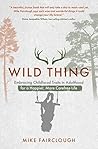 Wild Thing: Embracing Childhood Traits in Adulthood for a Happier, More Carefree Life by Mike Fairclough
Many a time, and I hope to do more. I highly recommend the experience. Nothing like sleeping close to the Earth to realize that there exists no patch of ground on the planet as flat and rock-free as one’s mattress.
Daily practice of feeling gratitude. (As opposed to being grateful that one November day a year and wallowing in how horrible everything is the other three-sixty-four.)
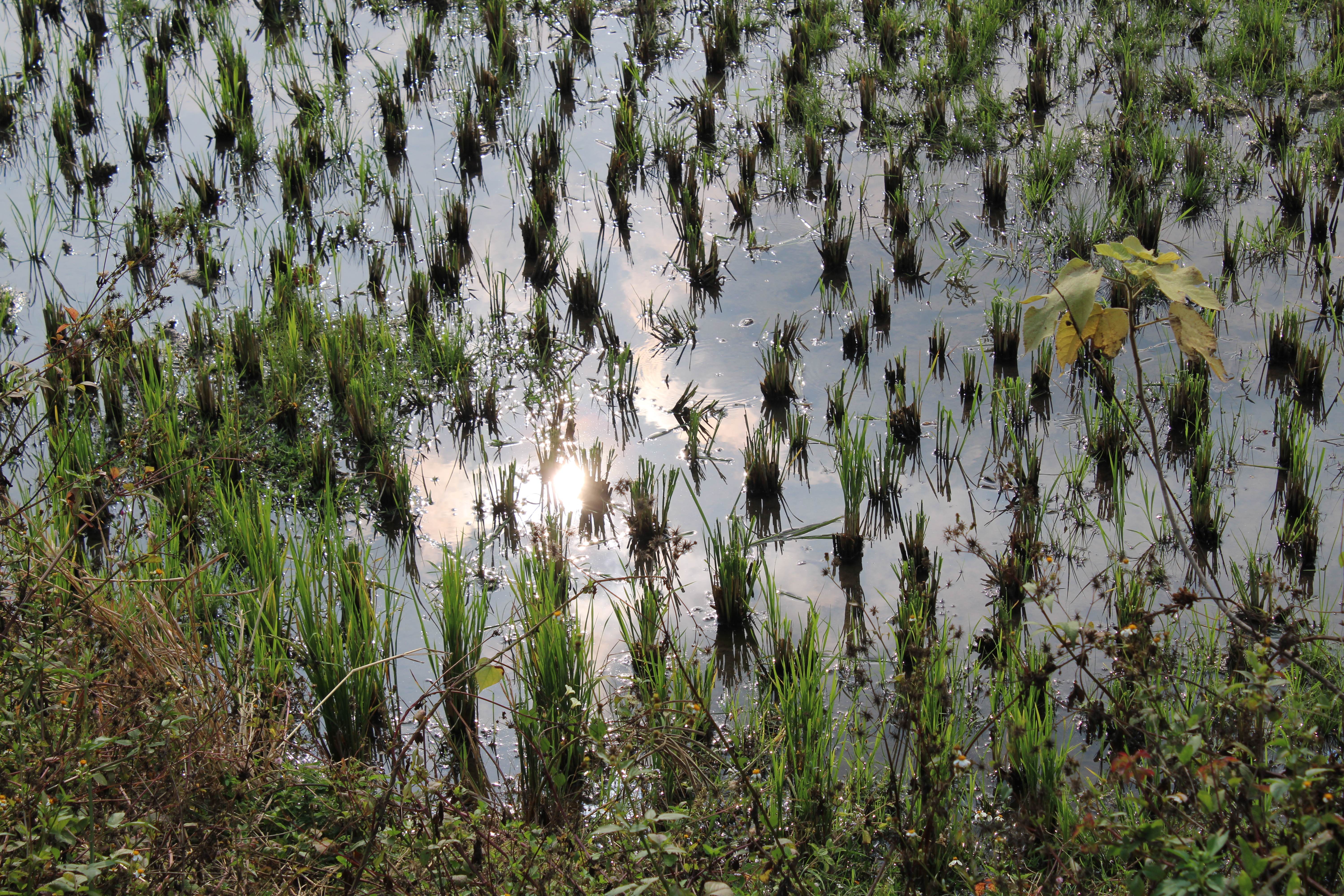
Hoeing farmer, as heat haze roils,
   His flowing sweat waters the soil.
 All those who know food on a plate
   Should feel each grain comes of that toil.
NOTE: The title of this poem (悯农, or Mǐn Nóng) is often translated as “Toiling Farmers,” though “Compassion for Farmers” or “Pity Farmers” would be closer to the literal translation.
What they undertook to do
   They brought to pass;
 All things hang like a drop of dew
   Upon a blade of grass.
A practice of feeling gratitude is extremely beneficial in that regard. Simple meditative practices help one become aware of thoughts and feelings more quickly, before they are fed through rumination, making the down-spiral cycle easier to disrupt.
And, sometimes, I rant. This usually veers quickly into comedic territory and I’m reminded of the ridiculousness of taking human life too seriously, given the absurdity of being primates in pants who love shiny things. (It would be unimaginable if human life weren’t absurd.)
I have a daily practice of FEELING gratitude for this awesome life and all that contributes to said awesomeness. I don’t place much emphasis on EXPRESSING emotion beyond the usual social protocols and niceties. Quite frankly, I think expression of gratitude is overrated. It binds the process up with ego and desire for reciprocity, and the next thing you know you’ve lost all touch with the experience of gratitude and the powerful influence it has on fostering a positive outlook.
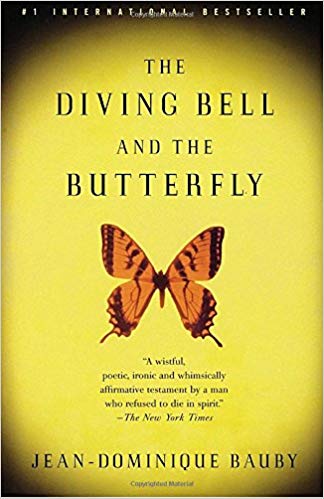
Furthermore, when one emphasizes expression, one tends to develop a blind-spot, thinking that the only entities worthy of consideration of gratefulness are other intelligent beings (or constructs attributed intelligence — e.g. gods.) I begin (though do not end) my practice of gratitude with my body (/ mind) and its systems. I’ve been told many people have trouble fostering gratitude when they focus on their body, but I don’t think one really understands gratitude if one can’t feel deep gratitude for one’s body and mind (literal warts and all.) For the body is the means by which one experiences everything, and one can only be unconditionally grateful for it. [For those who have trouble being grateful for body and mind, I’d recommend the book, “The Diving Bell and the Butterfly” by Jean-Dominique Bauby. It’s a short read because it was dictated using eye-blinks by a man who developed “Locked-in Syndrome,” a condition that left its author only with conscious control of an eyelid.]
A timeless time will come to be,
when all is uniform.
And nothing 's hot & nothing 's cold,
but all is just lukewarm.

So thank your lucky stars you've lived
in this age of bedlam:
when stars can shine and buildings rise
and we've cerebellums.


 Tiger Riding for Beginners