The clock will go slow
 If you watch it, you know;
   You must work right along and forget it.
 So study your best
 Till it's time for a rest,
    The clock will go fast, if you let it!
The lake is glassy in August.
 The air and sky are oh-so clear.
 Vapor steams off of Yunmeng ponds,
 Ripples lap at Yueyang's piers.
 There're no boats to cross the water.
 Shame! I couldn't emulate sages.
 I sit and watch a fisherman
 And envy his catch and his wages.
This is poem #124 in 300 Tang Poems [唐诗三百首.] Original Poem in Simplified Chinese:
Poetry is poignant and ornate;
 Essays are deep and content-centric.
 Stele entries are true to the essence;
 Paeans, moving and melancholic.
 Inscriptions are concise and kindly;
 Telltales have a logic and cadence.
 Odes show great grace and refinement;
 Op-eds are unrepressed and intense.
 Music 's penetrating and stately;
 Speeches must sparkle with cleverness.
 Though there ever so many forms,
 All thwart evil and allow release:
 Expression, sans pride overweening,
 With no waste of words or lost meaning.
Drunk at night in Dongpo.
   I sober, then drink once more;
 I return at three A.M.
   To hear boy's thunderous snores.
 I knock but there's no answer --
   Lean on my staff and listen
   To water, and feel my regrets
   As ripples in river glisten.
 I could vanish in this boat,
   And see out my life afloat.
Note: The Song Dynasty poet Su Shi [苏轼] was also known as Dongpo [東坡] or Zizhan [子瞻.]
A kind in glass and a cousin, a spectacle and
 nothing strange a single hurt color and an
 arrangement in a system to pointing. All
 this and not ordinary, not unordered in not
 resembling. The difference is spreading.
There is a singer everyone has heard,
  Loud, a mid-summer and a mid-wood bird,
  Who makes the solid tree trunks sound again.
 He says that leaves are old and that for flowers
  Mid-summer is to spring as one to ten.
  He says the early petal-fall is past
  When pear and cherry bloom went down
      in showers
  On sunny days a moment overcast;
  And comes that other fall we name the fall.
 He says the highway dust is over all.
 The bird would cease and be as other birds
  But that he knows in singing not to sing.
 The question that he frames in all but words
  Is what to make of a diminished thing.
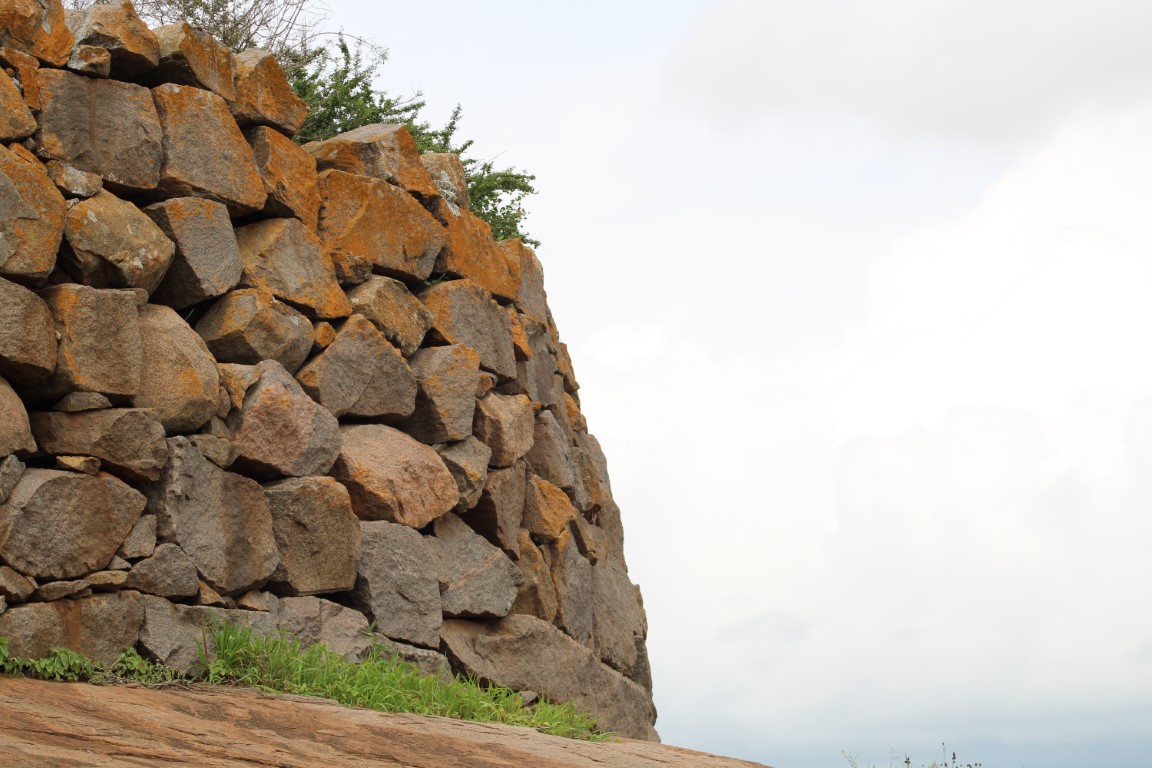
Something there is that doesn't love a wall,
  That sends the frozen-ground-swell under it,
  And spills the upper boulders in the sun;
  And makes gaps even two can pass abreast.
The work of hunters is another thing:
  I have come after them and made repair
  Where they have left not one stone on a stone,
  But they would have the rabbit out of hiding,
  To please the yelping dogs. The gaps I mean,
  No one has seen them made or heard them made,
  But at spring mending-time we find them there.
 I let my neighbor know beyond the hill;
  And on a day we meet to walk the line
  And set the wall between us once again.
 We keep the wall between us as we go.
 To each the boulders that have fallen to each.
 And some are loaves and some so nearly balls
  We have to use a spell to make them balance:
  'Stay where you are until our backs are turned!'
  We wear our fingers rough with handling them.
 Oh, just another kind of out-door game,
  One on a side. It comes to little more:
  There where it is we do not need the wall:
  He is all pine and I am apple orchard.
 My apple trees will never get across
  And eat the cones under his pines, I tell him.
 He only says, 'Good fences make good neighbors.'
 Spring is the mischief in me, and I wonder
  If I could put a notion in his head:
  'Why do they make good neighbors? Isn't it
  Where there are cows? But here there are no cows.
 Before I built a wall I'd ask to know
  What I was walling in or walling out,
  And to whom I was like to give offense.
 Something there is that doesn't love a wall,
  That wants it down.' I could say 'Elves' to him,
  But it's not elves exactly, and I'd rather
  He said it for himself. I see him there
  Bringing a stone grasped firmly by the top
  In each hand, like an old-stone savage armed.
 He moves in darkness as it seems to me,
  Not of woods only and the shade of trees.
 He will not go behind his father's saying,
  And he likes having thought of it so well
  He says again, 'Good fences make good neighbors.'
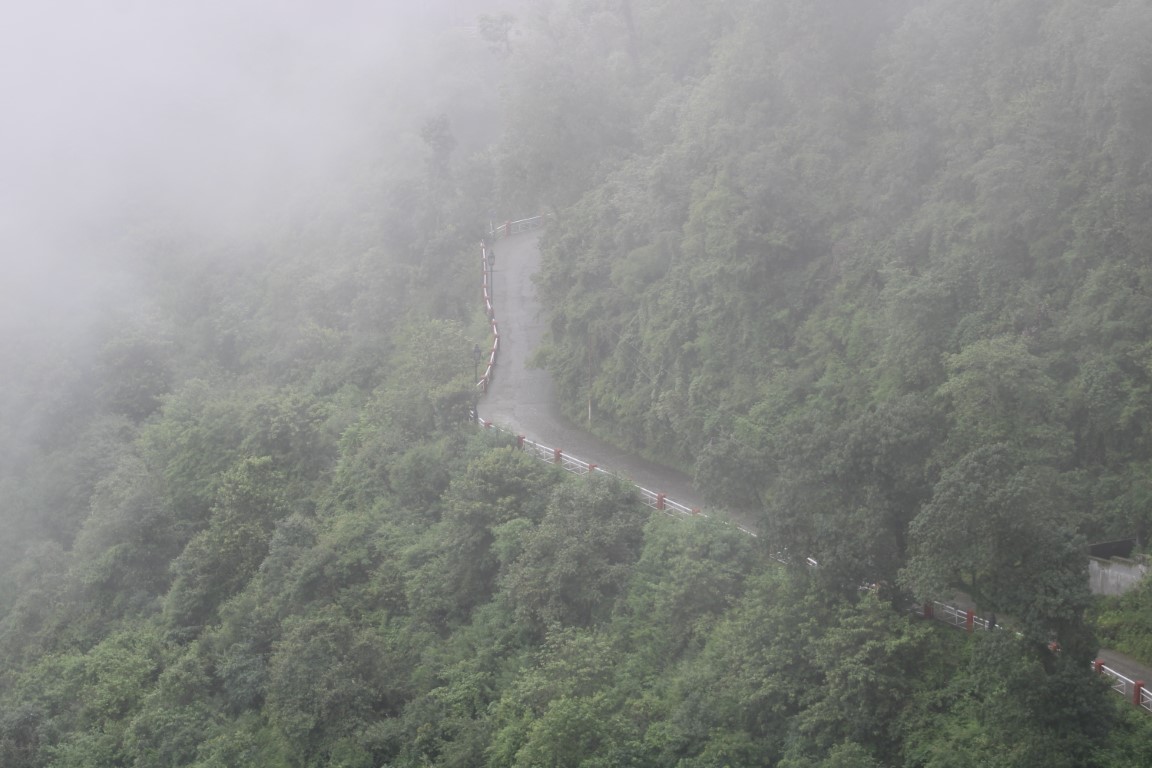
Smoke slowly rises from sodden woods;
   Millet 's steamed to feed the fieldhands;
   Egrets fly over foggy paddies;
   Hidden birds sing from lush tree stand.
Mountain hikers study hibiscus,
   Under dewy pines chew sunflower seeds,
   Give mat space to any old traveler.
 Gull and I: wary of each other's deeds.










 Tiger Riding for Beginners