Who says my poems are poems?
They aren't poems at all.
Only when you understand my poems aren't poems
Can we talk poetry.
This translation by Sam Hamill in The Poetry of Zen (2004) Boston: Shambhala, p. 159
The Poetry of Zen by Sam HamillSome shoots and stalks stand out --
Taller than the masses.
Their form eludes pursuit,
Sound slips through, like gases.
Great lines are always disjunct:
Don't weave with mid'ling lyrics.
They're pent up and peerless:
Chop them? A win that's pyrrhic.
Jade flecks make mountains shimmer,
Pearly waters enchant.
The thicket mustn't be clipped
If Kingfisher's glory, grant.
Stitched words end under snow,
Work the weft, steady and slow.
The original in Simplified Chinese is:
或苕发颖竖,离众绝致。
形不可逐,响难为系。
块孤立而特峙,非常音之所纬。
心牢落而无偶,意徘徊而不能揥。
石韫玉而山辉,水怀珠而川媚。
彼榛楛之勿翦,亦蒙荣于集翠。
缀下里于白雪,吾亦济夫所伟。
A Journey to Inner Peace and Joy: Tracing Contemporary Chinese Hermits by Zhang Jianfeng by Unknown AuthorSleet and rain, as if the pot were boiling.
Winds whack like the crack of an axe.
An old man, an old man,
At sunset, crept into my hut.
He sighed. He sighed as if to himself,
"These rulers, so cruel. Why, tell me
Why they must steal till we starve,
Then slice the skin from our bones?
For a song from some beauty,
They'll go back on sworn words;
For a song from some tart,
They'll tear down our huts;
For a sweet song or two,
They'll slaughter ten thousand like me,
Like you. Weep as you will,
Let your hair turn white,
Let your whole clan go hungry...
No good wind will blow,
No gentle breeze
Begin again.
Lord Locust Plague and Baron Bandit Bug,
One east, one west, one north, one south.
We're surrounded.
NOTE: This the J.P. Seaton translation found in The Poetry of Zen (2004); Shambhala Publications: Boston, MA, pp. 67-68. For the author’s name, Seaton uses “Kuan Hsiu,” the Wade-Giles romanization of the name.
Whatever lives must meet its end --
That is the way it has always been.
If Taoist immortals were once alive,
Where are they today?
The old man who gave me wine
Claimed it was the wine of the immortals.
One small cup and a thousand worries vanish;
Two, and you'll even forget about heaven.
But is heaven really so far away?
It is best to trust in the Tao.
A crane in the clouds has magic wings
To cross the earth in a moment.
It's been forty years of struggle
Since I first became reclusive.
Now that my body is nearly dead,
My heart is pure. What more is there to say?
NOTE: This is the translation of Sam Hamill found in The Poetry of Zen (2004); Shambhala Publications: Boston, MA, p.24.
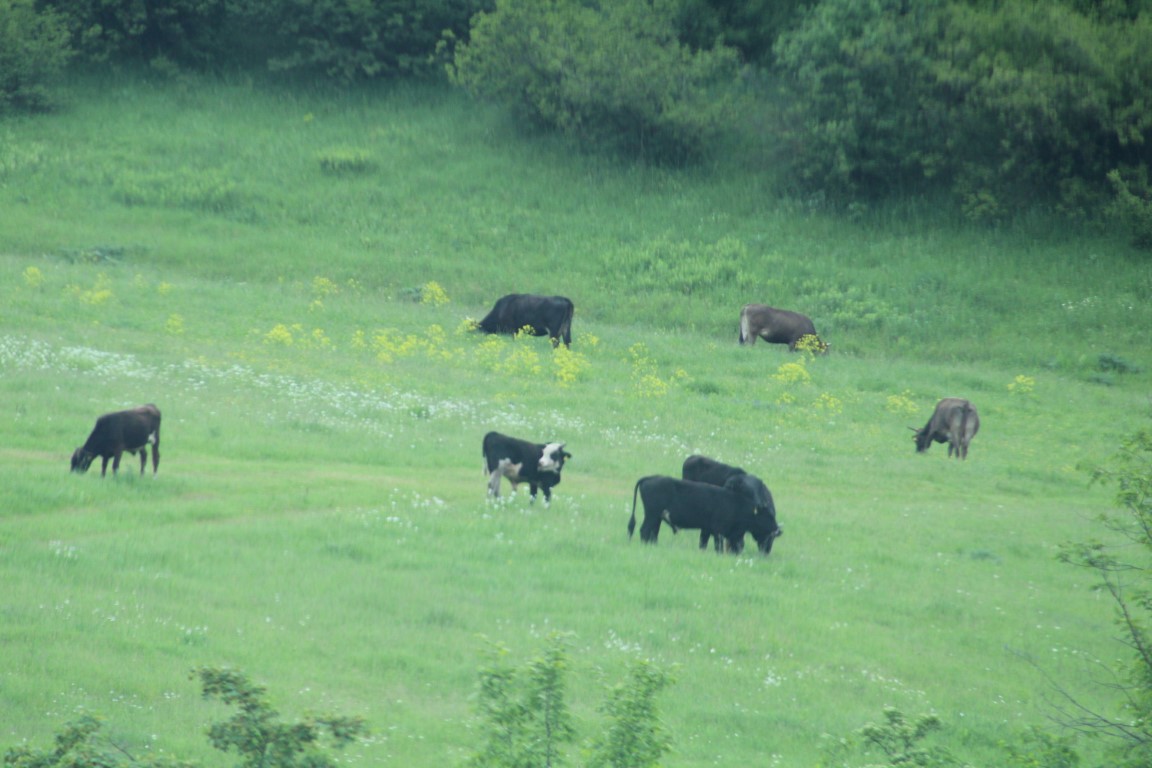
Low, warm light lands on the village.
Cattle and sheep trapsing farmward.
Farmer mulls a missing shepherd,
Leaning on his staff, still on guard.
Pheasants cluck, wheat heads are heavy,
Silkworms dormant, mulberry leaves few.
Farmers stand, hoes on their shoulders,
Telling old tales, as if they were new.
How I envy the idle time --
To chat about mankind's decline.
This is poem #16 of the 300 Tang Poems [唐诗三百首.] The original poem in Simplified Chinese is:
斜光照墟落, 穷巷牛羊归。
野老念牧童, 倚杖候荆扉。
雉雊麦苗秀, 蚕眠桑叶稀。
田夫荷锄立, 相见语依依。
即此羡闲逸, 怅然吟式微。
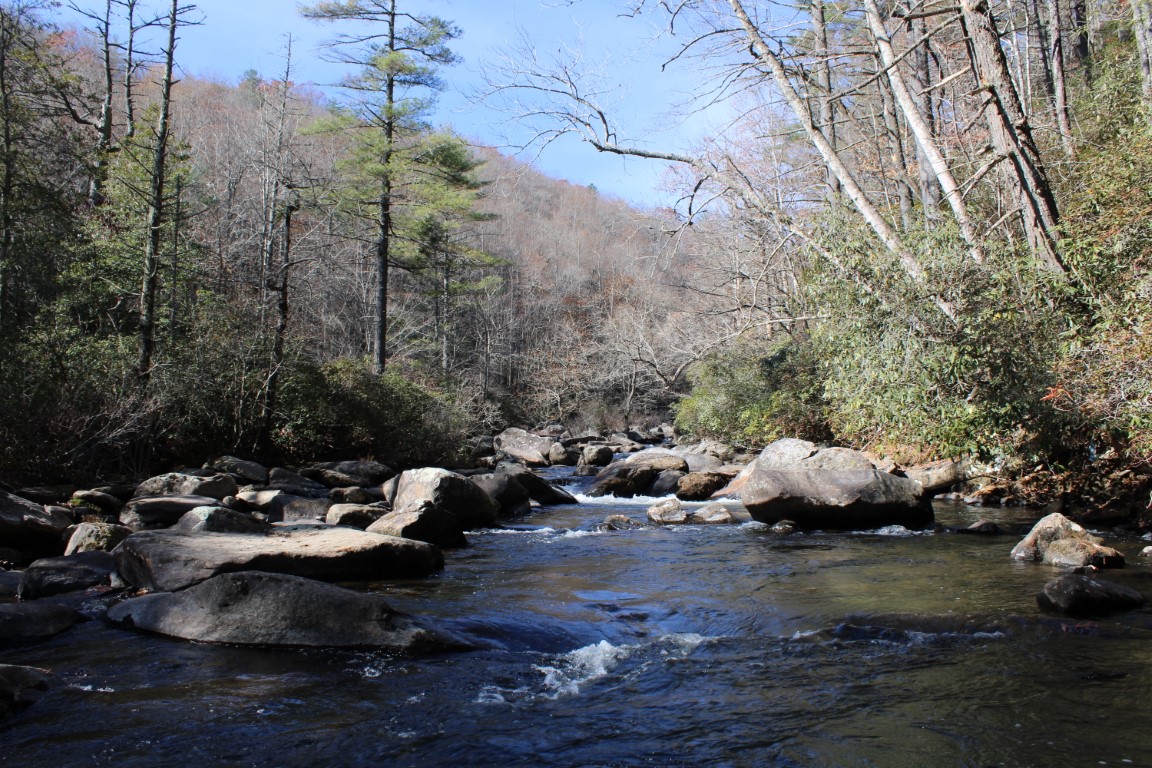
A clear stream passes by the
mountain clad in green;
The clear sky and clear water
melt in autumn hue.
Far far away from the tumultuous
world unclean,
Long long will white clouds and
red leaves be friend to you.
Note: This is the joint translation of Xu Yuanchong and Xu Ming found in the edition of Golden Treasury of Quatrains and Octaves on which they collaborated (i.e. China Publishing Group: Beijing (2008) p. 64.)
I walk the narrow path,
Clogs divoting the moss.
White clouds over the shore;
Gate obscured by Spring grass.
Post-rain, I see the pines,
Follow stream to its source.
Flower-mind, then Zen Mind --
Arrived! Words have no force.
This is poem #136 of the 300 Tang Poems [唐诗三百首.] The original in Simplified Chinese goes:
一路经行处, 莓苔见屐痕。
白云依静渚, 春草闭闲门。
过雨看松色, 随山到水源。
溪花与禅意, 相对亦忘言。
The Life of an Amorous Man: A Novel of Love and Desire in Old Japan by Ihara Saikaku