1.) Remaining incognito. (I conceal my identity by being no one of interest.)
2.) Calling animals. (They do not come, but I maintain that I'm effective at getting their attention. They give perplexed looks and seem to be thinking, "Why is that dumb-ass human making strange noises?")
3.) Slipping on ice. (It's effortless to me.)
4.) Conveying an air of indifference. (At any given moment, you'd probably conclude that I don't give a shit.)
5.) Eating rotisserie chicken. (It's not pleasant to watch, but I leave not a scrap of meat. It's like a sun-bleached skeleton when I'm done with it.)
Rain Splotch[Haiku]

chilly winter day,
prismatic splotch in sky—
no bow, no ring.
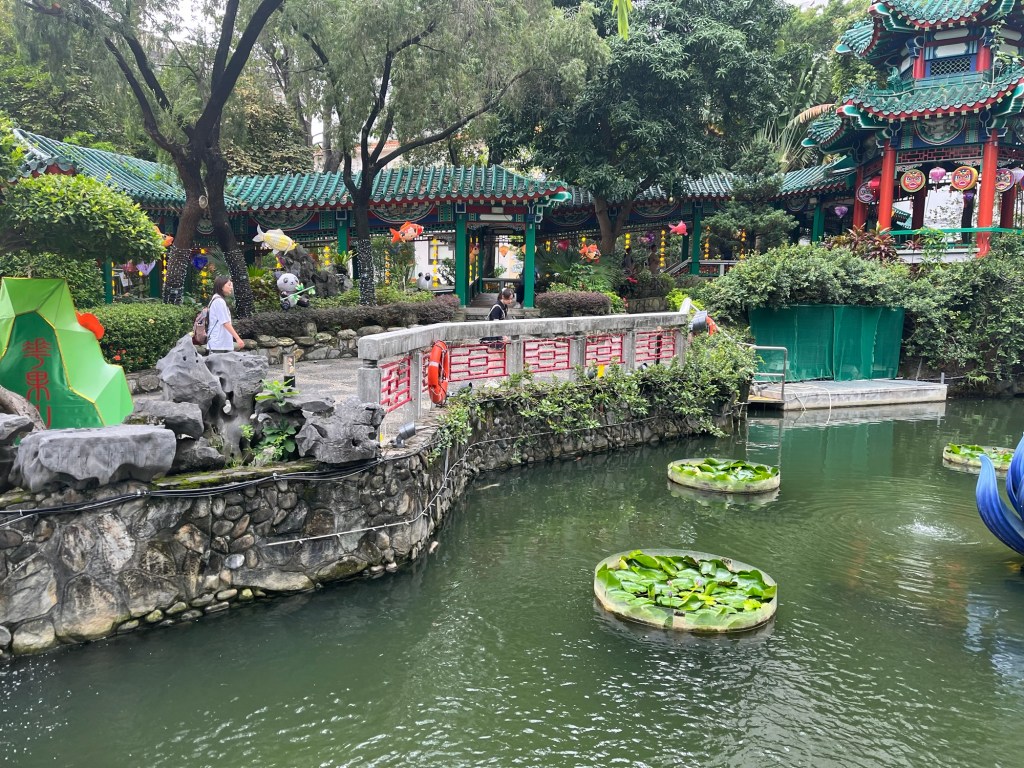
DAILY PHOTO: Good Wish Garden, Wong Tai Sin Temple

PROMPT: Change
I think about this in yogic terms. In the niyama of yoga there are two guiding ideas that – at first – seem contradictory. Santosha is contentment. Tapas is discipline. So, on one hand, Patanjali was suggesting one needs to accept what one is (santosha,) but, on the other hand, he was suggesting that one needs to keep the fire of self-development burning (tapas.) [Note: I realize there are different readings of these two concepts, these are the versions that have resonated with me.]
These two ideas did seem at odds until I realized that they answer different questions. Contentment is the answer to “Am I enough?” Tapas is the answer to “Can I be better?”
Long story short, I see wishes such as the desire to be six inches taller or to be a celebrity as a waste of time and mental energy. However, I see the need to be a healthier and more equanimous version of myself as an ever-present driver.
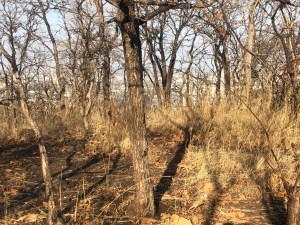
Long Shadow [Haiku]

Winter sun
casts long shadows
through dead grass.
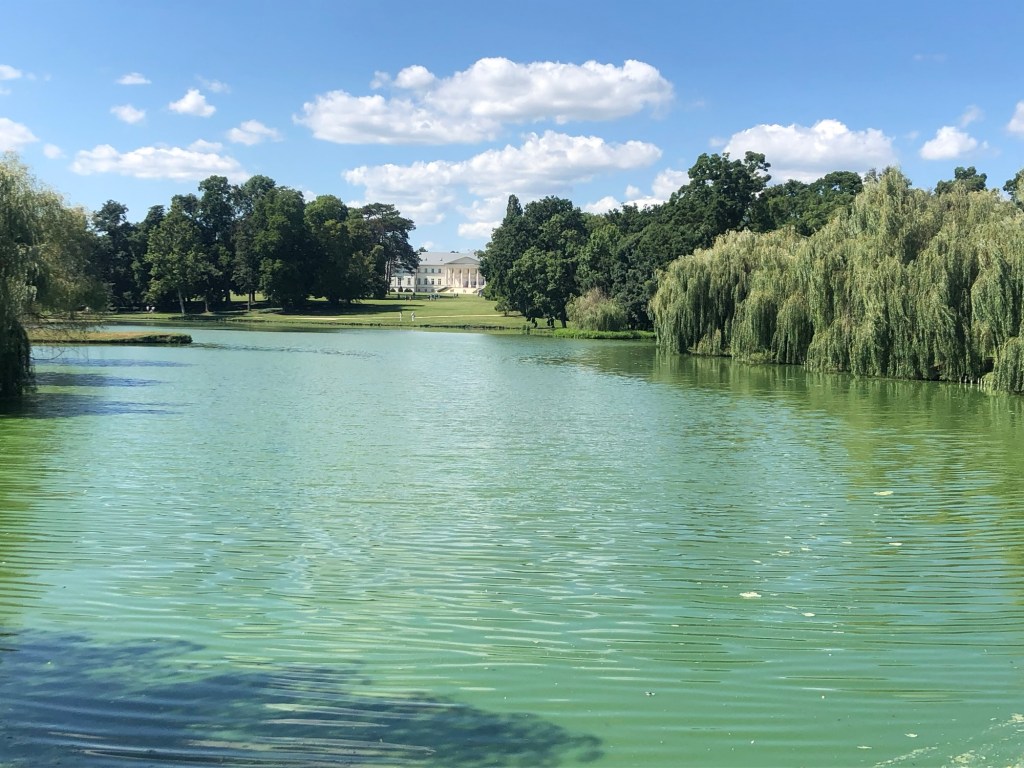
DAILY PHOTO: Dégi Park-tó

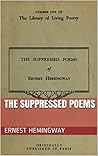
BOOKS: “The Suppressed Poems of Ernest Hemingway”
The suppressed poems by Ernest HemingwayMy rating: 4 of 5 stars
Available online – Public Domain
I read this book because my curiosity was piqued by a reference to poems Hemingway published in Der Querschnitt, a reference that was made in a biography of Hemingway I’ve been reading recently (Forty-Three Ways of Looking at Hemingway by Jeffrey Meyers.) Five of the seventeen poems in the book are from Der Querschnitt. (Ten of the poems were published in a book entitled Three Stories and Ten Poems and a couple are odds and ends.)
The Der Quershnitt pieces are bawdy by 1920’s standards, though not particularly for today. The other poems can be a bit intense, dealing in subjects like death in war (Champs D’Honneur,) suicide (Montparnasse, and a curse upon literary critics (Valentine,) but tend to be a bit more refined (excepting Valentine. which may be the least elevated of the collected poems.)
The poems include a mix of lyric, free verse, and prose poem, though all are fairly short (the longest, The Soul of Spain, fits in three pages.)
My favorite was a short lyric poem entitled The Age Demanded, which considers the paradox of the 1920’s as a progressive age, restrained. I also found T. Roosevelt to be fascinating because in the act of critiquing Teddy Roosevelt, Hemingway (wittingly or not) gives us a bit of autobiography. (i.e.“And all the legends that he started in his life // Live on and prosper, // Unhampered now by his existence.”)
I give Hemingway more credit for saying interesting things by virtue of being bold than for saying anything in a particularly interesting way, but it’s enough to make these poems worth reading.
View all my reviews
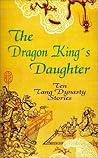
BOOK: “The Dragon King’s Daughter” Trans. by Yang Xianyi and Gladys Yang
The Dragon King’s Daughter: Ten Tang Dynasty Stories by Gladys YangMy rating: 5 of 5 stars
Google Book Site
This thin anthology contains ten stories from varied writers of the Tang Dynasty. The stories include a mix of speculative fiction, political fiction, and love stories — some being cross-genre pieces that mix elements of more than one of these categories.
I found a wide variation in how engaging the stories were. The best of them were quite good. The Spendthrift and the Alchemist, The White Monkey, and the titular The Dragon King’s Daughter were among my favorites. Each of those stories included a supernatural element, but also a thought-provoking premise.
If you enjoy Tang Dynasty literature and would like to try some of this golden literary age’s short fiction, this book is a quick and pleasant read.
View all my reviews
PROMPT: Night or Morning
Morning. Whether I want to be or not.
Surrounded [Haiku]

farm surrounded by jungle:
what will disappear tonight?