BOOKS: “The Creature Commandos” by J.M. DeMatteis, et. al.

The Creature CommandosThe Creature Commandos by J.M. DeMatteis
My rating: 4 of 5 stars

Publisher Site – DC

Having recently heard about the impending animated series being made under James Gunn’s aegis, I read this book to learn who, exactly, were the “Creature Commandos.” This volume collects eighteen issues of “Weird War Tales” from the 1980’s and is where this superhero team got its start. It’s not a complicated premise: a team consisting of characters based on classic horror figures is assembled to carry out challenging missions on behalf of Allied powers during World War II. It should be pointed out that these aren’t the original horror characters, but rather were mostly made in the lab using “science.” The core team of Lucky Taylor (Frankenstein’s Monster-like,) Sgt. Velcro (Dracula-like,) and Griffith (a Werewolf) were all produced in such a way by “Project M.” A fourth member of the team, Dr. Medusa (Myrra Rhodes,) got her powers in a laboratory accident (yes, this wasn’t exactly sophisticated storytelling.) An occasional fifth member J.A.K.E., the robotic infantryman, appears in only a few issues.

This collection is definitely from another era. It is written with an audience of children in mind. It’s not just the “science” that lacks cleverness, but also much of the dialogue and some of the story elements. It is also different in that there is no overarching story continuity. Each episode is standalone. This is probably in part because the Creature Commandos didn’t have their own title at this point and were appearing in “Weird War Tales.” In early issues there is a fair amount of repetitive exposition to catch new readers up, but that became less prominent as the series progressed.

Having said all that, many of the stories are compelling and — despite the campiness — the authors do succeed in making the reader sympathize with the core group and their plight as humans turned monster. My only complaint about character development would be with respect to the team’s leader, Lt. Shrieve. I’m sure they were aiming for “gruff, war-hardened, but fundamentally decent,” but through the first three-fourths of these comics Shrieve is completely detestable and has no redeeming value whatsoever. The authors did start to make course corrections toward the end, planting seeds to make Shrieve less loathsome, to make him someone that you can understand (despite his rough edges) why his team might save him instead of fragging him. I suspect that they wanted to make the most physiologically human character the least humane of the characters, but they took it too far.

All and all, I found this collection enjoyable to read — despite being juvenile and camp — and am looking forward to what they will do in the animated TV series. [Note: It is a different slate of characters and is otherwise updated to appeal to an adult audience, but – I suspect – draws from the original source material in some ways.]

View all my reviews

Pigeons [Lyric Poem]

There’s a writhing pile of pigeons —
Not two or a few or a smidgen —
You can raise their clout, and call them doves,
But I’m glad they're not on the wires above.

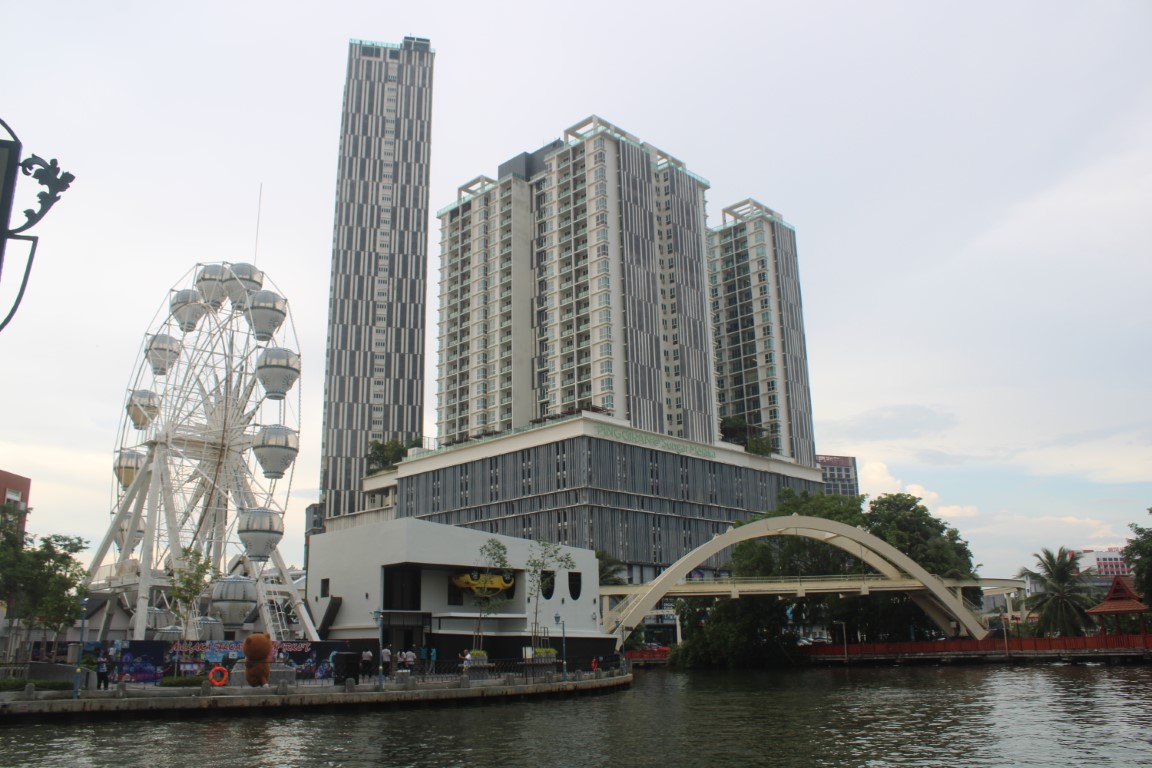
DAILY PHOTO: The Shore Sky Tower & Sigua Park

Image

“Banish Air from Air” (963) by Emily Dickinson [w/ Audio]

Banish Air from Air --
Divide Light if you dare --
They'll meet
While Cubes in a Drop
Or Pellets of Shape
Fit --
Films cannot annul
Odors return whole
Force Flame
And with a Blonde push
Over your impotence
Flits Steam.

BOOKS: “Tranquil Sitting” by Yin Shi Zi

Tranquil Sitting: A Taoist Journal on Meditation and Chinese Medical QigongTranquil Sitting: A Taoist Journal on Meditation and Chinese Medical Qigong by Yin Shih Tzu
My rating: 4 of 5 stars

Publisher’s Site

This manual is an English translation of a work earlier published in Chinese. It is nominally on Taoist meditation and is written by a Taoist author, but it does include discussion of Buddhist practices as well (specifically Mahamudra.) Also, part of the author’s declared intent with this text is to write in a manner approachable to a wider audience, and because of this sect is rendered less important. So, for example, the book employs more scientific and physiological modes of explanation as opposed to meridians and other conceptual approaches from Traditional Chinese Medicine.

The book is presented in two parts. I found the first part much more beneficial and productive. Said first part is a general guide to meditation. It discusses fundamentals, theory, physiology, and how to align one’s living with a meditative practice (i.e. how diet, breathwork, sleep, etc. influence one’s practice.)

The second part consists of long and fairly detailed descriptions of the author’s experiences with both Taoist and Mahamudra meditation. I didn’t find this part useful, and I believe it may be counterproductive. Discussion of the author’s subjective experience may lead readers to get hung up on chasing identical experiences to the detriment of just practicing. It may give false ideas about “correct” and “incorrect” experiences of the meditation.

Overall, it’s a fine guide to meditation, particularly the first (i.e. larger) part. I can’t say that it breaks a lot of ground. A reader well-versed in meditation may not gain much insight from this book, but it’s as good as any to get started.

View all my reviews

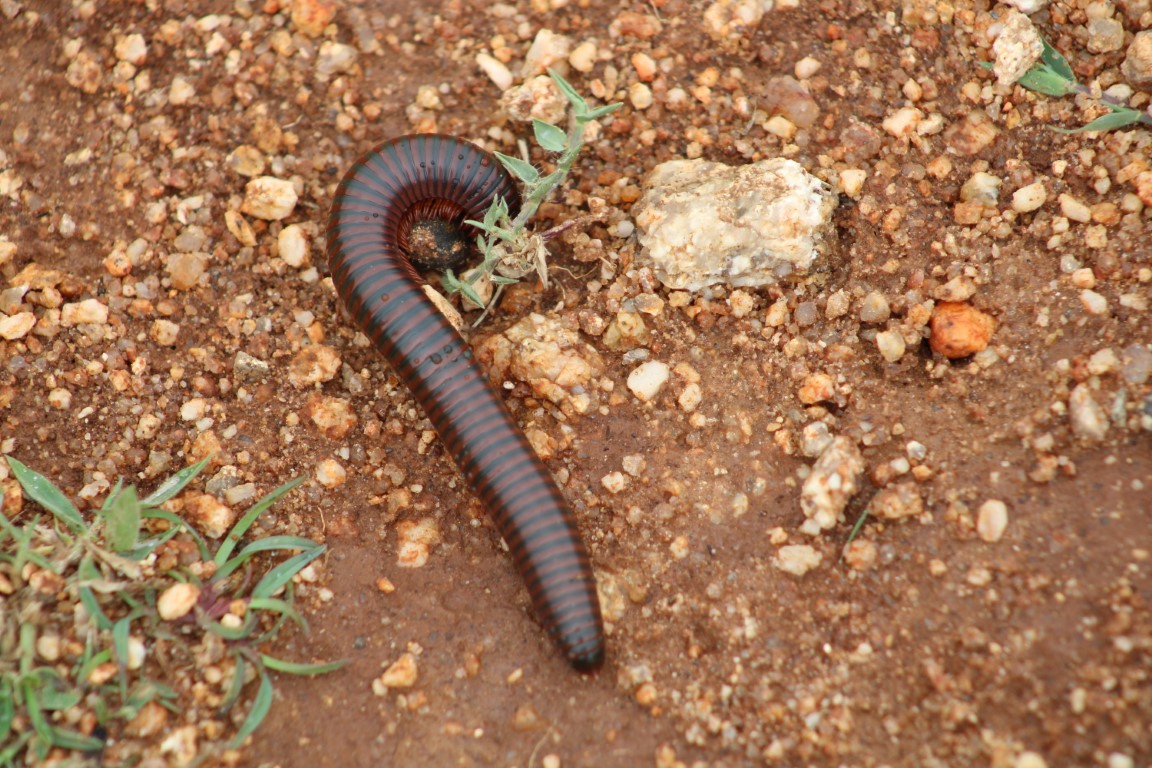
Millipede [Lyric Poem]

I saw, crawling out of the weeds,
One quickstepping millipede.
But, going daft, it's bow and stern
Started to clash, and - as each turned -
It tied itself in a knot.

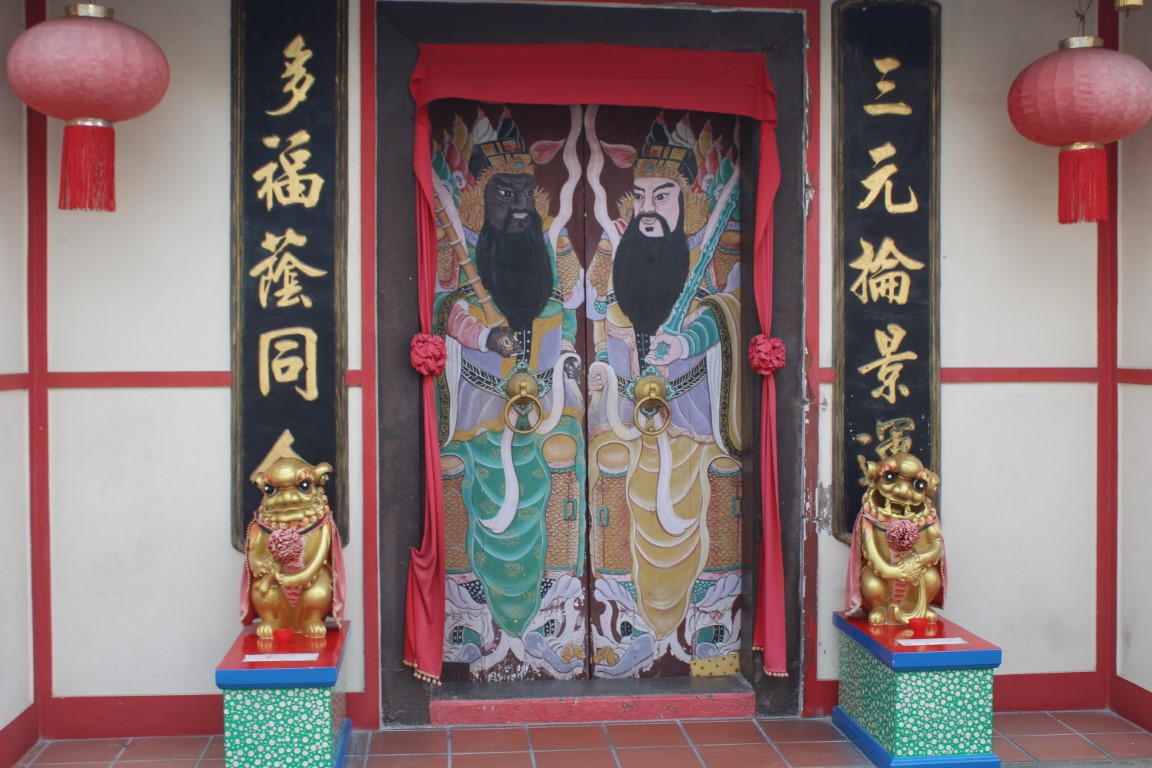
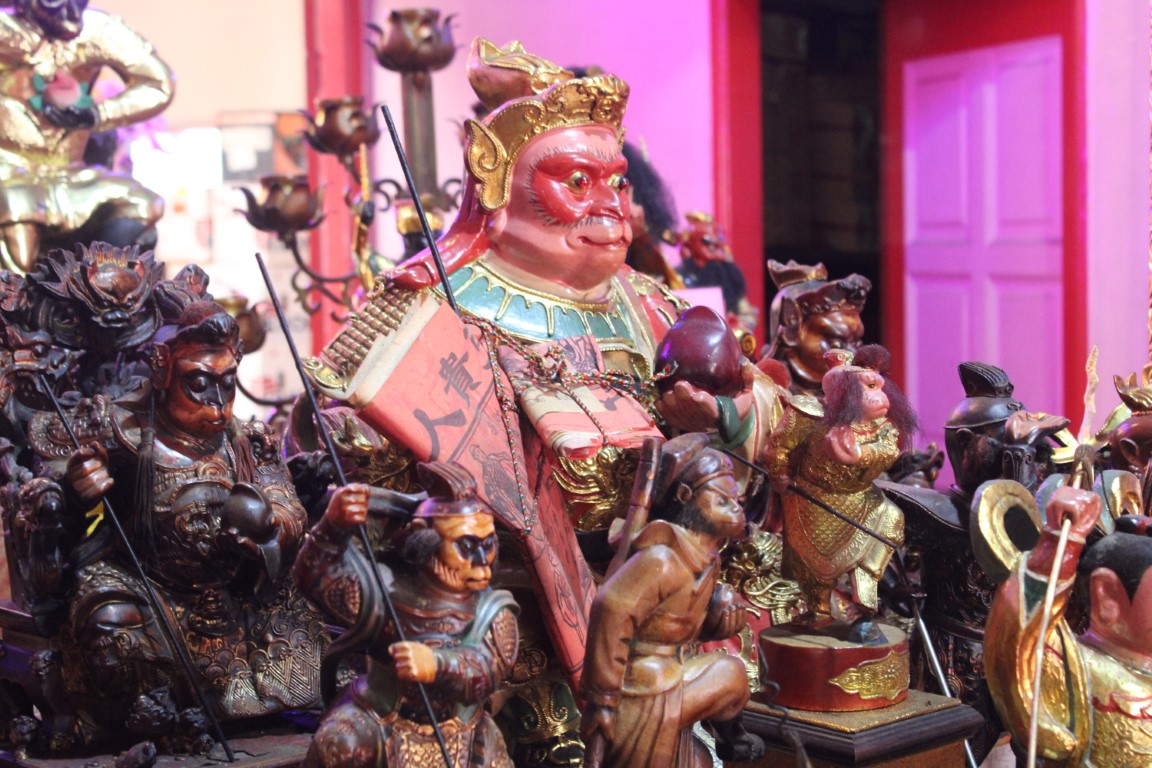
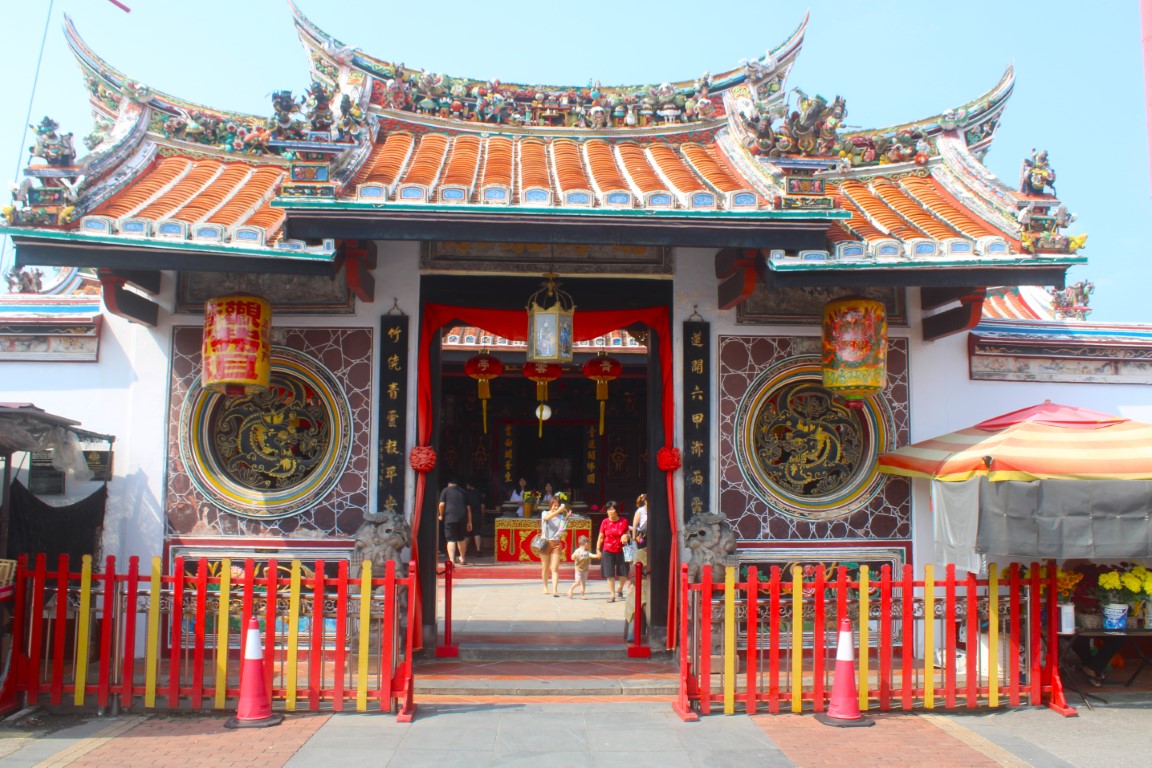
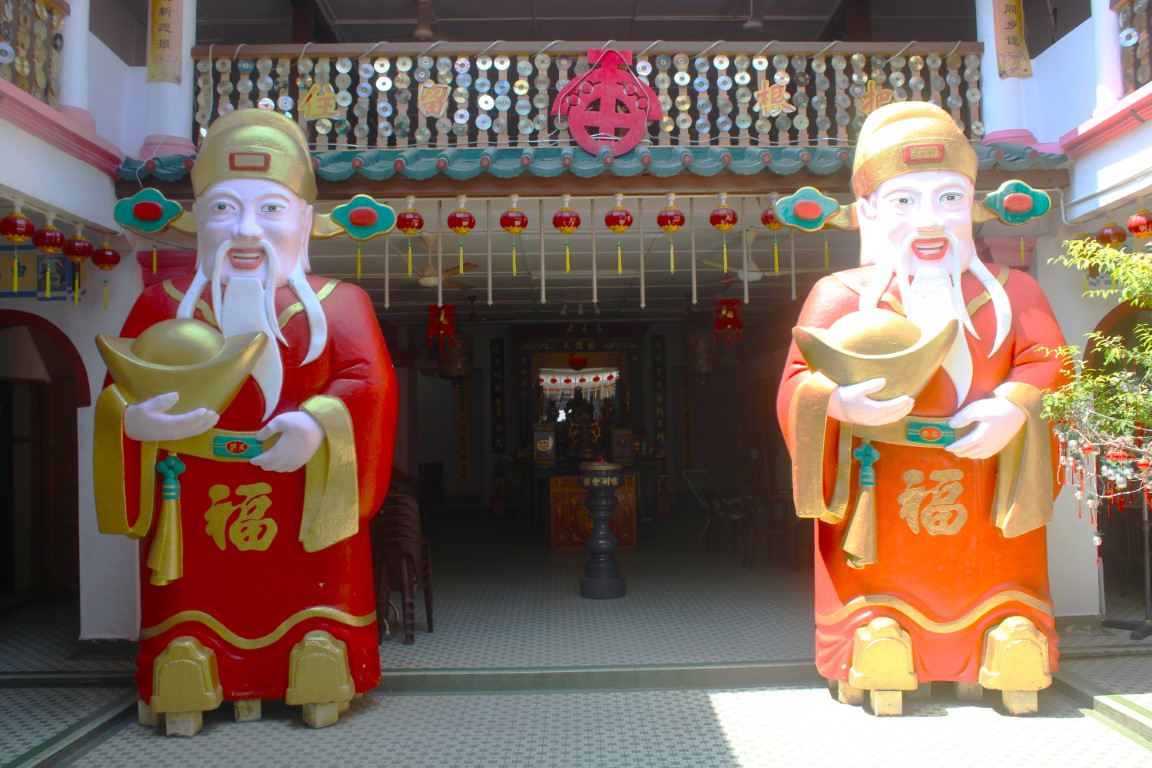
DAILY PHOTO: Scenes from Melaka’s Chinese Temples

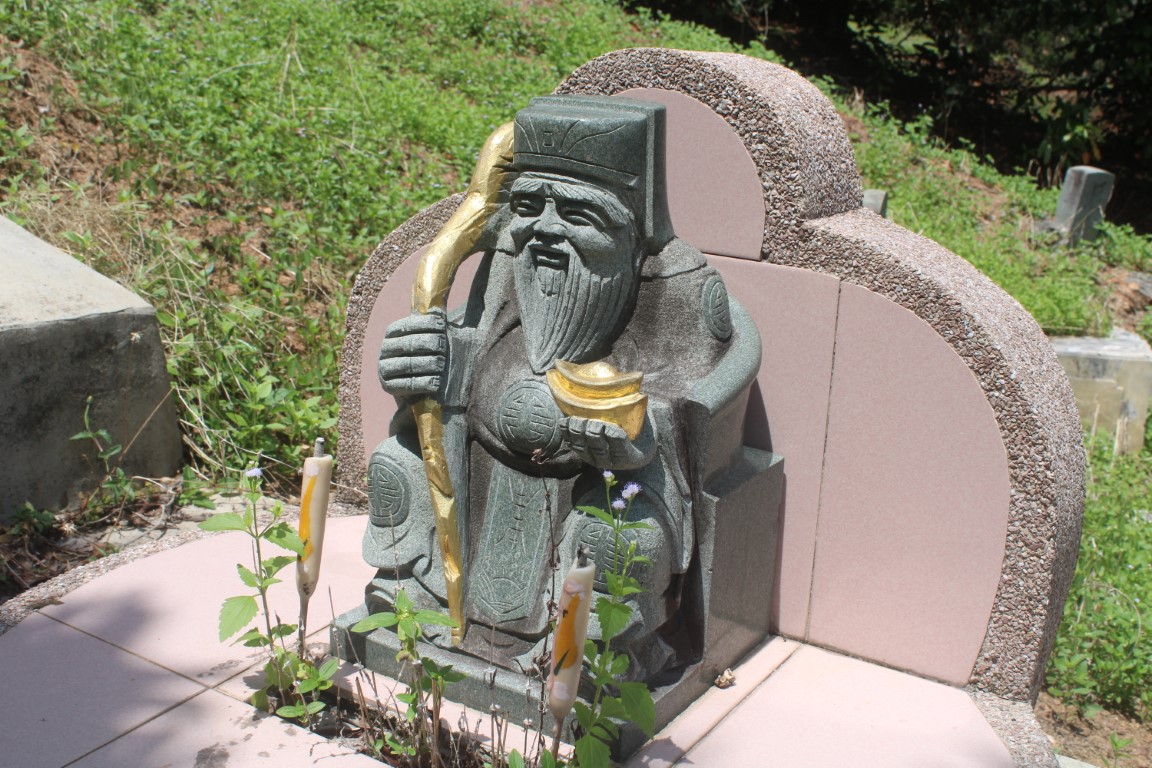
“Monkey God Temple” [Properly, 齊天府]
Cheng Hoon Teng (Temple of the Green Cloud) is the oldest Chinese temple in Malacca. It is a syncretistic temple (combining Taoist, Buddhist, Confucian, and Chinese Folk Religion elements.)

FIVE WISE LINES [November 2024]

Inspiration enters at the border between hard work and laziness.

Lu juren in “Poets’ jade splinters” [Trans. by Barnstone and Ping in The ART Of Writing]

I will not own anything that will one day be a valuable antique.

Miyamoto musashi in “My way of walking alone” [Dokkōdō] (Trans. by Teruo machida)

A house full of gold and jade can’t be guarded.

Laozi in the DAo De jing [Ch. 9]

Writing is a struggle between presence and absence.

Lu ji in The ART of Writing [Trans. by Barnstone and ping]

The best leaders remain unknown; the next best are praised; the next best are feared, and the worst are mocked.

Laozi in dAo de Jing [Ch.17]

Sonnet 73 by William Shakespeare [w/ Audio]

That time of year thou mayest in me behold
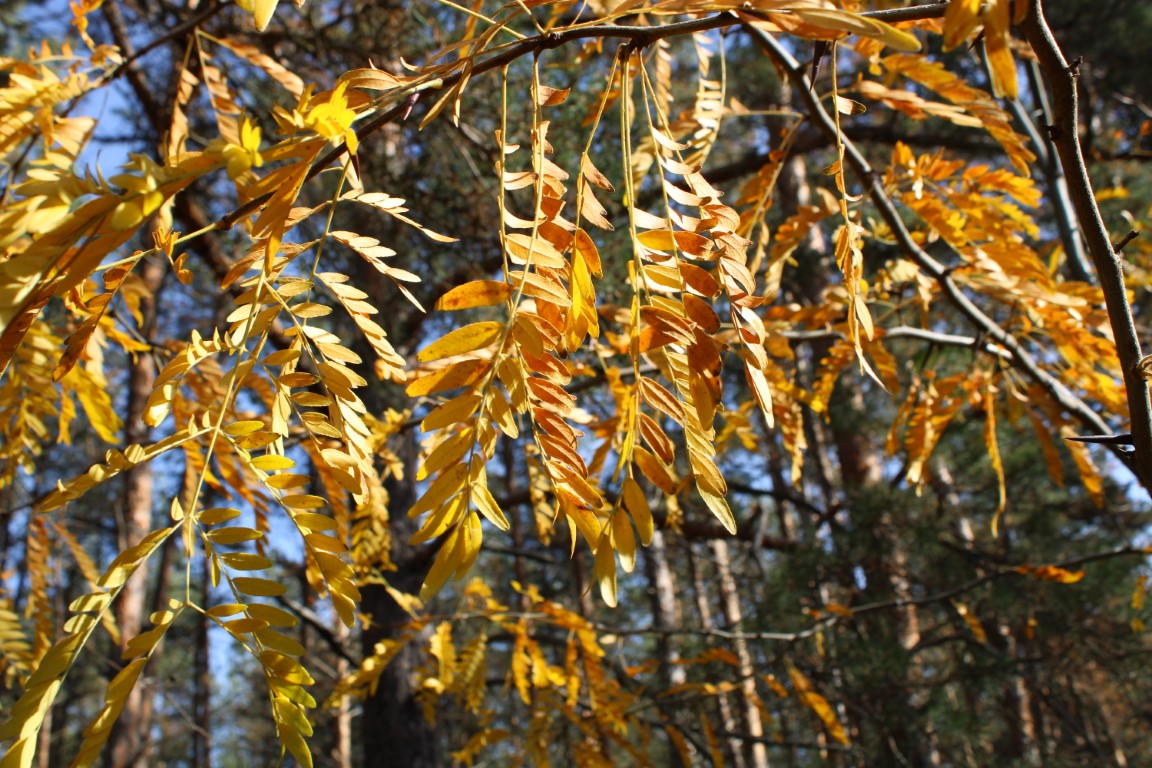
When yellow leaves, or none, or few, do hang
Upon those boughs which shake against the cold,
Bare ruined choirs, where late the sweet birds sang.
In me though seest the twilight of such day
As after sunset fadeth in the west,
Which by and by black night doth take away,
Death's second self, that seals up all in rest.
In me thou seest the glowing of such fire
That on the ashes of his youth doth lie,
As the death-bed whereon it must expire,
Consumed with that which it was nourished by.
This thou perceiv'st, which makes thy love more strong,
To love that well, which thou must leave ere long.

PROMP: Skip

What part of your routine do you always try to skip if you can?

Jumprope.

(Also, going to the loo.)