PROMPT: Learned

Daily writing prompt
What is the last thing you learned?

I was just reading George Bernard Shaw: A Very Short Introduction and learning about how his philosophy informed his plays. In particular, I learned why the play Pygmalion, which I recently read and which is the origin of the popular musical My Fair Lady, has an odd appendix which tells of the main characters’ continued life stories after the events of the play — as Shaw imagined them. Apparently, audiences pined for a love story between Henry Higgins and Eliza Doolittle, and Shaw never wanted that. Apparently, when Shaw saw what actors and directors were doing to tilt the story toward that love affair, he felt the need to add a postscript to set things straight.

“Glass was the Street – in Tinsel Peril” (1518) by Emily Dickinson [w/ Audio]

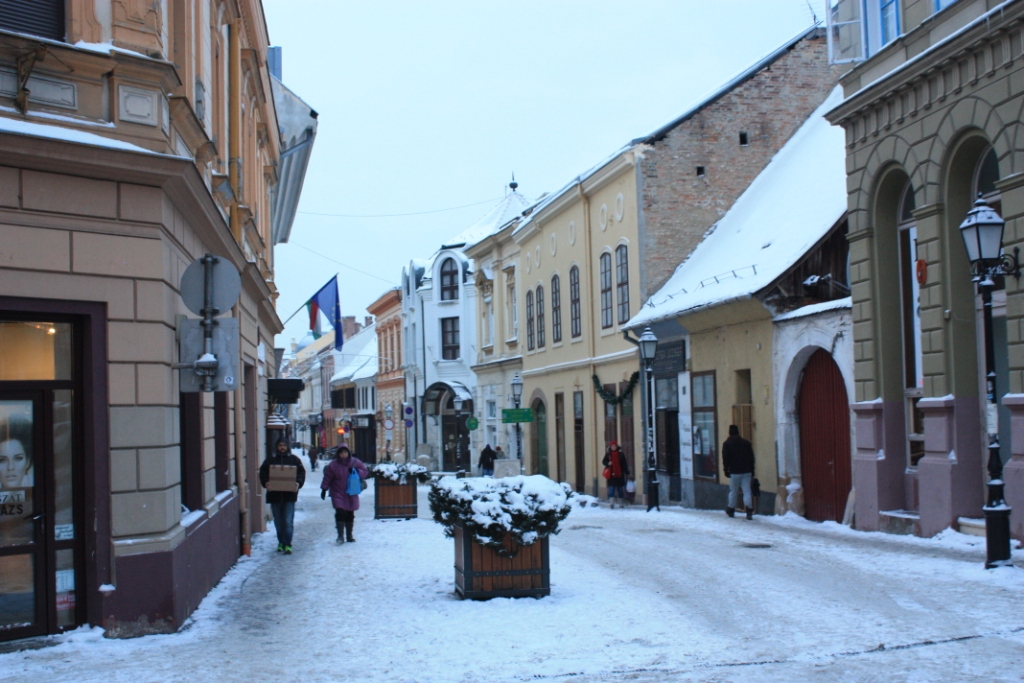
Glass was the Street - in Tinsel Peril
Tree and Traveller stood.
Filled was the Air with merry venture
Hearty with Boys the Road.

Shot the lithe Sleds like Shod vibrations
Emphacized and gone
It is the Past's supreme italic
Makes the Present mean --

BOOKS: “Troublesome Words” by Bill Bryson

Bryson's Dictionary of Troublesome Words: A Writer's Guide to Getting It RightBryson’s Dictionary of Troublesome Words: A Writer’s Guide to Getting It Right by Bill Bryson
My rating: 5 of 5 stars

Publisher Site – Penguin Books

This is a guide to English words (and loanwords) that challenge even professional writers. It’s organized as a dictionary, and – in fact – the earliest edition of the book was entitled The Penguin Dictionary of Troublesome Words. However, the entries are far from mere definitions, and typically include examples of grammatical, stylistic, or spelling offenses, examples that are sometimes humorous (as are Bryson’s explanations.)

The most common classes of troublesome words are those that are redundant (or otherwise fail to add information) and pairs or groups of words that are frequently confused because of similar spellings or close — but not identical — meanings. That said, there are many other varieties of linguistic challenges confronted by the book, such as spelling mistakes and migrating meanings.

The book is dated. For some readers, that will make the book obsolete, but students of language may find it’s even more useful in showing the evolution of the language. This can be seen with respect to migrating meanings, words whose meanings started out being one thing but against the efforts of grammarians and other linguistic guardians were dragged into an alternate meaning by the force of mass usage. There are some instances where Bryson advises one to honor the original meaning and other cases where he points out that the ship has sailed and to just go with the flow. I’m sure these positions would shift if this book were to be updated again. (Originally written in the 1980’s, the book was revised and update in the early 2000’s, but language has continued to shift in these 20+ years.) In several cases words for which he suggests we stick to the original meaning have now completed their slide. (And many of the words he tells us to accept the changed meaning of are now so far past that original meaning that few readers will be aware the word ever meant something different.)

That being said, the book isn’t completely obsolete. As mentioned above, one of the most common classes of offenses are redundant and meaningless words, and these are almost all still relevant to writers today.

Bill Bryson has a unique relationship to the language, being both British and American, and one nice feature of the book is that he points out differences in spelling and usage that exist between the two countries.

There is an appendix discussing proper punctuation, a bibliography, and a glossary of linguistic terms.

If you’re reading this out of an interest in language, I’d recommend it. It’s light and humorous. However, if you’re in the market for a reference guide, you can surely find a more up to date (if less humorous) guide.

View all my reviews

What I Know about Beaches [Free Verse]

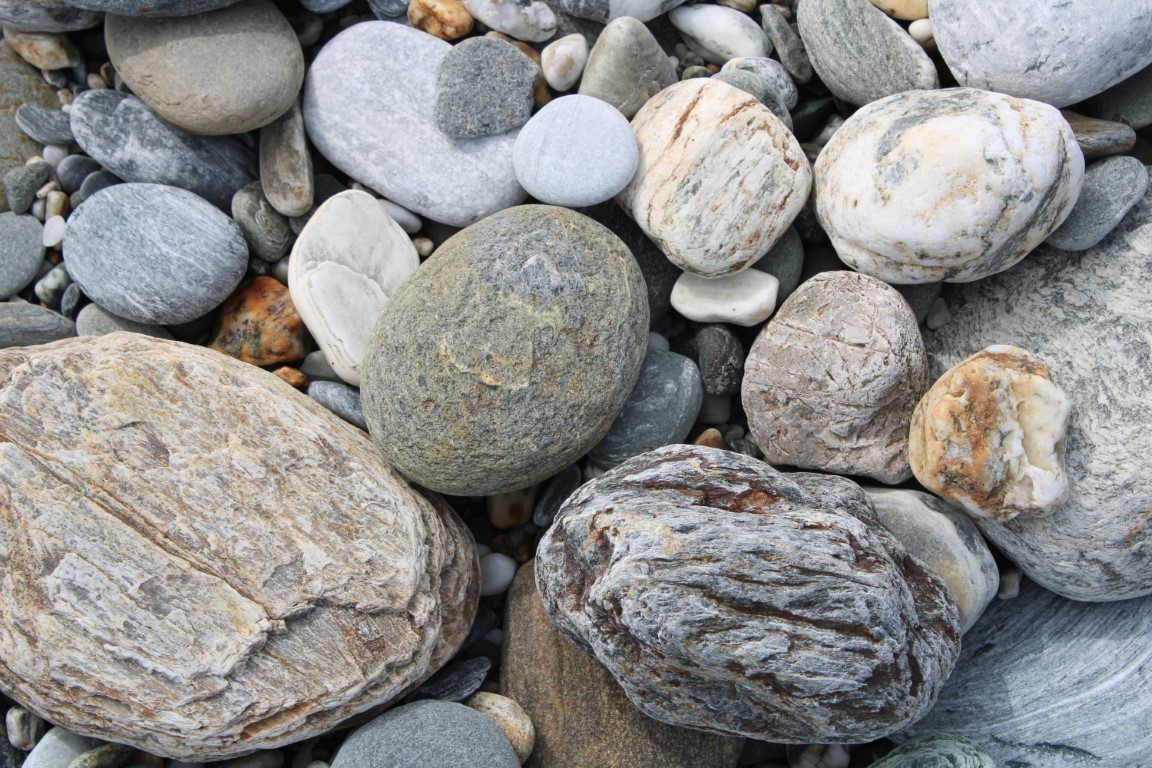
On a sandy beach,
I think of each grain
of sand as being
the same.

But on a pebble beach,
Each stone has its own
color, texture, size,
and shape.

It's made me second guess
What I know about beaches.

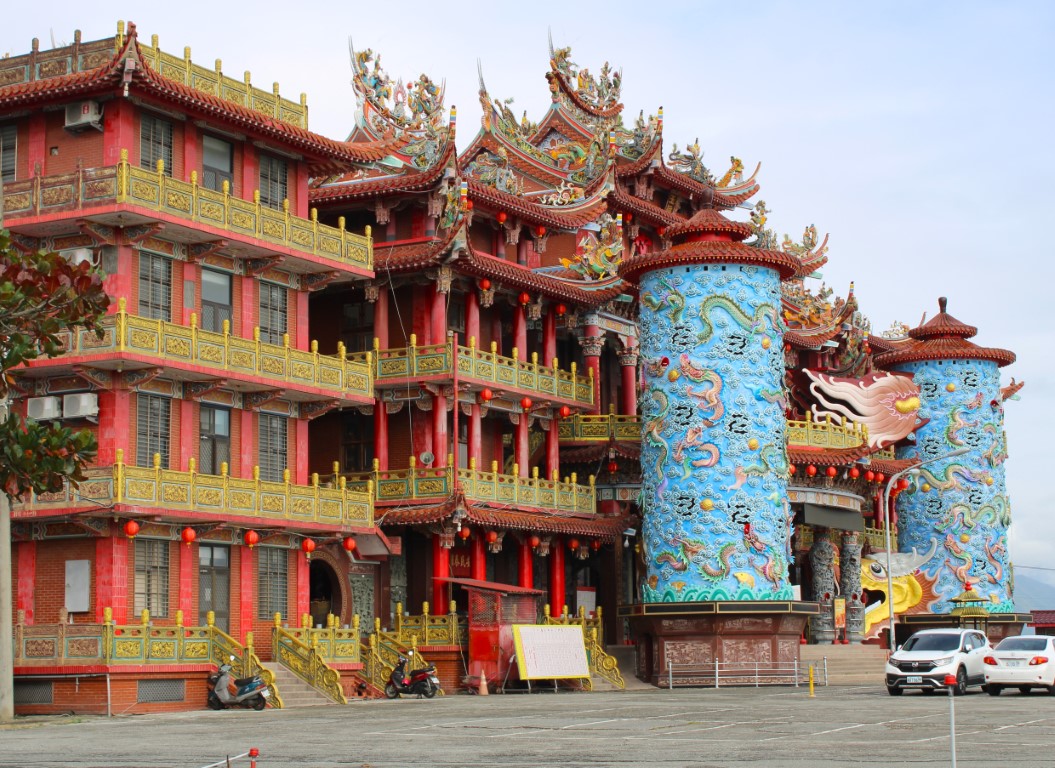
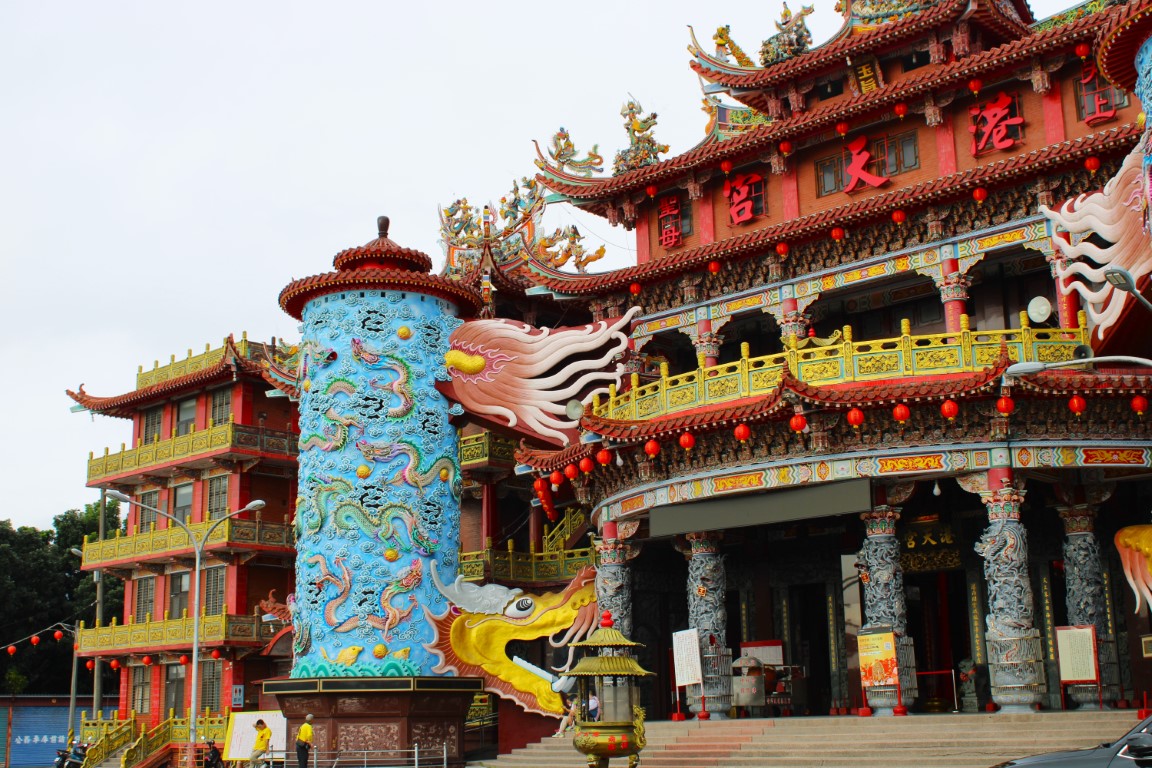
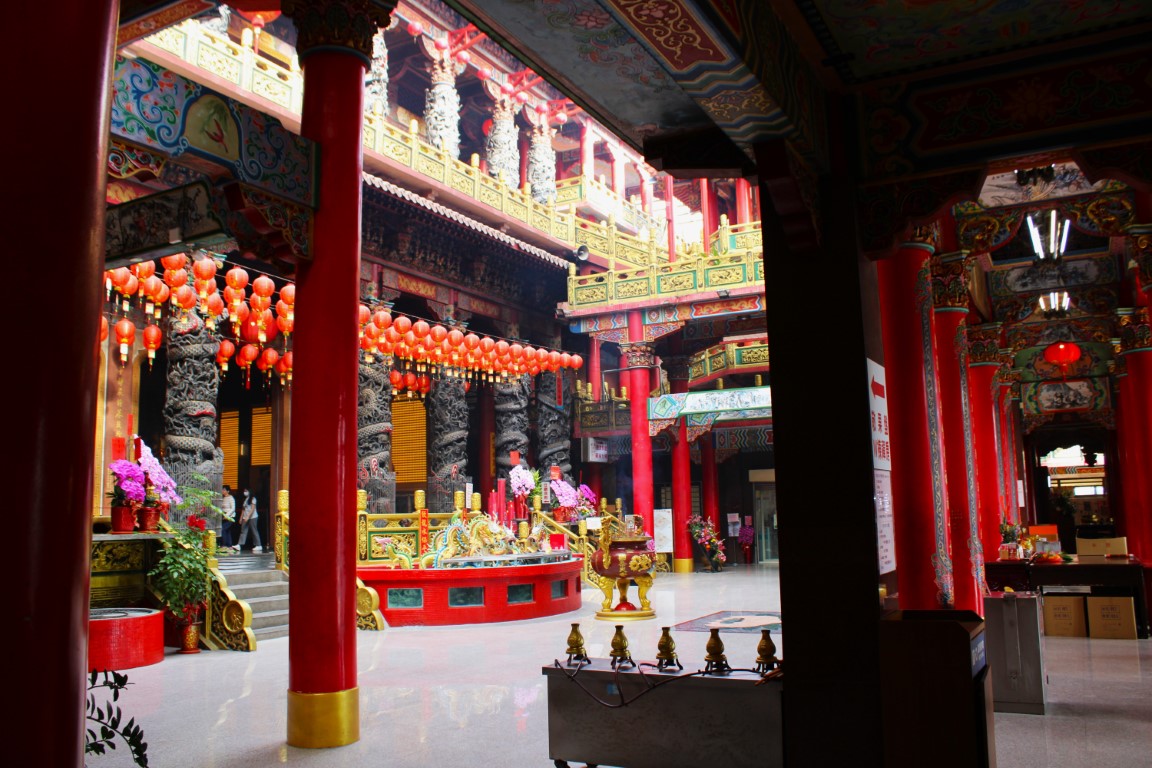
DAILY PHOTO: Gangtian Temple, Hualien

PROMPT: Hated Question

Daily writing prompt
What is one question you hate to be asked? Explain.

Being a traveler who lives abroad, the answer is simple: “Where are you from?”

As a traveler, I can’t grasp tribal / jingoistic people’s obsession with where one fell out of one’s mom, and it always feels a bit xenophobic — as though, noticing one’s foreignness, there is a rush to determine whether one is one of the tolerable foreigners or one of the really bad ones.

As an introvert, the question offends my preference to be talked to by people who have something to say, and to be left alone by people who are just playing out social programming with the objective of breaking silence that they find objectionable (but which I, as a rule, find delightful.) (Even being highly introverted, I can converse for hours with someone who has something to say on a topic that is neither themselves nor me — i.e. I love ideas but hate small talk and interaction for the sake of interaction.)

Plus, it just gets annoying being asked the same question sixty times a day when I’m in more remote parts — a question, the answer to which will be forgotten in three minutes and is merely sound for sound’s sake. In the unlikely event that one hopes to have an actual conversation with me, one must start with something that is not your culture’s default socially programmed question. One must get to at least the second most commonly asked question, a question varies from person to person (in my case, it’s: “Why are you such an asshole?”)

“Night Mooring” by Zhang Ji [w/ Audio]

The moon sets; crows caw below frosty skies.
Boats, moored to maples -- lamps glow like cat eyes.
Cold Mountain Temple, outside Gusu's bounds:
The midnight bell cuts off soft water sounds.

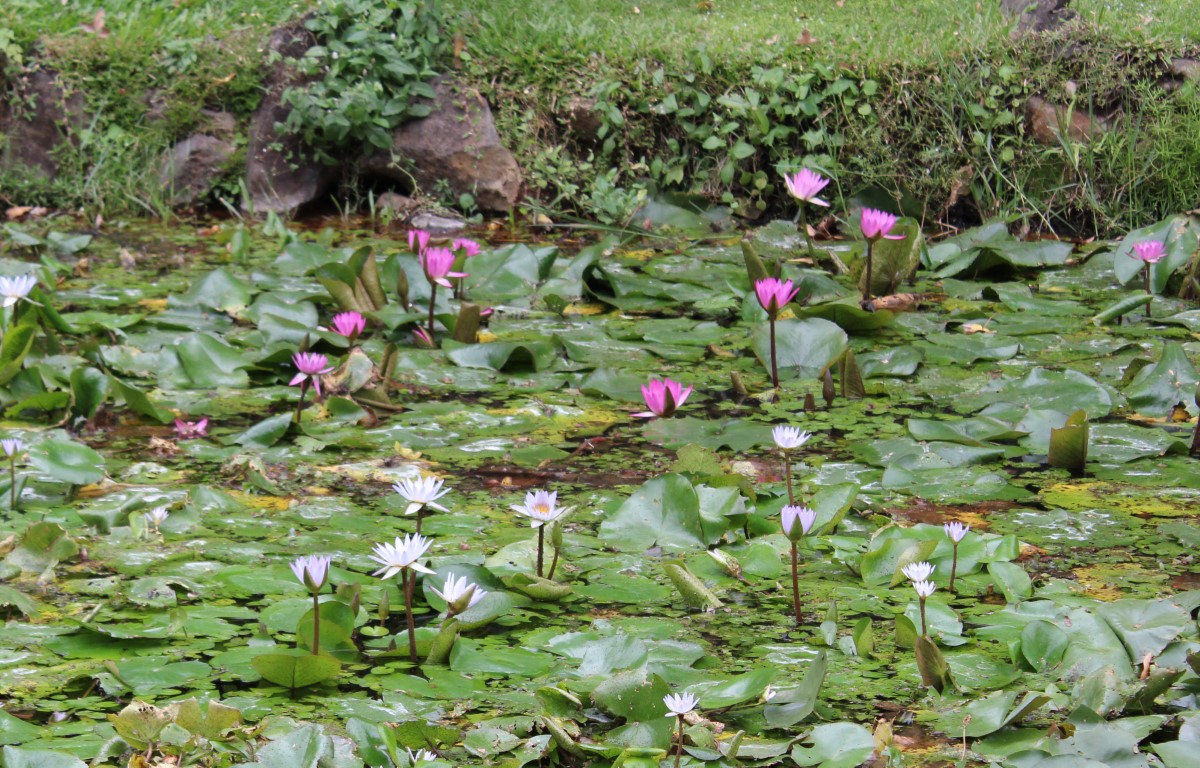
Cold Lilies [Haiku]

water lilies
on a cold, gray day:
half-open, unkempt.

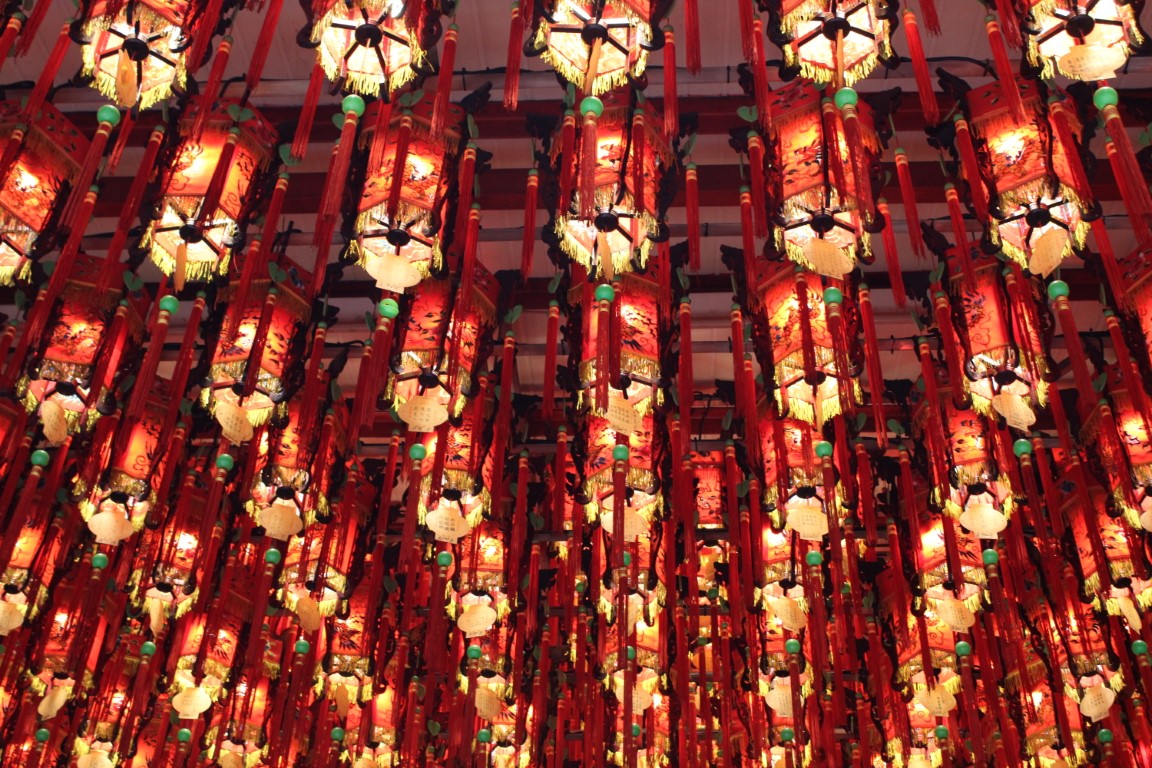
DAILY PHOTO: Colorful Lanterns of Taipei

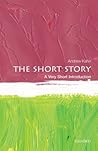
BOOK: “The Short Story: A Very Short Introduction” by Andrew Kahn

The Short Story: A Very Short Introduction (Very Short Introductions)The Short Story: A Very Short Introduction by Andrew Kahn
My rating: 4 of 5 stars

Publisher Site – OUP

This guide provides an overview of the short story, particularly literary short stories (though it’s not without mention of genre fiction.) The book is well organized and offers some fascinating food for thought, particularly regarding the psychology of character and the distinctions between short stories and novels. (The former are not to be thought of as pared down versions of the latter.)

I will say that, for a concise introduction, the book does occasionally get into the weeds on specific issues, potentially losing the non-specialist reader who this series is ostensibly geared toward.

I found the book’s organization to be logical and productive to its task. After an introduction that explores the advent and history of the short story, most of the chapters deal with structural or compositional aspects of story, including: openings, voice, setting, plot, irony / reversal, and endings. One chapter (Ch. 6) stands out as a bit different in that it zooms in on Chekhov and his influence on the short story as we’ve come to know it. While this could be said to demonstrate the author’s tendency to zoom in the specificity more than is usual for such a guide, I did find the chapter interesting and enlightening.

If one is interested in the short story (as a reader, writer, or both) one will find this guide worth one’s attention.

View all my reviews