Farewell, thou art too dear for my possessing,
 And like enough thou know'st thy estimate.
 The charter of thy worth gives thee releasing:
 My bonds in thee are all determinate.
 For how do I hold thee but by thy granting,
 And for that riches where is my deserving?
 The cause of this fair gift in me is wanting,
 And so my patent back again is swerving.
 Thyself thou gav'st, thy own worth then not knowing,
 Or me, to whom thou gav'st it, else mistaking;
 So thy great gift, upon misprision growing,
 Comes home again, on better judgement making.
   Thus have I had thee as a dream doth flatter:
   In sleep a king, but waking no such matter.
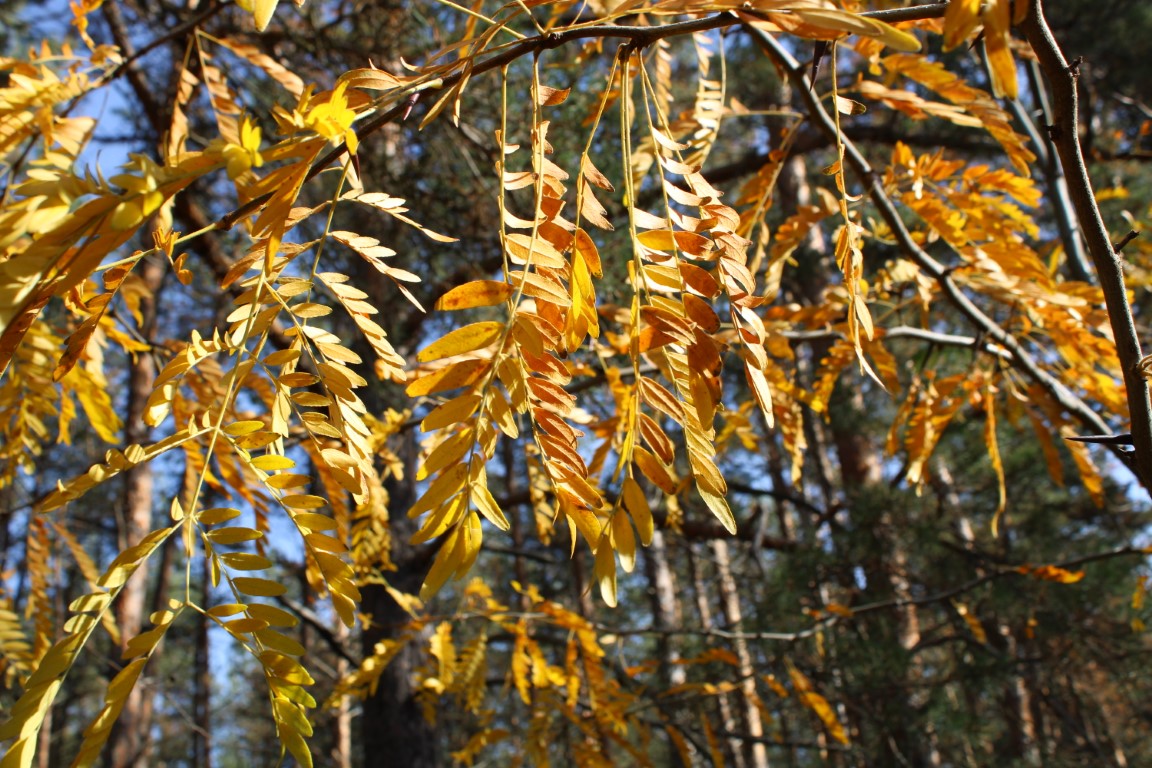
O hushed October morning mild,
 Thy leaves have ripened to the fall;
 Tomorrow's wind, if it be wild,
 Should waste them all.
 The crows above the forest call;
 Tomorrow they may form and go.
 O hushed October morning mild,
 Begin the hours of this day slow.
 Make the day seem to us less brief.
 Hearts not averse to being beguiled,
 Beguile us in the way you know.
 Release one leaf at break of day;
 At noon release another leaf;
 One from our trees, one far away.
 Retard the sun with gentle mist;
 Enchant the land with amethyst.
 Slow, slow!
 For the grapes' sake, if they were all,
 Whose leaves already are burnt with frost,
 Whose clustered fruit must else be lost --
 For the grapes' sake along the wall.
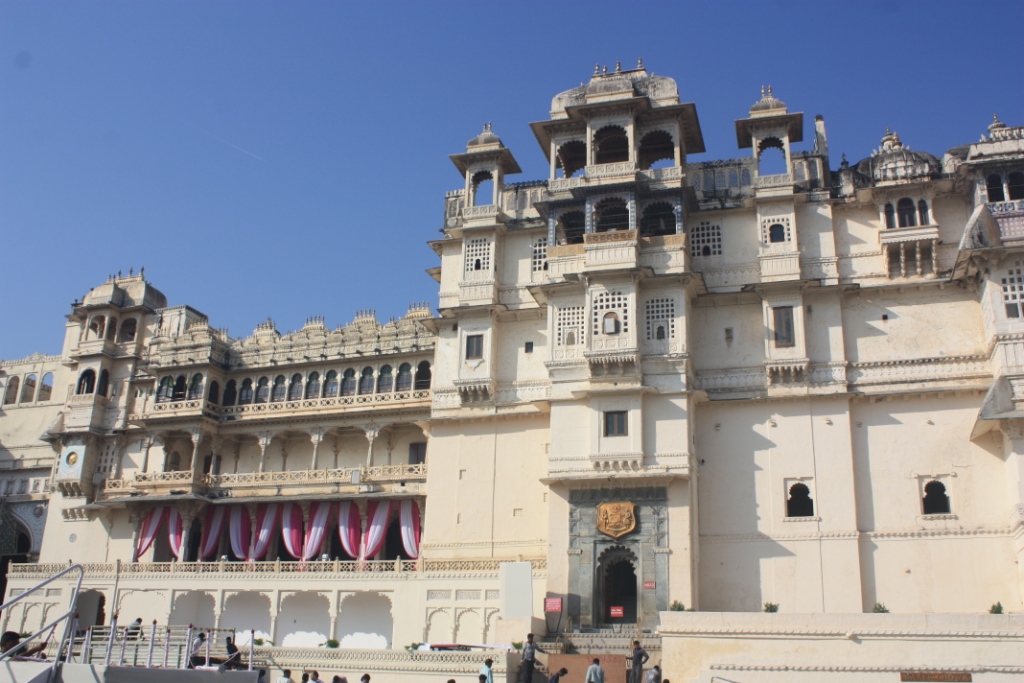
Even in a palace, life may be led well!
 So spake the imperial sage, purest of men,
 Marcus Aurelius. But the stifling den
 Of common life, where, crowded up pell-mell,

Our freedom for a little bread we sell,
 And drudge under some foolish master's
   ken
 Who rates us if we peer outside our pen --
 Match'd with a palace, is not this a hell?

Even in a palace! On his truth sincere,
 Who spoke these words, no shadow ever
   came;
 And when my ill-school'd spirit is aflame

Some nobler, ampler stage of life to win,
 I'll stop, and say: "There were no succour
   here!
 The aids to noble life are all within."
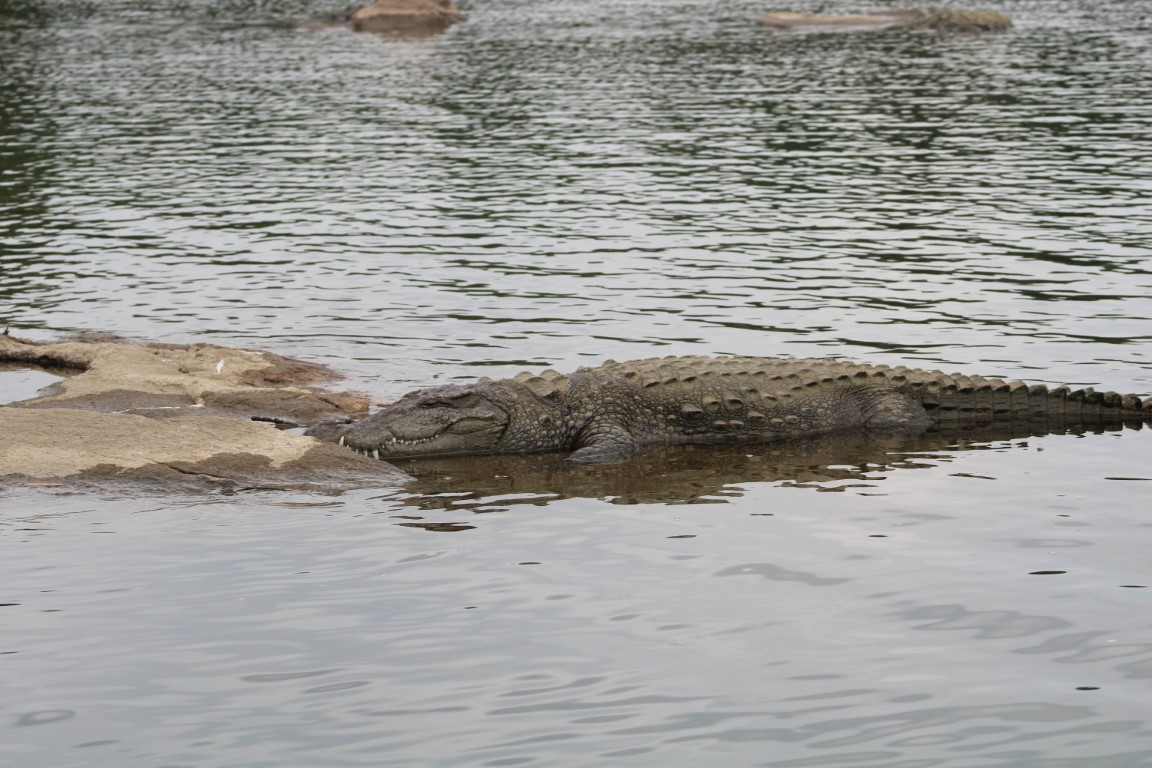
Sunning on the shore,
   As in days of yore
 When the ancient beast
   Stood its ground to feast,
 Waiting for one to crawl
   Near its gaping maw...
 Then, SNAP!
   CRUNCH! - Crunch - crunch...