BOOKS: “The Complete Poems of Paul Laurence Dunbar” by Paul Laurence Dunbar

The Complete Poems of Paul Laurence Dunbar (AmazonClassics Edition)The Complete Poems of Paul Laurence Dunbar by Paul Laurence Dunbar
My rating: 5 of 5 stars

Available online at Project Gutenberg

As the title suggests, this is all the published poetry of Paul Laurence Dunbar. With a career pre-dating the Harlem Renaissance, during which lyric poetry ruled the roost, Dunbar may not be as well-known today as several of the African American poets who came later, but it’s not for being any less masterful.

The collection includes a wide variety of lyric forms from simple quatrains to intermediate length poems of several pages. The content and tones also vary, and there is often a sense of whimsy in the poems that goes beyond just being lyrical in form. Dunbar wrote both in dialect and in standard English. He was a big fan of James Whitcomb Riley’s dialectal work, as a poem in Riley’s honor attests. The dialect poems are easy enough to follow and are a pleasure to read. Dunbar was by no means limited to dialectal writing; he also wrote in Standard English cleverly, and the juxtaposition of his very “proper” poems and the dialectal ones shows a great range.

I’d highly recommend this collection for poetry readers, particularly those who enjoy lyric and dialectal poems.

View all my reviews

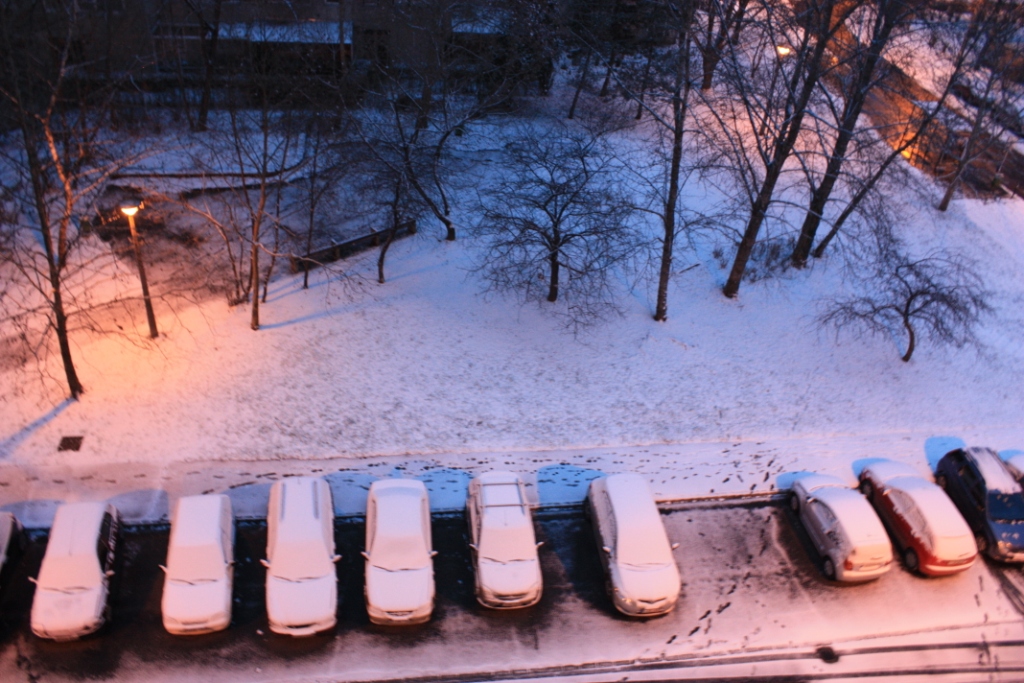
Piano Mind [Haiku]

snow has fallen.
cars of many colors, all white:
a piano-esque lot.

“Without desire everything is sufficient” by Ryōkan Taigu

Without desire everything is sufficient.
With seeking myriad things are impoverished.
Plain vegetables can soothe hunger.
A patched robe is enough to cover this bent old body.
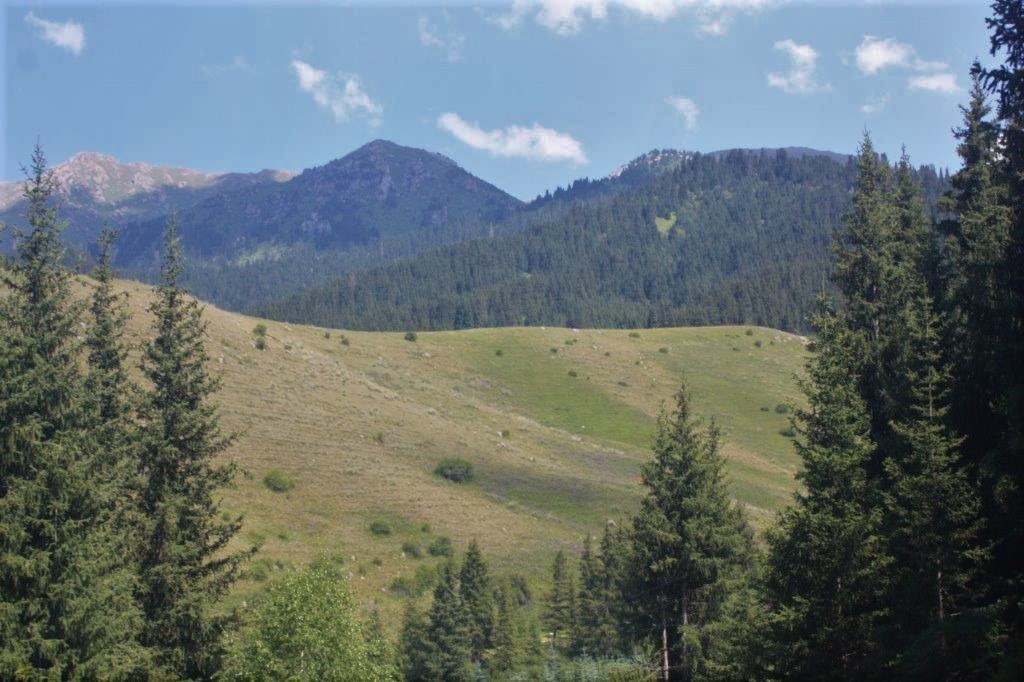
Alone I hike with a deer.
Cheerfully I sing with village children.
The stream under the cliff cleanses my ears.
The pine on the mountain top fits my heart.

Translation by Kazuaki Tanahashi and Daniel Leighton in Essential Zen (1994) HarperSanFrancisco.

Turbulent [Haiku]

wind gusts & rain
turn the placid pond
turbulent.

Swamp Deer [Lyric Poem]

Everyday at an appointed hour
the Swamp Deer takes an anti-shower.
It hooks its antlers into the muck,
and with a twist and shake mud is chucked
upward, where it rains down on the beast.
It's stinky and slimy, but it's cool, at least.

“A Passage to India” by Walt Whitman [w/ Audio]

Passage O soul to India!
Eclaircise the myths Asiatic, the primitive
fables.

Not you alone, proud truths of the
world,
Nor you alone, ye facts of modern
science,
But myths and fables of eld, Asia's, Africa's
fables,
The far-darting beams of the spirit, the
unloos'd dreams,
The deep diving bibles and legends,
The daring plots of the poets, the elder
religions;
O you temples fairer than lilies, pour'd over
by the rising sun!
O you fables, spurning the known, eluding
the hold of the known, mounting to
heaven!
You lofty and dazzling towers, pinnacled,
red as roses, burnish'd with gold!
Towers of fables immortal, fashion'd from
mortal dreams!
You too I welcome, and fully, the same as
the rest!
You too with joy I sing.

Passage to India!
Lo, soul! seest thou not God's purpose from
the first?
The earth to be spann'd, connected by
network,
The races, neighbors, to marry and be given
in marriage,
The oceans to be cross'd, the distant
brought near,
The lands to be welded together.

A worship new I sing,
You captains, voyagers, explorers,
yours,
You engineers, you architects, machinists,
yours,
You, not for trade or transportation only,
But in God's name, and for thy sake, O
soul.

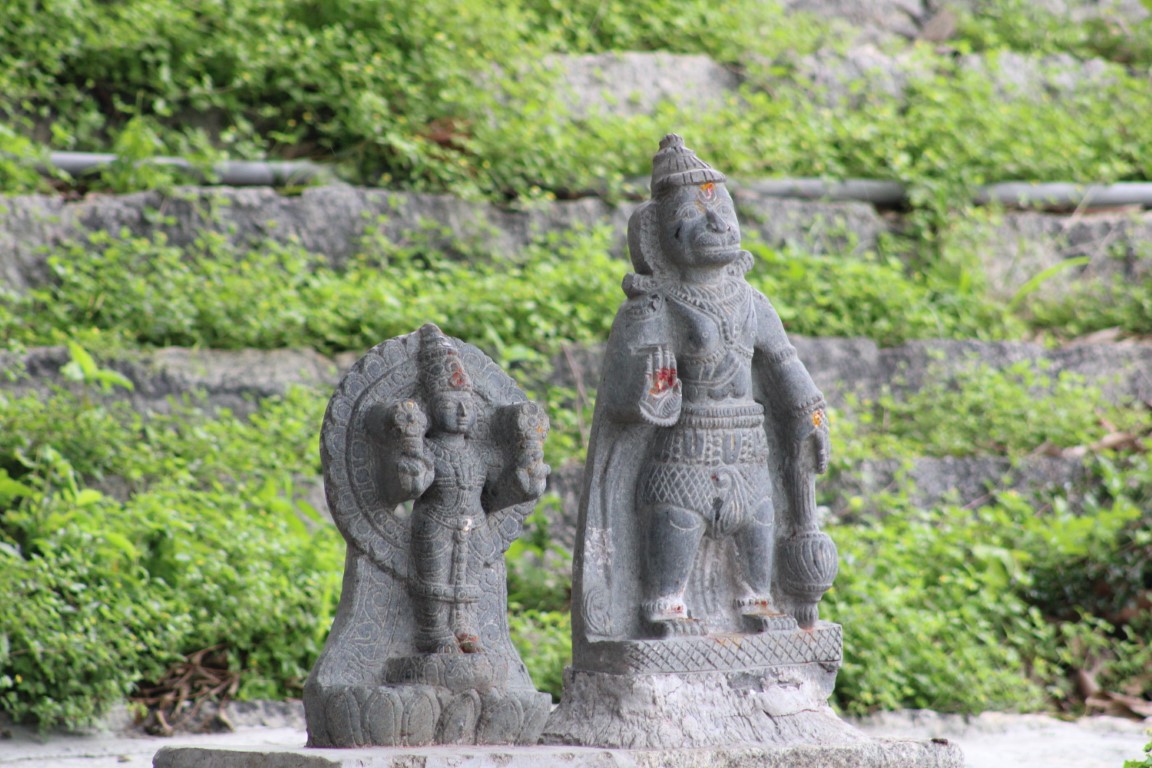
Green [Haiku]

in rainy season,
grass grows from every crack,
closing on idols.

Cheetah [Lyric Poem]

A Cheetah can beat a Porsche to a hundred.
(Imagine the tumble if a clumsy one blundered.)
In fact, Cheetah's are so very, very fast
that your future is way, way back in its past.

FIVE WISE LINES [December 2024]

Today as in ancient times
it’s hard to write a simple poem.

Mei Yaochen in Poets’ Jade Splinters

To be undefeated lies with oneself;
to be victorious lies with the enemy.

Sunzi in The ART of War (孙子兵法)

A buddha is an idle person.
He doesn’t run around after fortune and fame.
What good are such things in the end?

Bodhidharma; Bloodstream Sermon

Not what we have, but what we enjoy, constitutes our abundance.

Epicurus

Take more time, cover less ground.

Thomas Merton

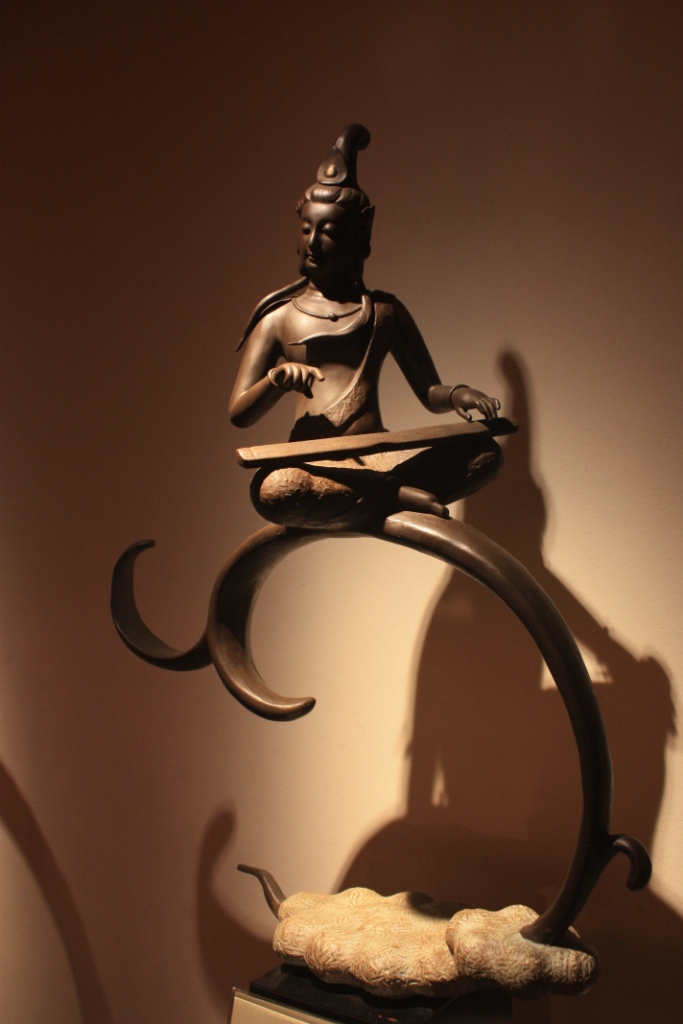
“A One-String Harp” by Lu Ji [w/ Audio]

When an author composes too short a poem,
it trails off with a lonely feeling
like looking down at solitude with no friends
or peering into the vast sky, disconnected.
One string on a harp is crisp and sweet
but sings without resonance and harmony.

Translation by Tony Barnstone and Chou Ping in: The Art of Writing (1996) Boston: Shambhala Publications.