Five Great Yarns from Kahlil Gibran’s The Madman

The MadmanThe Madman by Kahlil Gibran
My rating: 5 of 5 stars

Project Gutenberg Page

The Madman is a collection of poems and short fiction (often micro-fiction) of a philosophical nature. The protagonist claims he became a madman when a thief broke into his house and stole his masks, the masks that people wear to fit into society and appear “normal.” Beyond the thread created by this mad character, the entries meander along, each with its own moral and with little discernible overarching plot.

There are many clever stories in this collection, offering food-for-thought on religion, philosophy, and psychology. I’ll discuss five of my favorites:

“The Sleepwalkers” A mother and daughter are both sleepwalkers. When they are somnambulating, they speak to each other in horribly cruel terms, but when they wake up, they display (at least a veneer of) love and affection. Besides demonstrating the nature of the aforementioned masks, the loss of which gets one designated “crazy,” this story encourages the reader to discern the differences between conscious and subconscious mental activity.

“War” This one presents an analogy for war in which a thief breaks into the wrong building, walks into a machine, pokes his own eye out, and then takes the building owner to court seeking “justice” for his lost eye. The craftsman / shop-owner says he can’t lose an eye because he won’t be able to do his work, but he knows a neighboring craftsman who could have his eye removed without great loss of productivity. This story builds upon the well-known “An eye for an eye…” Bible verse with the added absurdity of violence being doled out randomly and without concern for whether the victim had anything to do with the events in question.

“The Wise King” A disgruntled witch poisons a city well with a substance that makes drinkers insane. The King avoids the well water and is spared insanity. However, the townspeople begin to plot against the king because, in their insanity, they believe him (as one who acts differently) to be insane. The king eventually drinks the well water in order to come back into synch with his subjects. This entry speaks to the arbitrary nature of classification of sane and insane, an idea that has been discussed in modern times by mental health experts such as R.D. Laing.

“The Two Cages” A bird is caged next to a lion. The bird’s confidence provides the central lesson, knowing they’re both imprisoned separately, the bird refers to the lion as “fellow prisoner.” The power dynamic has changed from that of the jungle. Perhaps, the bird has even happily exchanged its freedom — either for safety or to tear the lion down a little.

“The Eye” In this story, the other sense organs mock the eye after it comments upon how grand a mountain is. The ear can’t hear the mountain and the skin can’t feel the mountain. Therefore, the other senses assume that the eye is either lying or is delusional. This tale speaks to the risk of denying something based on one’s own limited perception.

This book was originally published in 1918 and is in the public domain (most places.) It’s definitely worth the short time investment required to read it.

View all my reviews

Swimming Turtle [Haiku]

on a fine spring day,
 a turtle swims leisurely
  in sun-warmed waters.

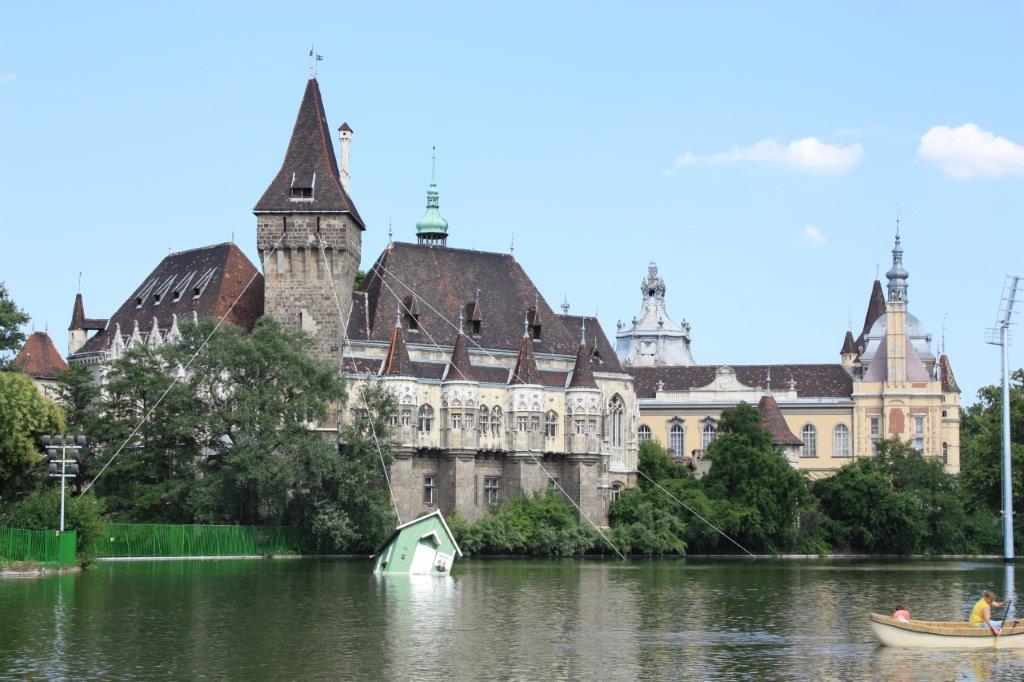
DAILY PHOTO: Vajdahunyad Castle, Budapest

Taken in the Summer of 2011 in Budapest, Hungary.

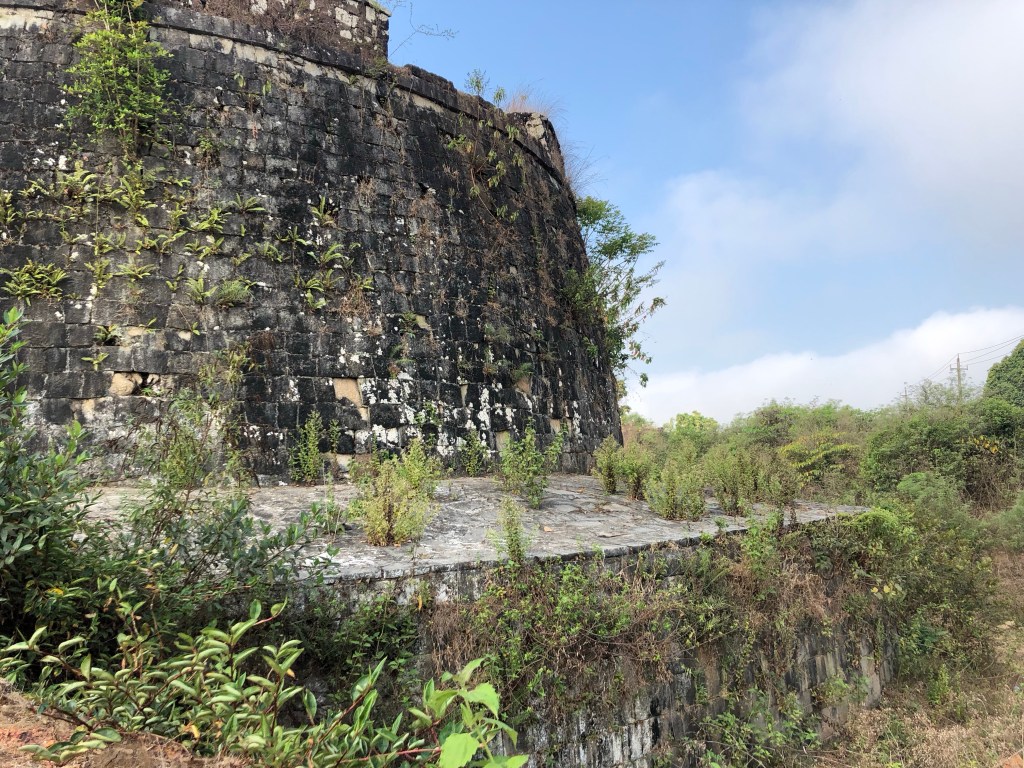
DAILY PHOTO: Overgrown Fortification, Nagara Fort

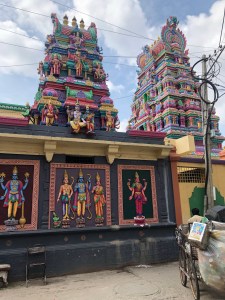
Taken in March of 2023 near Kodachadri

Ikkyū’s Poetry: The John Steven’s Wild Ways Selection / Translation

Wild Ways: Zen Poems of IkkyuWild Ways: Zen Poems of Ikkyu by Ikkyu
My rating: 5 of 5 stars

This is the John Stevens selection and translation of poetry from Ikkyū’s Crazy Cloud Anthology. Ikkyū was what might be called a mad sage of the Rinzai sect of Zen Buddhism. He once showed up at a temple in his vagabond rags and was turned away, when he came back the next day in the ceremonial robes that revealed him as a preeminent monk and was subsequently treated like royalty, he took the robes off and told the abbot that it was apparently the robes that were honored and deserving of a meal. Ikkyū was known not only for his rejection of dogmatic and highfalutin approaches to Buddhism, but also for his love of sex, brothels, meat eating, and poetry. Much of the poetry touches on those two subjects (disdain for dogma and pretension and love of pleasure,) though there are also poems that explore nature and the kind of imagery one might be more likely to expect in Japanese poetry.

Ikkyū mostly wrote in quatrains, using a Chinese style of verse. Though Ikkyū was no more dogmatic about following poetic protocols than he was following monastic precepts, and often went with the flow.

I read the Stephen Berg translation, Crow with No Mouth several years ago. I would put this one on par with that one. There are actually several translated selections from the Crazy Cloud Anthology poems that are available. If you are interested in Ikkyū’s poetry, this is as good a place to start as any. It should be noted that while some of the poetry is around sexuality, it’s not particularly graphic but more suggestive.

View all my reviews
Orwell’s Politics and the English Language

Politics and the English LanguagePolitics and the English Language by George Orwell
My rating: 5 of 5 stars

Available online at The Orwell Foundation

In this essay, Orwell decries a scourge of weak writing in the English language, writing marked by cliched phrases, imprecise descriptors, meaningless words, and pretension. In short, he tells us that writing is becoming simultaneously more verbose and less meaningful.

While the essay isn’t as fun to read as George Carlin’s rants on the same subject, it’s a clear and well-organized discussion of this flaw. Orwell presents the problem, offering examples of random unreadable passages and discussion of where each goes awry. He also contrasts a clear and concise Biblical passage with how its message would sound translated into this corrupt modern form of the language. (That’s the most comedic portion of the essay.) Next, Orwell offers writers simple questions they might apply to making their writing less bloated and more impactful. The key insight of the essay is that thought corrupts language, but language also corrupts thought.

The essay is almost eighty years old, but the problem persists — particularly among politicians, a class of people who love to both sound impressive but without saying anything definitive, anything that might pin them down. That said, since Orwell we’ve developed new linguistic afflictions unique to the internet age, and the essay could probably use updating. Still, it’s an excellent place to start one’s reflection on what’s going wrong in the English language.

View all my reviews

Grass Waves [Haiku]

when calmness hushes
 the Spring winds, the grass still
  waves off the departed.

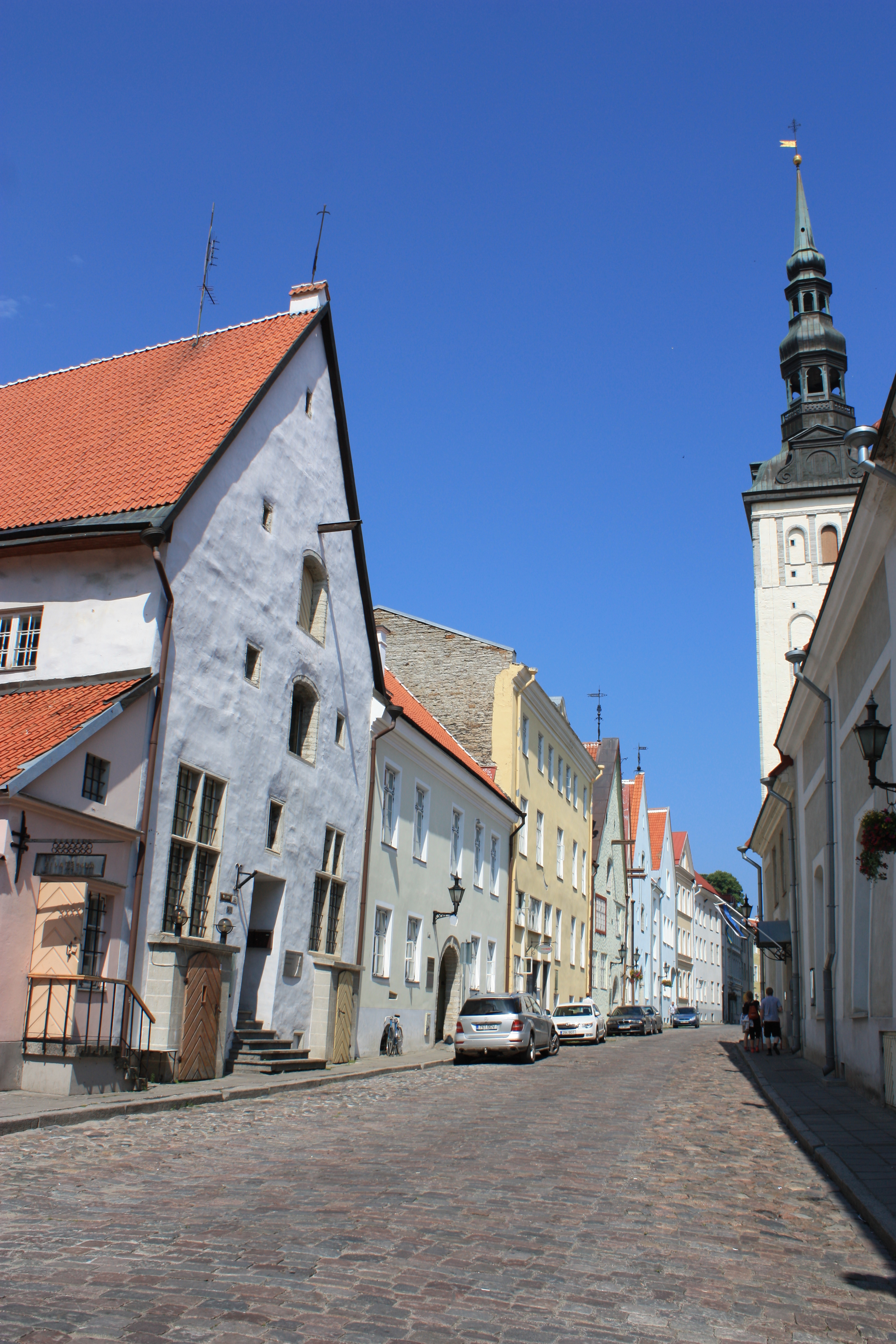
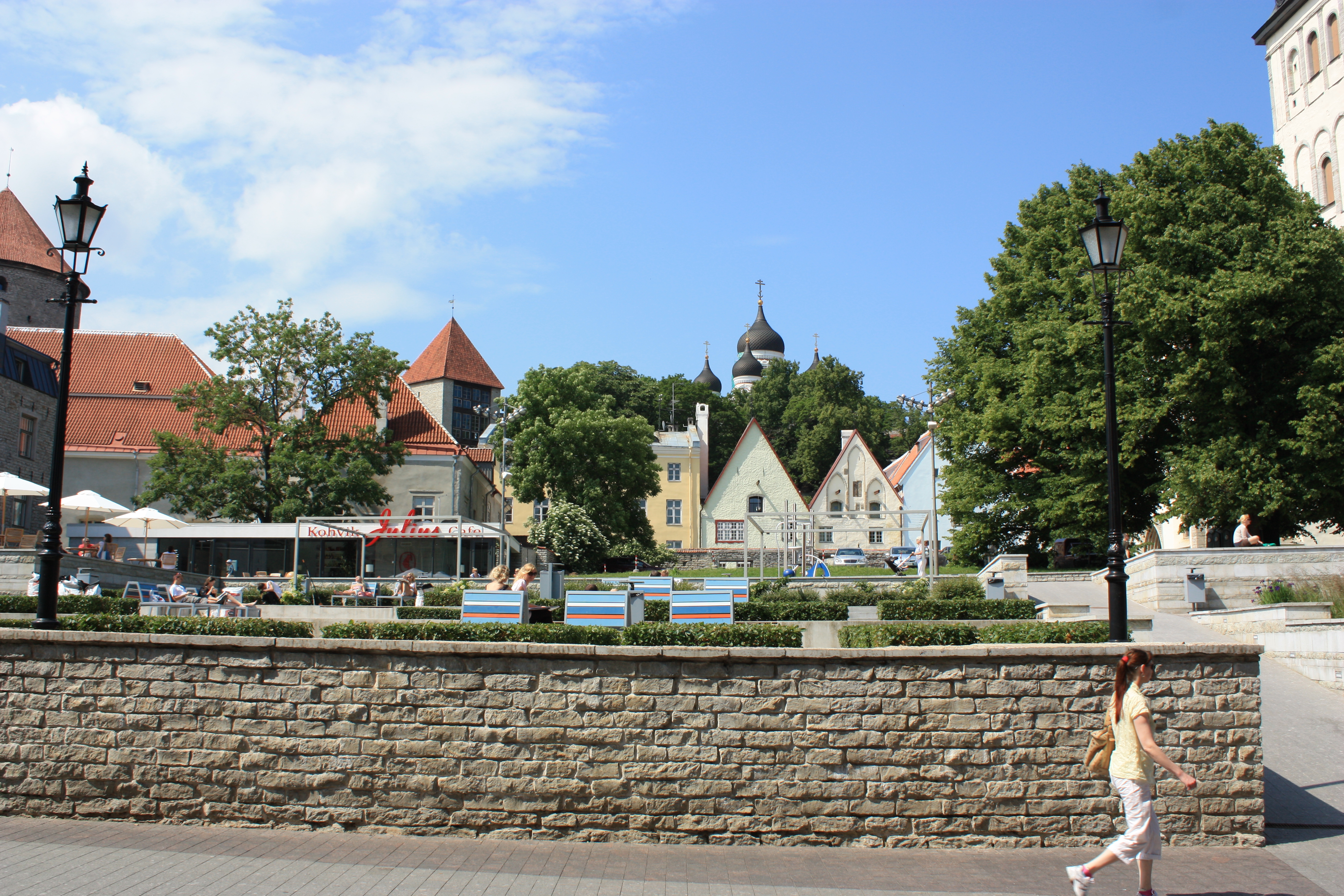
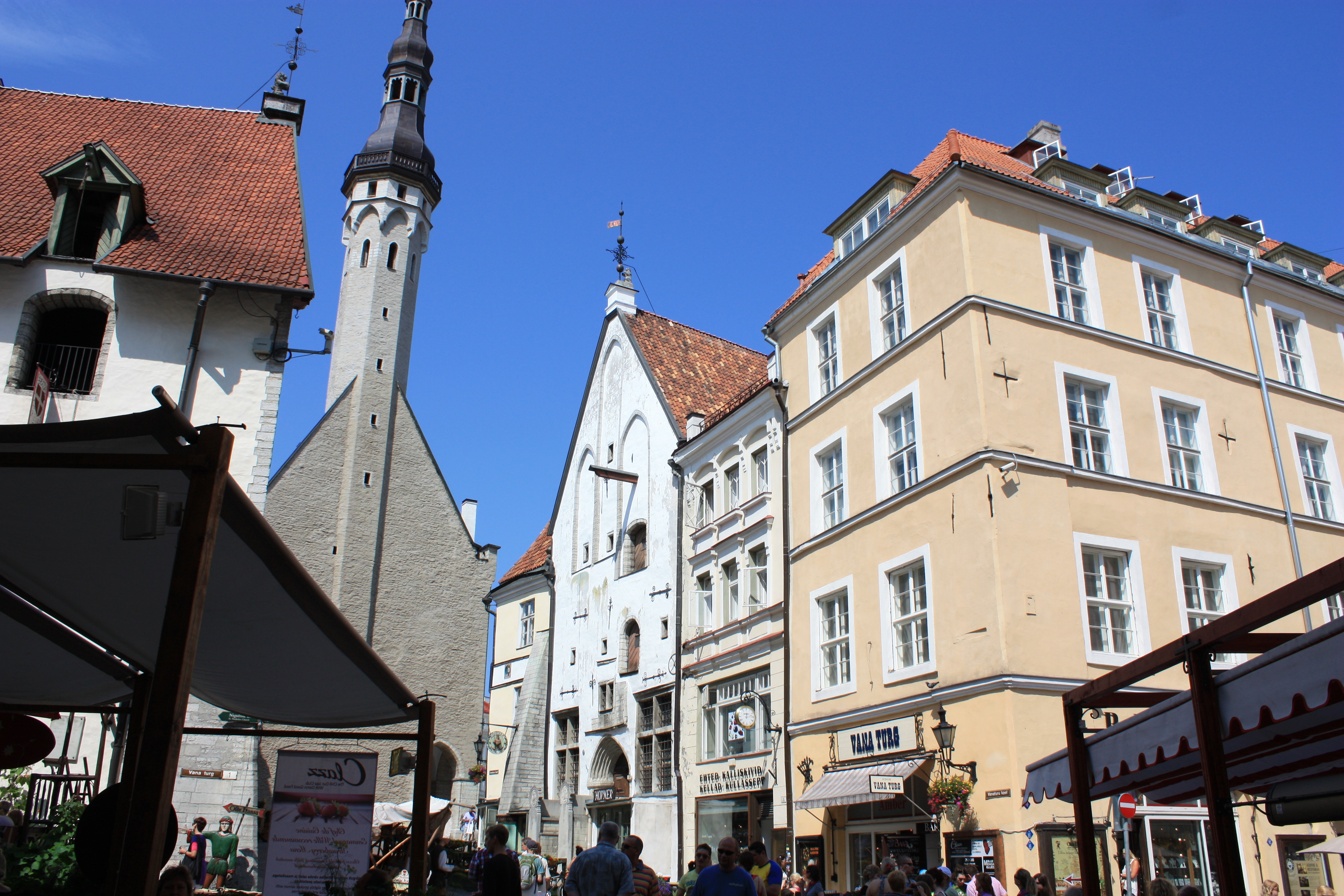
DAILY PHOTO: Scenes from Tallinn’s Old Town

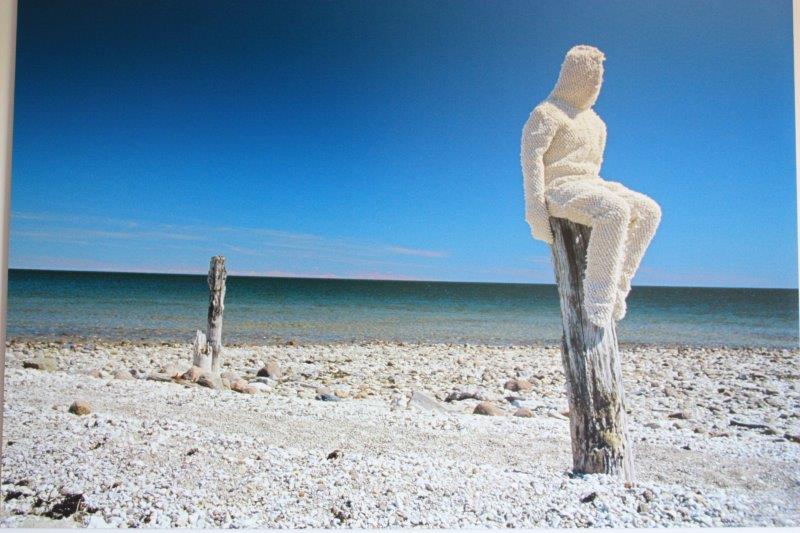
Scarecrow [Free Verse]

Scarecrow, n. - that which exists 
                         solely to evoke fear.

There are so many scarecrows:
   global - the end of the world
                    as we know it.
   societal - the end of the tribe
                    as we know it.
   individual - scarecrows of the soul.

Scarecrows lead us into the worst
        versions of ourselves: 
 The one who's stressed, and mean
        because of it.
 The one who imagines conspiracy
        around every corner.
 The one who sees threat in every
        change & in every difference.
 The one who wants an orderly world
        of people just like themselves -
        familiar, cozy, and lacking surprises.

Scarecrows even march us off to war,
        and war should be the scariest state
              imaginable --
        death doled out on a random basis.
 
War should be the scariest, but terrible certainties
         spur less fear than any old uncertainty.