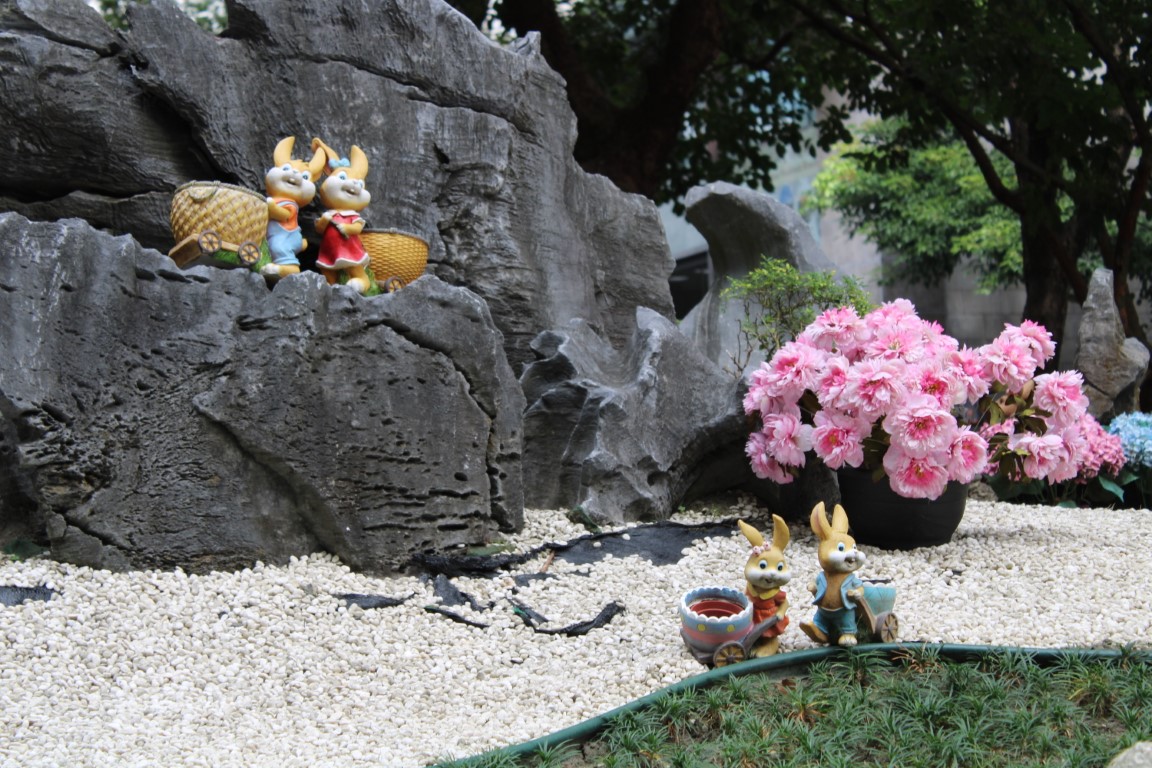
Nothing is what it seems,
     or as it feels it should be.

The world is full of
     smoke & mirrors --
          neither here nor there...

And yet everywhere...
      & everywhen.

Nothing is what it seems,
or as it feels it should be.
The world is full of
smoke & mirrors --
neither here nor there...
And yet everywhere...
& everywhen.
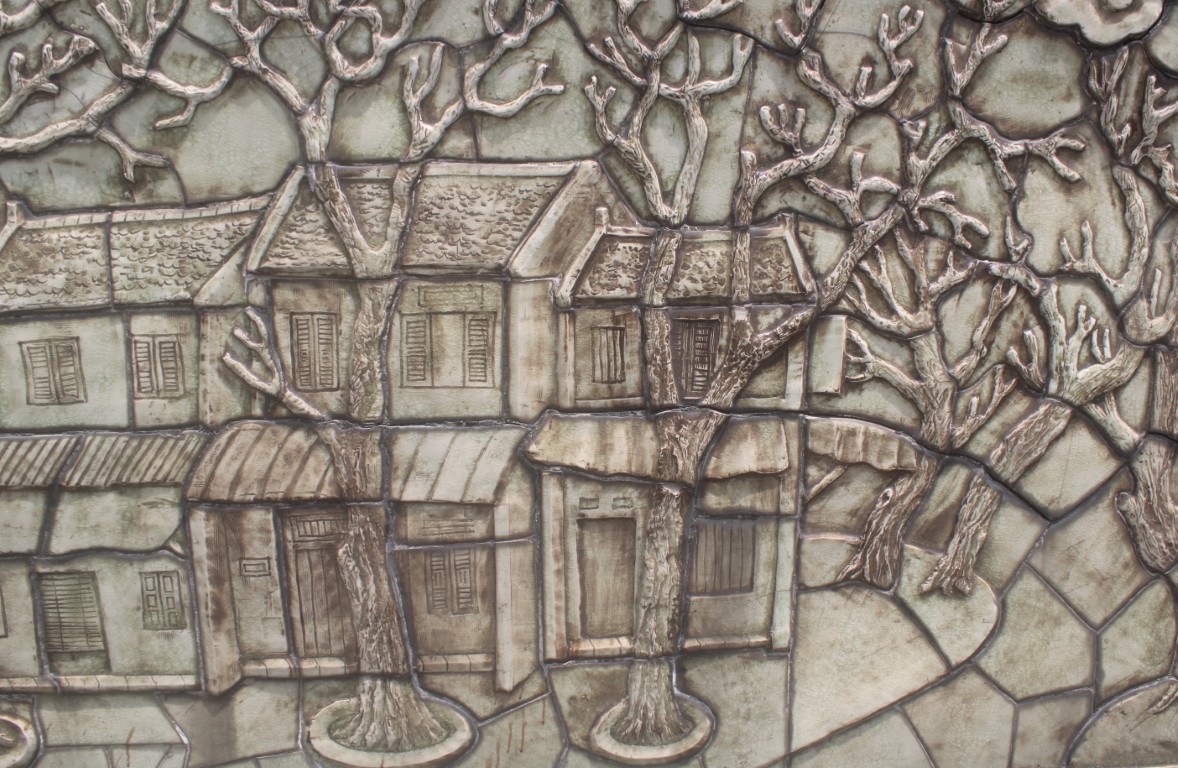
The aim of introduction is to conceal a person’s identity.
George Mikes, How To Be an Alien
From the beginning our philosophers have tried to teach us how to die,
Jonathan weiner, Long for this world
and our poets have taught us that to contemplate death
is to learn to live.
Nothing is harder to see into than people’s natures.
Zhuge liang [a.k.a. Kongming], The WAy of the General
To know how to eat is to know how to live.
Auguste Escoffier
Reality can be beaten with enough imagination.
Mark twain
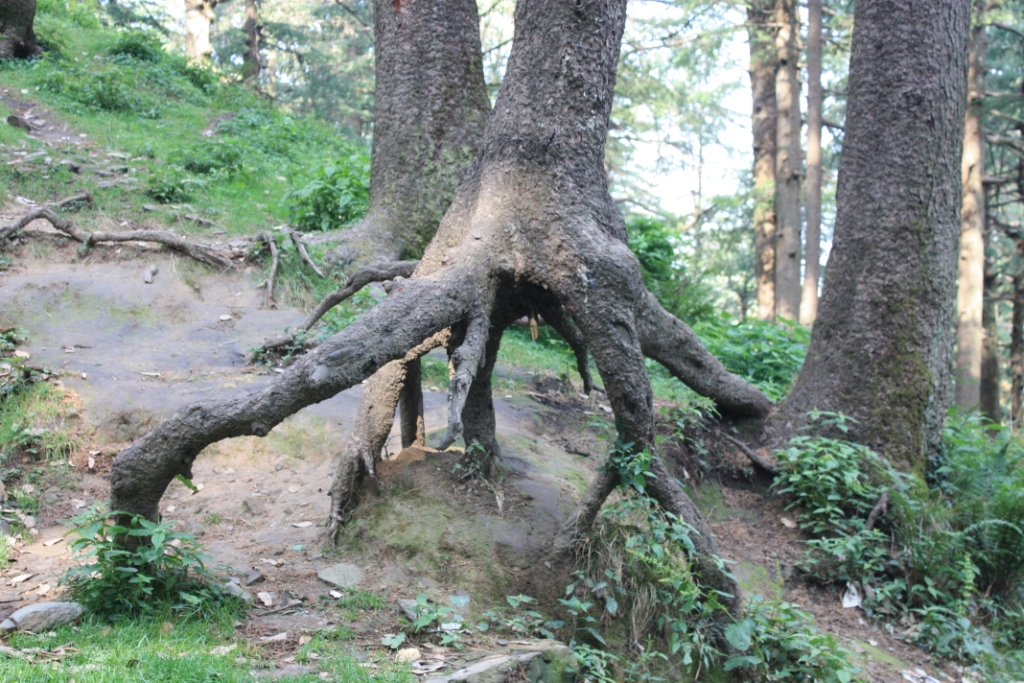
On a hike,
    I come upon a tree
       Raised up on its roots,
       As if in mid-stride --
       A long, cartoonish stride
   That stretches across the trail.

But the tree doesn't stir --
   No matter how quietly I wait;
   No matter how long I wait.

Oh, how I wish to catch the tree
   As it flees.
Take this kiss upon the brow!
 And, in parting from you now,
 Thus much let me avow --
 You are not wrong, who deem
 That my days have been a dream;
 Yet if hope has flown away
 In a night, or in a day,
 In a vision, or in none,
 Is it therefore the less gone?
 All that we see or seem
 Is but a dream within a dream.

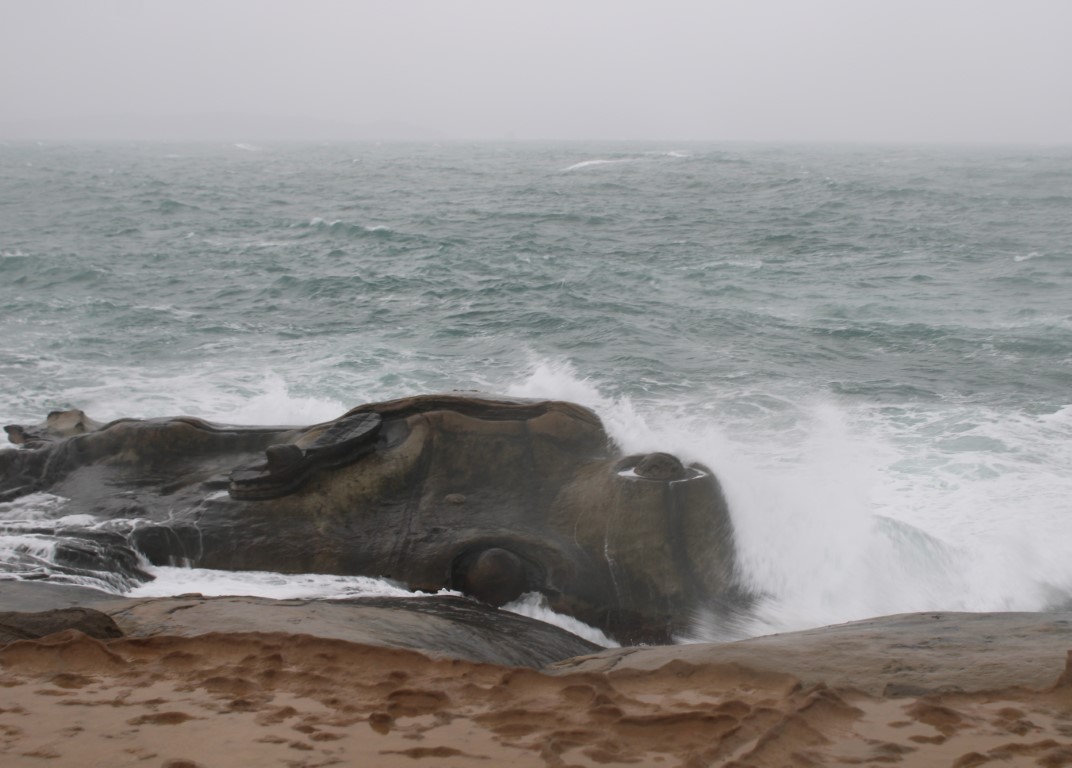
I stand amid the roar
 Of a surf-tormented shore,
 And I hold within my hand
 Grains of the golden sand --
 How few! yet how they creep
 Through my fingers to the deep,
 While I weep -- while I weep!
 O God! Can I not grasp
 Them with a tighter clasp?
 O God! can I not save
 One from the pitiless wave?
 Is all that we see or seem
 But a dream within a dream?
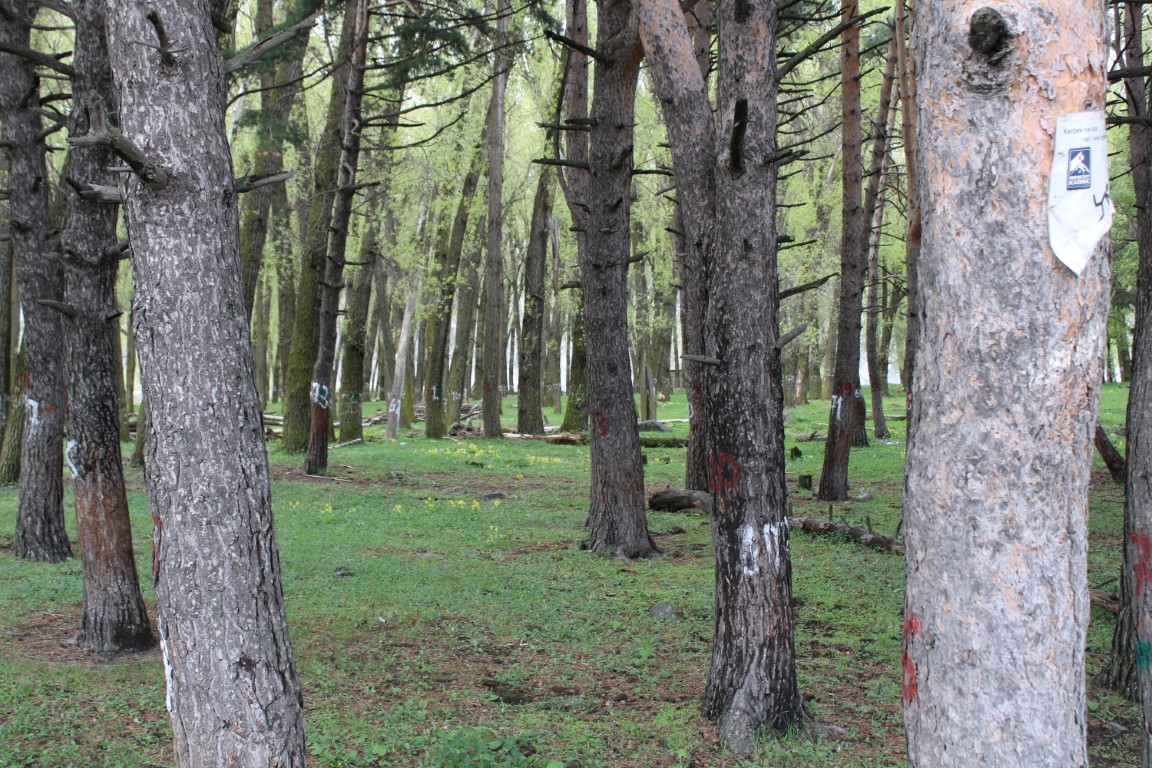
Plain and simple words are chosen,
   Even to express tangled thoughts.
 Then one comes upon a hermit,
   And one glimpses the heart of Dao.
 The clear stream burbles its soft song
   Amid the shady ancient pine grove.
 A woodsman passes with his cordwood;
 A stranger listens to a lute song.
 A strong feeling takes one over,
    Bringing with it bliss and wonder,
    And one's easy link with heaven
    Is tender as the sound of water.
NOTE: The late Tang Dynasty poet, Sikong Tu (a.k.a. Ssŭ-k‘ung T‘u,) wrote an ars poetica entitled Twenty-Four Styles of Poetry. It presents twenty-four poems that are each in a different tone, reflecting varied concepts from Taoist philosophy and aesthetics. Above is a translation of the eighteenth of the twenty-four poems. Translated titles vary — e.g. Herbert A. Giles titled this translation “Actualities.”
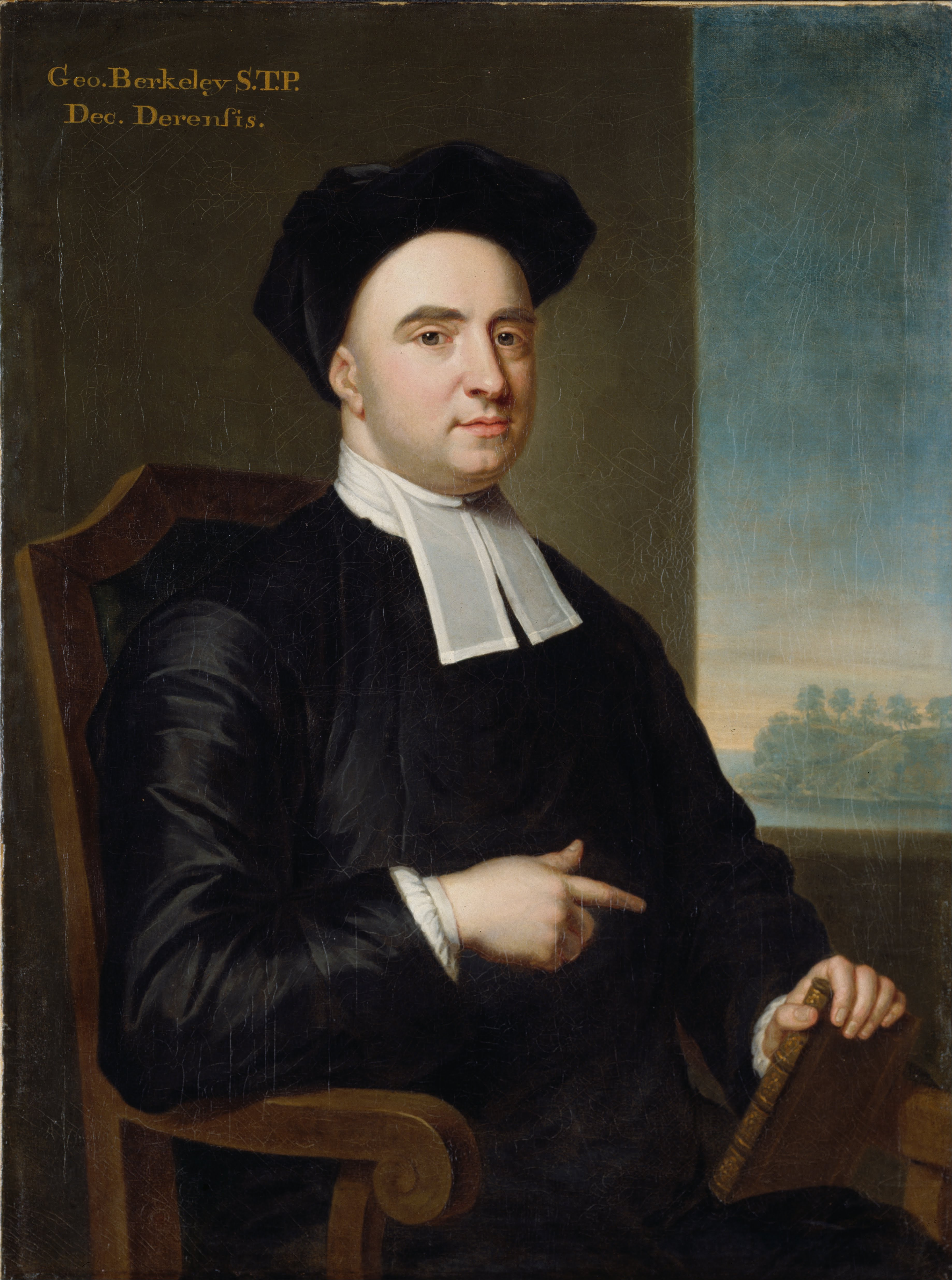
The philosopher known as George Berkeley
 denied the existence of all matter, curtly.
   Still, when he wanted pie,
   he wouldn't be denied,
  but made sure he ate it covertly.
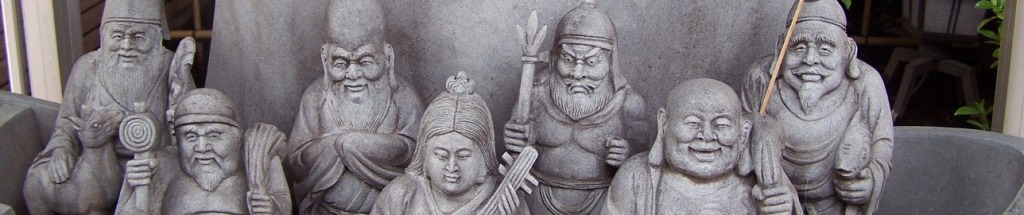
Seven Sages were spared the sickness
 of perceiving the possibility of perfection,
  a "perception" of the patently impossible --
   in truth, just dim and flimsy imaginings of mind,

   and, so, they didn't mind the inevitable
     flaws of the human world.
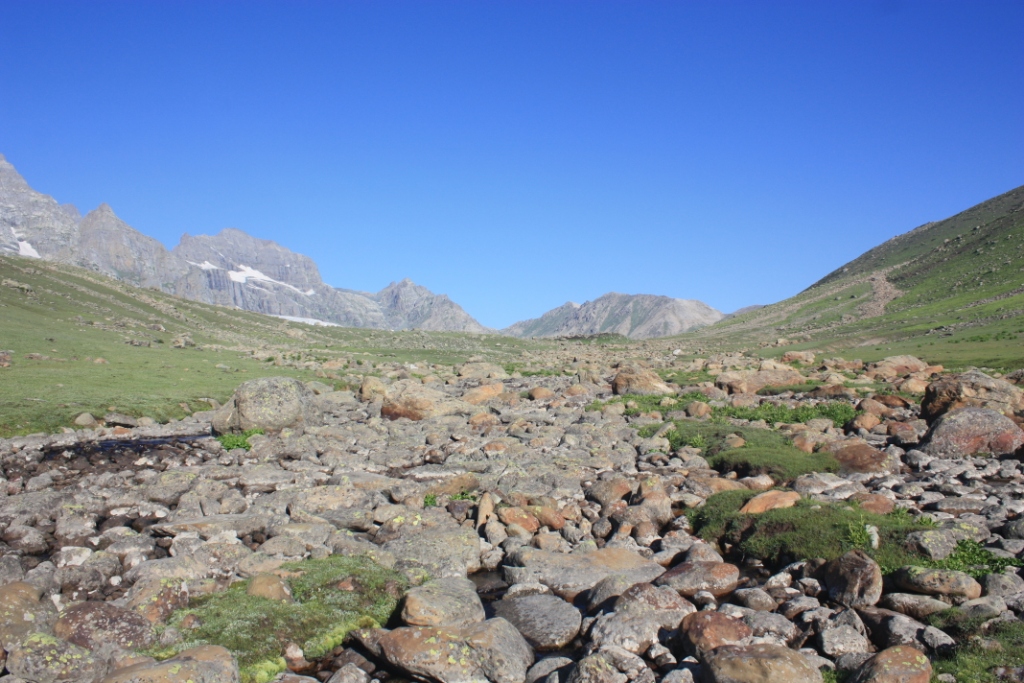
Climbing a mountain, I feel like
  I've escaped Plato's cave.
 My senses reel as though they're a
   crew of newly freed slaves.

The sky is bluer, rivers green,
  each grit granule is clear.
 And even at the very edge,
   there's ease in feeling fear.
 By "ease" I mean not frozen stiff,
   but like a friend so dear
 that one can take one's grand peril,
   a gift received with cheer.

Take me to the mountains, I say,
  where it's serene and real,
 and I can open up my sight
   to a world that's ideal.
Possibility.

That which is not,
but could be:

in the future, or
in a world as feasible as our own.
(perhaps more so?)

When is a possibility a reality?

It may not be a reality
unless - and until - it comes to be,

and, yet, might be a basis of reality,
decisions are made on assumptions
that a possibility
has high probability
of becoming reality.

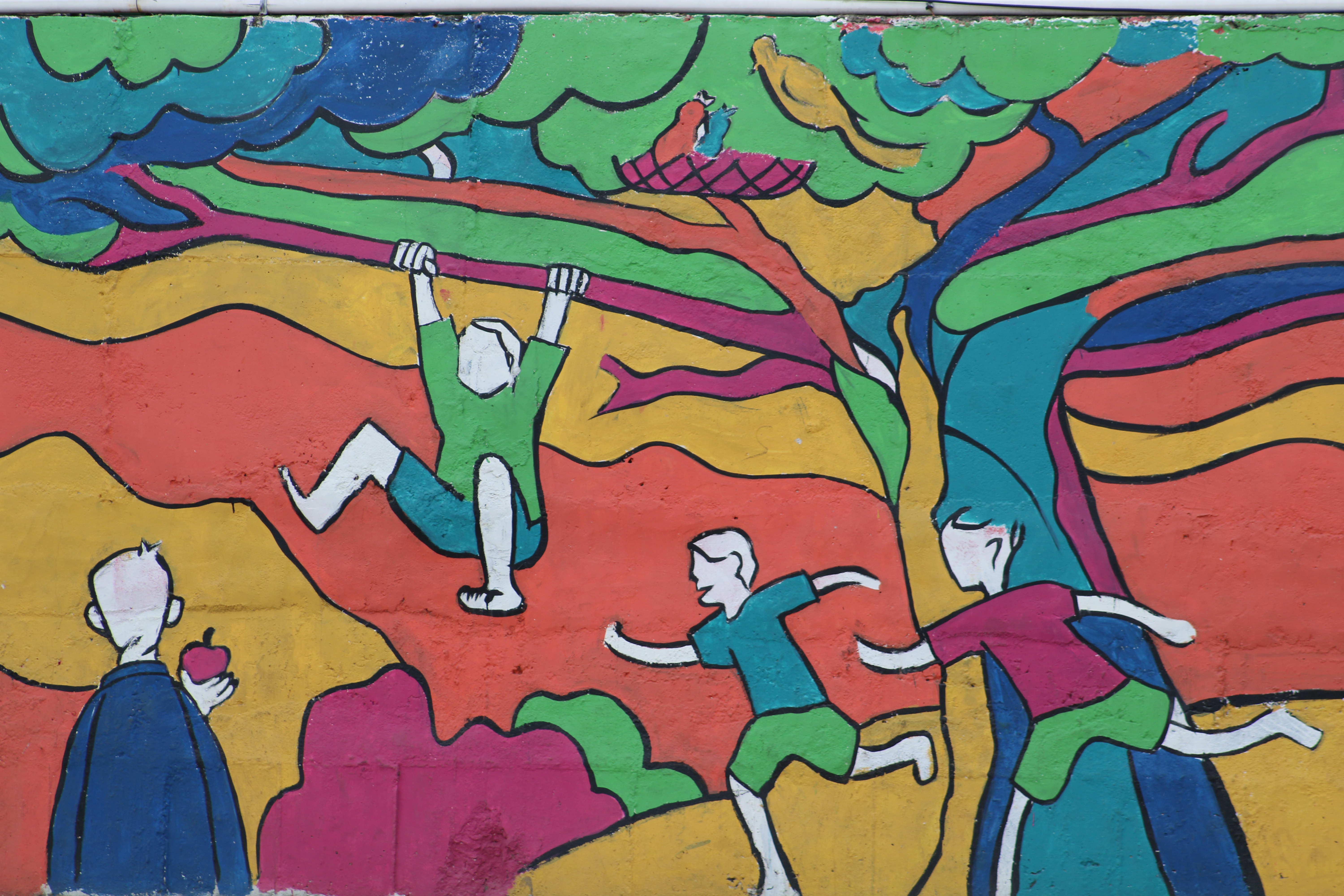
I see kids playing
and feel the expanding field
of possibility,

and wonder when it starts to shrink,
to collapse?

When & why
does possibility die?
 The Romance of Reality: How the Universe Organizes Itself to Create Life, Consciousness, and Cosmic Complexity by Bobby Azarian


 Tiger Riding for Beginners