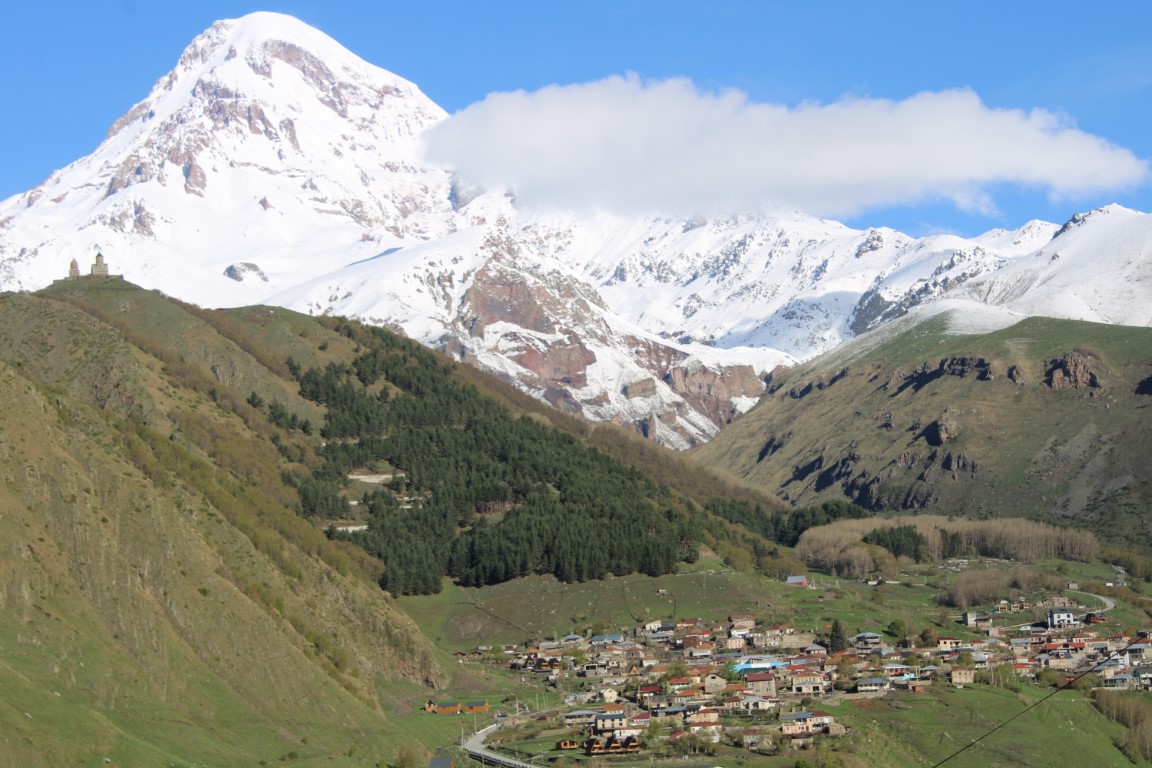
Ah, the mountain!
   Old enough to know
      When to stay quiet,
   And disciplined enough
      To stick to it.

Ah, the mountain!
Old enough to know
When to stay quiet,
And disciplined enough
To stick to it.
I’m getting more at ease with Death by the day. In a broader sense, it’s progressively easier to not get worked up over the everchanging and unpredictable nature of the world.
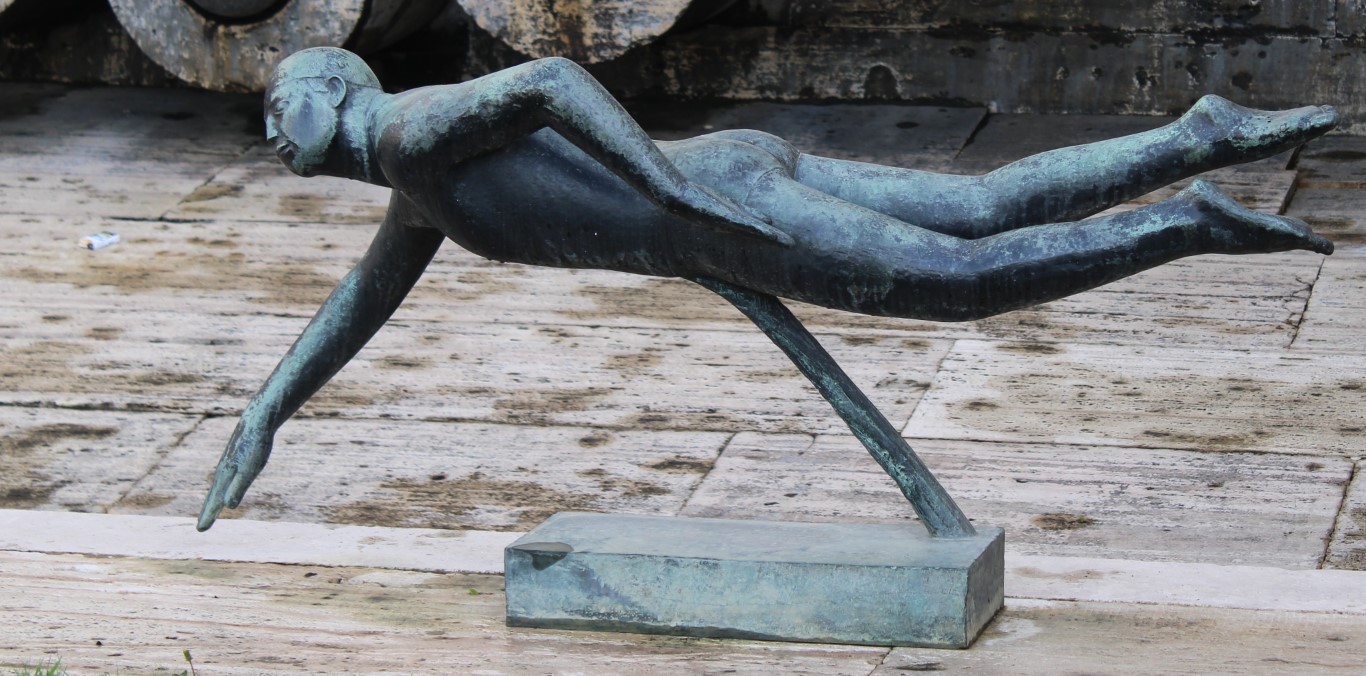
Swim through the world
      - effortlessly -
  Don't crave speed;
  Maximize the glide.

With each stroke,
  Sail as far as the limbs
      will send one.

Don't thrash. Don't splash.
   Don't gasp.

Feel the catch. Feel the pull.
   Don't let short, wild motions
      exhaust one.

Breathe!

Be wary of drag.
   Put less effort
      into propulsion,
   And more into streamlining --
   Shoot through the void,
      without struggle.

Never lose sight of the value
      of a good glide.
People. They’re the worst. Or, possibly, technology. It’s a close runner up, at least. Of course, on some level, it’s all one shitstorm. Humans are the technological animal, and technology facilitates the making of comfort junkies who avoid deep thought at all costs. (Which is at the core of my beef.)
 Confucianism: A Very Short Introduction by Daniel K. Gardner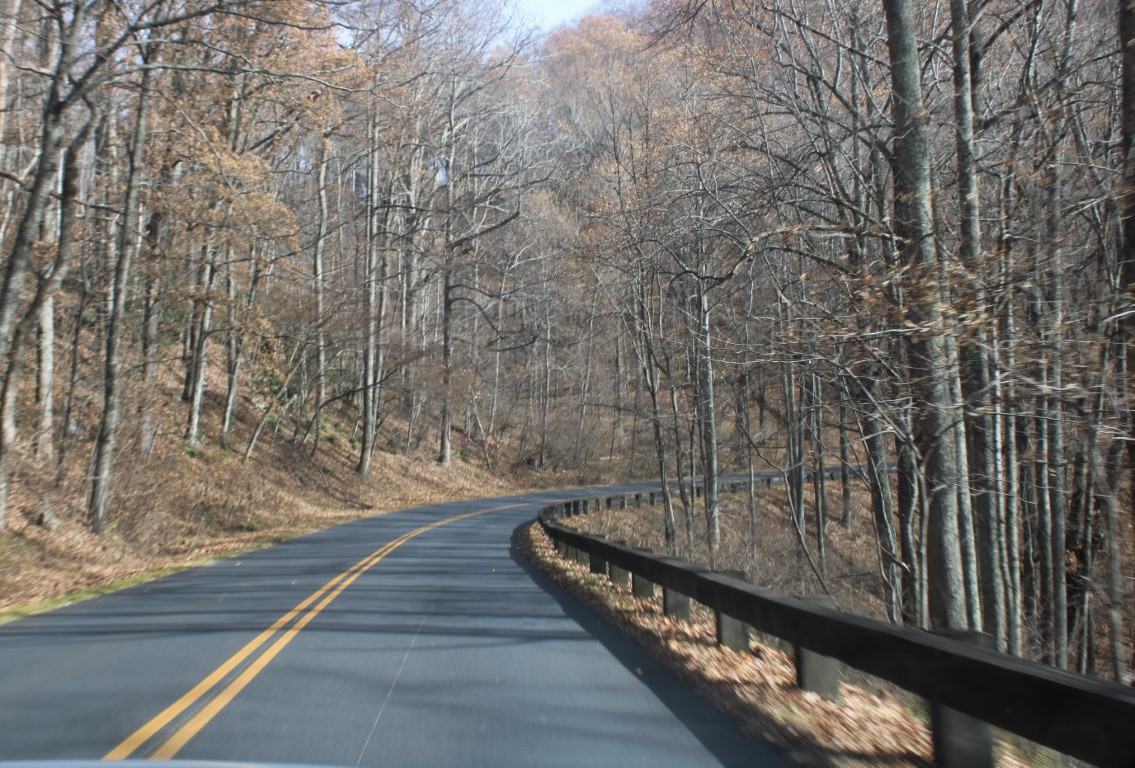
Allons! the road is before us!
 It is safe -- I have tried it -- my own feet have
   tried it well -- be not detain'd!

Let the paper remain on the desk unwritten,
   and the book on the shelf unopen'd!
 Let the tools remain in the workshop! let
   the money remain unearn'd!
 Let the school stand! mind not the cry of
   the teacher!
 Let the preacher preach in his pulpit! let the
   lawyer plead in the court, and the judge
   expound the law.

Camerado, I give you my hand!
 I give you my love more precious than
   money,
 I give you myself before preaching or law;
 Will you give me yourself? will you come
   travel with me?
 Shall we stick by each other as long as we
   live?
I’m not sure whether the intention is to determine one’s favorite species of animal or one’s favorite particular individual animal. I’ll presume the former as the latter would turn it into a “Which of your pets (or children — for those who count humans among the animal kingdom) do you love best?” type of question — which is awkward to ask anyone with whom one is not on intimate terms.
At any rate, I’ve come to think of assigning favorites as a bad habit of lazy minds, intended to negate the need to actively observe and to see the beauty and brilliance of whatever stands before one at any given moment. [It’s part of a vast array of patterns people develop to be as cognitively disengaged as can be managed.] So, I don’t have a favorite species of animal, but aardvark does come first in the dictionary, if not in my heart.
[Incidentally, when I had multiple pets, I did have a favorite, and — perhaps tellingly — it was the one whose personality was least like my own.]
Allons! through struggles and wars!
 The goal that was named cannot be
   countermanded.

Have the past struggles succeeded?
 What has succeeded? yourself? your nation?
   Nature?
 Now understand me well -- it is provided in
   the essence of things that from any
   fruition of success, no matter what, shall
   come forth something to make a greater
   struggle necessary.

My call is the call of battle, I nourish active
   rebellion,
 He going with me must go well arm'd,
 He going with me goes often with spare
   diet, poverty, angry enemies, desertions.
Allons! to that which is endless as it was
   beginningless,
 To undergo much, tramps for days, rests of
   nights,
 To merge all in the travel they tend to, and
   the days and nights they tend to,
 Again to merge them in the start of superior
   journeys,
 To see nothing anywhere but what you may
   reach it and pass it,
 To conceive no time, however distant, but
   what you may reach it and pass it,
 To look up or down no road but it stretches
   and waits for you, however long but it
   stretches and waits for you,
 To see no being, not God's or any, but you
   also go thither,
 To see no possession but you may possess it,
   enjoying all without labor or purchase,
   abstracting the feast yet no abstracting
   one particle of it,
 To take the best of the farmer's farm and the
   rich man's elegant villa, and the chaste
   blessings of the well-married couple, and
   the fruits of orchards and flowers of
   gardens,
 To take to your use out of the compact
   cities as you pass through,
 To carry buildings and streets with you
   afterward wherever you go,
 To gather the minds of men out of their
   brains as you encounter them, to gather
   the love out of their hearts,
 To take your lovers on the road with you,
   for all that you leave them behind you,
 To know the universe itself as a road, as
   many roads, as roads for traveling souls.

All parts away for the progress of souls,
 All religion, all solid things, arts,
   governments -- all that was or is apparent
   upon this globe or any globe, falls into
   niches and corners before the procession
   of souls along the grand roads of the
   universe.

Of the progress of the souls of men and
   women along the grand roads of the
   universe, all other progress is the needed
   emblem and sustenance.

Forever alive, forever forward,
 Stately, solemn, sad, withdrawn, baffled,
   mad, turbulent, feeble, dissatisfied,
 Desperate, proud, fond, sick, accepted by
   men, rejected by men,
 They go! they go! I know that they go, but I
   know not where they go,
 But I know that they go toward the best --
   toward something great.

Whoever you are, come forth! or man or
   woman come forth!
 You must not stay sleeping and dallying
   there in the house, though you built it, or
   though it has been built for you.

Out of the dark confinement! out from
   behind the screen!
 It is useless to protest, I know all and expose
   it.

Behold through you as bad as the rest,
 Through the laughter, dancing, dining,
   supping, of people,
 Inside of dresses and ornaments, inside of
   those wash'd and trimm'd faces,
 Behold a secret silent loathing and despair.

No husband, no wife, no friend, trusted to
   hear the confession,
 Another self, a duplicate of every one,
   skulking and hiding it goes,
 Formless and wordless through the streets of
   the cities, polite and bland in the parlors,
 In the cars of railroads, in steamboats, in the
   public assembly,
 Home to the houses of men and women, at
   the table, in the bedroom, everywhere,
 Smartly attired, countenance smiling, form
   upright, death under the breast-bones,
   hell under the skull-bones,
 Under the broadcloth and gloves, under the
   ribbons and artificial flowers,
 Keeping fair with the customs, speaking not
   a syllable of itself,
 Speaking of any thing else but never of
   itself.
 The Secret of the Golden Flower: The Classical Chinese Book of Life by Lü Dongbin


 Tiger Riding for Beginners