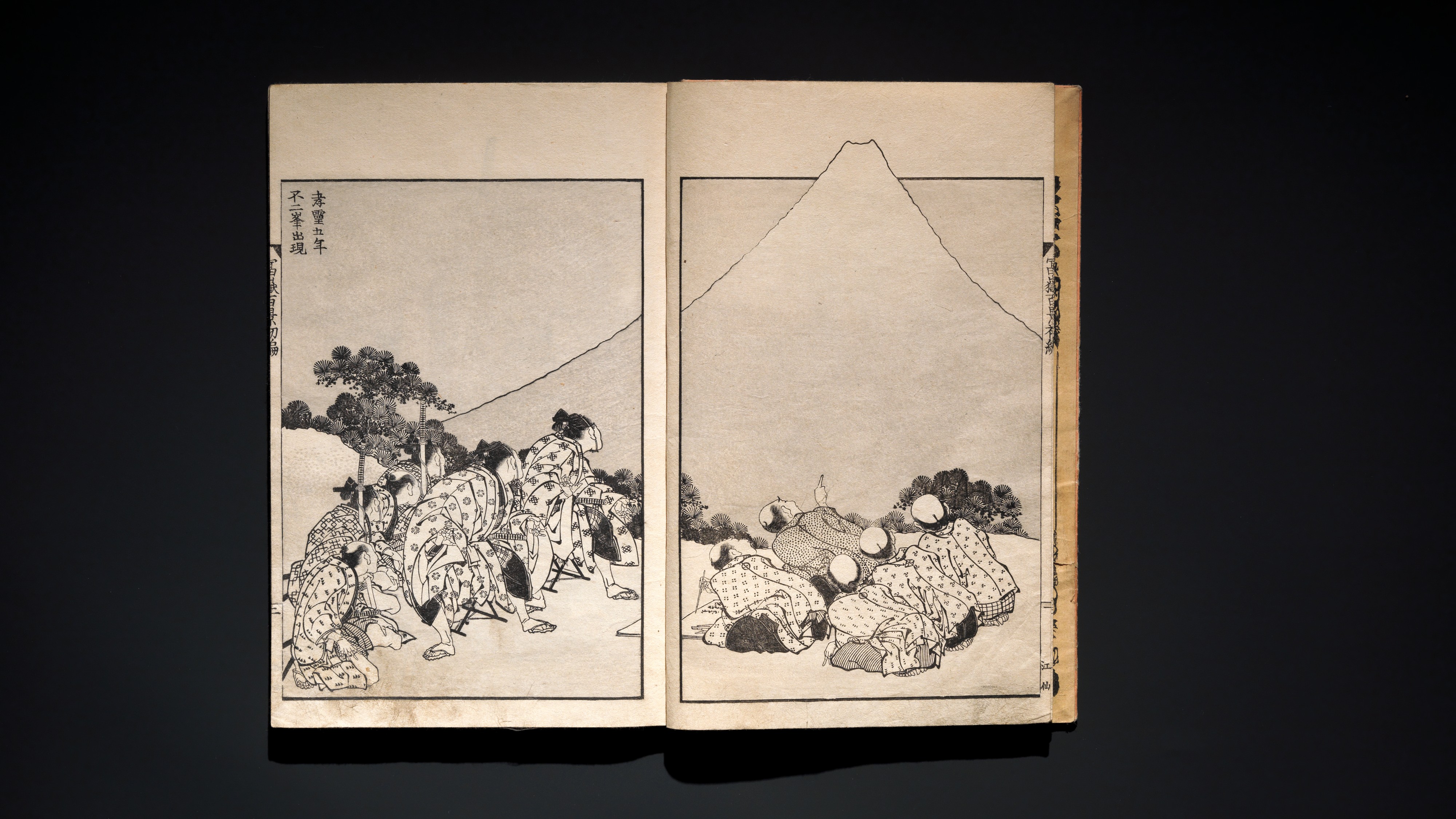
     Being thirsty,
I filled a cup with water,
 And, behold! -- Fuji-yama lay upon the water,
 Like a dropped leaf!

Being thirsty,
I filled a cup with water,
And, behold! -- Fuji-yama lay upon the water,
Like a dropped leaf!

A kind in glass and a cousin, a spectacle and
 nothing strange a single hurt color and an
 arrangement in a system to pointing. All
 this and not ordinary, not unordered in not
 resembling. The difference is spreading.
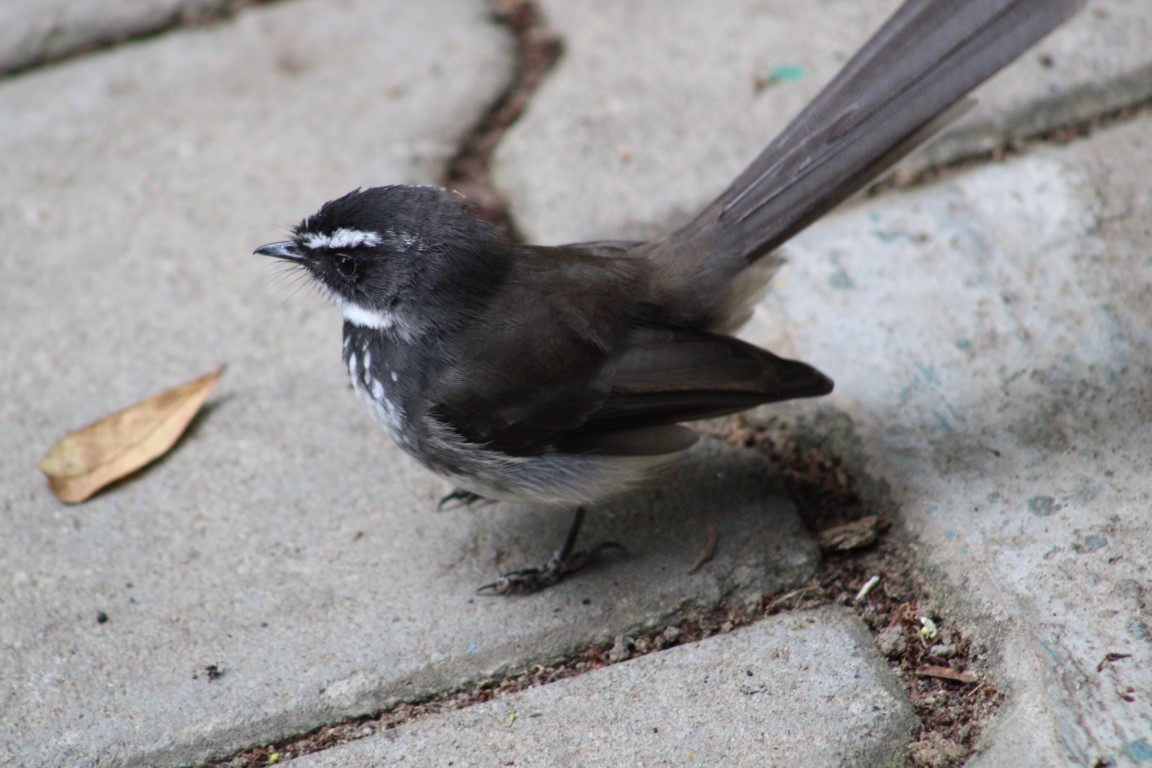
There is a singer everyone has heard,
  Loud, a mid-summer and a mid-wood bird,
  Who makes the solid tree trunks sound again.
 He says that leaves are old and that for flowers
  Mid-summer is to spring as one to ten.
  He says the early petal-fall is past
  When pear and cherry bloom went down
      in showers
  On sunny days a moment overcast;
  And comes that other fall we name the fall.
 He says the highway dust is over all.
 The bird would cease and be as other birds
  But that he knows in singing not to sing.
 The question that he frames in all but words
  Is what to make of a diminished thing.
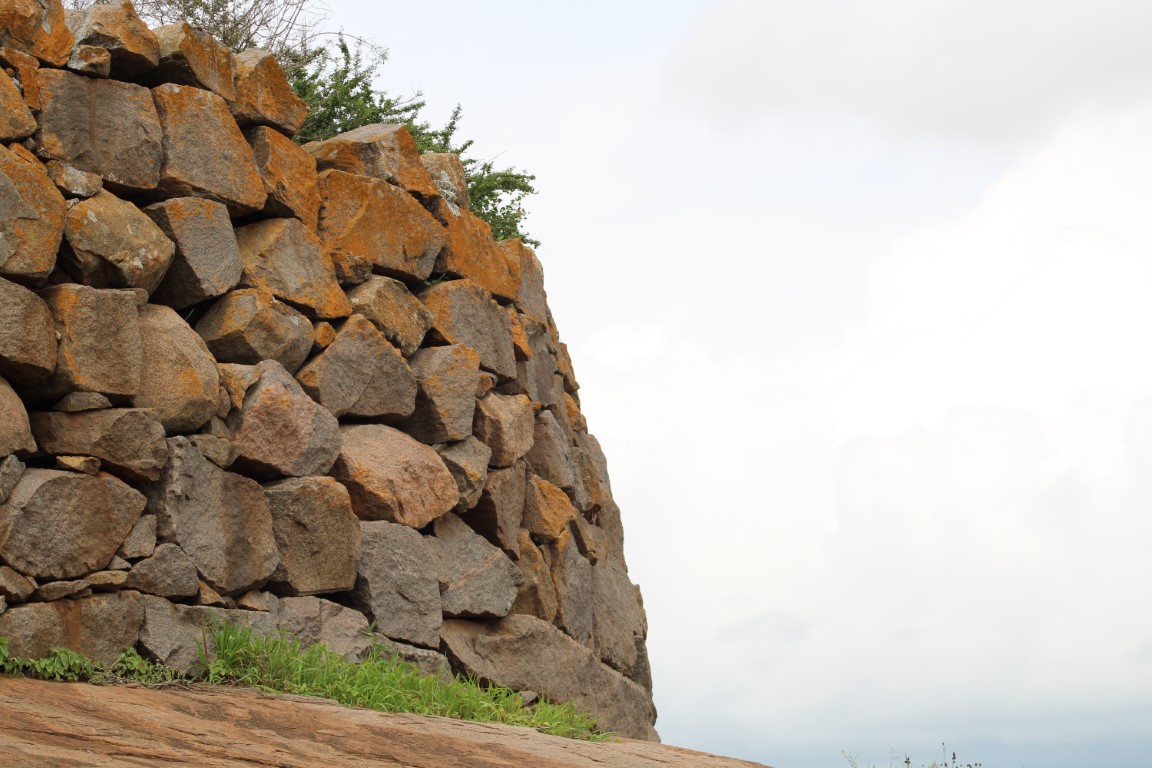
Something there is that doesn't love a wall,
  That sends the frozen-ground-swell under it,
  And spills the upper boulders in the sun;
  And makes gaps even two can pass abreast.
The work of hunters is another thing:
  I have come after them and made repair
  Where they have left not one stone on a stone,
  But they would have the rabbit out of hiding,
  To please the yelping dogs. The gaps I mean,
  No one has seen them made or heard them made,
  But at spring mending-time we find them there.
 I let my neighbor know beyond the hill;
  And on a day we meet to walk the line
  And set the wall between us once again.
 We keep the wall between us as we go.
 To each the boulders that have fallen to each.
 And some are loaves and some so nearly balls
  We have to use a spell to make them balance:
  'Stay where you are until our backs are turned!'
  We wear our fingers rough with handling them.
 Oh, just another kind of out-door game,
  One on a side. It comes to little more:
  There where it is we do not need the wall:
  He is all pine and I am apple orchard.
 My apple trees will never get across
  And eat the cones under his pines, I tell him.
 He only says, 'Good fences make good neighbors.'
 Spring is the mischief in me, and I wonder
  If I could put a notion in his head:
  'Why do they make good neighbors? Isn't it
  Where there are cows? But here there are no cows.
 Before I built a wall I'd ask to know
  What I was walling in or walling out,
  And to whom I was like to give offense.
 Something there is that doesn't love a wall,
  That wants it down.' I could say 'Elves' to him,
  But it's not elves exactly, and I'd rather
  He said it for himself. I see him there
  Bringing a stone grasped firmly by the top
  In each hand, like an old-stone savage armed.
 He moves in darkness as it seems to me,
  Not of woods only and the shade of trees.
 He will not go behind his father's saying,
  And he likes having thought of it so well
  He says again, 'Good fences make good neighbors.'
 The Last Brother by Nathacha Appanah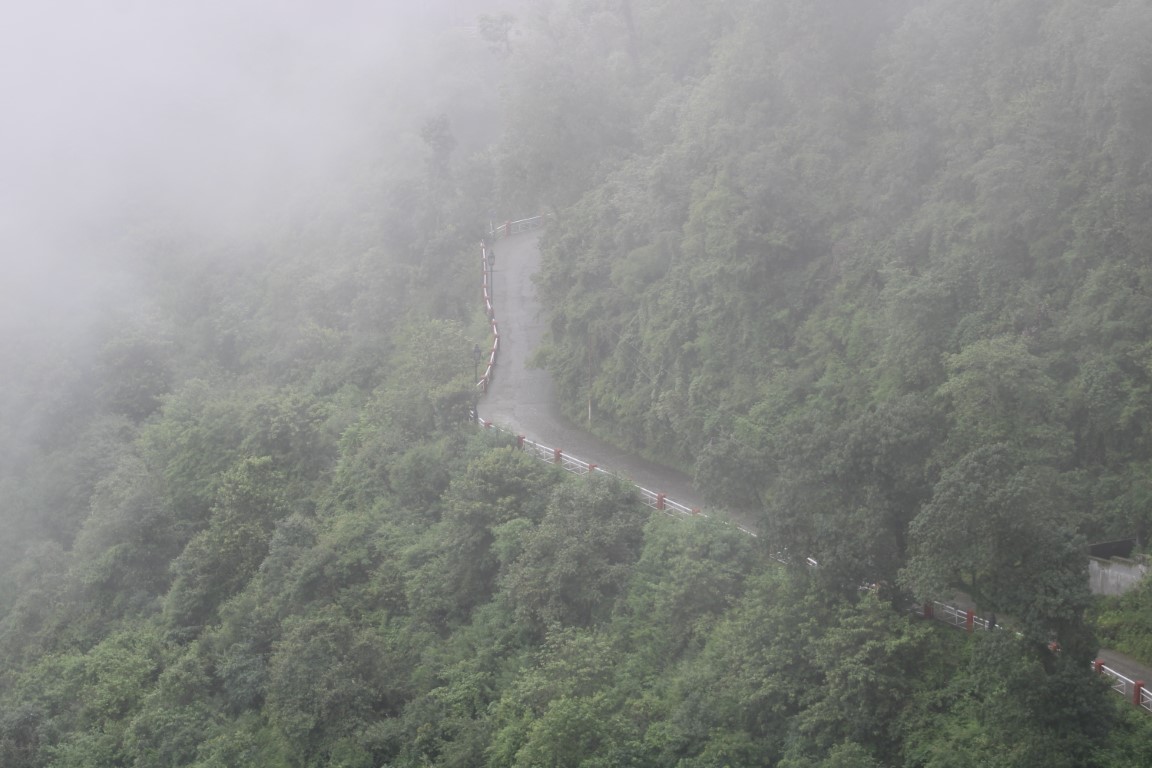
Smoke slowly rises from sodden woods;
   Millet 's steamed to feed the fieldhands;
   Egrets fly over foggy paddies;
   Hidden birds sing from lush tree stand.
Mountain hikers study hibiscus,
   Under dewy pines chew sunflower seeds,
   Give mat space to any old traveler.
 Gull and I: wary of each other's deeds.
Original Poem in Simplified Chinese:
积雨空林烟火迟, 蒸藜炊黍饷东菑。
漠漠水田飞白鹭, 阴阴夏木啭黄鹂。
山中习静观朝槿, 松下清斋折露葵。
野老与人争席罢, 海鸥何事更相疑?
Among ten thousand writing styles,
  There's no one standard or measure.
  The styles: many, muddled, and free --
  Form, the unattainable treasure.
 Talent in word-wrangling shows skill.
   Idea conveyance shows craft.
   Writers strive 'twixt have and have not --
   Unyielding in shallow or deep draught.
 An escape artist of fine lines --
   Yet time and space consume in kind.
   Intricacy excites the eye,
   But frugality soothes the mind.
 One of few words is not confined.
 Verbose writers drift the Undefined.
The original in Simplified Chinese:
体有万殊,物无一量。
纷纭挥霍,形难为状。
辞程才以效伎,意司契而为匠。
在有无而黾勉,当浅深而不让。
虽离方而遯员,期穷形而尽相。
故夫夸目者尚奢,惬心者贵当。
言穷者无隘,论达者唯旷。
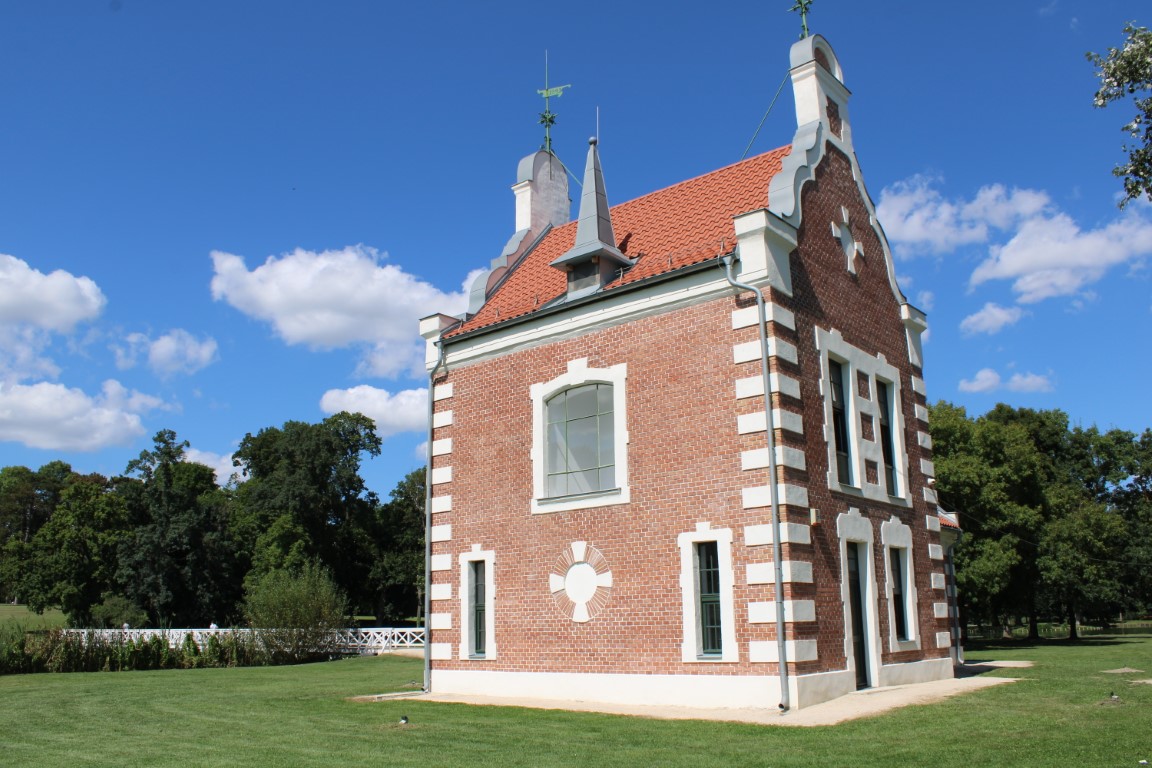
An old man in a lodge within a park;
   The chamber walls depicted all around
   With portraitures of huntsman, hawk,
      and hound,
   And the hurt deer. He listeneth to the
      lark,
 Whose song comes with the sunshine
      through the dark
   Of painted glass in leaden lattice bound;
   He listeneth and he laugheth at the
      sound,
   Then writeth in a book like any clerk.
 He is the poet of the dawn, who wrote
   The Canterbury Tales, and his old age
   Made beautiful with song; and as I read
 I heard the crowing cock, I hear the note
   Of lark and linnet, and from every page
   Rise odors of ploughed field or flowery
       mead.
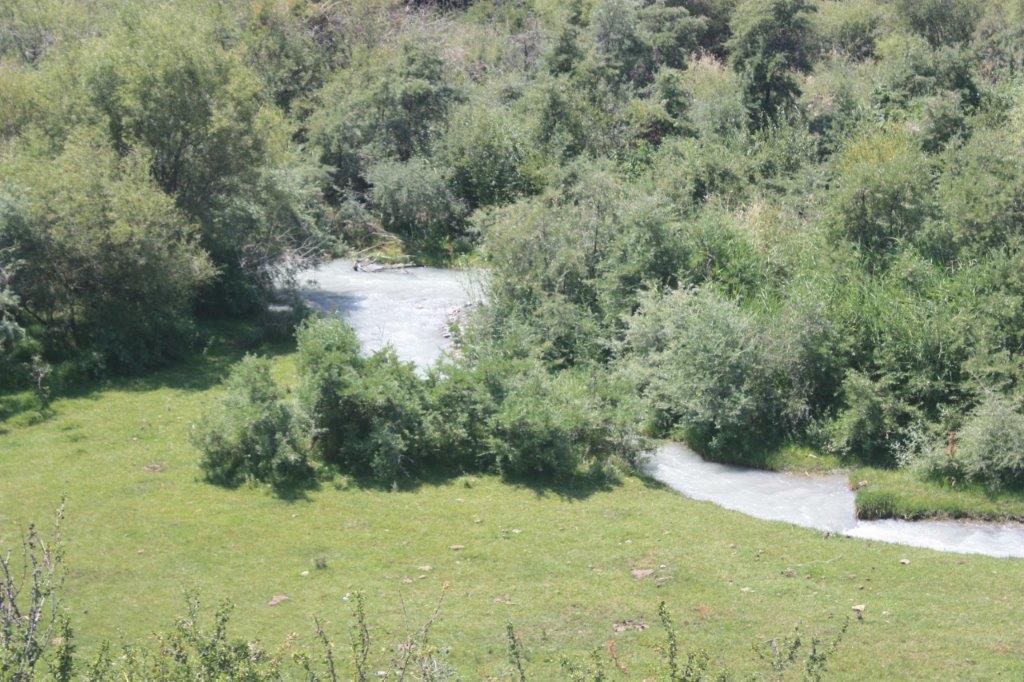
When the green woods laugh with the voice of joy,
 And the dimpling stream runs laughing by;
 When the air does laugh with our merry wit,
 And the green hill laughs with the noise of it;

When the meadows laugh with lively green,
 And the grasshopper laughs in the merry scene,
 When Mary and Susan and Emily
 With their sweet round mouths sing 'Ha, Ha, He!'

When the painted birds laugh in the shade,
 Where our table with cherries and nuts is spread,
 Come live & be merry, and join with me,
 To sing the sweet chorus of 'Ha, Ha, He!'
That's what misery is,
 Nothing to have at heart.
 It is to have or nothing.

It is a thing to have,
 A lion, an ox in his breast,
 To feel it breathing there.

Corazón, stout dog,
 Young ox, bow-legged bear,
 He tastes its blood, not spit.

He is like a man
 In the body of a violent beast.
 Its muscles are his own. . .

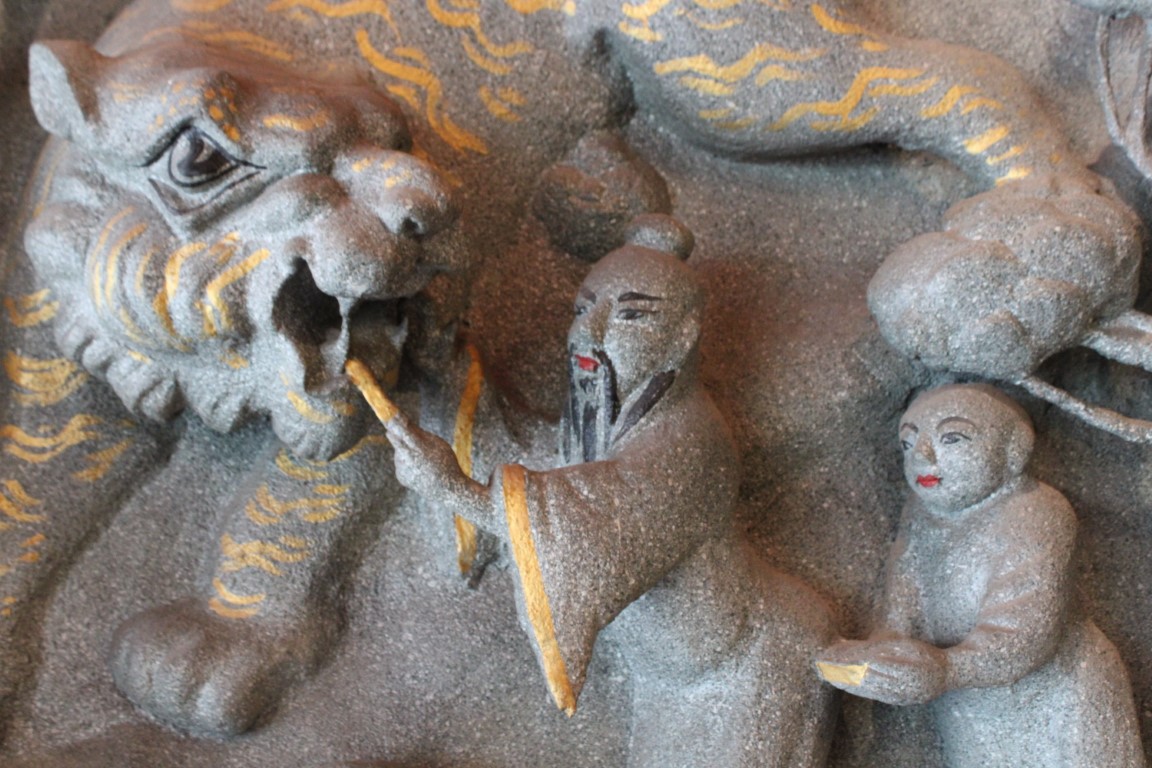
The lion sleeps in the sun.
 Its nose is on its paws.
 It can kill a man.


 Tiger Riding for Beginners