


Yes. Frenetic and chaotic creativity.
PROMPT: Play
Reply
Yes. Frenetic and chaotic creativity.
Have intense confidence that they can achieve anything, but only when they’re not an ass about it. So, have humble confidence or cool confidence?
If babel fish existed or I could have access to a fluid translator, then perhaps Drukpa Kunley, (or, alternatively, Hanshan or Ikkyu,) because I would like to know how that level of freedom is achieved (and whether it’s all it’s cracked up to be.)
If I was on my own for language, maybe Thoreau or Whitman. (For largely the same reason.)
 John Brown by W.E.B. Du Bois
Of the universe of all possible actions, one can choose to attempt any (or refrain from any) but those curtailed by a small number of laws intended to keep one from impinging upon the freedoms of others or imposing costs / burdens on them to which they did not consent, or by self-imposed limitations (e.g. one’s own ethical belief system or one’s physical / mental limitations.)
Often it is wrongly confused with comfort. A maximally free society is not maximally comfortable for anyone, because one has to accept that others will make all sorts of choices that one would not make oneself (and that it’s none of your business.)
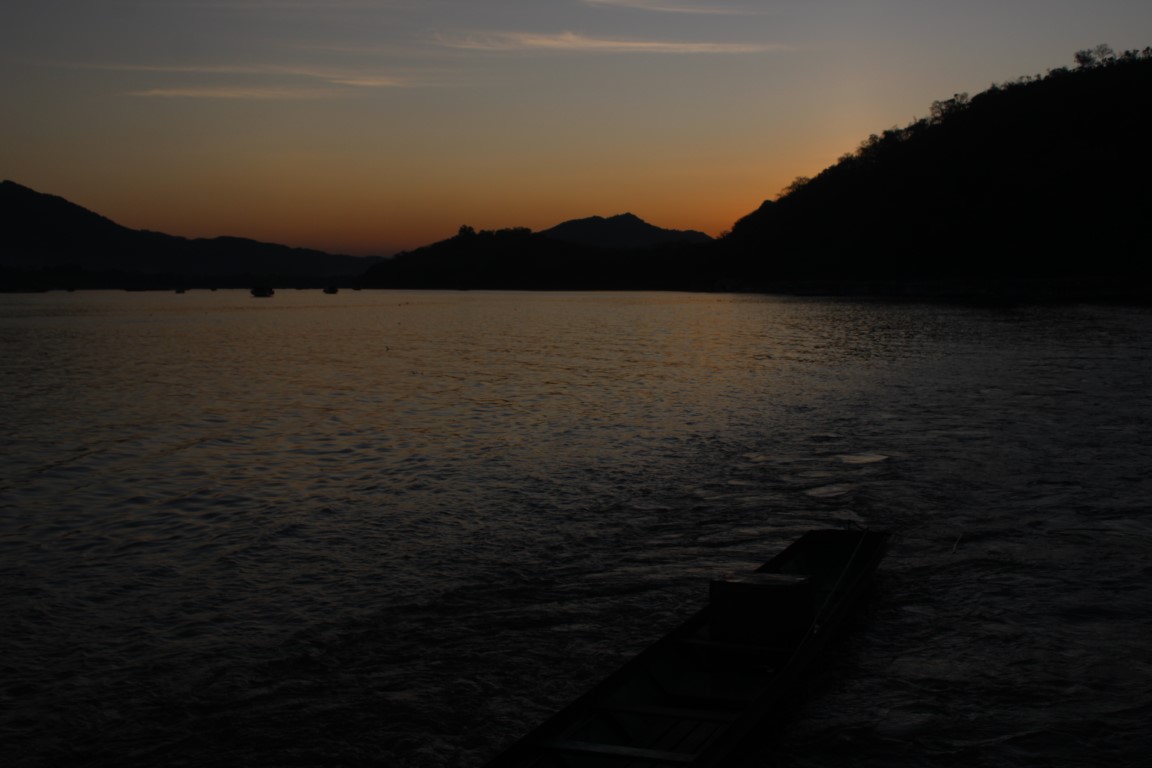
Drunk at night in Dongpo.
   I sober, then drink once more;
 I return at three A.M.
   To hear boy's thunderous snores.
 I knock but there's no answer --
   Lean on my staff and listen
   To water, and feel my regrets
   As ripples in river glisten.
 I could vanish in this boat,
   And see out my life afloat.
Note: The Song Dynasty poet Su Shi [苏轼] was also known as Dongpo [東坡] or Zizhan [子瞻.]
Wu Song (武松) from Water Margin (水浒传.)
Because he’s a traveler with zero f#&ks to give. There is no more freedom to be had than that.
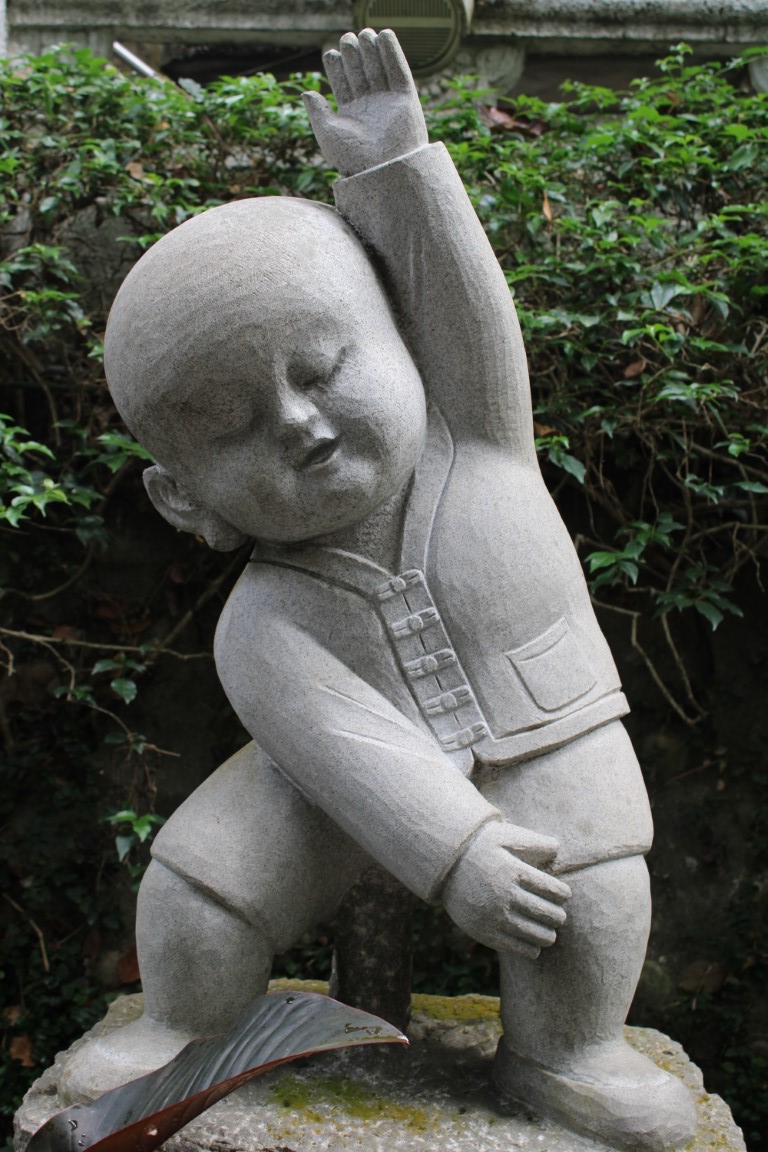
What force dances one
   into this lovely state?

Light & ecstatic,
 Blissful but calm.

Each breath a drug
   that sends delicate
   shimmers rippling
   through the universe.

What force, indeed?
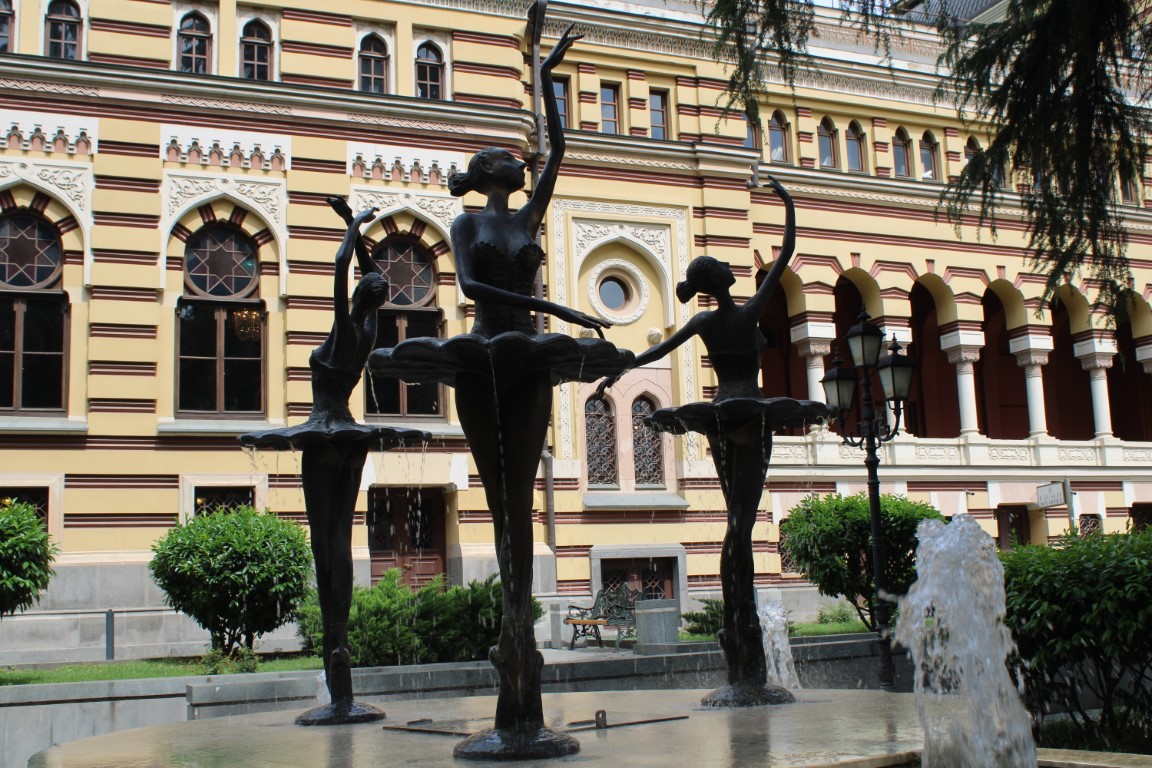
Everyone loves an impassioned dance --
   Not merely for its grace & athleticism --

But, also, because it's emblematic
   Of being free -- truly free.

If features the two essential levels
   Of freedom:

 Freedom from without -- one's body
    Being unrestricted and untethered.
          &
 Freedom from within -- one's mind
     Being unfettered by self-consciousness.

Unbound and not weighed down by thought...
   That is Freedom.
The man who says to me, “Believe as I do, or God will damn thee,” will presently say, “Believe as I do, or I shall assassinate thee.”
Voltaire, in On superstition
The real voyage of discovery lies not in seeking new landscapes but in having new eyes.
Marcel proust
The translation of a poem having any depth ends by being one of two things: Either it is the expression of the translator, virtually a new poem, or it is as it were a photograph, as exact as possible, of one side of the statue.
Ezra pound
The people are of supreme importance to the ruler,
Chinese adage
food is of supreme importance to the people.
All translators face two choices: leave the reader in peace and drag the author closer, or leave the author in peace and drag the reader closer.
Friedrich schleiermacher (1768-1834)
[Referenced in Twenty-Nine GOODBYES, ed. by timothy billings]


 Tiger Riding for Beginners