
the stillness --
 soaking into stones
  cicada's cry
Translation from: Higginson, William J. 1985. The Haiku Handbook: How to Write, Share, and Teach Haiku. Tokyo: Kodansha Int. p. 11

the stillness --
soaking into stones
cicada's cry
Translation from: Higginson, William J. 1985. The Haiku Handbook: How to Write, Share, and Teach Haiku. Tokyo: Kodansha Int. p. 11
One's-Self I sing, a simple separate person,
 Yet utter the word Democratic, the word En-masse.

Of physiology from top to toe I sing,
 Not physiognomy alone nor brain alone is
      worthy for the Muse, I say the Form complete
      is worthier far,
 The Female equally with the Male I sing.

Of Life immense in passion, pulse, and power,
 Cheerful, for freest action form'd under the laws
      divine,
 The Modern Man I sing.
Immortals ride truth
   With lotus in hand,
 As chaos unfolds
   Unlogged above land.

Moonrise in the East
   As good winds are fanned.
 Hill shrine in blue night,
   Bell rings clear and grand.

The god is now gone
   Beyond border lands
 Huangdi* is not there
   Great Age to wasteland.
NOTE: The late Tang Dynasty poet, Sikong Tu (a.k.a. Ssŭ-k‘ung T‘u,) wrote an ars poetica entitled Twenty-Four Styles of Poetry. It presents twenty-four poems that are each in a different tone, reflecting varied concepts from Taoist philosophy and aesthetics. Above is a crude translation of the fifth of the twenty-four poems. This poem’s Chinese title is 高古 (Gāo Gǔ,) and it was translated as “Height – Antiquity” by Herbert Giles.
*Huangdi is a name for the Yellow Emperor that is more syllabically friendly than “Yellow Emperor.” In a great oversimplification for the sake of speed and alignment of context, the Yellow Emperor was China’s King Arthur — a mythical leader of great virtue and heroism. The Tang emperors tried to trace lineages back to the Yellow Emperor, but such imagined linkages to the perfect leader are hard to maintain when an Emperor like Xuanzong crashes the ship of state.

Ah Sun-flower! weary of time,
 Who countest the steps of the Sun:
 Seeking after that sweet golden clime
 Where the travellers journey is done.

Where the Youth pined away with desire,
 And the pale Virgin shrouded in snow:
 Arise from their graves and aspire,
 Where my Sun-flower wishes to go.
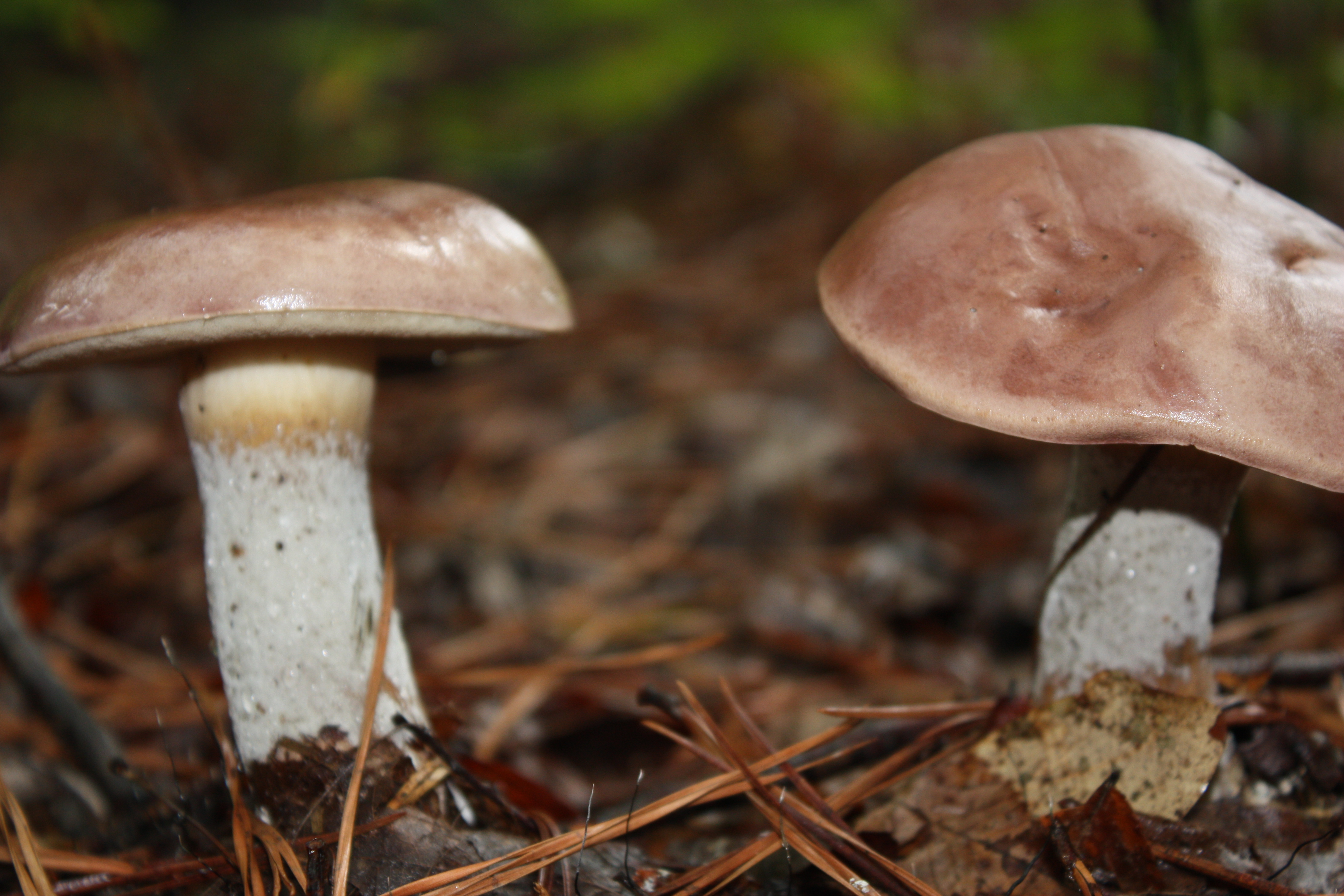
The Mushroom is the Elf of Plants --
   At Evening, it is not
 At Morning, in a Truffled Hut
   It stop opon a Spot

As if it tarried always
   And yet it's whole Career
 Is shorter than a Snake's Delay --
   And fleeter than a Tare --

'Tis Vegetation's Juggler --
   The Germ of Alibi --
 Doth like a Bubble antedate
   And like a Bubble, hie --

I feel as if the Grass was pleased
   To have it intermit --
 This surreptitious Scion
   Of Summer's circumspect.

Had Nature any supple Face
   Or could she one contemn --
Had Nature an Apostate --
   That Mushroom -- it is Him!
I take it you already know
  Of tough and bough and cough and dough.
 Others may stumble, but not you,
  On hiccough, thorough, lough and through.
 Well done! And now you wish, perhaps,
  To learn of less familiar traps.

Beware of heard, a dreadful word
  That looks like beard and sounds like bird.
 And dead -- it's said like bed, not bead.
  For goodness sake, don't call it deed!
 Watch out for meat and great and threat.
  They rhyme with suite and straight and debt.

A moth is not a moth in mother,
  Nor both in bother, broth in brother,
 And here is not a match for there,
  Nor dear and fear for pear and bear.
 And then there's dose and rose and lose
  Just look them up -- and goose and choose.

And cork and work and card and ward.
  And font and front and word and sword.
 And do and go, then thwart and cart.
  Come, come I've hardly made a start.

A dreadful language? Man alive,
 I'd mastered it when I was five!
* This poem has come to be attributed to a T.S. Watt with a date of 1954. However, the broad divergence of titles and lack of other publication information suggest the alternate possibility that attribution was invented after the fact and has just been mindlessly copied across the internet. I don’t wish to cheat T.S. Watt, if he or she was an actual person who wrote this clever poem, but I also don’t wish to contribute to the spread of false information that happens regularly across the internet. Hence, this note.

I was angry with my friend;
  I told my wrath, my wrath did end.
 I was angry with my foe:
  I told it not, my wrath did grow.

And I watered it in fears,
  Night & morning with my tears:
 And I sunned it with smiles,
  And with soft deceitful wiles.

And it grew both day and night.
  Till it bore an apple bright.
 And my foe beheld it shine,
  And he knew that it was mine.

And into my garden stole,
  When the night had veild the pole;
 In the morning glad I see;
  My foe outstretched beneath the tree.
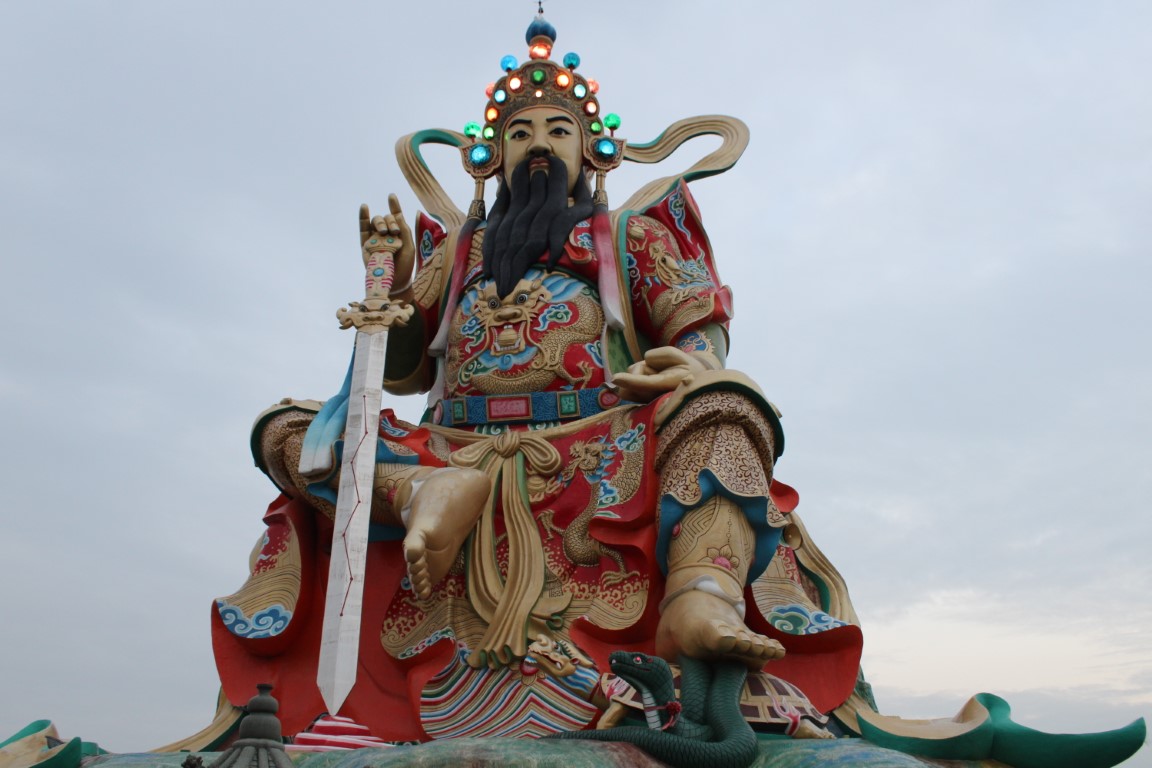
Ten years honing this fine blade,
   And it has not drawn blood.
 Now, you'll see of what we're made:
   Who, wronged, is owed in blood?
The Original: 劍客: 十年磨一劍, 霜刃未曾試. 今日把示君, 誰有不平事.
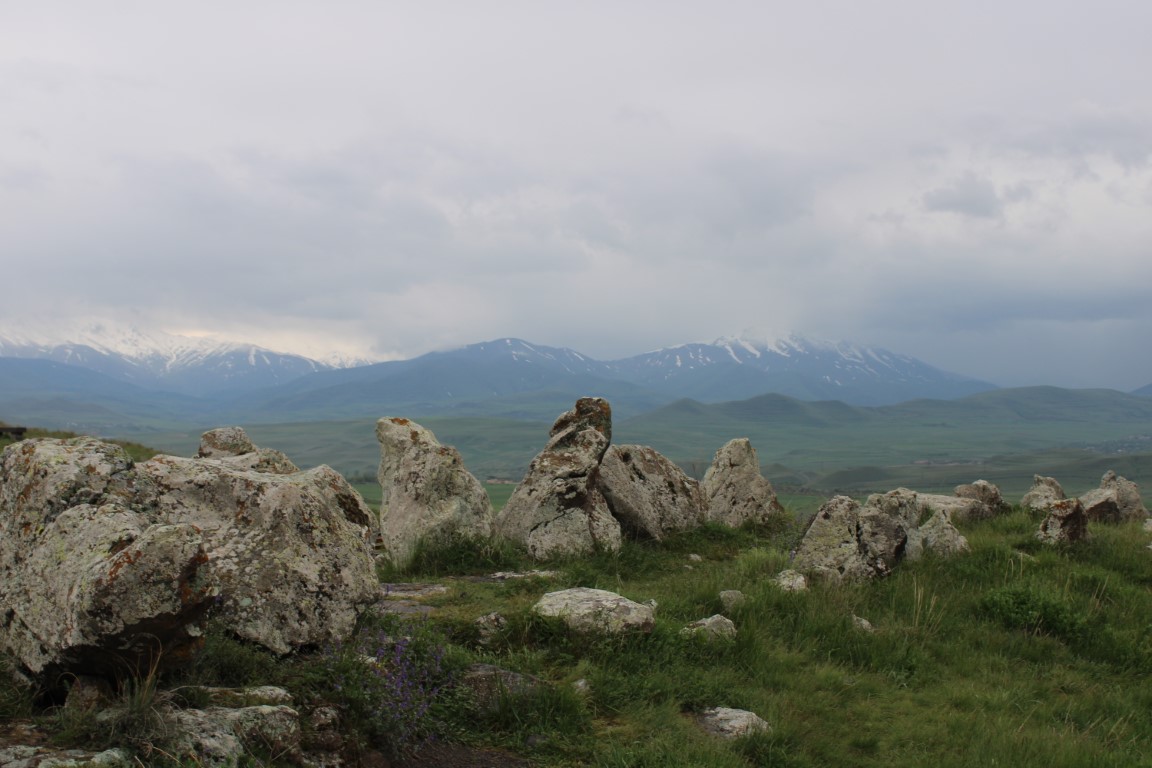
The day is cold, and dark, and dreary;
 It rains, and the wind is never weary;
 The vine still clings to the mouldering wall,
 But at every gust the dead leaves fall,
   And the day is dark and dreary.

My life is cold, and dark, and dreary;
 It rains, and the wind is never weary;
 My thoughts still cling to the mouldering past,
 But the hopes of youth fall thick in the blast,
   And the days are dark and dreary.

Be still, sad heart, and cease repining;
 Behind the clouds is the sun still shining;
 Thy fate is the common fate of all,
 Into each life some rain must fall,
   Some days must be dark and dreary.
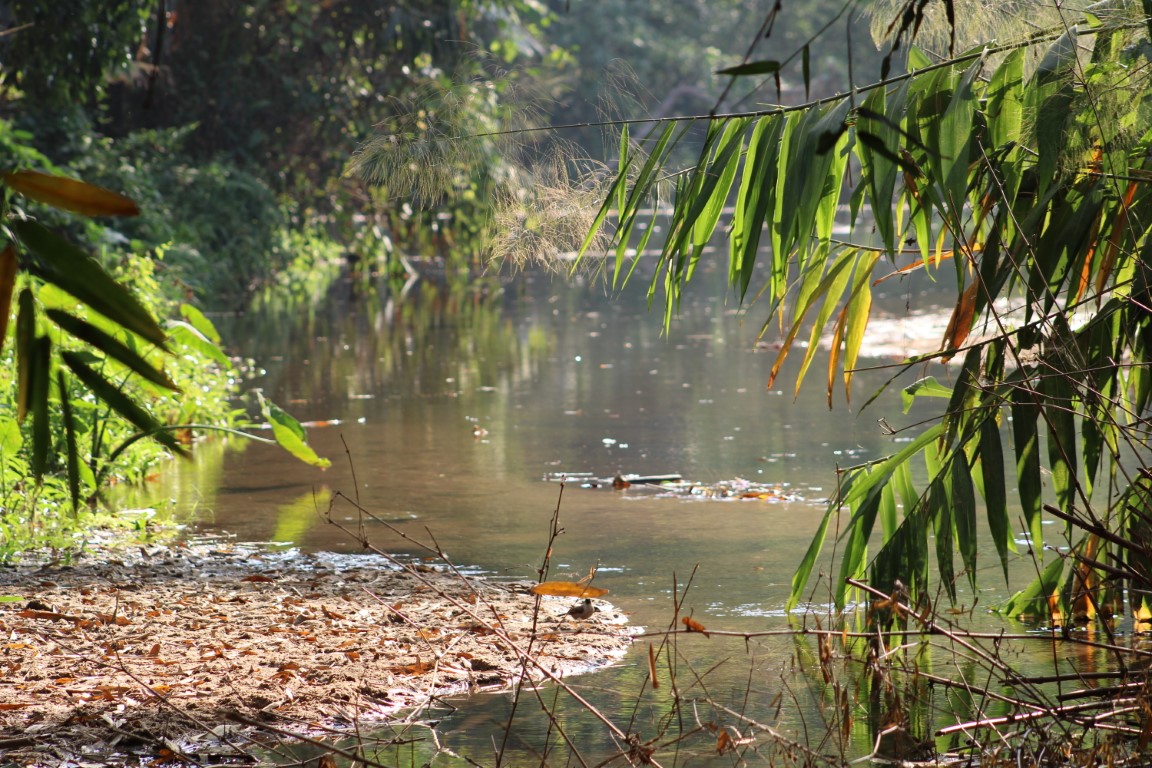
Picking, picking where water flows
 From a distant fountainhead.
 Moving up the narrow valley,
 One may see a stunning beaut.
Peachtrees laden with ripe fruit
 As breezes blow by the water
 And willows wind along the stream,
 While warblers consult with branch-mates.
The more one walks, the more Truth joins,
 And more Truth may reveal the Way.
  If this world is without end,
  The old must be made new again.
NOTE: The late Tang Dynasty poet, Sikong Tu (a.k.a. Ssŭ-k‘ung T‘u,) wrote an ars poetica entitled Twenty-Four Styles of Poetry. It presents twenty-four poems that are each in a different tone, reflecting varied concepts from Taoist philosophy and aesthetics. Above is a crude translation of the third of the twenty-four poems. This poem’s Chinese title is 纤秾. Giles translated the title as “Slim — Stout” and it’s also been translated as “Delicate – Rich.”


 Tiger Riding for Beginners