
Everyday at an appointed hour
 the Swamp Deer takes an anti-shower.
 It hooks its antlers into the muck,
  and with a twist and shake mud is chucked
  upward, where it rains down on the beast.
 It's stinky and slimy, but it's cool, at least.

Everyday at an appointed hour
the Swamp Deer takes an anti-shower.
It hooks its antlers into the muck,
and with a twist and shake mud is chucked
upward, where it rains down on the beast.
It's stinky and slimy, but it's cool, at least.
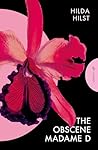 The Obscene Madame D by Hilda Hilst
Passage O soul to India!
 Eclaircise the myths Asiatic, the primitive
   fables.

Not you alone, proud truths of the
   world,
 Nor you alone, ye facts of modern
   science,
 But myths and fables of eld, Asia's, Africa's
   fables,
 The far-darting beams of the spirit, the
   unloos'd dreams,
 The deep diving bibles and legends,
 The daring plots of the poets, the elder
   religions;
 O you temples fairer than lilies, pour'd over
   by the rising sun!
 O you fables, spurning the known, eluding
   the hold of the known, mounting to
   heaven!
You lofty and dazzling towers, pinnacled,
   red as roses, burnish'd with gold!
 Towers of fables immortal, fashion'd from
   mortal dreams!
 You too I welcome, and fully, the same as
    the rest!
 You too with joy I sing.

Passage to India!
 Lo, soul! seest thou not God's purpose from
   the first?
 The earth to be spann'd, connected by
   network,
 The races, neighbors, to marry and be given
   in marriage,
 The oceans to be cross'd, the distant
   brought near,
 The lands to be welded together.

A worship new I sing,
 You captains, voyagers, explorers,
   yours,
 You engineers, you architects, machinists,
   yours,
 You, not for trade or transportation only,
 But in God's name, and for thy sake, O
   soul.
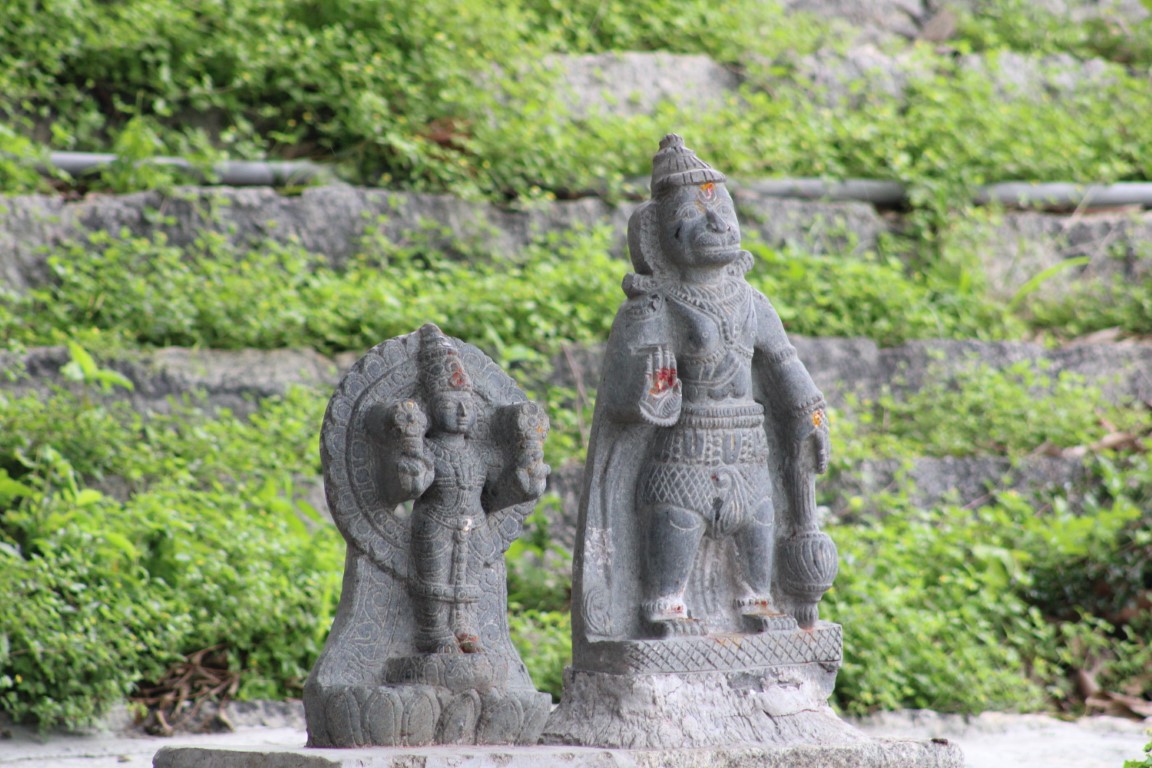
in rainy season,
 grass grows from every crack,
  closing on idols.
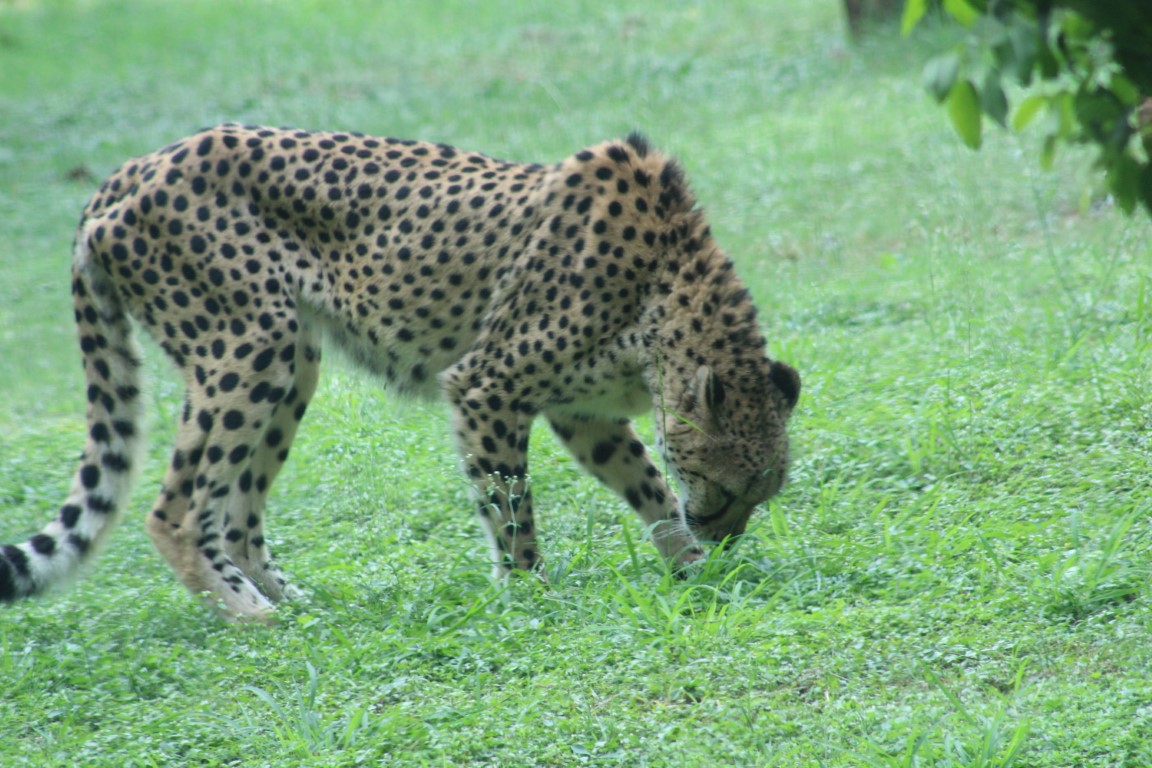
A Cheetah can beat a Porsche to a hundred.
 (Imagine the tumble if a clumsy one blundered.)
 In fact, Cheetah's are so very, very fast
   that your future is way, way back in its past.
Today as in ancient times
Mei Yaochen in Poets’ Jade Splinters
it’s hard to write a simple poem.
To be undefeated lies with oneself;
Sunzi in The ART of War (孙子兵法)
to be victorious lies with the enemy.
A buddha is an idle person.
Bodhidharma; Bloodstream Sermon
He doesn’t run around after fortune and fame.
What good are such things in the end?
Not what we have, but what we enjoy, constitutes our abundance.
Epicurus
Take more time, cover less ground.
Thomas Merton
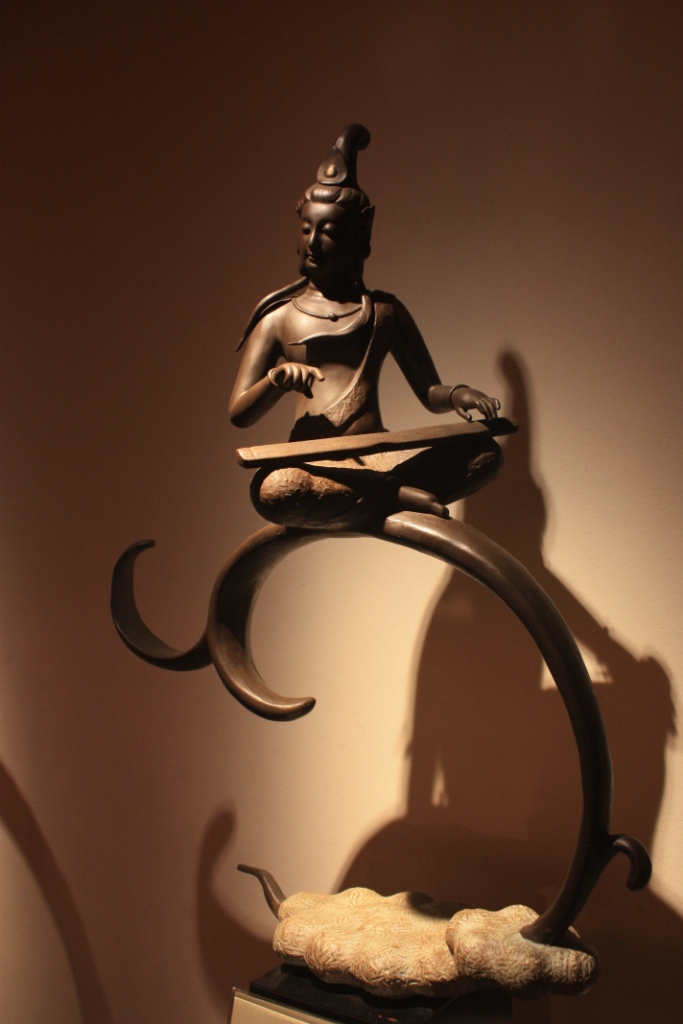
When an author composes too short a poem,
  it trails off with a lonely feeling
  like looking down at solitude with no friends
  or peering into the vast sky, disconnected.
 One string on a harp is crisp and sweet
  but sings without resonance and harmony.
Translation by Tony Barnstone and Chou Ping in: The Art of Writing (1996) Boston: Shambhala Publications.

a swallowtail
 lands on a thorny thistle,
  resting in comfort.









 Tiger Riding for Beginners