Nine Dragon Wall [Free Verse]

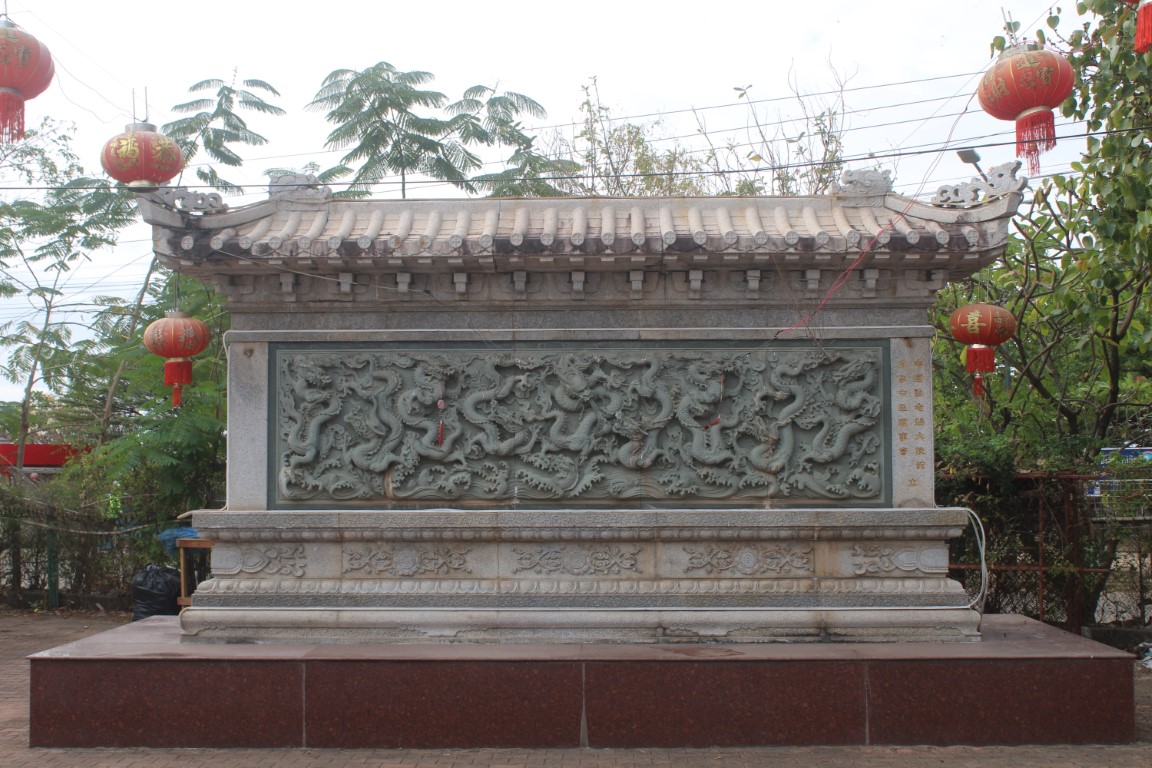
If you stare at
stone dragons
long enough
their stone-chiseled
forms will start
to glide
in tracked loops.
A steady motion of the
sinuous segments
unbroken by cloud.
They move slowly
and steadily --
never breaking off
into a new course.
Some figure-eight,
Some circle,
but never do they
come off the wall.
Their movements never
menace.

BOOKS: “Jñāna-Yoga: The Way of Knowledge” by Ramakrishna Puligandla

Jnana-Yoga--The Way of KnowledgeJnana-Yoga–The Way of Knowledge by Ramakrishna Puligandla
My rating: 5 of 5 stars

Google Books Page

This is one of the most useful books I’ve read on the topic of Jñāna-yoga — the approach to yogic philosophy employed by the studious / inquisitive (in contrast to Bhakti-Yoga [the yoga of those for whom faith and devotion works] and Karma-Yoga [the yoga for those for whom a course of self-less action appeals.]) There are Jñāna-yogic Hindu sects and Buddhism — in general — can be thought of as a school of Jñāna-yoga. The author draws from the teachings of both, principally Sankara for Hindu thinking and Nagarjuna for the Buddhist approach.

A word of warning, the author is a scholarly philosopher, and so — while not as unreadable as many works of academic philosophy — it will be a slog for those who are not used to reading scholarly writing.

That said, Puligandla does a fine job of laying out what he views as the central tenets of Jñāna-yoga in a concise fashion and reviewing them at the end. This is not to say I would agree with all that he proposes, herein. In particular, his Chapter 3 conclusions about consciousness are insufficiently justified to be considered core principles of Jñāna-yoga (in my view.) Of course, the beauty of Jñāna-yoga is that it not only doesn’t insist upon coming to the same conclusions, it generates explanations as to how it’s perfectly possible / reasonable to come to different conclusions (see “The Principle of Superimposition,” herein.) Furthermore, since the author is reporting the ideas of Sankara and Nagarjuna, I can’t really hold these ideas against him.

If you’re interested in Jñāna-yoga, and can handle scholarly prose, I’d highly recommend this book.

View all my reviews

“Some keep the Sabbath going to Church –” (236) by Emily Dickinson [w/ Audio]

Some keep the Sabbath going to Church --
I keep it, staying at Home --
With a Bobolink for a Chorister --
And an Orchard, for a Dome --

Some keep the Sabbath in Surplice --
I, just wear my Wings --
And instead of tolling the Bell, for Church,
Our little Sexton -- sings.

God preaches, a noted Clergyman --
And the sermon is never long,
So instead of getting to Heaven, at last --
I'm going, all along.

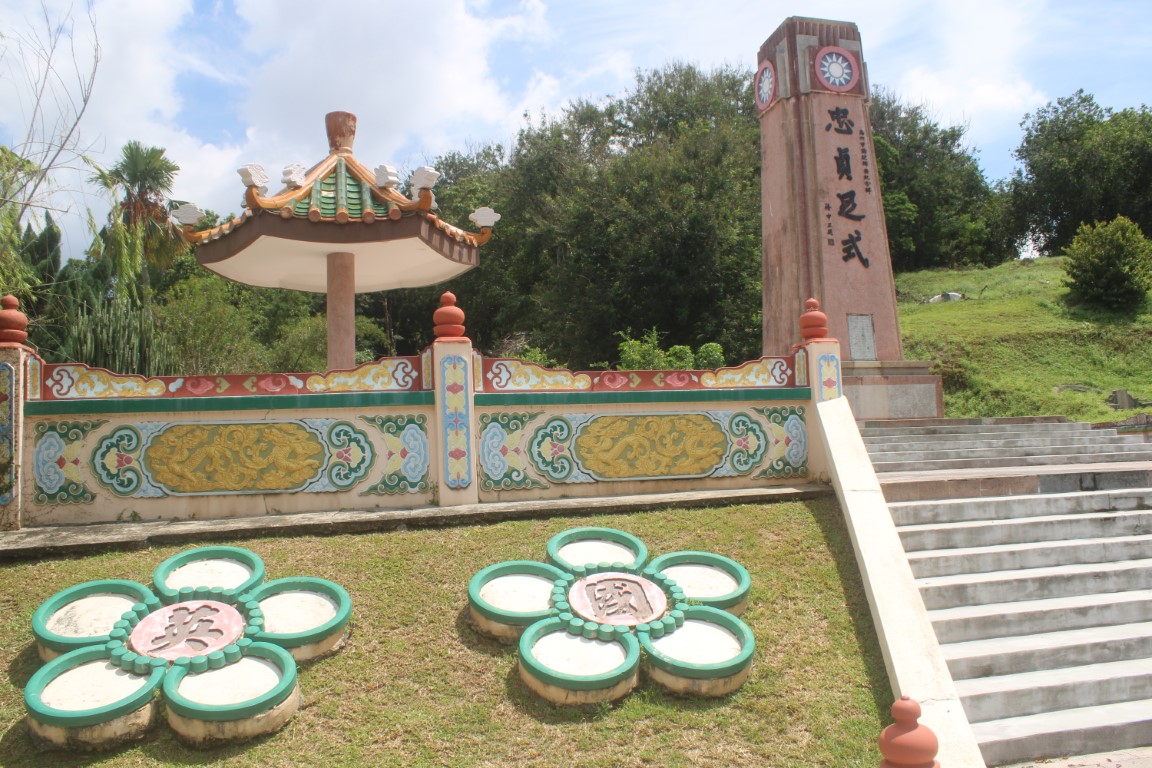
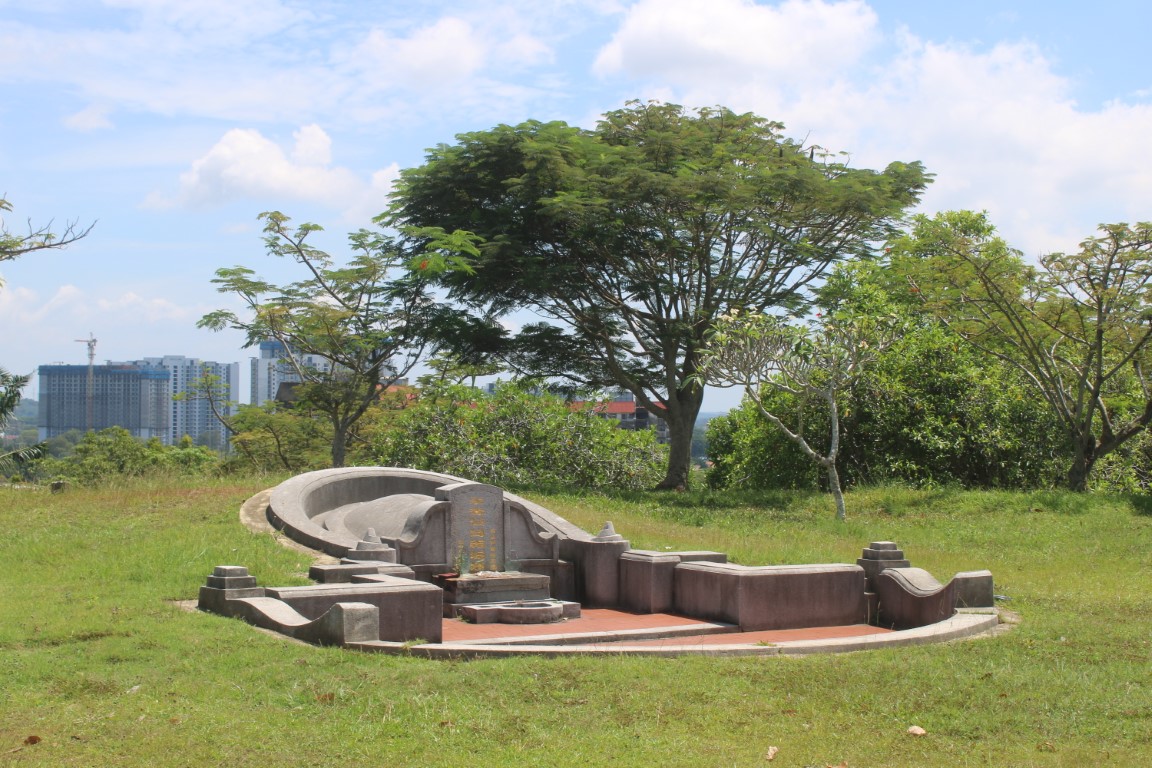
DAILY PHOTO: Bukit Cina [Chinese Hill — 三宝山]

World War II Resistance Memorial
One (communal) grave/memorial is at the highest point of the hill.
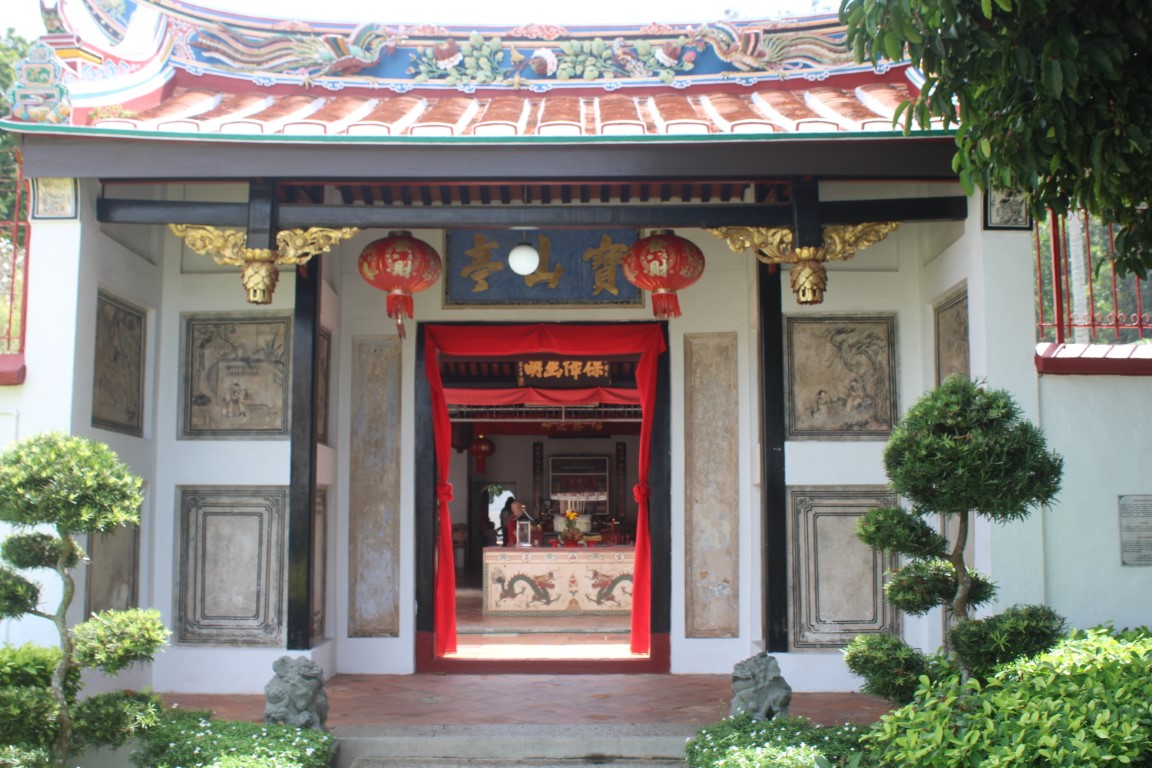
Poh San Teng Temple [a.k.a. Bǎo Shān Tíng]

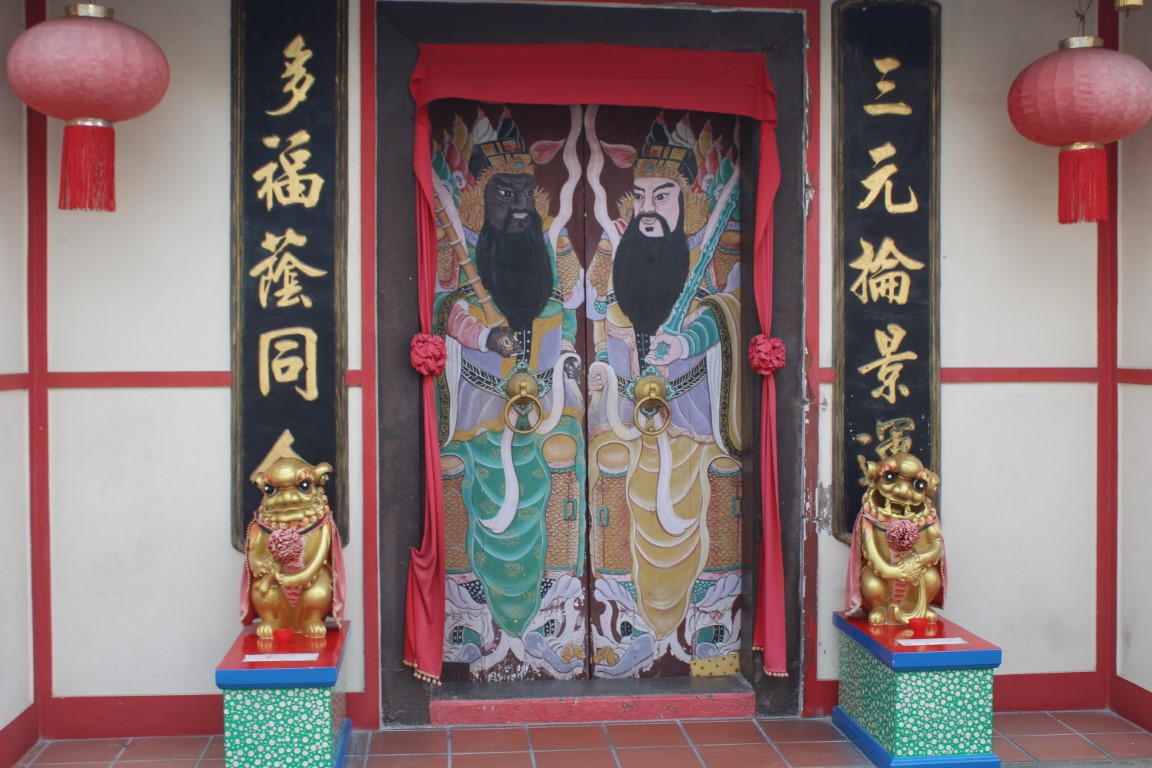
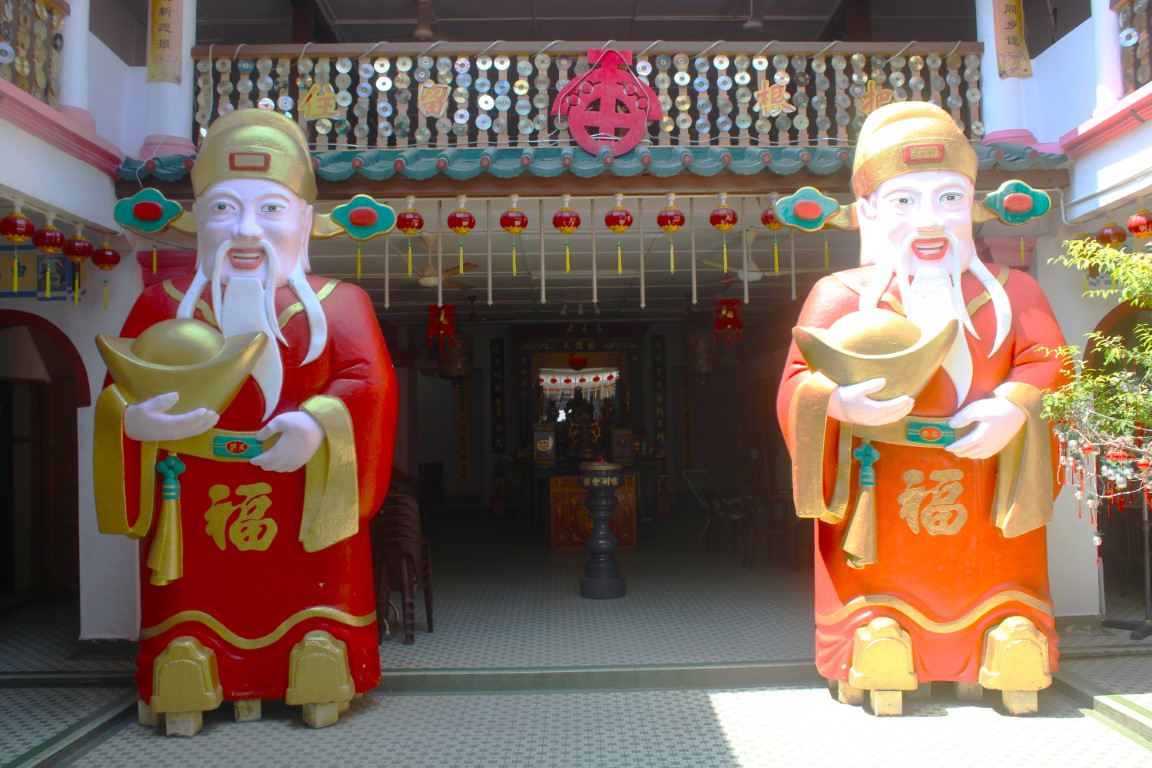
DAILY PHOTO: Scenes from Melaka’s Chinese Temples

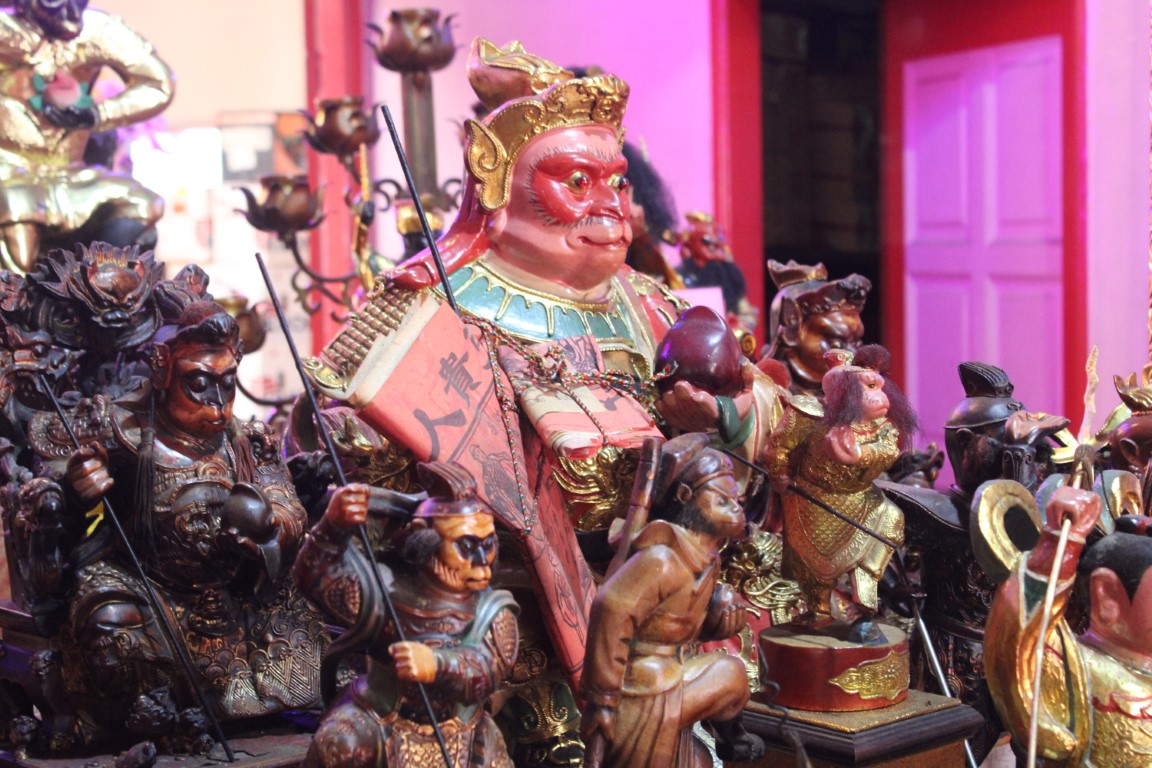
“Monkey God Temple” [Properly, 齊天府]
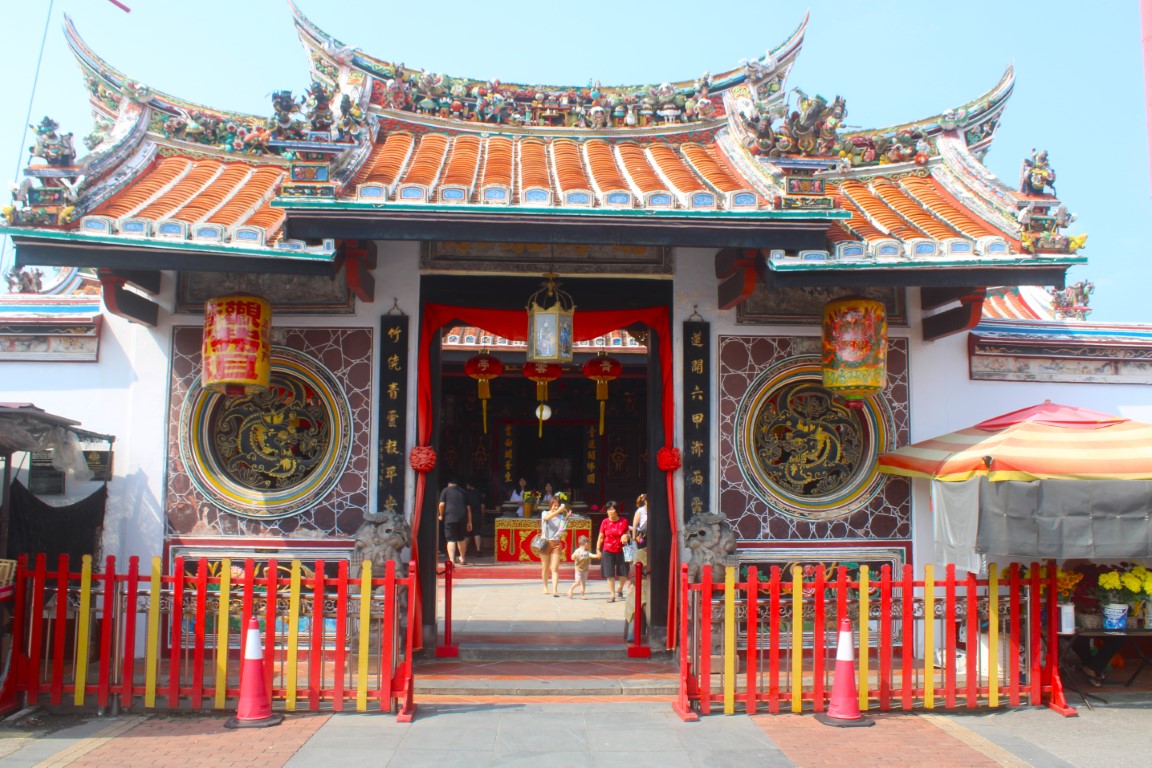
Cheng Hoon Teng (Temple of the Green Cloud) is the oldest Chinese temple in Malacca. It is a syncretistic temple (combining Taoist, Buddhist, Confucian, and Chinese Folk Religion elements.)

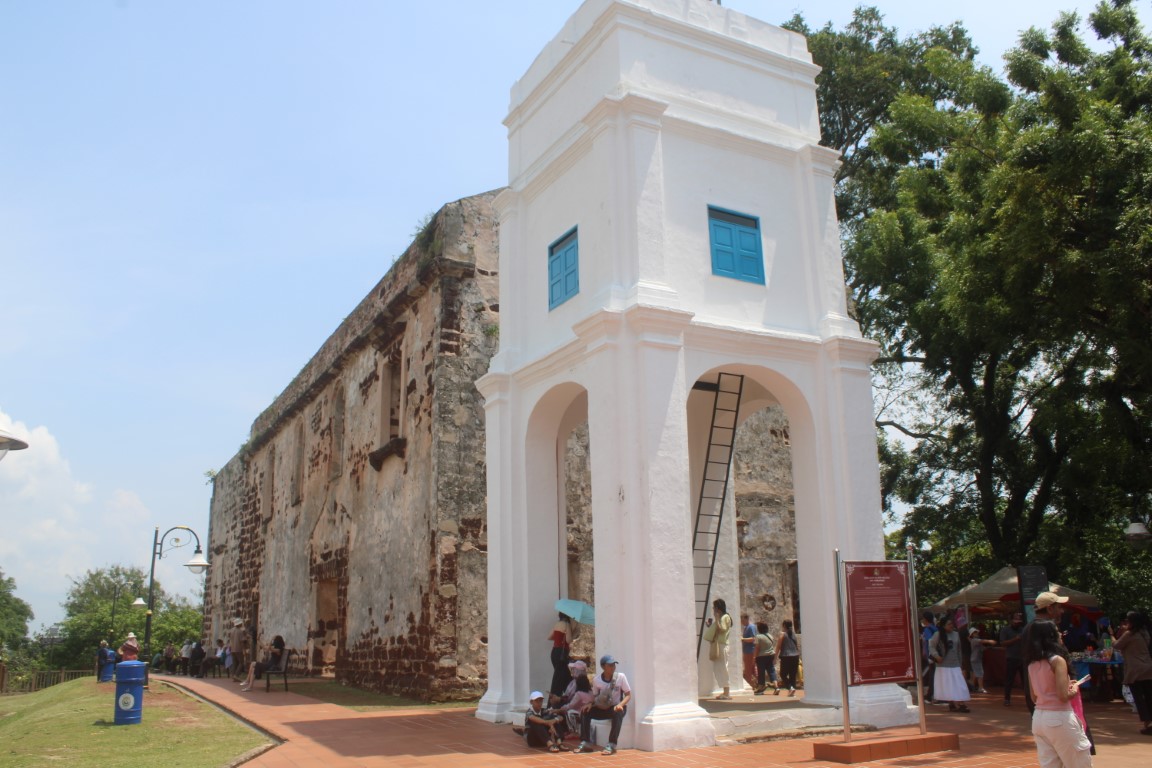
DAILY PHOTO: Church of St. Paul, Malacca

Said to be the oldest European building east of India, these hollowed out ruins represent one of the oldest Christian Churches in Southeast Asia.
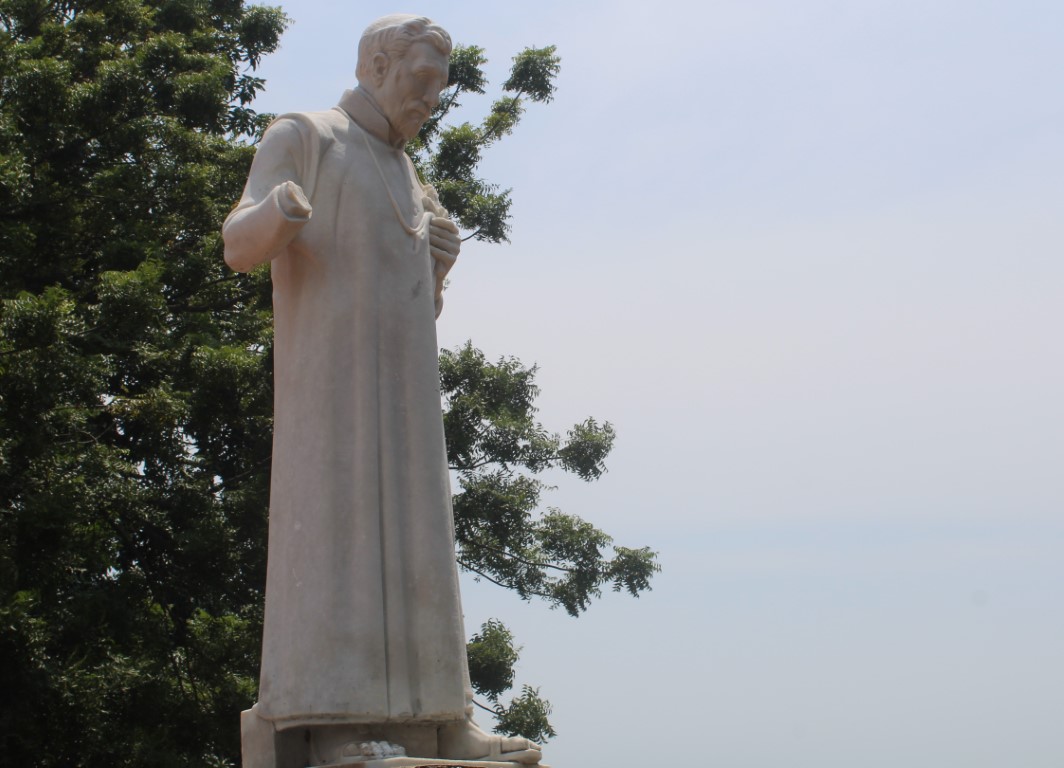
This statue of St. Francis Xavier stands in front of St. Paul’s Church. Francis Xavier did have his right hand amputated posthumously, and many like to tell the story that the statue’s hand was sheared off by lightning in an act of divine reckoning (though more likely the movers dropped the statue and the hand broke off. At any rate, that’s why they never got around to having it fixed.)

DAILY PHOTO: Cheng Hoon Teng Temple

DAILY PHOTO: Annai Vailankanni Church, Pottery Town

BOOKS: “Taoism: An Essential Guide” by Eva Wong

Taoism: An Essential GuideTaoism: An Essential Guide by Eva Wong
My rating: 4 of 5 stars

Publisher Site

This book offers the reader clarity about the scope of Taoism, a daunting challenge given Taoism’s long history and how it overlaps with other schools of philosophy as well as with Traditional Chinese Religion, more broadly. The book is divided into three parts: history, specialties (magic, divination, ceremony, inward training, and karma yoga,) and practices (meditation, somatic practices [e.g. qi gong and taijiquan,] and rituals and ceremonies.) The history section covers a period from pre-Taoist shamanic practices of 5,000 years ago, practices that would inform early Taoism, to a period during which Taoism became entwined with Buddhism and Confucianism. The specialties and practices sections attempt to give the reader a broad overview while avoiding discussion of “how-to.”

I found this book to be informative and interesting. It did feel more effectively geared toward someone with an interest in Taoism as religion rather than Taoism as a philosophy. The discussion does sometimes get into the weeds on issues like ceremonies and talismans (again, not in a how-to fashion, but with some arcane detail nevertheless,) but — at the same time — besides some discussion of the teachings of the Tao Te Jing and some exploration of Taoist metaphysics in the Divinational Taoism chapter, there’s not a lot of insight into Taoism as philosophy. That said, it does end each chapter with a “Further Reading” section that can point readers interested in a specific topic elsewhere.

If you’ve ever been overwhelmed at one of those bright and complicated Chinese temples and would like some insight into what Taoists do and how it’s different (or not different) from what Confucianists, Traditional Chinese Religion practitioners, and Zen Buddhists do, this is a good book to check out. If you’re solely interested in Taoism as a school of philosophy or otherwise have a specific focus such as qi gong and breathwork practices, you can probably find books that are better tailored to your needs.

View all my reviews

DAILY PHOTO: Gergeti Trinity Church, Stepantsminda

Image