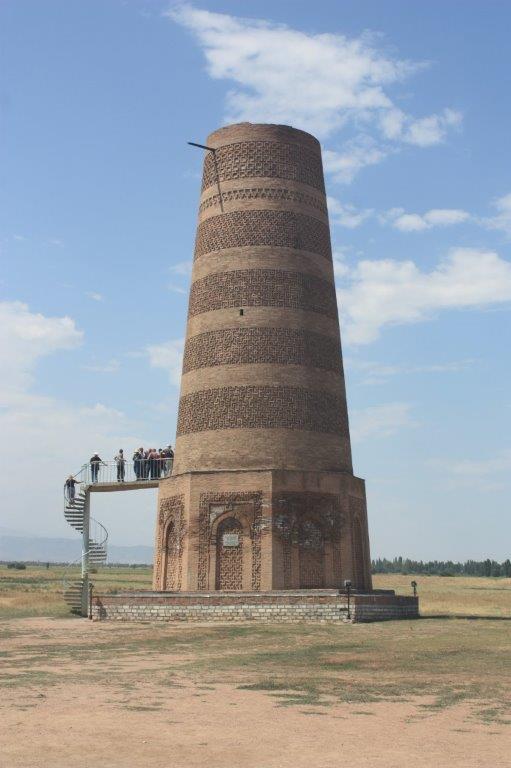
DAILY PHOTO: Burana Minaret, Kyrgyzstan

Originally built in the 11th Century, Burana was almost twice as high (45m to the current 25m,) but was damaged in an earthquake.

BOOKS: “American Intellectual History: A Very Short Introduction” by Jennifer Ratner-Rosenhagen

American Intellectual History: A Very Short Introduction (Very Short Introductions)American Intellectual History: A Very Short Introduction by Jennifer Ratner-Rosenhagen


Publisher Site – OUP

This is a brief guide to the philosophies and major developments in United States’ academia from pre-colonial times to the 1990’s. But both of those end points require a bit of clarification. The discussion of pre-colonial scholarly history is largely a mea culpa for beginning with colonial history because Native American tribes weren’t big on recording their philosophical and other scholastic ideas in writing. There is an appendix that discusses America scholarship in the era of globalization (and beyond.) My point is that if you’re hoping for discussion of what’s happened in the last couple decades, you won’t find it herein. (There are a few bibliographic references from the 2010’s, but that’s it.) It is a history book, but some readers may be curious because there’s been a lot of talk of late about issues related to scholarship in America.

Overall, I believe the book covered the topic solidly. There is considerable discussion of the debates triggered by the ideas of Charles Darwin arriving on American shores. As one would expect, there is also quite a bit of discussion of Transcendentalism and Pragmatism, two philosophies closely associated with America. The author covered a wide swath of ground including both progressive and conservative thinkers and viewpoints. One conspicuous absence was any mention of Objectivism / Ayn Rand. I know that isn’t a popular topic in academic circles and is widely dismissed with contempt, but on the grounds of: a.) Objectivism’s considerable influence (e.g. we had a Federal Reserve Chairman – Alan Greenspan – who served almost 20 years under both Republican and Democratic Presidents who was from that school of thought,) b.) its distinctive Americanness, I’m shocked that it didn’t merit at least a sentence or any mention of a book in the bibliography.

All in all, it’s an interesting book that offers unique insight into the history of the United States.

View all my reviews

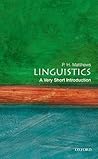
BOOKS: “Linguistics: A Very Short Introduction” by P.H. Matthews

Linguistics: A Very Short IntroductionLinguistics: A Very Short Introduction by P.H. Matthews
My rating: 4 of 5 stars

Publisher Site – OUP

This book offers an overview of the territory studied by the discipline of linguistics, from general topics such as what a language is and what distinguishes human language through more technical and scientific subjects such as the nature of vocal sound and the role of the brain in language.

It introduced me to some interesting ideas that I hadn’t previously given much thought, such as: the importance of redundancy in language, the idea that a word can’t necessarily be thought of as simply a label put on a pre-existing notion or thing, the question of whether language developed once or multiple times (independently,) how languages are learned, and how speaking influences thinking and vice versa.

Until the penultimate chapter (Ch. 8 – “Sounds”) I felt the book was doing a fine job of sticking to the basics, being interesting but not obscure. The “Sounds” chapter seemed to get more into the weeds than the rest (but, I’ll concede, it may have been part my relative interest in the topic, your results may vary.)

The book, like others in the series, has a few monochrome graphics as well as a “Further Reading” section.

If one is looking for a broad introduction to linguistics, I’d recommend this as a fine place to start.

View all my reviews

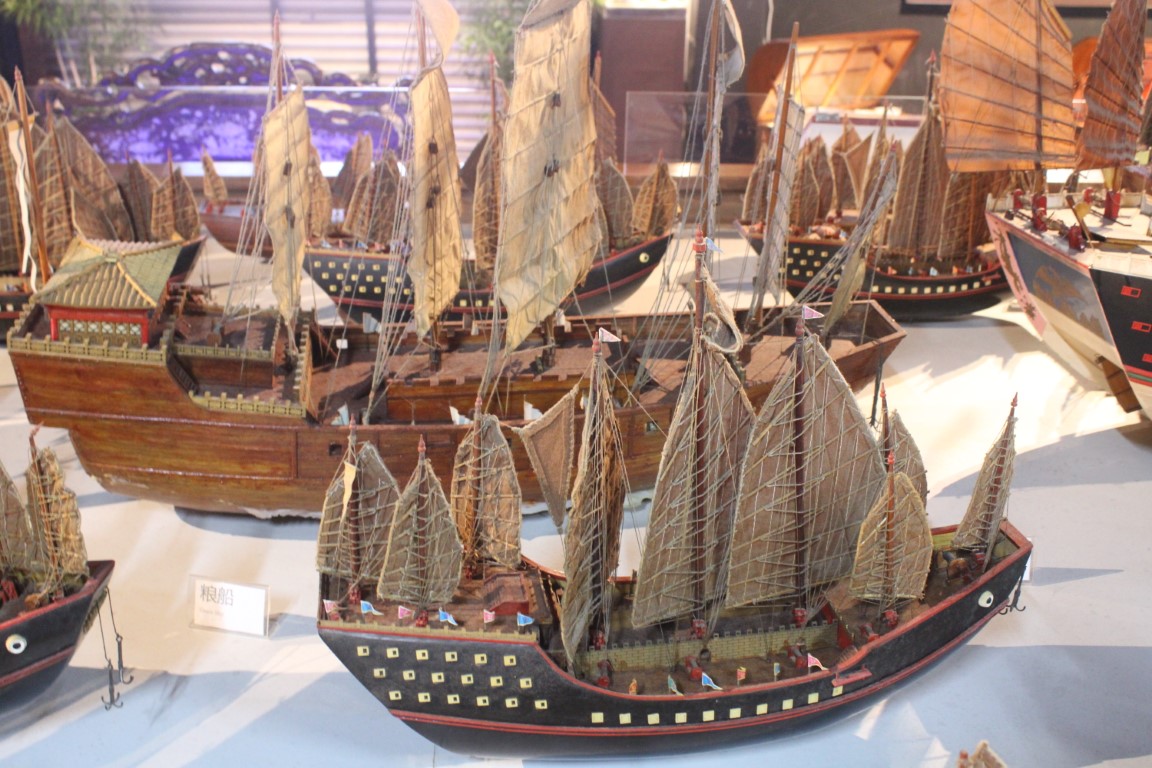
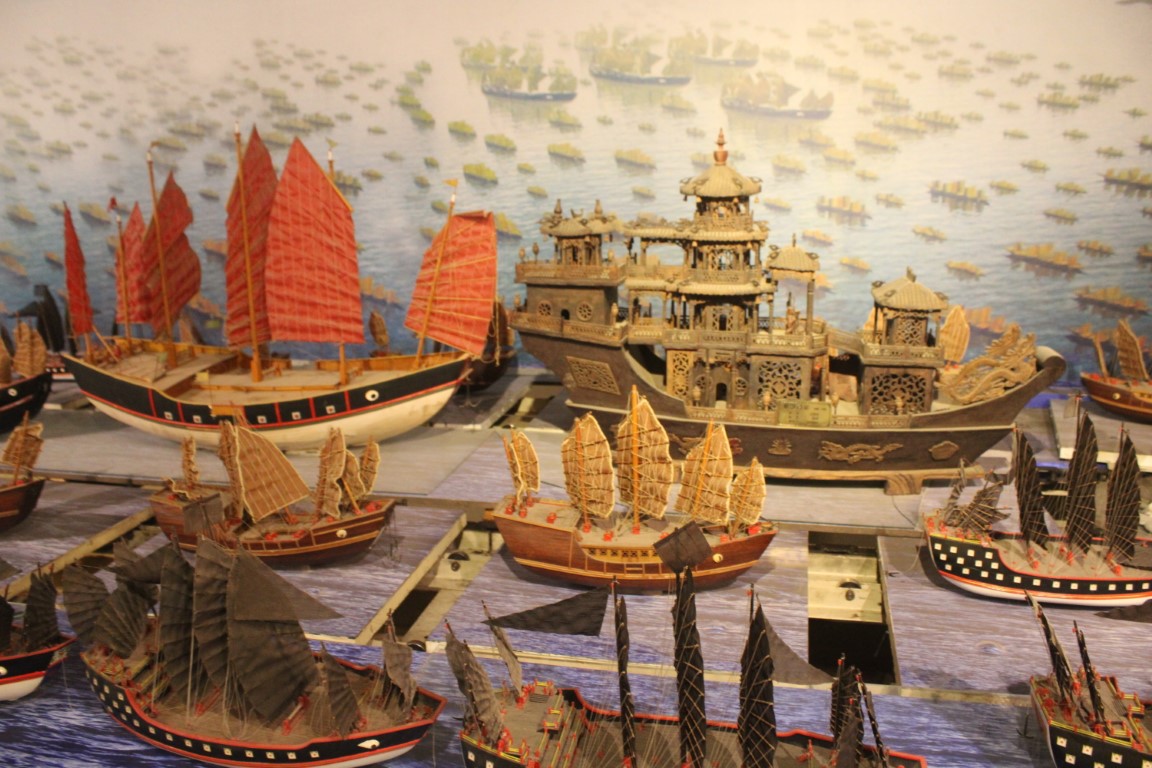
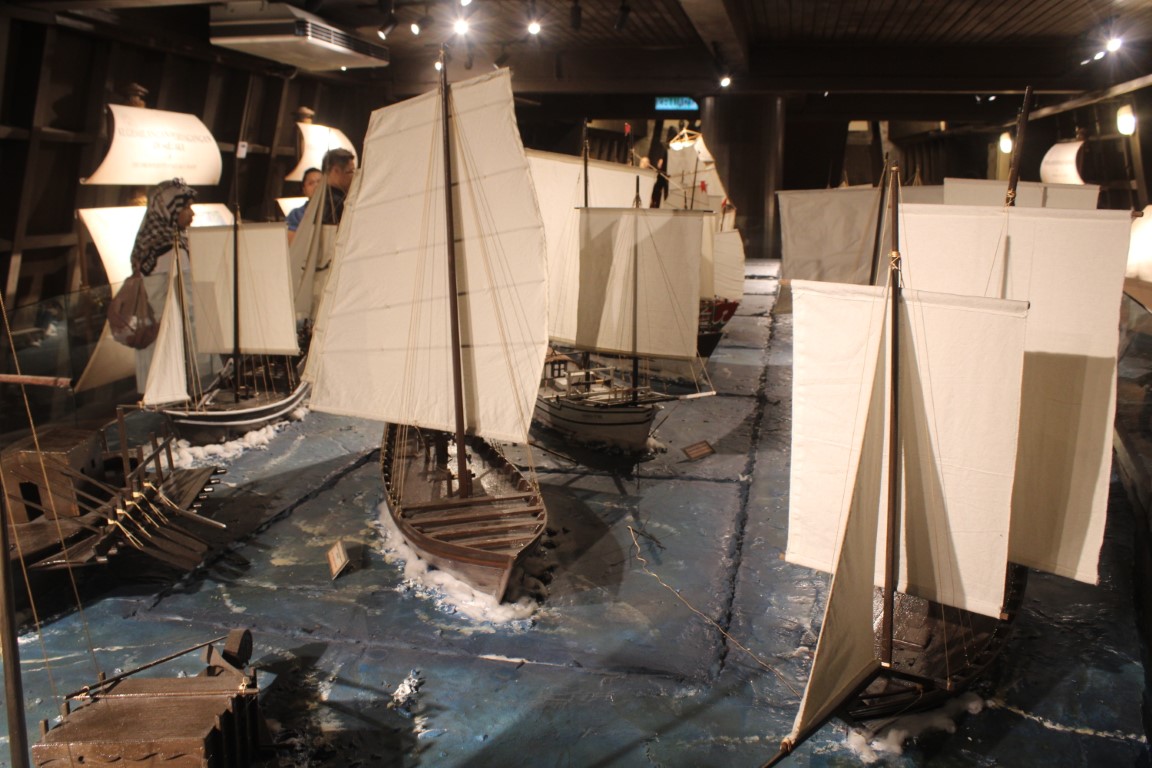
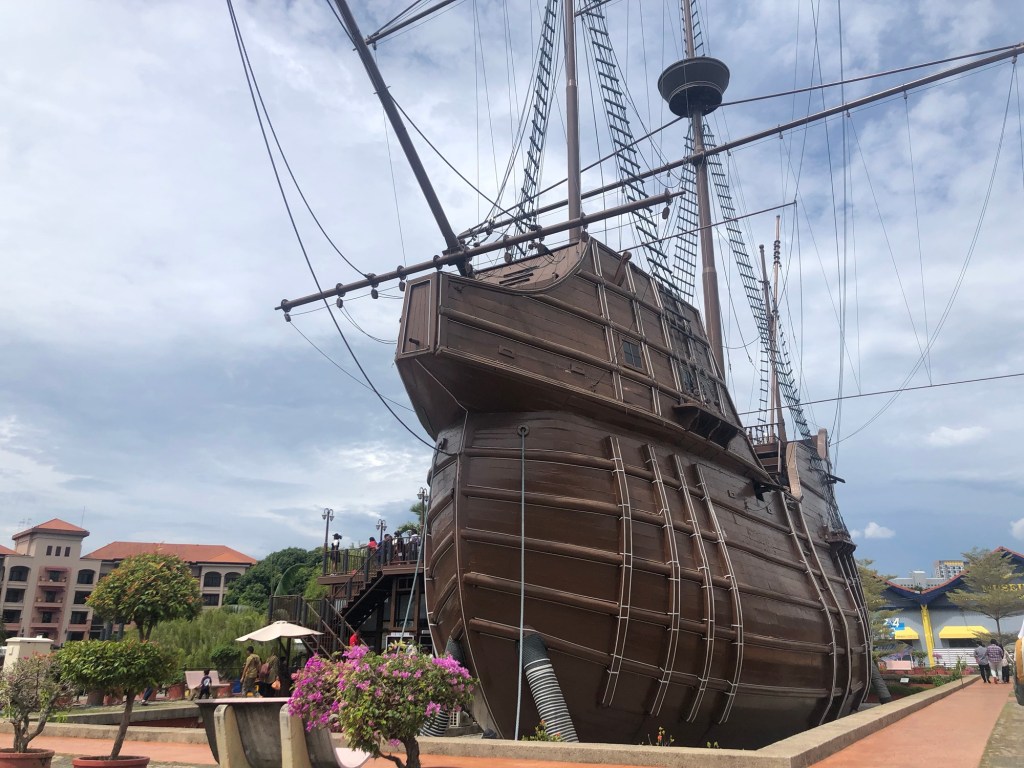
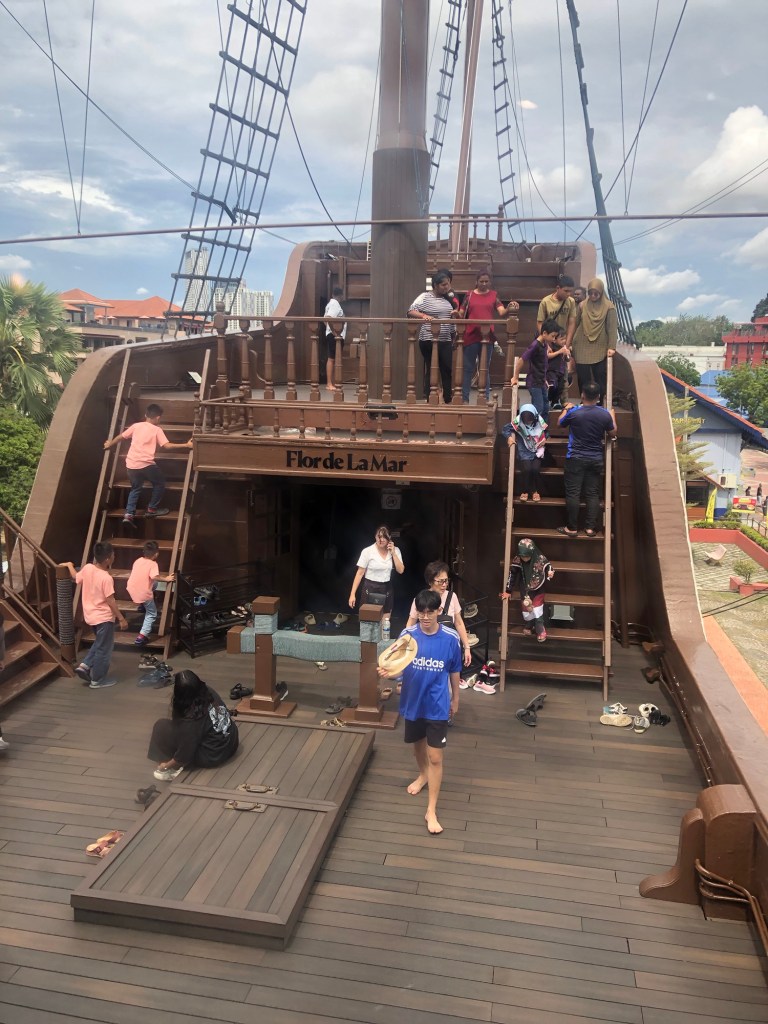
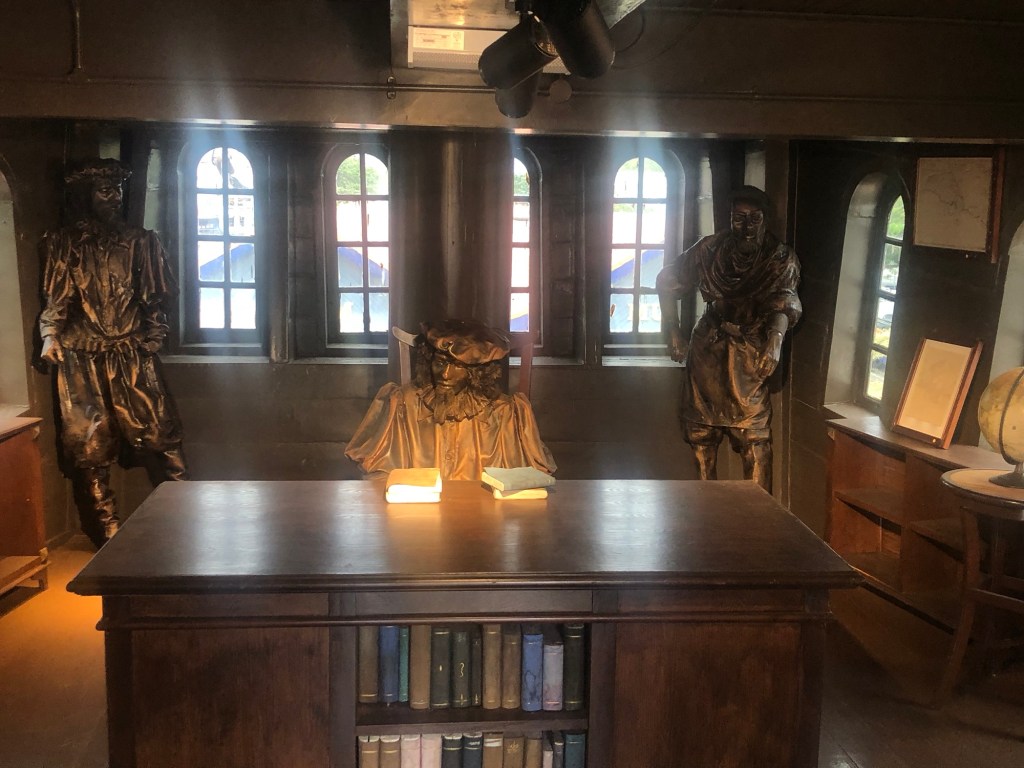
DAILY PHOTO: Ship Displays from Melaka Museums

Cheng Ho Cultural Museum (A museum dedicated to the famous Chinese Admiral Zheng He)
Cheng Ho Cultural Museum
Maritime Museum of Melaka (Flor de la Mar)

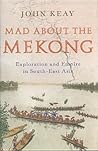
BOOK: “Mad About the Mekong” by John Keay

Mad About The Mekong: Exploration and Empire in South East AsiaMad About The Mekong: Exploration and Empire in South East Asia by John Keay
My rating: 4 of 5 stars

Publisher’s Site

This book is largely, but not exclusively, an accounting of the Mekong Exploration Commission’s two-year (1866-1868) expedition of the Mekong River. The French undertook this expedition in the expectation that the Mekong, like other of the world’s major rivers, would allow ocean-going ships to traverse deep inland — possibly even up into Yunnan, China. The explorers were quickly disabused of this notion, but they relentlessly kept going – despite suffering from disease and the exhaustion of a trip that involved a lot more portaging and other intense physical activities than they’d hoped for.

As I mentioned, Keay doesn’t stick purely to description of the activities of these nineteenth century explorers. Along the way he also brings in fascinating stories from other periods as well as discussion of what the river is like (e.g. its ecology, infrastructure, role in geopolitics, etc.) these days. So, while it would be excessive to call the book a history of the Mekong, it is in some regards — albeit the highlights reel. Some of the diversions were among my favorite parts of the book. Perhaps my favorite was the story of Tony Poe, whose story is said to be the model for Col. Kurtz of Apocalypse Now. I’d long heard that that movie was based on Joseph Conrad’s Heart of Darkness, and it is (the name “Kurtz” is clearly from Conrad’s novella, though Poe’s occupation more closely mirrors the Col. Kurtz character played by Marlon Brando.)

While the book sometimes shines the light more broadly than he Mekong Exploration Commission Expedition, it also narrows its focus much of the way, putting the expedition’s most colorful character, Francis Garnier, front and center. Garnier was not only the most intriguing member of the leadership, he also led the group to what was the end of the line for the expedition, deep in China, when the Captain, Ernest Doudart de Lagree, became incapacitated by disease.

If you’re interested in history, travel, or exploration, I’d recommend this book.

View all my reviews

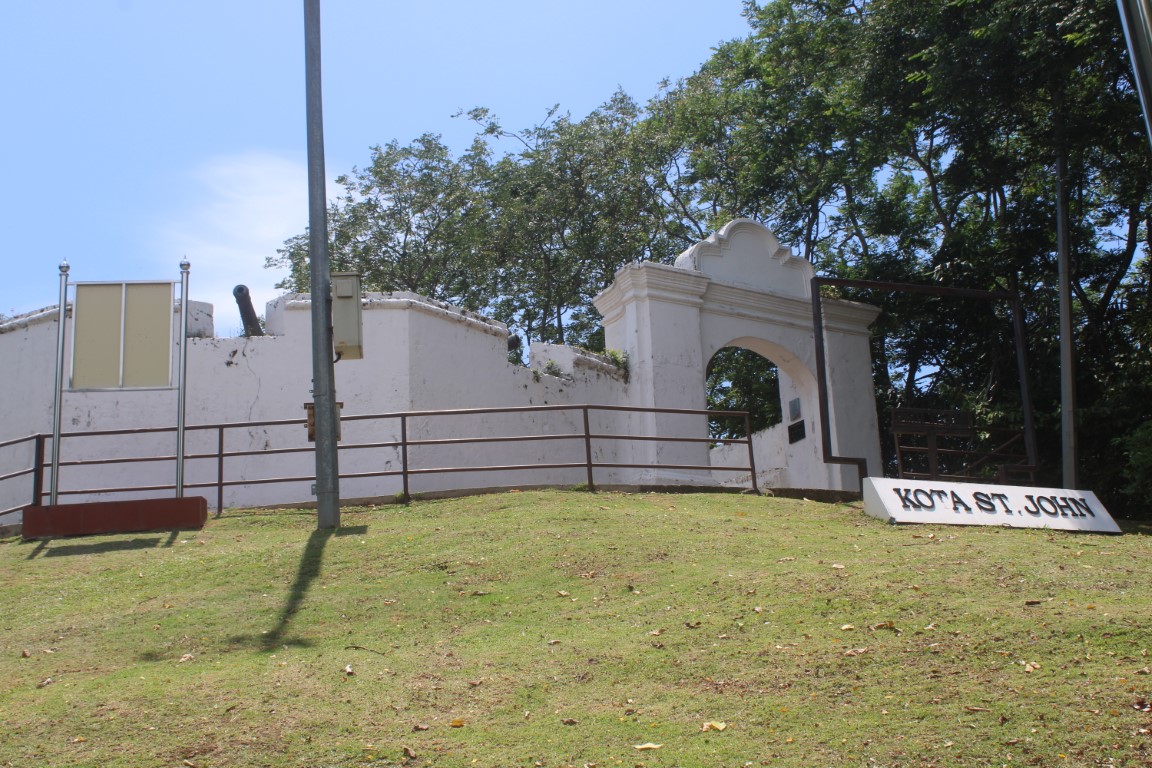
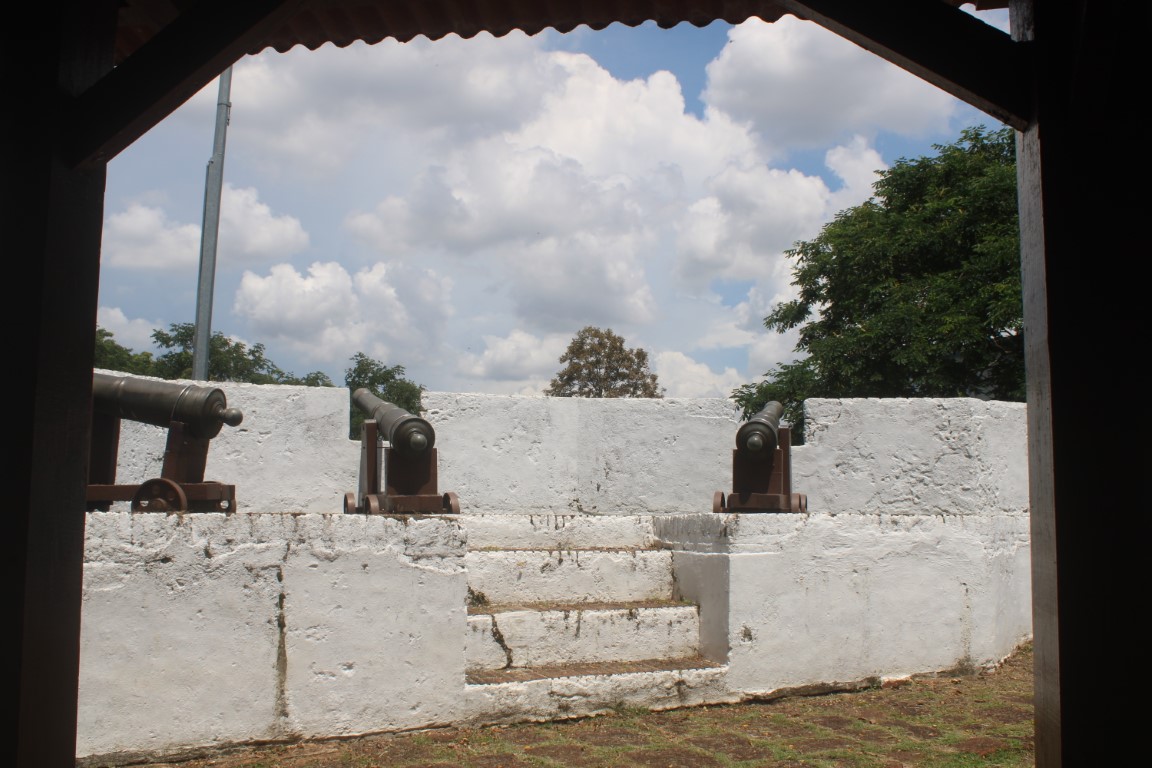
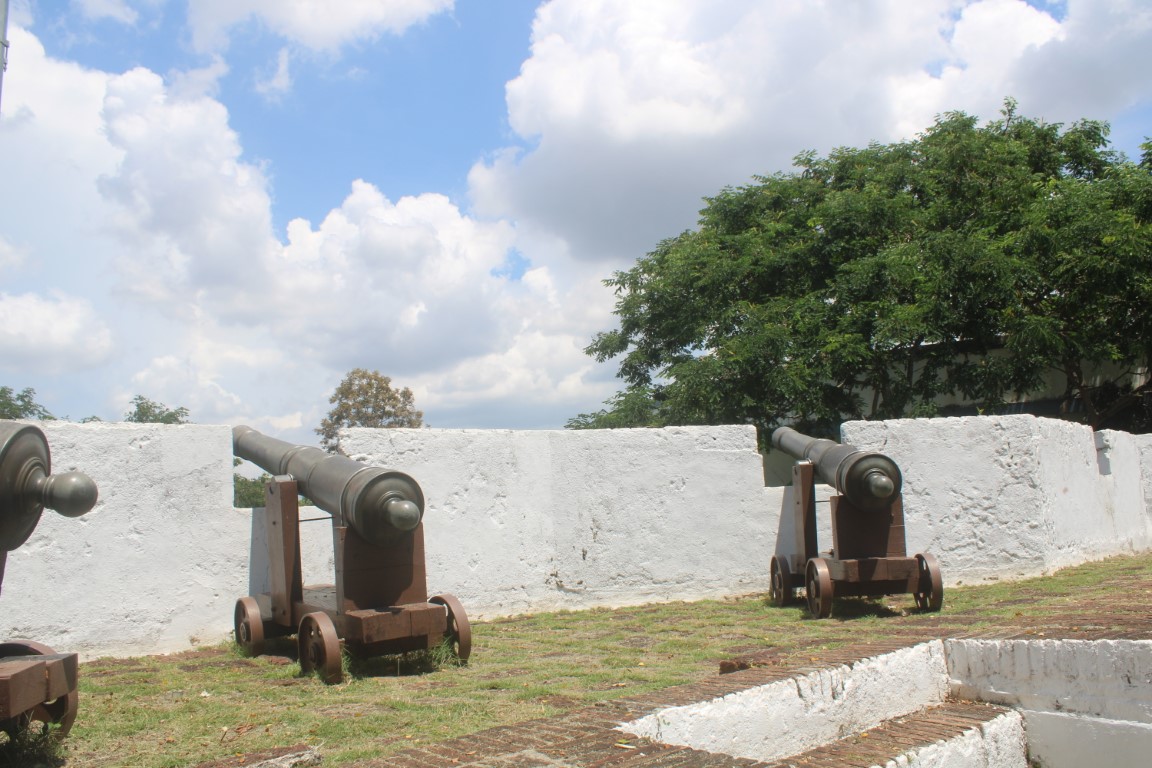
DAILY PHOTO: St. John’s Fort, Malacca

St. John’s Fort (or Kota St. John) is a preserved Dutch fort built upon existing Portuguese fortifications. This fort is built facing landward to protect against overland attacks by the Acehnese and Bugis (rather than toward the sea to protect from maritime competitors.)

DAILY PHOTO: Flor de La Mar

The Flor de La Mar was a Portuguese ship laden with loot stolen from Malacca when it sunk. This scale replica is a museum (Muzium Sumadera) in Malacca.

DAILY PHOTO: Church of St. Paul, Malacca

Said to be the oldest European building east of India, these hollowed out ruins represent one of the oldest Christian Churches in Southeast Asia.
This statue of St. Francis Xavier stands in front of St. Paul’s Church. Francis Xavier did have his right hand amputated posthumously, and many like to tell the story that the statue’s hand was sheared off by lightning in an act of divine reckoning (though more likely the movers dropped the statue and the hand broke off. At any rate, that’s why they never got around to having it fixed.)

BOOKS: “Taoism: An Essential Guide” by Eva Wong

Taoism: An Essential GuideTaoism: An Essential Guide by Eva Wong
My rating: 4 of 5 stars

Publisher Site

This book offers the reader clarity about the scope of Taoism, a daunting challenge given Taoism’s long history and how it overlaps with other schools of philosophy as well as with Traditional Chinese Religion, more broadly. The book is divided into three parts: history, specialties (magic, divination, ceremony, inward training, and karma yoga,) and practices (meditation, somatic practices [e.g. qi gong and taijiquan,] and rituals and ceremonies.) The history section covers a period from pre-Taoist shamanic practices of 5,000 years ago, practices that would inform early Taoism, to a period during which Taoism became entwined with Buddhism and Confucianism. The specialties and practices sections attempt to give the reader a broad overview while avoiding discussion of “how-to.”

I found this book to be informative and interesting. It did feel more effectively geared toward someone with an interest in Taoism as religion rather than Taoism as a philosophy. The discussion does sometimes get into the weeds on issues like ceremonies and talismans (again, not in a how-to fashion, but with some arcane detail nevertheless,) but — at the same time — besides some discussion of the teachings of the Tao Te Jing and some exploration of Taoist metaphysics in the Divinational Taoism chapter, there’s not a lot of insight into Taoism as philosophy. That said, it does end each chapter with a “Further Reading” section that can point readers interested in a specific topic elsewhere.

If you’ve ever been overwhelmed at one of those bright and complicated Chinese temples and would like some insight into what Taoists do and how it’s different (or not different) from what Confucianists, Traditional Chinese Religion practitioners, and Zen Buddhists do, this is a good book to check out. If you’re solely interested in Taoism as a school of philosophy or otherwise have a specific focus such as qi gong and breathwork practices, you can probably find books that are better tailored to your needs.

View all my reviews

BOOKS: “Southeast Asia: A Very Short Introduction” by James R. Rush

Southeast Asia: A Very Short Introduction (Very Short Introductions)Southeast Asia: A Very Short Introduction by James R. Rush
My rating: 4 of 5 stars

Publisher Site

I’ve been to most of the eleven countries of Southeast Asia, but still my questions are many. This short guide answered some of them. The book takes a largely historical approach, breaking the timeline into periods during which these countries were pre-nation-state kingdoms, then colonies, and then independent countries. While the guide is written by a historian and is organized by governance (i.e. who won the wars,) it does not solely address politics and regimes.

The guide also explores subjects such as religion. This was fortunate for me because a lot of my questions involve this topic. Why is the northern part of the region mostly Buddhist while the southern part is mostly Muslim? Why did Hinduism and other Indian religions (not inclusive of Buddhism, which virtually died out within India) almost entirely give way to other religions in this area, except for spotty exceptions (most notably Bali?) Incidentally, the former question is answered more than the latter, which makes sense as this is small book for a relatively large area, but more importantly for a long history. Southeast Asia has been a strategically and economically important place for centuries.

As a traveler, I found this book well worth reading as a way to gain insight into the region. It doesn’t dive deep into cultural questions (except a bit into religion,) and so there is much more to learn from other books. It does explore who governed these countries and how, and the last chapter brings the question up to date — reflecting on the political and economic changes in the last couple decades. If you’re curious to know more about Southeast Asia, in a way that doesn’t get too deep in the minutiae, this book is worth checking out.


View all my reviews