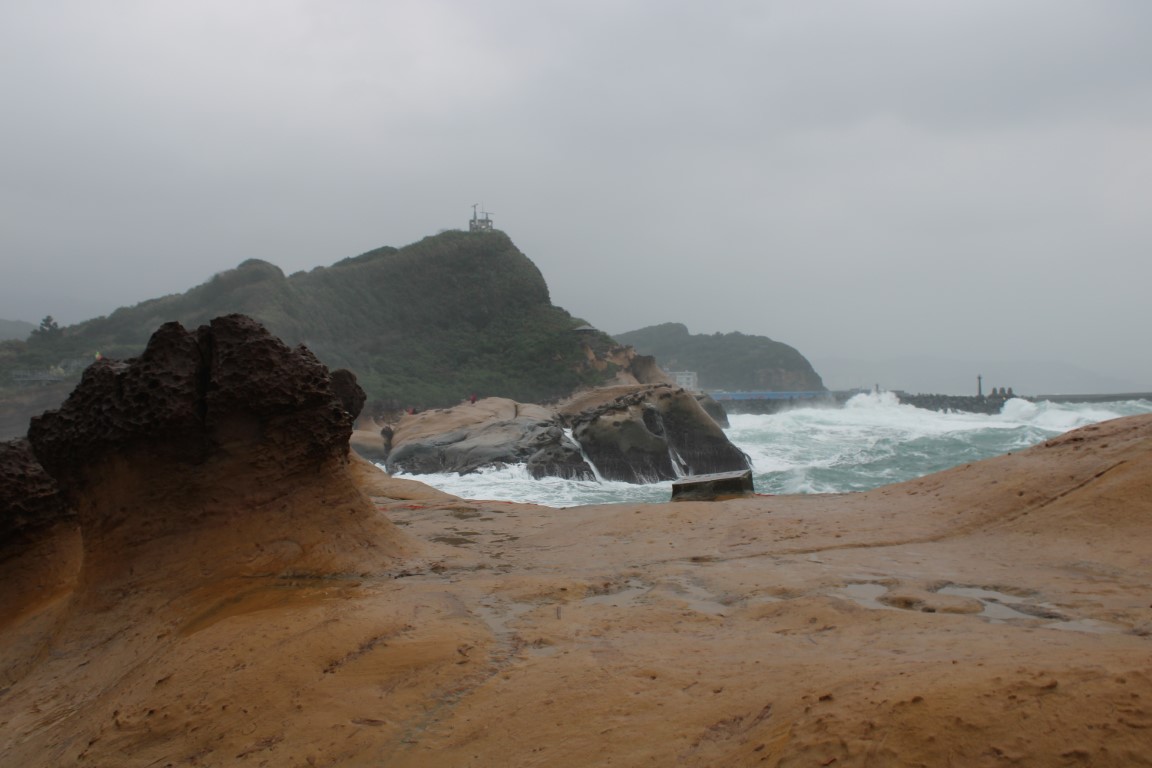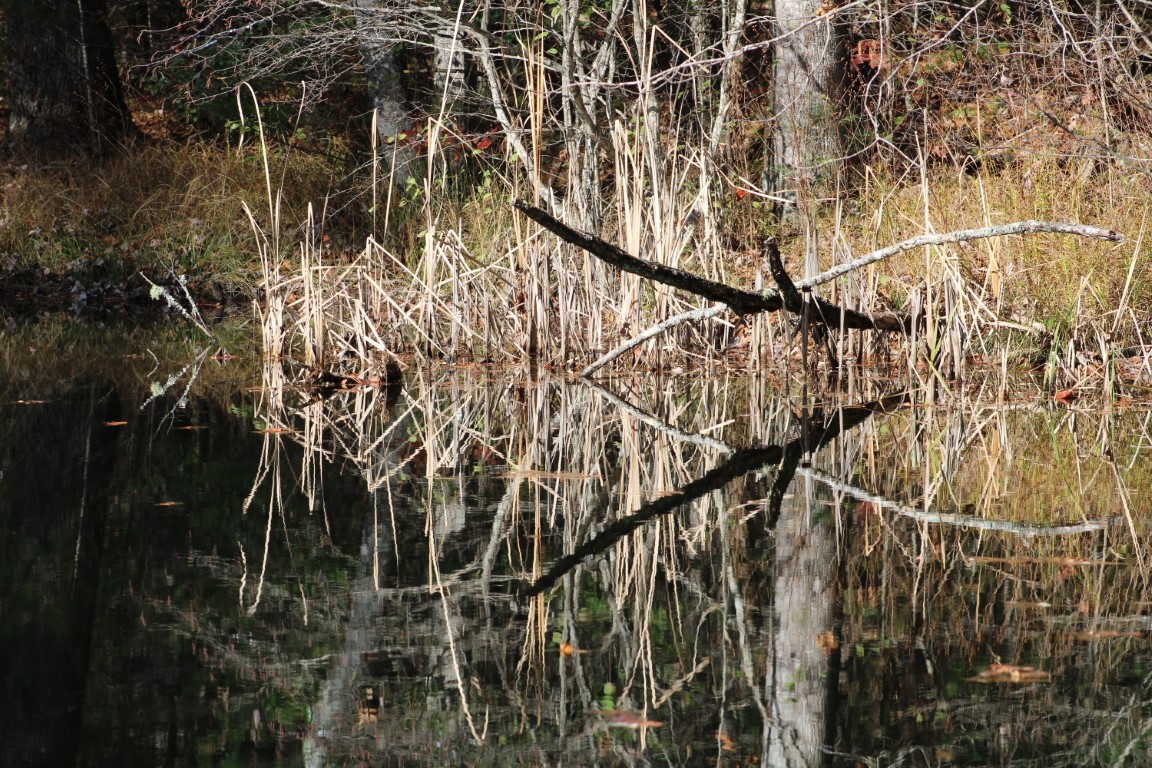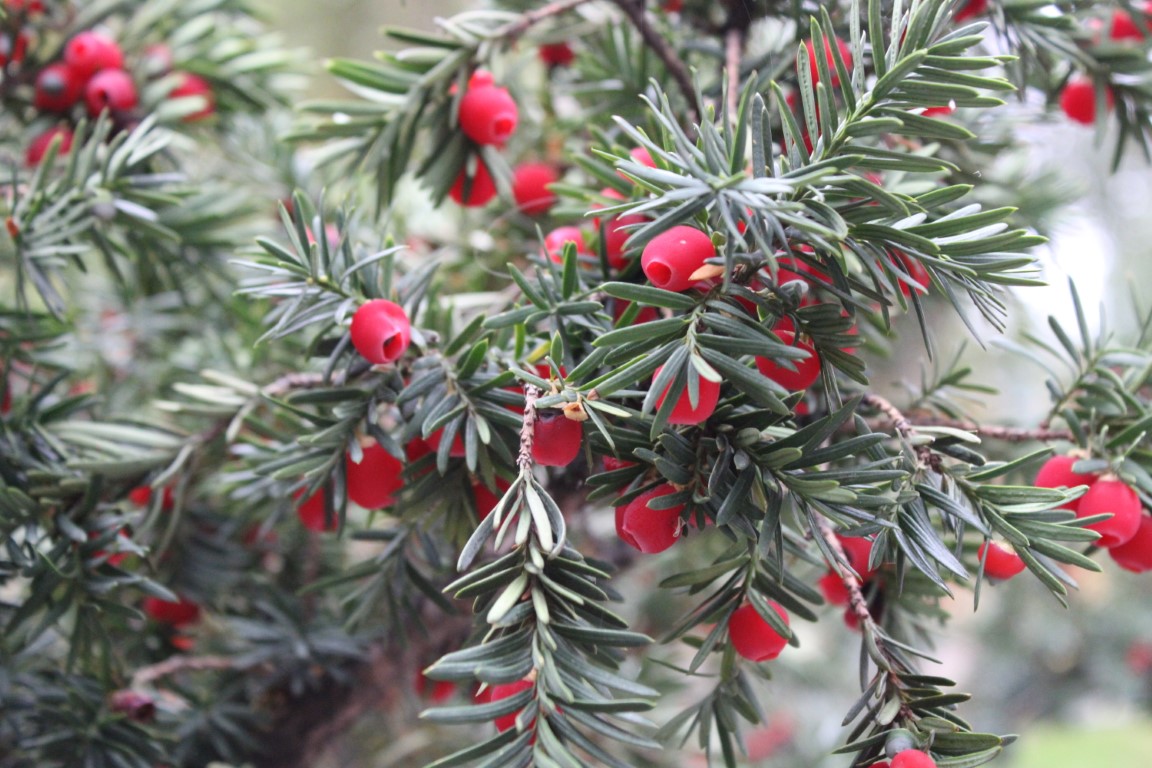
DAILY PHOTO: Republic Square, Yerevan

Government House # 2
Government House #1
Museums Building [National Gallery and History Museum]

BOOKS: “Best Literary Translations 2024” ed. by Jane Hirschfield, et. al.

Best Literary Translations 2024Best Literary Translations 2024 by Jane Hirshfield
My rating: 5 of 5 stars

Publisher Site

This “best of” annual celebrates the unsung translator. Many of the original works are recent but some are old or even ancient; it is these translations to English that are in all cases recent. Spanish and Arabic translations are well-represented, but with respect to the twenty or so languages included, almost all are the sole representative for that particular source language. Poetry makes up the bulk of the collection (including prose poems,) but there are several pieces of short fiction and a piece of creative nonfiction or two.

Among my favorites were: “Grazing Land” (Greek,) “The Snail’s Spiral” (Spanish,) “The Lion” (Kurdish,) “Deterioration” (Persian,) “Graceless” (Chinese,) “Our Village” (Tigrinya,) and “The Sea Krait” (Tagalog.) But, as one would expect of a carefully curated “best of” collection, there were no stinkers in the batch.

If you enjoy literature in translation, this book is well worth investigating.

View all my reviews

“Finely Woven” [Poetry Style #14] by Sikong Tu [w/ Audio]

The building blocks of everything --
Too fine to feel or see or smell --
Dance their way into hardened shapes
Via forces, invisible.
And so water flows, flowers bud,
But - also - dew evaporates.
This expansive path stretches on --
It's slow-going through dark lands.
It can't be spoken of smartly.
It can't be pondered fruitfully.
It's Early Spring green in sunlight,
Or like the snow seen by moonlight.

NOTE: The late Tang Dynasty poet, Sikong Tu (a.k.a. Ssŭ-k‘ung T‘u,) wrote an ars poetica entitled Twenty-Four Styles of Poetry. It presents twenty-four poems that are each in a different tone, reflecting varied concepts from Taoist philosophy and aesthetics. Above is a translation of the fourteenth of the twenty-four poems. Translated titles vary: Giles calls it “Close Woven” and others have titled it, “Fine.”

Biblical Skies [Free Verse]

I can see the Bible stories 
writ in these skies
as I pass through
ancient parts.

Slant shafts of light spill
through the clouds,
angling toward some
blessed soul.

I can see distant clouds --
fringed in curls --
as if painted upon
a cathedral ceiling.

Clouds that display the depth
of an artist's skill and
eye for perspective,
but not true depth.
(They seem too distant for that;
they're too real to be real.)

And I look up again out of the window
and am blinded by light
that has pierced thick clouds,
and I wonder whether anyone is
seeing this light shaft bless me.

BOOKS: “The Pass of the Persecuted” by Guram Odisharia

The Pass of the PersecutedThe Pass of the Persecuted by Guram Odisharia
My rating: 5 of 5 stars

Prospero’s Books

I picked up this book at Prospero’s Books in Tbilisi as part of my continuing effort to consume literature from every place I visit. It’s one of those books that’s small in page count (less than 100pp.) but massive in emotional impact. It tells of the author’s flight from Abkhazia (a contested region between Georgia and Russia on the Black Sea) on foot over a high mountain pass in the early 1990’s. It shines a harsh light on the refugee experience (though I don’t know that the term “refugee” is technically correct as Odisharia was both leaving from and going to a country to which he was a citizen.)

Besides being a visceral story of hardship, this thin book is weighty with powerful language, and it offers some vivid philosophical insights — e.g. “Miserable is the country where a bullet is valued more than a kind word, where hatred means more than love.” or “Mountains are like great love. Great love makes a kind man kinder, and a wicked man more wicked, a niggardly man more niggardly, a greedy man greedier, a cowardly man more cowardly, a naive man more naive…”

I found this book to be well worth reading.

View all my reviews

DAILY PHOTO: Over Tajikistan

BOOK: “How To Be The Best Improviser On Earth” by Will Hines

How To Be The Greatest Improviser On EarthHow To Be The Greatest Improviser On Earth by Will Hines
My rating: 5 of 5 stars

Amazon.in Page

This guide to performing improv comedy alternates chapters that explore various tenets of the art with chapters that present exercises to help one carry out said tenets in practice. So, it is both a philosophy of improv and a how-to manual. The tenets include: “be present,” “be changeable,” “be brave,” “be authentic,” and “be funny” — among others.

Being a neophyte to the subject, I knew nothing beyond the oft joked upon advice to always “Yes, and…” during a scene, a lesson intended to keep a scene moving and which also provides much material for wisecracks. This book doesn’t spend much time on that rule beyond discussing when one should break it, and how one can do so without bringing a scene to a halt. The key takeaways of the book were about pacing and the need for normality in contrast to the absurdity to make a scene funny. That is, one can’t just go to the whackiest place possible out of the gate and with all characters, instead it is the contrast between everyday conversation and the introduction of an absurd premise that makes a scene funny. As with the “straight man” of a comedic duo, one needs straight elements or characters.

I found this book to be informative. It’s a quick read and offers much food-for-thought that could benefit one offstage as well as on.

View all my reviews

“Inversnaid” by Gerard Manley Hopkins [w/ Audio]

This darksome burn, horseback brown,
His rollback highroad roaring down,
In coop and in comb the fleece of his foam
Flutes and low to the lake falls home.

A windpuff-bonnet of fawn-froth
Turns and twindles over the broth
Of a pool so pitchblack, fell frowning,
It rounds and rounds Despair and drowning.

Degged with dew, dappled with dew
Are the groins of the braes that the brook threads through.
Wiry heathpacks, flitches of fern,
And the beadbonny ash that sits over the burn.

What would the world be, once bereft
Of wet and of wildness? Let them be left,
O let them be left, wildness and wet;
Long live the weeds and the wilderness yet.

DAILY PHOTO: Tbilisi with Spanish Broom

PROMPT: Work / Life Balance

How do you balance work and home life?

Live in the moment.