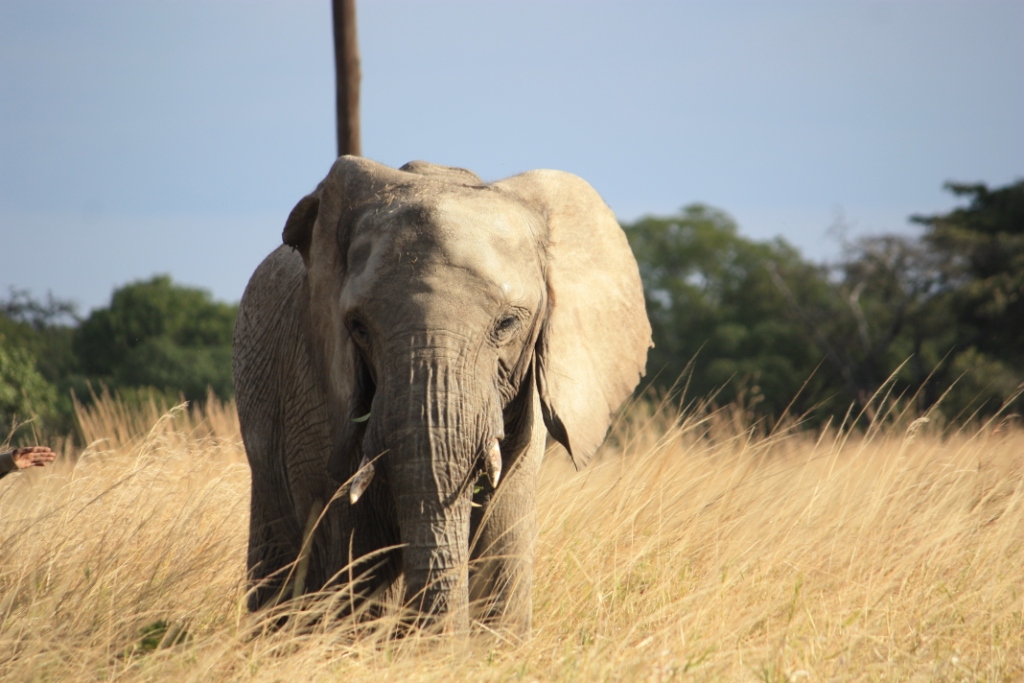
DAILY PHOTO: Elephant in the Grasslands
Image
Reply
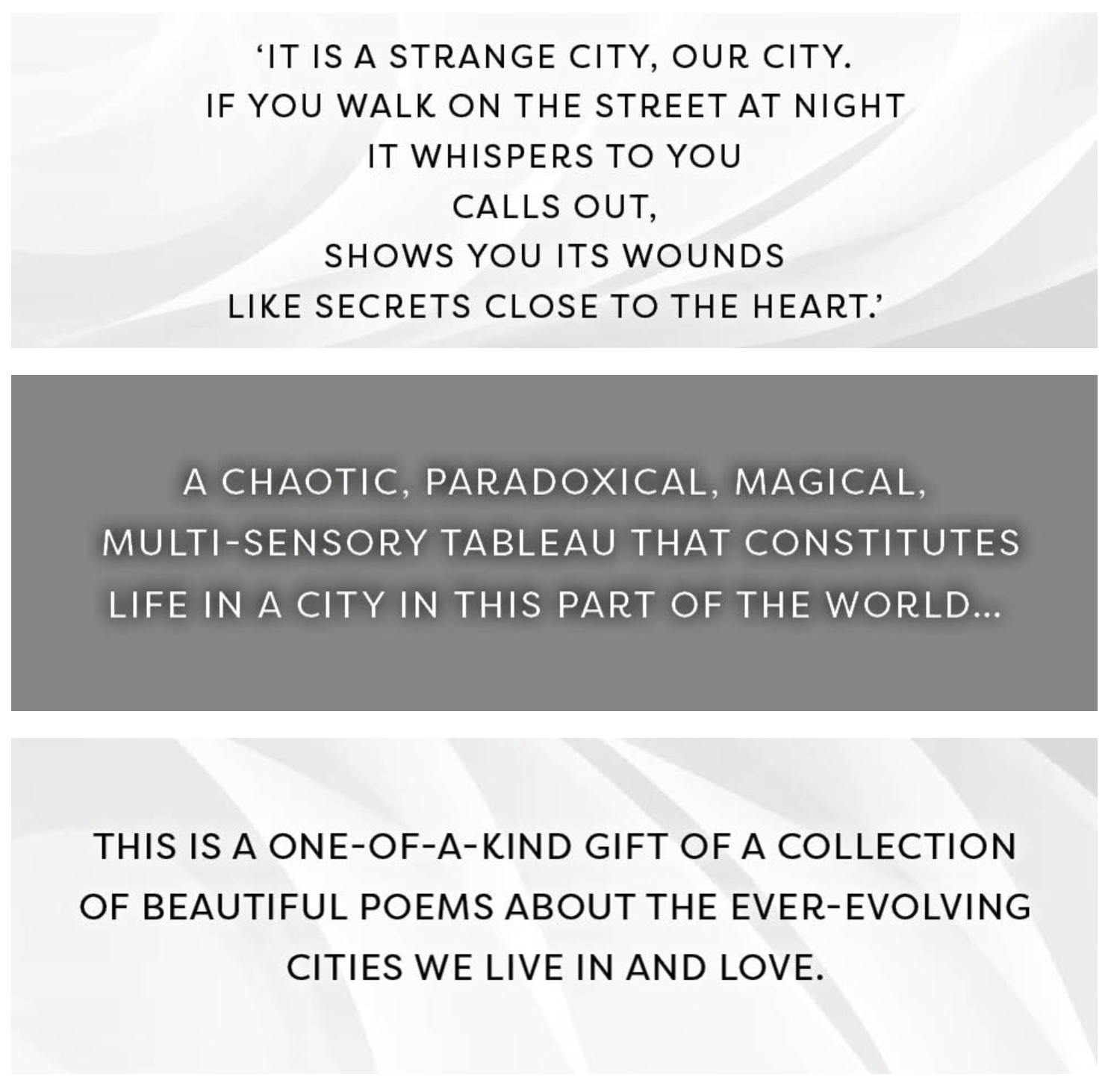
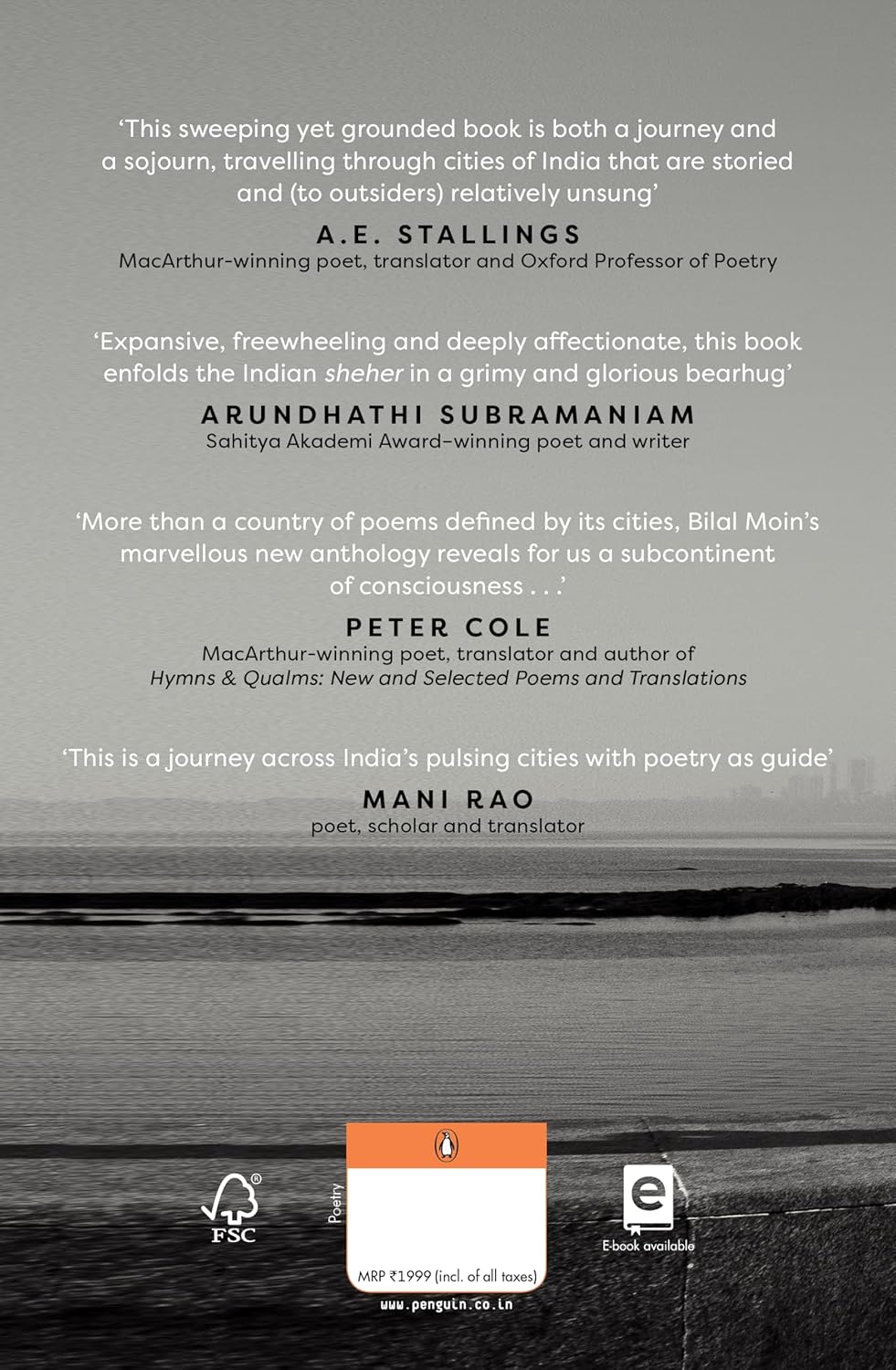
I have a piece in this new collection, out tomorrow (May 30, 2025) in the Indian market and later in the year for international markets.
GoodReads Page Amazon.in Page

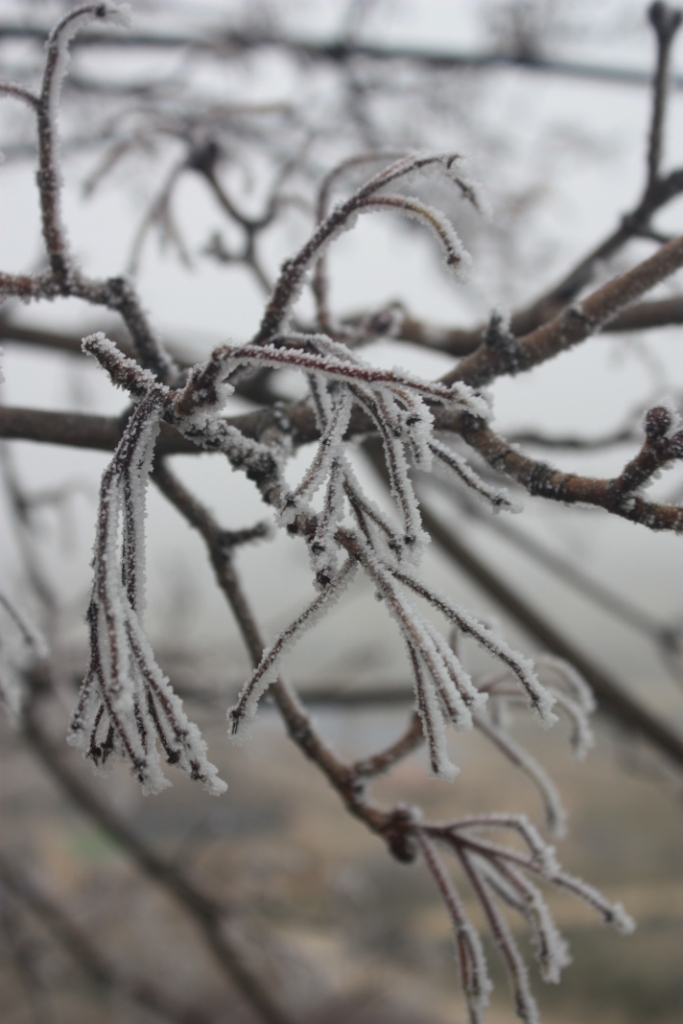
One must have a mind of winter
 To regard the frost and the boughs
 Of the pine-trees crusted with snow;

And have been cold a long time
 To behold the junipers shagged with ice,
 The spruces rough in the distant glitter

Of the January sun; and not to think
 Of any misery in the sound of the wind,
 In the sound of a few leaves,

Which is the sound of the land
 Full of the same wind
 That is blowing in the same bare place

For the listener, who listens in the snow,
 And, nothing himself, beholds
 Nothing that is not there and the nothing that is.
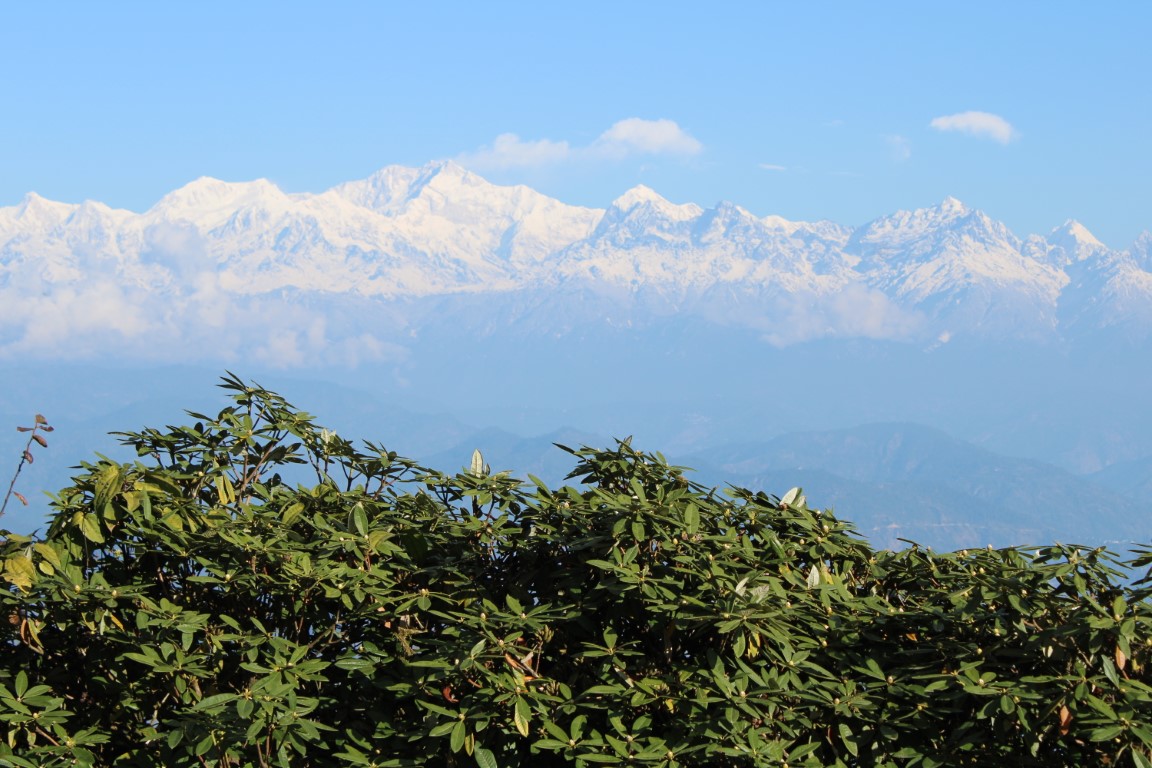
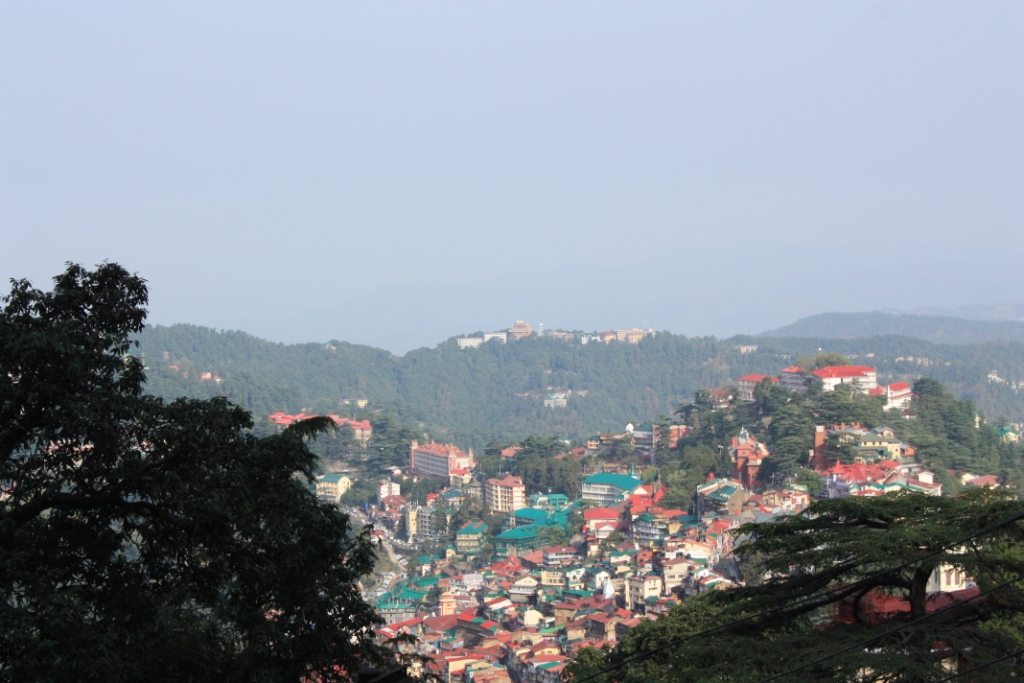
rhododendrons aren't blooming,
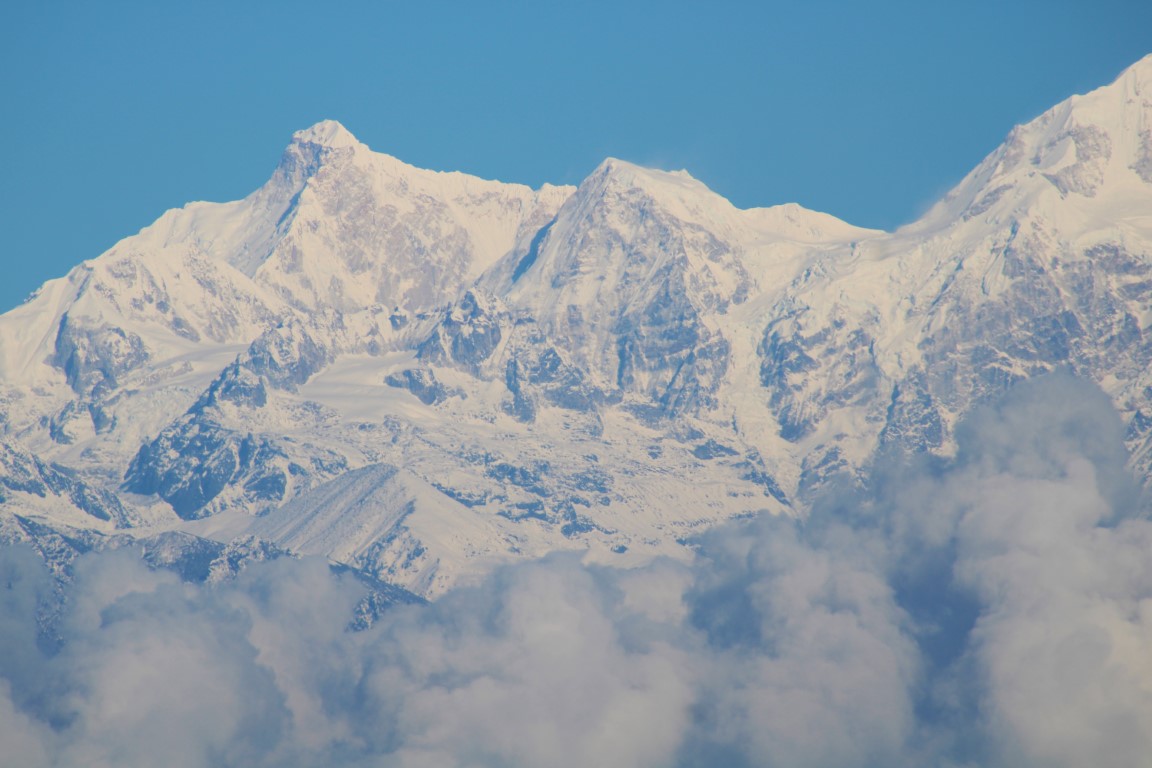
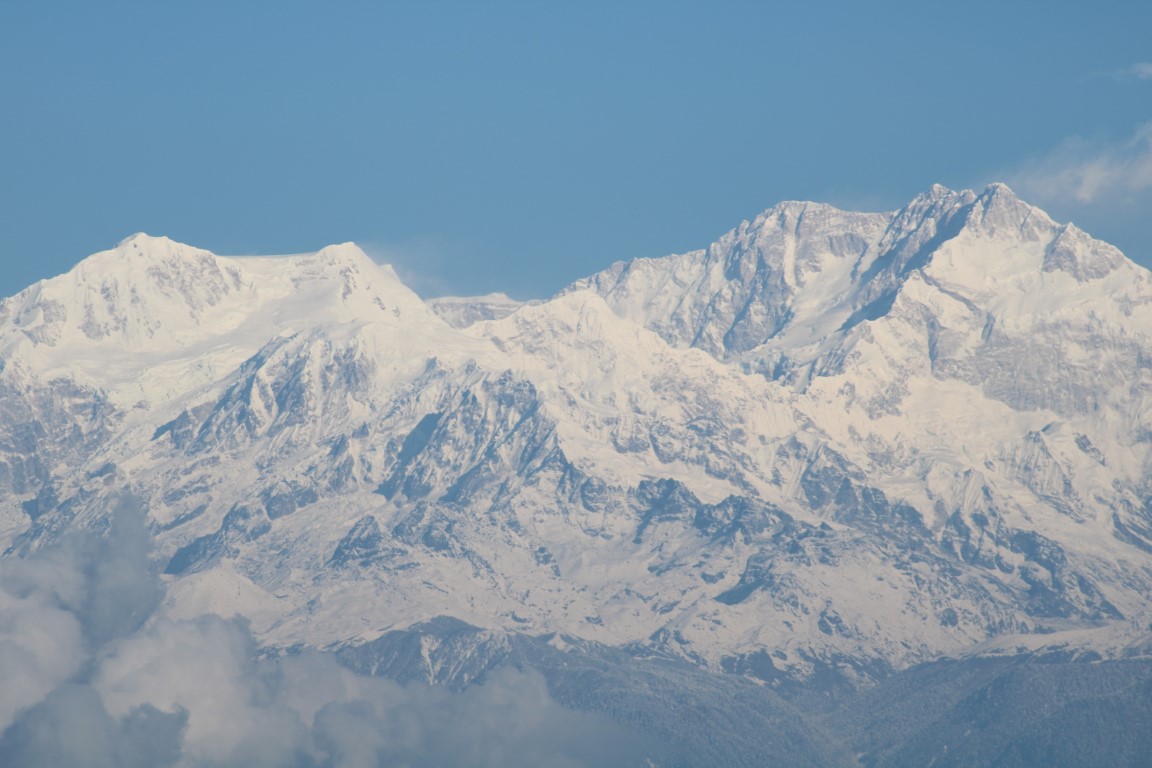
but clouds fled & mountains are out!
 千字文 by 周兴嗣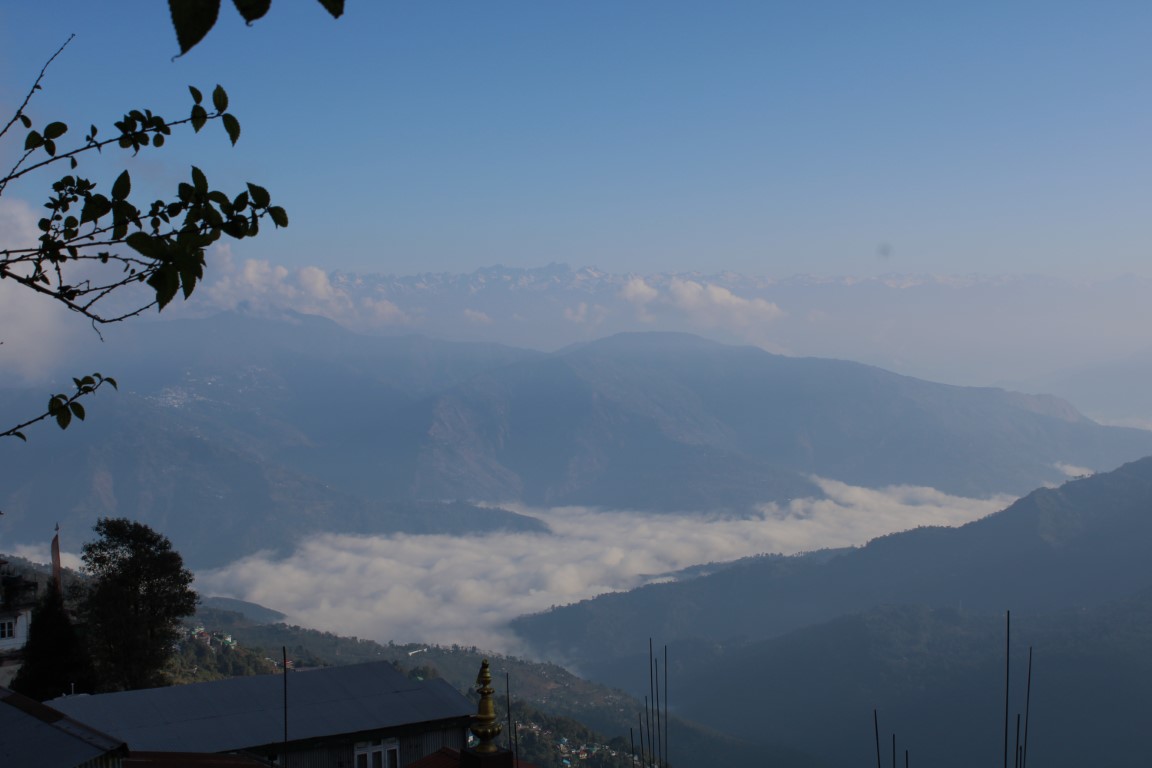
Alone, the hermit returns home to sleep.
 He's cleansed of cares by way of solitude.
 He gives thanks and praise to the geese on high
 For lifting feelings to grand altitude.
 Day or night, his mind holds no intentions,
 Who can sense his energy, so subdued?
 His flight and submergence self-limited,
 Where can he find calm, and still be renewed?
This is the third poem in 300 Tang Poems [唐诗三百首] as well as the third of a quartet of poems entitled Gǎn Yù [感遇] that open the collection. The original in Simplified Chinese is:
幽人归独卧, 滞虑洗孤清。
持此谢高鸟, 因之传远情。
日夕怀空意, 人谁感至精?
飞沉理自隔, 何所慰吾诚?
Nope. Not even a little.




 Tiger Riding for Beginners