BOOKS: “The Meaning of Travel” by Emily Thomas

The Meaning of Travel: Philosophers AbroadThe Meaning of Travel: Philosophers Abroad by Emily Thomas
My rating: 5 of 5 stars

Publisher Site – OUP

Of late, I’ve been reflecting upon the philosophical divides that exist between travelers and others (I call them “tribals,” but they are by far the majority of people — i.e. those who either don’t travel [unless required to] or who travel only in a tourist-like fashion.) As I’ve done so, I’ve been surprised to find how limited the literature is on the subject. I was, therefore, pleased to find this book. While Thomas confirmed my preliminary findings that there isn’t much of a travel-centric subdiscipline of philosophy, she also shows that it’s not for a lack of philosophers traveling and pondering travel.

While I’ve spent considerable time thinking about a philosophy of travel, I was pleasantly surprised to discover a number of topics in Thomas’s book to which I’d hardly given any thought. These were the most personally fascinating topics because they involved such uncharted territory. They include: maps as propaganda, the importance of travel to scientific discovery, the domination of male perspective in our collective understanding of travel, and the ethics of doom travel (going to vanishing places.)

The book also advanced my understanding of subjects that I’ve often contemplated — e.g. aesthetics and travel, innate / universal ideas v. culturally-tinted ones, and the connection between minimalism and travel.

If you’re interested in philosophy, travel, and the intersect of the two, this book is definitely for you. The author takes a light approach and the book’s readability is high — i.e. while it is thought-provoking, it’s aimed at a general readership rather than a scholarly one.

View all my reviews
PROMPT: Discuss

Daily writing prompt
What topics do you like to discuss?

Virtually anything but myself. Philosophy, literature, science, economics, public policy, meditation, martial arts, health / well-being, travel, nature, culture, food, the end of the world as we know it, etc.

I do have some blind spots where I could not speak intelligently (e.g. large swathes of history, sports, and pop culture.)

PROMPT: Don’t Understand

Daily writing prompt
What’s something most people don’t understand?

Computational Fluid Dynamics. Also, Nuclear Lensing.

“‘Faith’ is a fine invention” (202) by Emily Dickinson [w/ Audio]

"Faith" is a fine invention
For Gentlemen who see!
But Microscopes are prudent
In an Emergency!

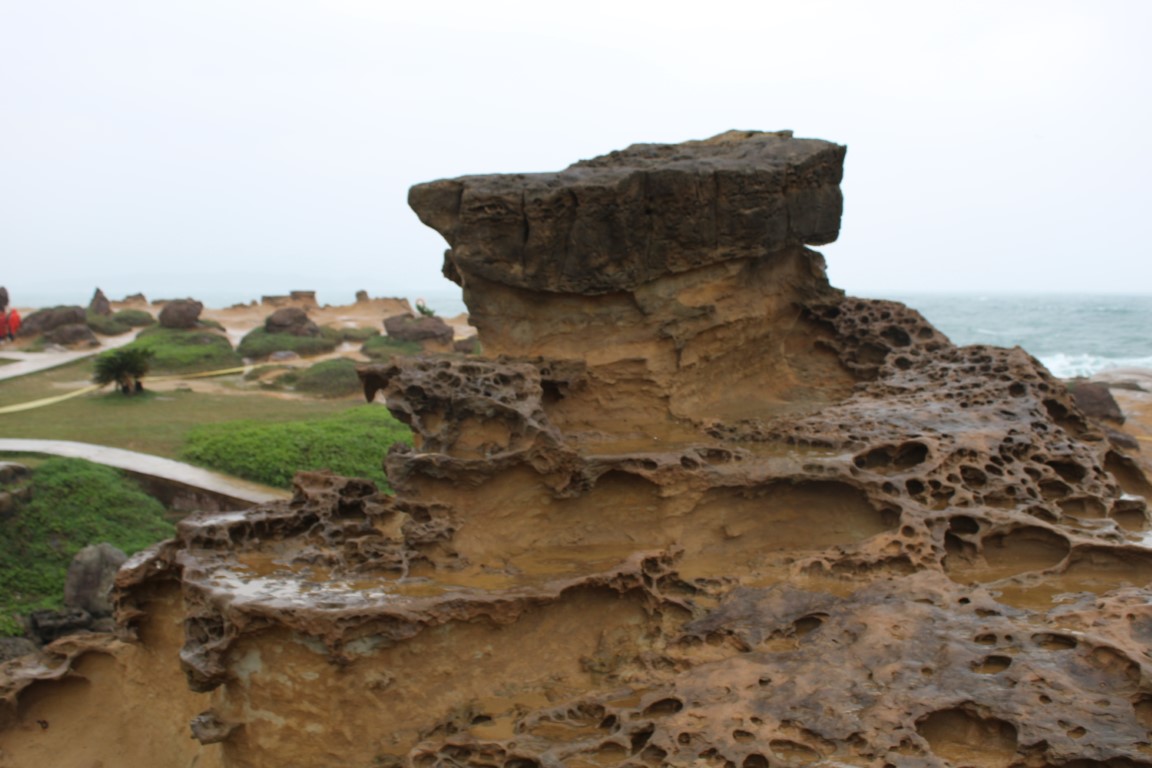
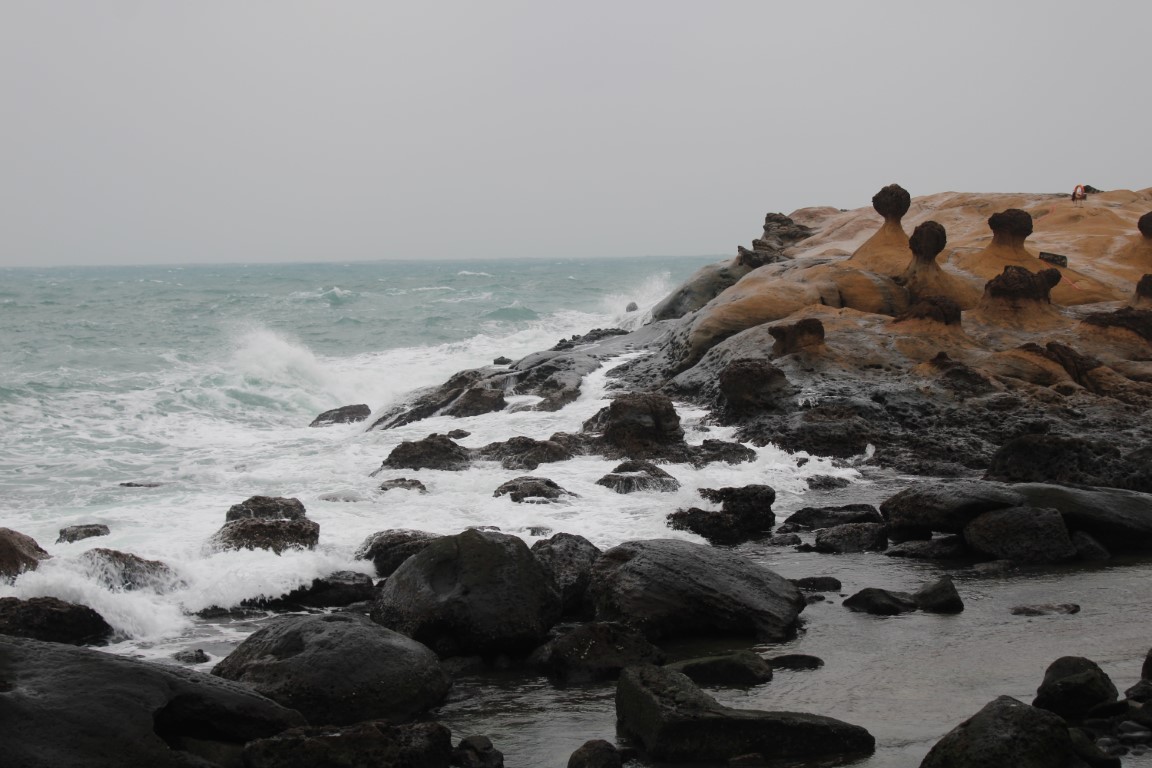
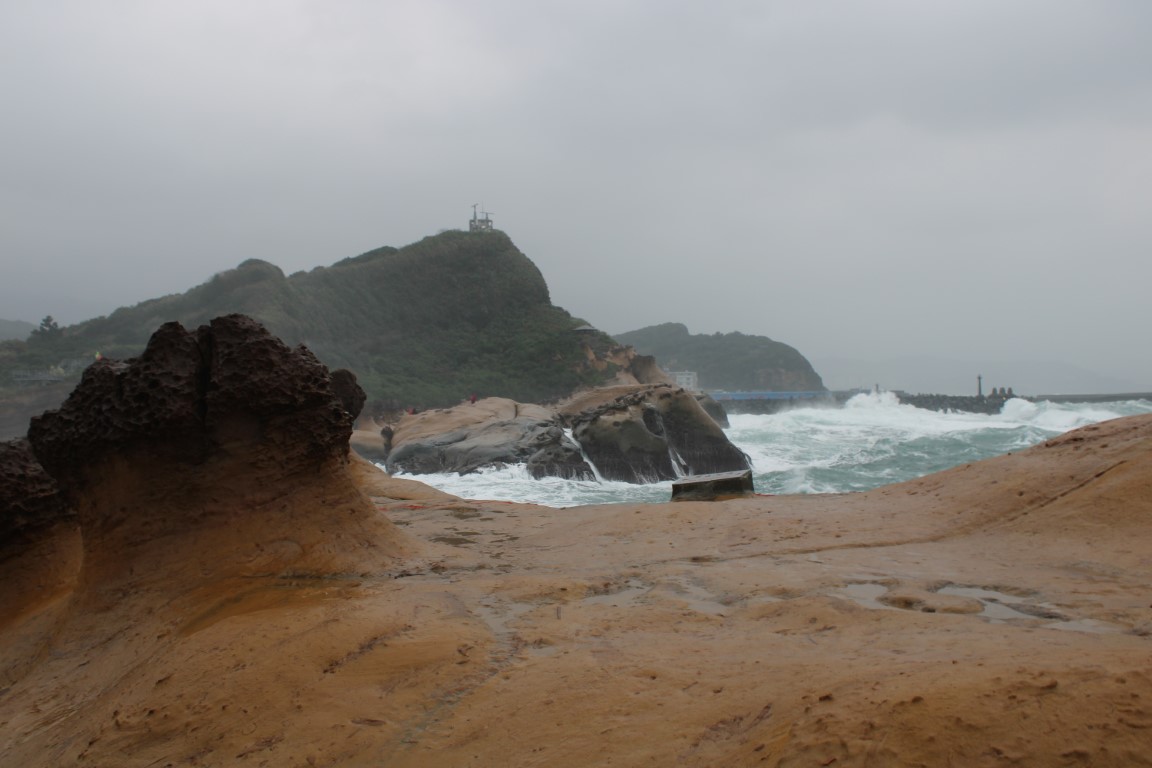
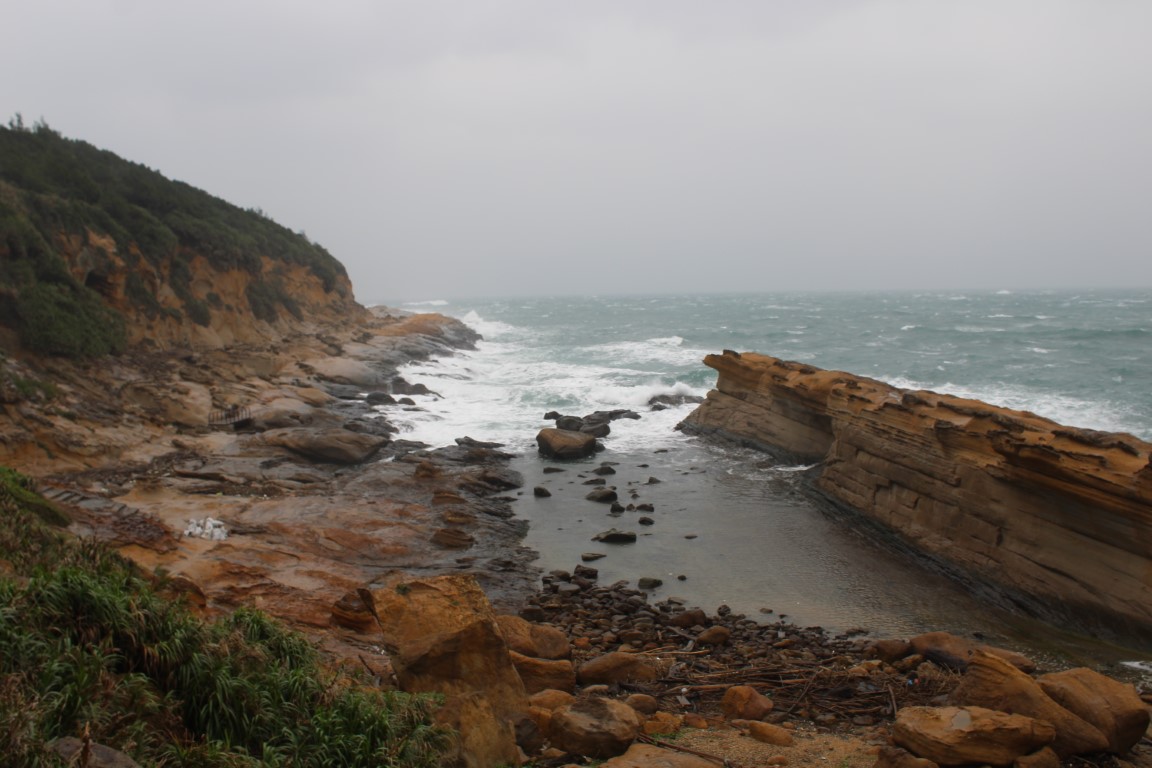
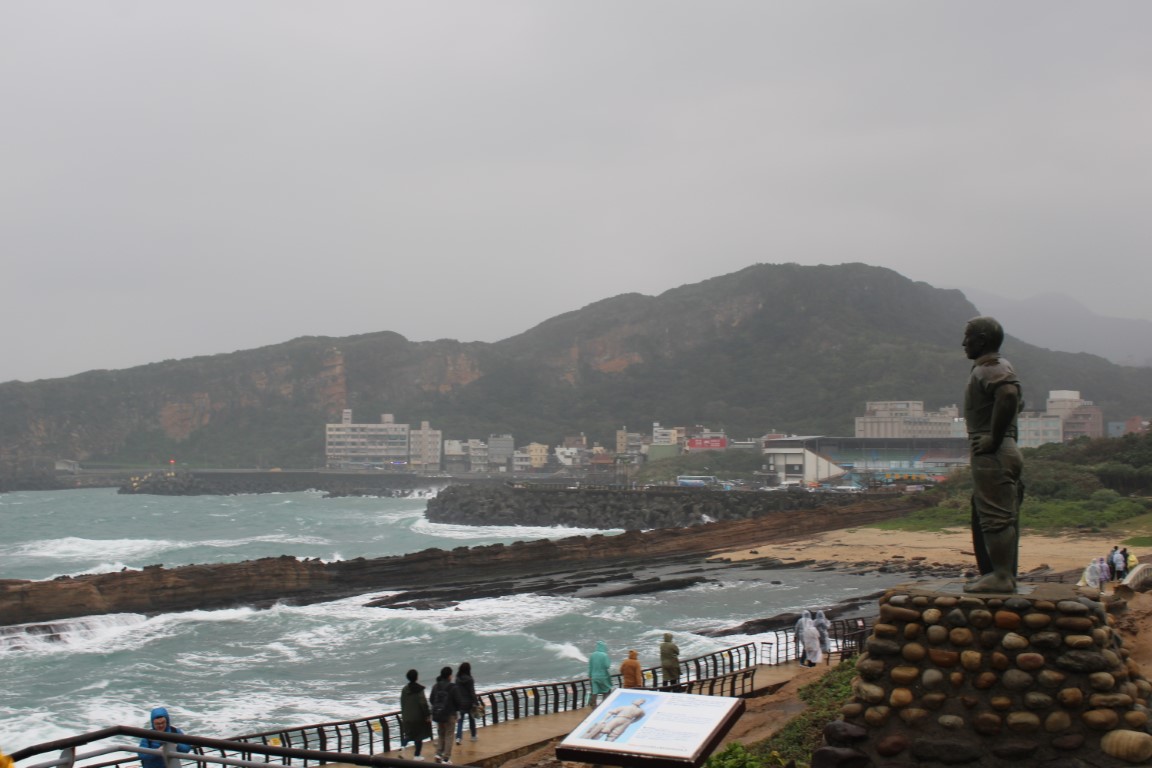
DAILY PHOTO: Geologic Formations at Yehliu

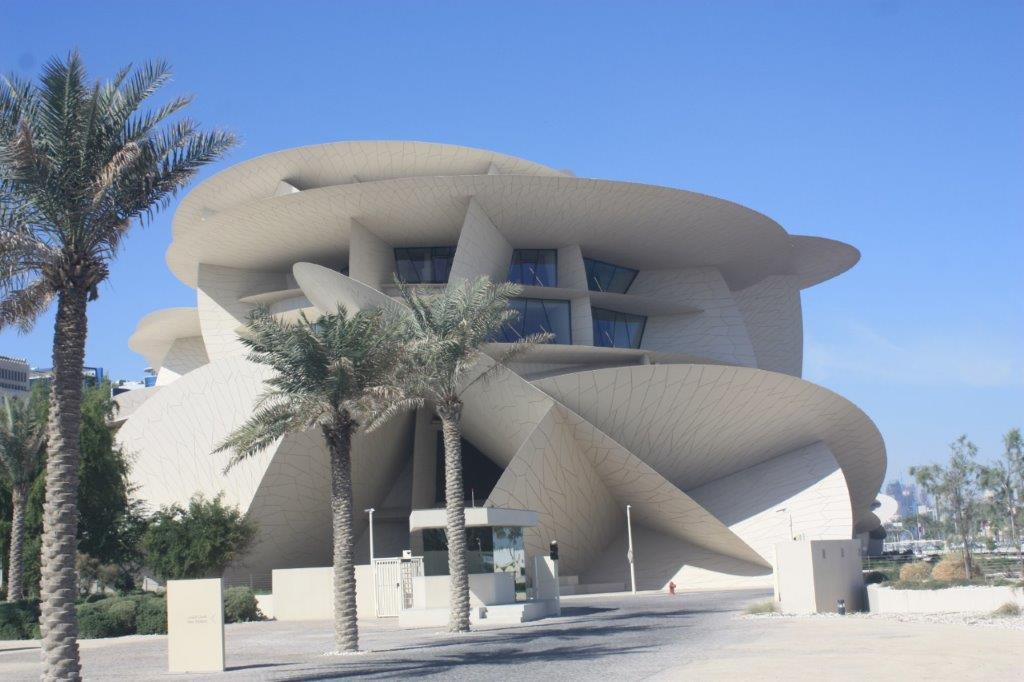
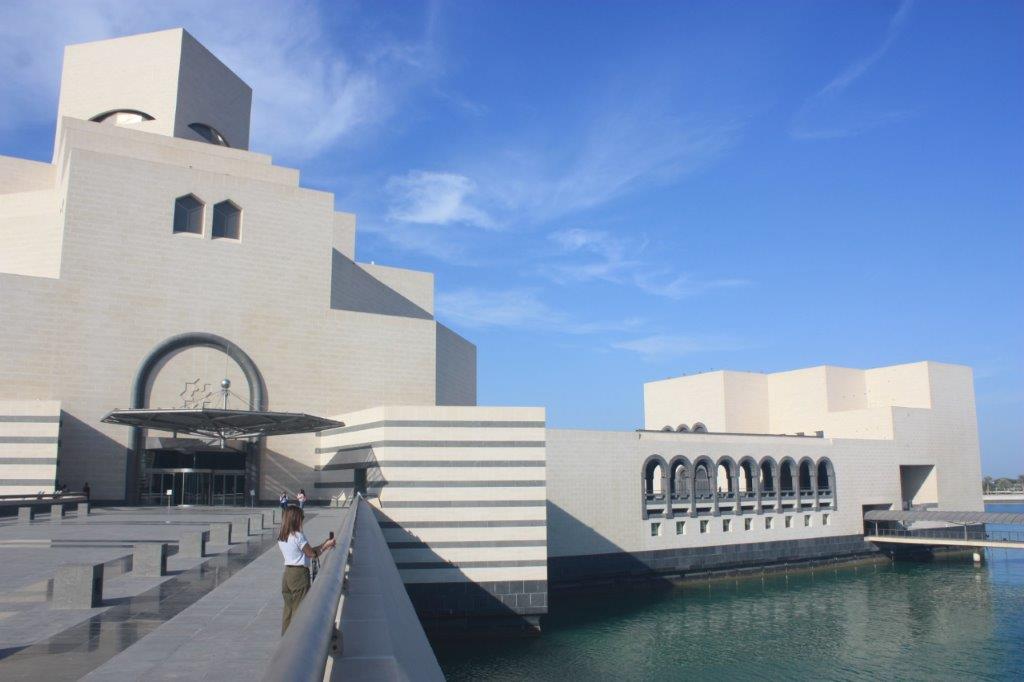
DAILY PHOTO: Three Qatari Museums

Qatar Islamic Cultural Center
National Museum of Qatar
Museum of Islamic Art, Doha

PROMPT: Un-invent

If you could un-invent something, what would it be?

Being acquainted with the Law of Unintended Consequences, there isn’t a thing I’d un-invent. You start arrogantly messing in the natural progression of things, and you never know what kind of monster you’ll birth.

Once upon a time, I might have said nuclear weapons (still a strong contender for ender of our species.) Then again, who knows what kind of horrific World War III we might have had, had we not been forced to sober up a little.

DAILY PHOTO: Yehliu Geopark on a Dreary Winter Day

BOOKS: “The Man with the Compound Eyes” by Wu Ming-Yi

The Man with the Compound EyesThe Man with the Compound Eyes by Wu Ming-Yi
My rating: 5 of 5 stars

Amazon.in Page

This book is at once a work of eco-fiction, literary fiction, and speculative fiction. The story revolves around a pair of characters whose worldlines become intertwined when the Pacific Trash Vortex is spun out, crashing into the Eastern shore of Taiwan. “Riding” the trash vortex is Atile’i, a member of a remote Pacific Island where second sons (of which he is one) are exiled to the sea to ensure the tiny island’s population doesn’t outstrip its resources. Atile’i is found by Alice, an academic who moved to a rural area of the Eastern shore and who is in an extended period of grieving the loss of her son and [common law] husband. Their union helps them each in the process of finding closure for their respective traumas.

There is a secondary story involving supporting characters, but at its heart, the book is about how an unlikely pair is brought together by environmental factors. That said, the secondary story does offer the reader insight into the indigenous population of Taiwan, a number of tribes whose relation to the island has been overshadowed by both the huge numbers of Chinese immigrants and the various agents of colonization (i.e. Europeans and the Japanese.)

I found this book to be highly readable. It manages to highlight environmental perils without being preachy in a way that detracts from the intensity of the story (and, thus, which reduces the effectiveness as a tool of persuasion.) [This being a line that some other eco-fiction writers have been unable to walk, such that they dissipate the power of story through a need to virtue signal, tribe signal, and finger-point.]

I’d highly recommend this book for readers of literature in translation, eco-fiction, literary fiction, or anyone who likes an interesting story.

View all my reviews
DAILY PHOTO: Yehliu Geologic Park Formations