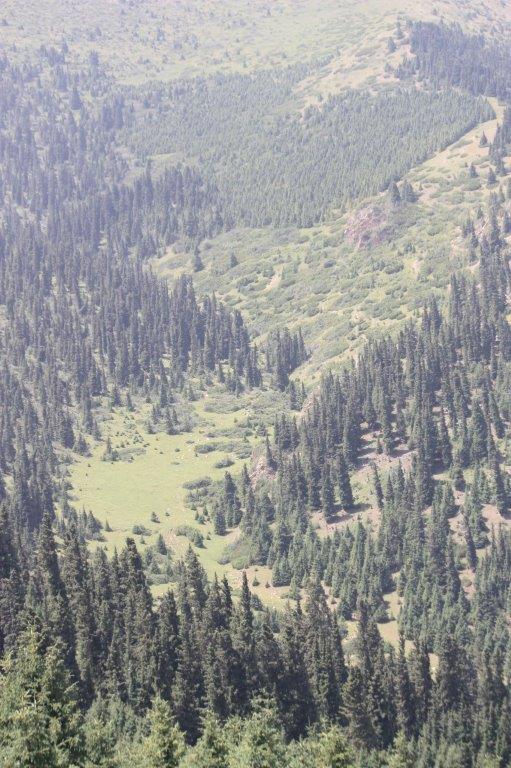
The sweep of trees
   forms a mandala.

The eye roams over it,
    looking for a center
      that doesn't exist.

Those roving eyes
    rove & repeat:
       caught in an
       infinite loop.

And I wonder what hides
    in the arc of trees?

What monsters mimic
    the sinuous spine
        of those pointy trees?

Whose eyes catch
    the fine light,
       reflecting back a
       burning bright-yellow?

What lives unseen?
    What flows unbidden?
       What empties out,
           but returns?
           and returns?
           and returns...
driving due west
   at day's end,

the sun too low for visors,
   an angry sun,
      flaring in one's sunglasses.

the interminable tick-tocks
    it takes for the sun to drop
      down behind the mountains.

oh, how one wishes
    the sun would disappear,

even though, having driven all day,
    there's something demoralizing
      about knowing you require a couple
      more hours of dark drive time
      before pulling into a motel.

such a big country,
    so much West remains.
A long time ago,
 I listened to the audiobook of
    Kerouac's "On the Road."

In that format,
   I became aware of how often
     Kerouac used the word
       "rickety."

Almost as aware as I became
   of how often Twain uses
      the N-word in Huck Finn
      when I unwisely listened to
      that audiobook while driving
      through downtown Atlanta
      with my windows rolled down.

I'm now reading Hunter Thompson's
   "Kingdom of Fear," and I've become
      aware that Thompson had a love
      of the word "gibberish" almost on par
      with Kerouac's love of "rickety."

And I think about how much beautiful
   rickety gibberish I've read from those
      authors, and what a fine
      thing it is if one can write
      rickety gibberish that stands up
      under its own weight.
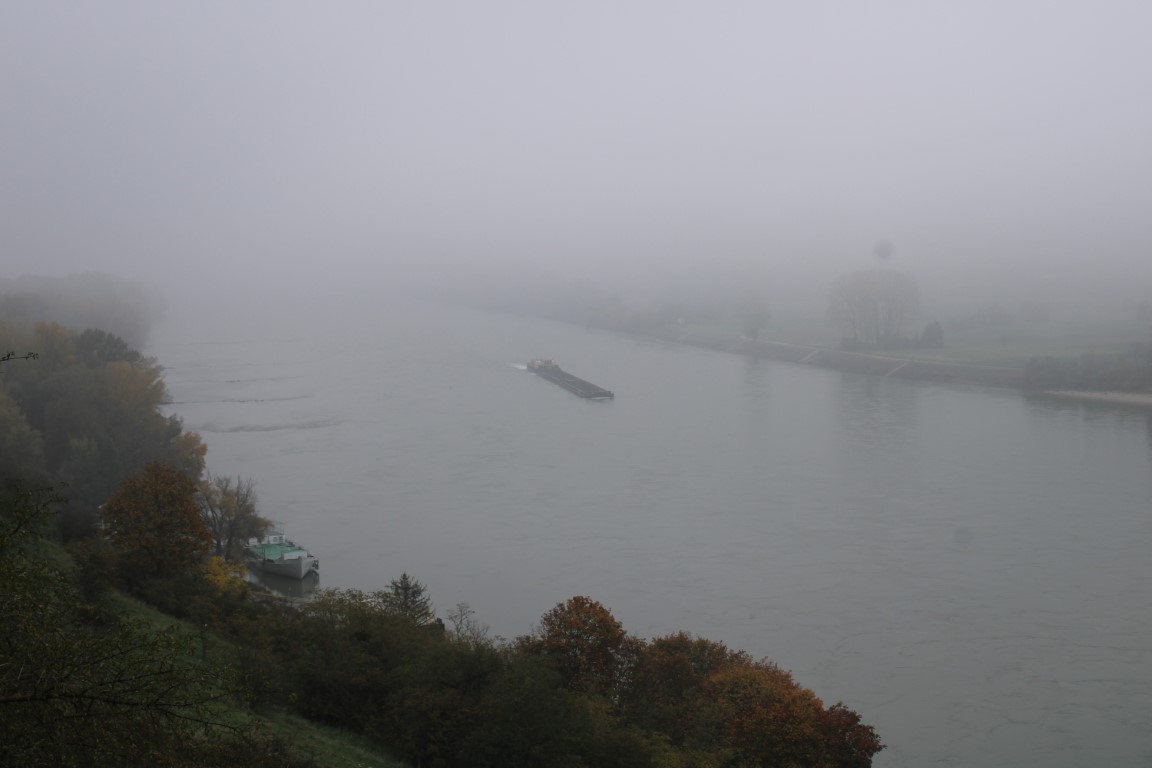
Stationed in East Anglia,
   I remember layered fog,
     fog so thick one couldn't
     see past the hood's end,

but, given a slight rise,
   one could see all the way
   down the runway -- as if
   it was a cloudless full moon eve.

As one might expect of an airbase,
   (having been built around a flat runway)
   there wasn't much topography.

But sometimes life is like that:
   a tiny rise in perspective
   allows one to see the world clearly,

but a minor dip puts one in a
   soup of unfathomability.
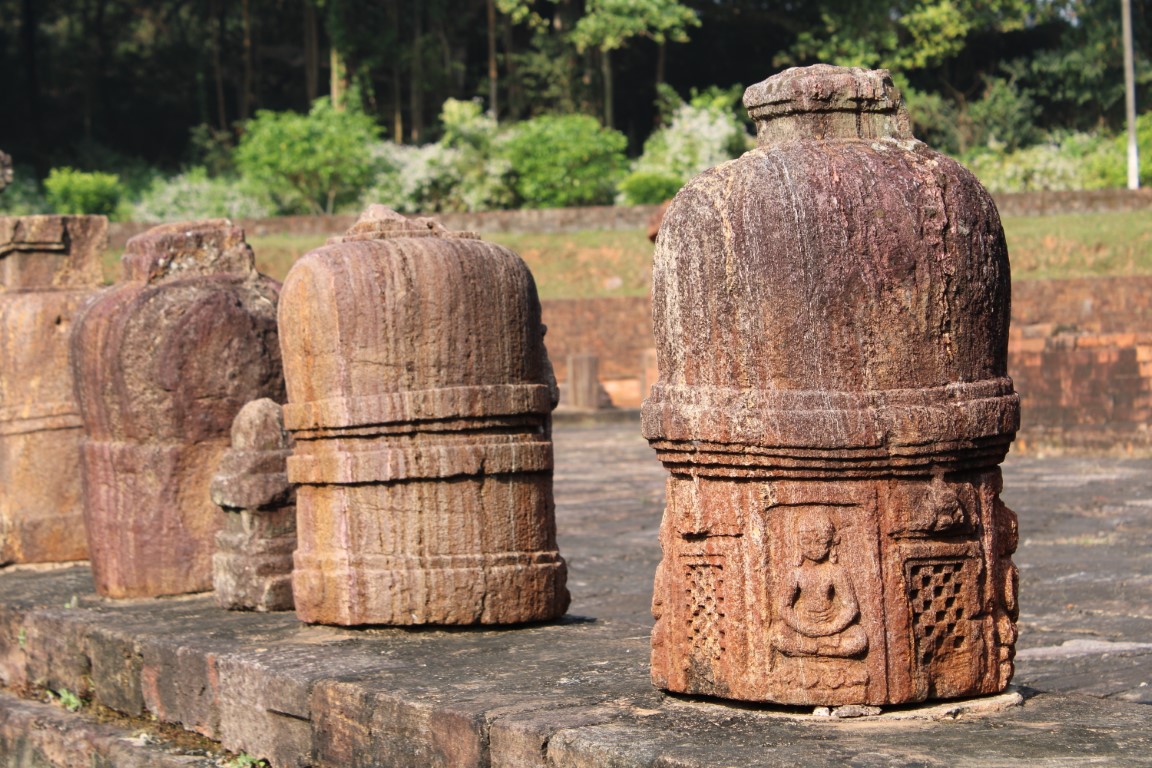
Walking the ruins
   of some old Buddhist
   university,

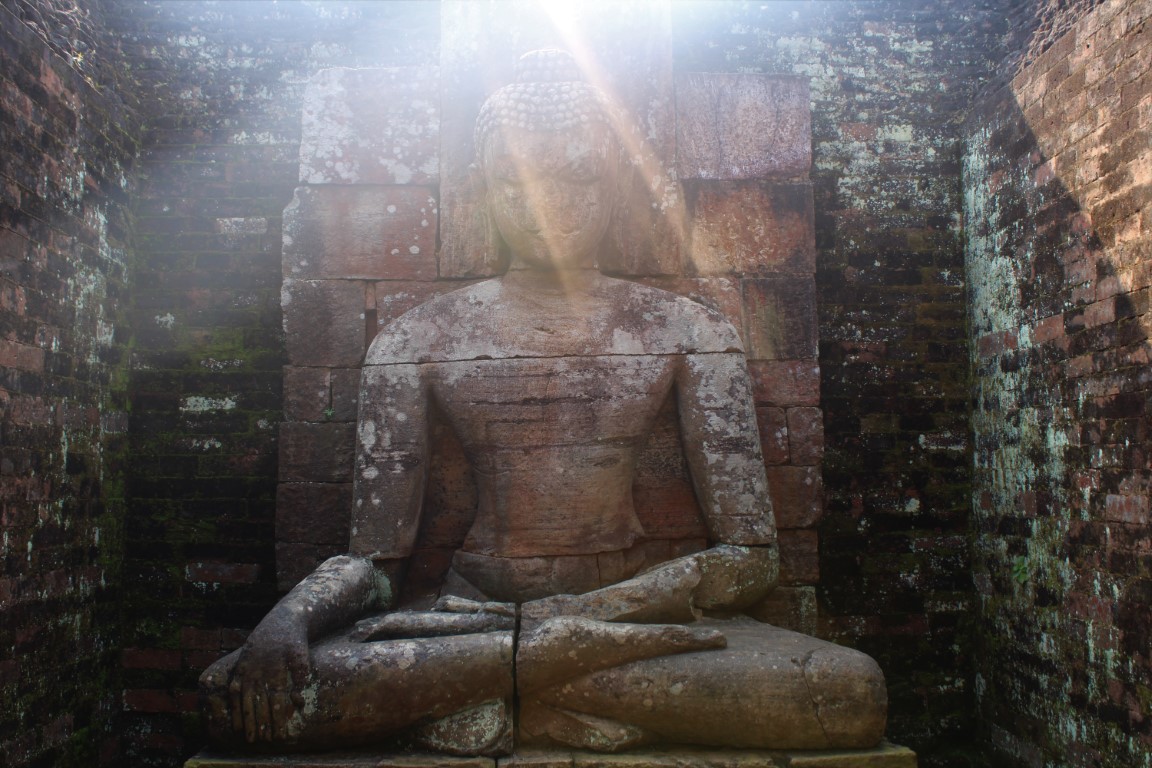
I entered a chamber,
    and found myself
    confronting a Buddha,
    its head obscured by
    a bolt of sunlight.

I thought it might be like
    one of those Angkor Wat
    crop tops from when Pol Pot
    had the heads chopped off
    all the Buddhas to make
    some quick cash.

But the head was intact,
    just blotted out by blinding light,
    and I blinked my way into sight
    of that serene face.
Sun, Rain, Wind,
   & other agents of wear
 that tear down ancient stones
   one grain at a time,

eroding symbolic rocks
   carved with symbols
   that meant something
   to people in days of yore.

And they mean something
   to people today,
   but whether those meanings
   match is another question...

Because our understanding
   of past perspectives
   is ever eroding:
   just like those rocks,
 but - unlike rock -
   thoughts and beliefs
   were wisps writ in a
   malleable art: language.

We cling to traditions & lineages,
    but everything is erased.
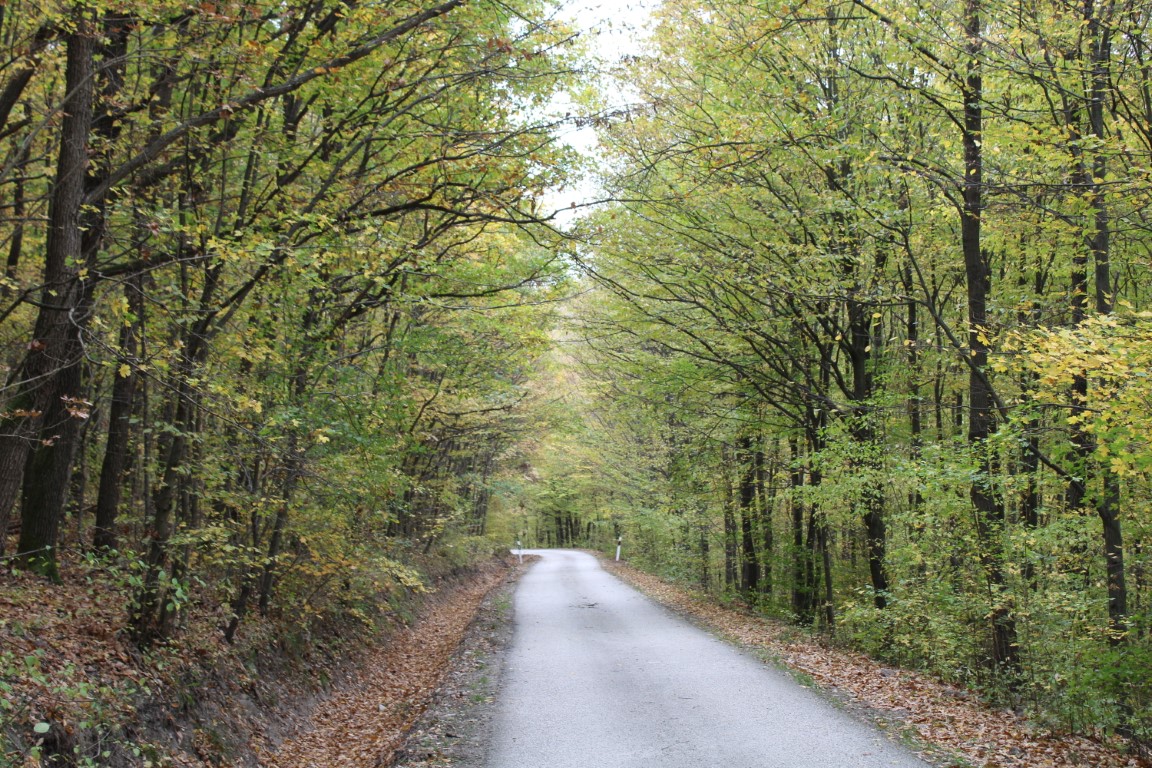
The forest is parted
   by a line of asphalt.

Speeding cars send
   leaves fluttering.

Everything that crosses
   that road is imperiled

by someone's need
   to get nowhere quickly.
brain numb.
 voice dumb.

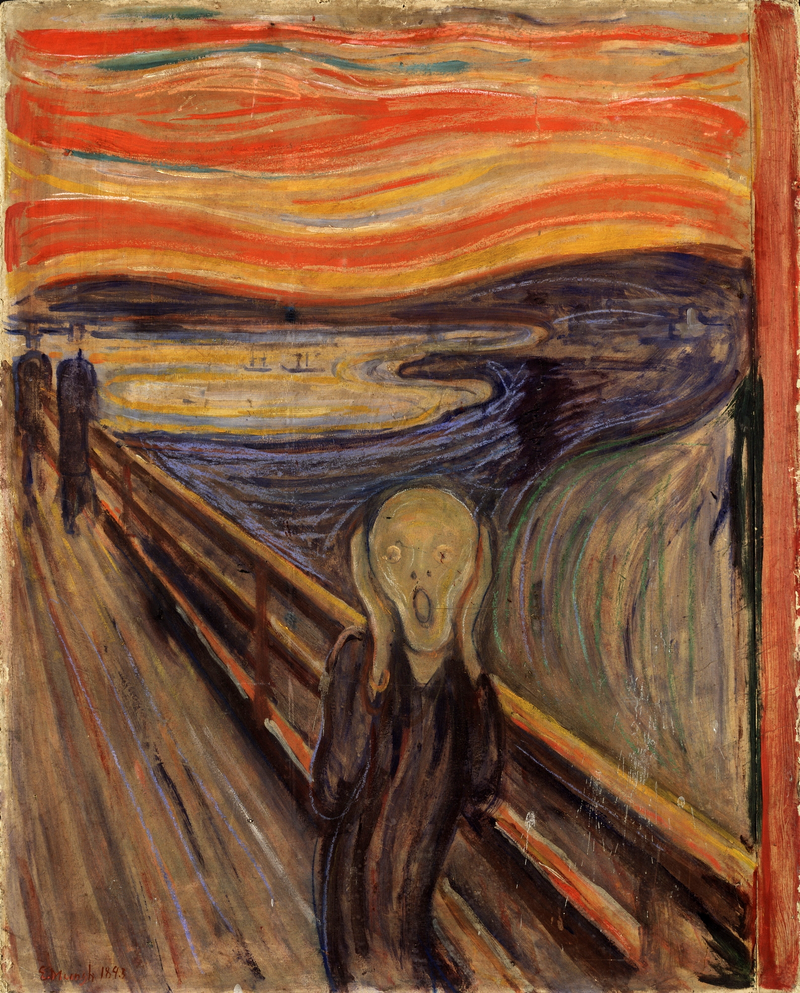
a wicked harmonic
 builds in the core -

tuned to volcanically
 vibrant skies.

flash fires of feeling
 riffle through the body.

the tone dials
 into a whine

that bursts into
 a scream.
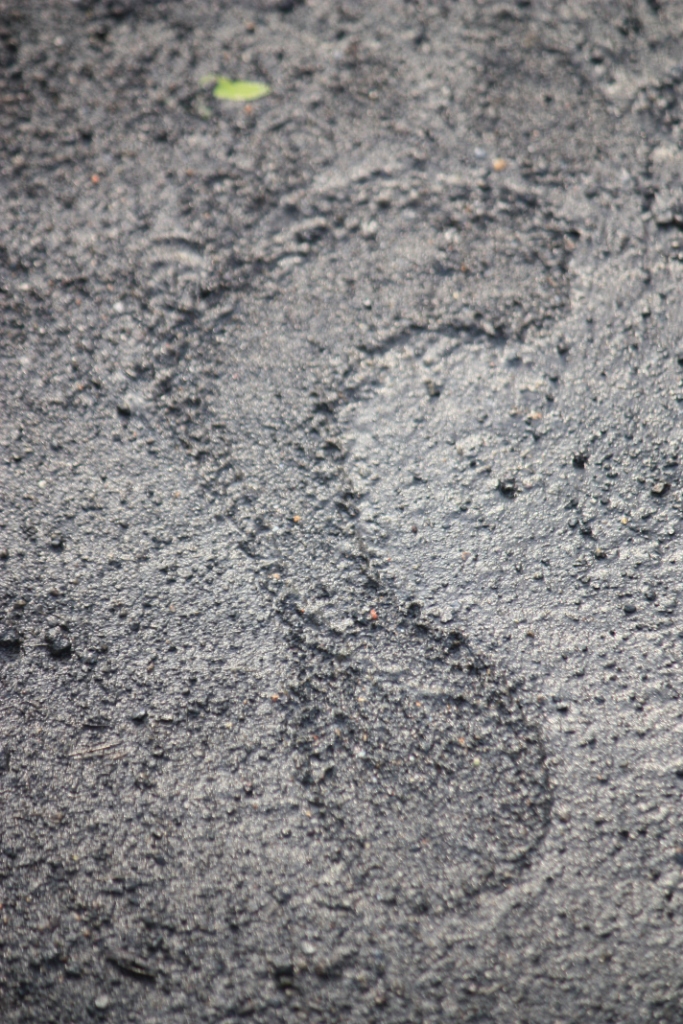
sole to cold earth:

it's the only way i know
 the limits of this world.

feet pressing into this globe
 are my tether to reality.

any other way, and the world
  could stretch forever.

the feel of my weight,
 popping to heel or ball:
  pronating & supinating,
  rolling & reaching,
   in dance or destruction --

 feet leaving the cold earth
  always reorient to the planet.
Nietzsche said:
“And if thou gaze long
into an abyss,
the abyss will also
gaze into thee.”
I must admit
the first several times
that I read this quote,
I couldn’t tell if it was wise,
or just had the patina of
wisdom that comes from
parallel sentence structure.
Crisscrossing subject and object
lends a ring of sagacity.
“If you can’t take
Mohammad to the mountain,
the mountain must come to
Mohammad.”“Ask not what your country
can do for you,
but what you can do
for your country.”“If you can’t get the carrots
out of the refrigerator,
get the refrigerator
out of the carrots.”
Yes, that last one is nonsense,
but it’s not nonsense like:
“The banana pirouetted fuchsia
all over the underside of
an A-sharp chord.”
The carrot quote probably took
your mind some time —
if only milliseconds —
to relegate to the
trash heap.
That’s why this sentence structure
is beloved by godmen &
politicians: because you can
sound wise even if you’re
kind of an idiot.
So, I was ready to classify Nietzsche’s
quote pseudo-wisdom when I realized
that my smartphone was the Abyss,
and it was certainly staring back at me.
It stared through all the data collection &
neuroscientific and psychological
research designed to keep
a person scrolling.
Maybe Nietzsche was on to something
that even he didn't fully understand.











 Tiger Riding for Beginners