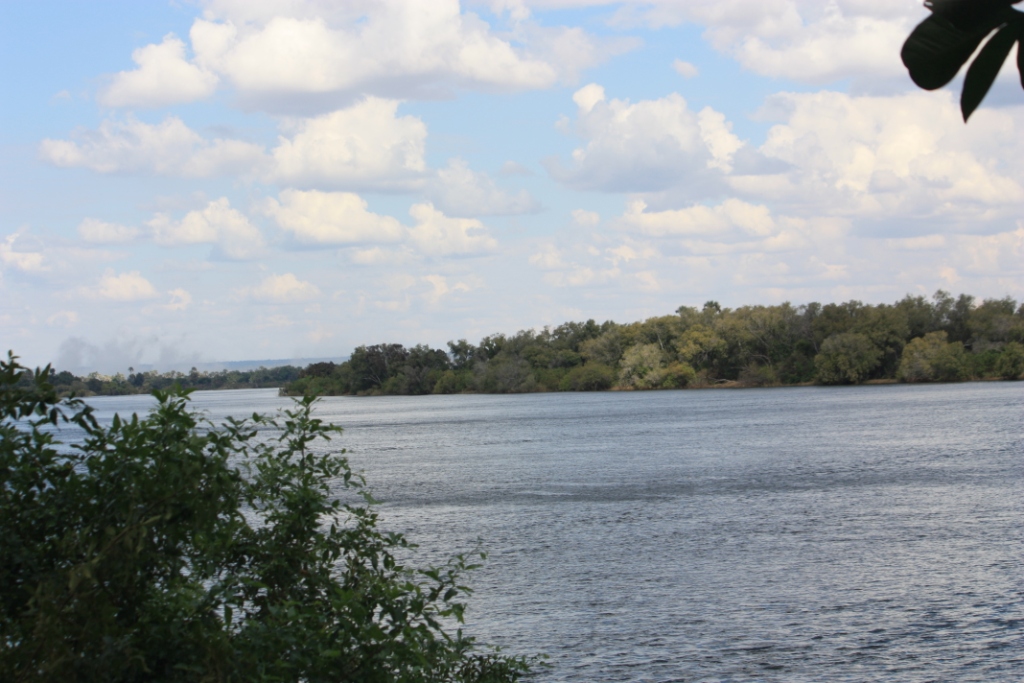
The Greeks' Styx. The Hindus' Vaitarna. The Norse Gjȍll. The Gnostic's Hiṭpon. The Japanese Sanzu-no-Kawa. The Mesopotamians' Hubur. Taoists cross Naihe Bridge -- over what (I'm not sure, but) is probably a river.
Bohemians
   gathered around
   the absinthe bottles,
  the light hitting
   the bottles shone
   a radioactive shade
   of green.

That green light
   threw blotches
  against walls &
 floors & people &
  anything else there
  was to illuminate.

The more they drank,
 the less green the mottling --
  not because the empty glass
   was clear, &
 didn't refract, or spray green,
   but because the splotches
  turned every color --
   every color there is --
  and the colors danced
   around the increasingly
  amorphous surfaces.

 Until, at last,
  everyone was asleep,
 and visions of Green Fairies
  danced in their dreams.
Orange orbs
   cut with fearful faces:
 Burning brightly
   - daily & nightly -
 As menacing medicine
   for the cringe-impaired,
 The ones who
   never get scared --
 unless a banal ball,
   blazing & brainless,
(and in a manner
   all but painless)
 replaced the head
  of their town's barber.
I've known rivers:
 I've known rivers ancient as the world and older than the flow of human blood in human veins.

My soul has grown deep like the rivers.

I bathed in the Euphrates when dawns were young.
 I built my hut near the Congo and it lulled me to sleep.
 I looked upon the Nile and raised the pyramids above it.
 I heard the singing of the Mississippi when Abe Lincoln went down to New Orleans, and I've seen its muddy bosom turn all golden in the sunset.

I've known rivers:
 Ancient, dusky rivers.

My soul has grown deep like the rivers.
One foot in the river.
 One foot on the shore.
  Both feet sunk in the mud.

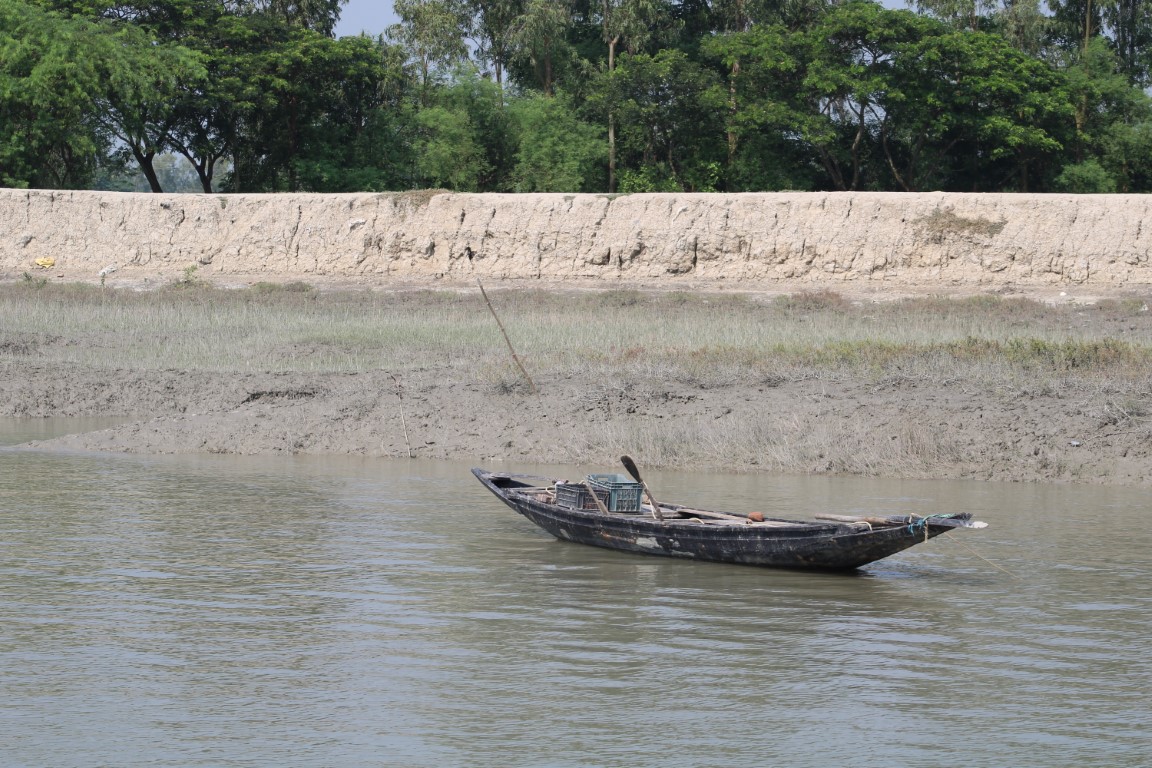
The fisherman casts his net
   with perfect flick and spin,
 muck extruding between toes.

The sling is the one quick
   part of the movement:
quick, but unrushed.

The net is hauled back,
   slowly and methodically,
 pressing out excess water
   while offering no escape route.

How many casts per day?

As many as are necessary.

There are other fishers,
   out on languidly rocking boats,
 casting out in the river.

And in rivers everywhere:

   in the Mekong,
   the Amazon,
   the Euphrates,
   and the Mississippi Delta.

Everywhere, they are casting.
I click on Google Maps;
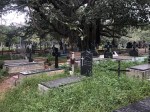
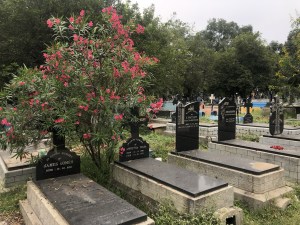
 a pin highlights for a cemetery,
  and, here, I stumble upon
   graveyard reviews.

These reviews intrigue me because
 it seems to me that if one is capable
  of writing a cemetery review,
    then one is unqualified.

And, if one is qualified to comment
 on the caliber of an eternal resting place,
  then one is unlikely to be capable of
   posting a review.

I read one of the one-star reviews
 and see that the reviewer's principal complaint
 is an overabundance of "pocong."

"What is a 'Pocong?'" you may ask.
 It is a Javanese ghost that takes up
  occupancy in death shrouds.

Why is there a Javanese ghost
 infestation in a cemetery 4000 kilometers
  from Java, and -- as near as I can tell --
   with zero Javanese occupants?

The review does not say,
 but I love that someone panned
  a cemetery based on the presence
   of foreign ghosts

[and not because it is simultaneously
 phasmophobic and xenophobic.]

But because it shows an unbridled commitment
 to one's imagination that is usually
  only seen among children.