DAILY PHOTO: Kathmandu Street Scene

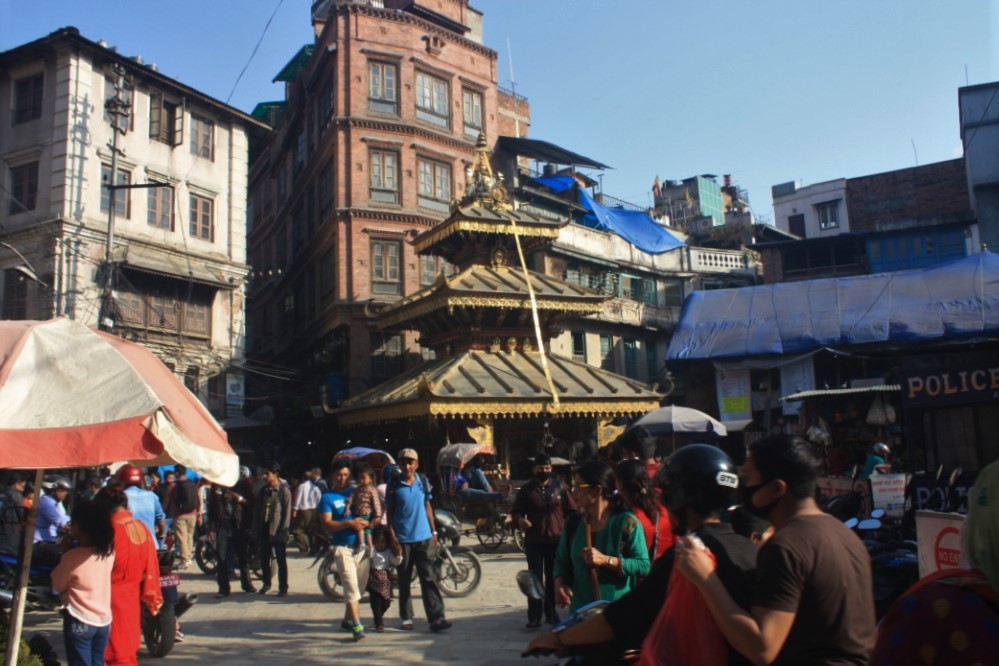
Taken in Kathmandu in May of 2018

BOOK REVIEW: Romanticism: A Very Short Introduction by Michael Ferber
Romanticism: A Very Short IntroductionRomanticism: A Very Short Introduction by Michael Ferber
My rating: 4 of 5 stars

Amazon.in Page

Romanticism was a literary, artistic, and philosophical movement of the late 18th and early 19th century. It’s commonly believed to have been a response to the Enlightenment, a desire to not throw out the baby with the bathwater as the influence of religion waned. In this book, we learn that that’s a misleading oversimplification, but not one completely devoid of truth.

Like a lot of “movements,” Romanticism is a fairly loose set, containing a disparate band of entities. This is exacerbated because it’s not just, say, a style of painting or of music, but rather it cuts across a diverse range of activities. Because of that, the book offers the least clarity in the opening chapters (ch. 1&2) and in the last one (ch. 6.) The first two try to rope in Romanticism and to differentiate it from “sensibility,” a movement oft-confused for Romanticism. The last chapter attempts to show the commonality that cuts across different domains, e.g. how are Romantic paintings similar to Romantic novels, or – for that matter – Idealist philosophy.

However, starting with chapter three, the book provides clear insight into the nature of Romanticism. Chapter three investigates poetry. Chapter four examines philosophy and Romantic attitudes towards religion and science. This was quite eye opening to me because I’d previously contrasted Romanticism with the Enlightenment, and here I learned that the Romantics’ views on religion and science were far from the opposite end of a spectrum. Chapter five shines light on the social context of Romanticism, focusing on politics, the French and the Industrial Revolutions, and War, but also evaluating what influence, if any, Romanticism had on changing views toward women.

I feel I came away from the book with a better understanding of Romanticism, and so I’d recommend it for others interested in learning more.

View all my reviews

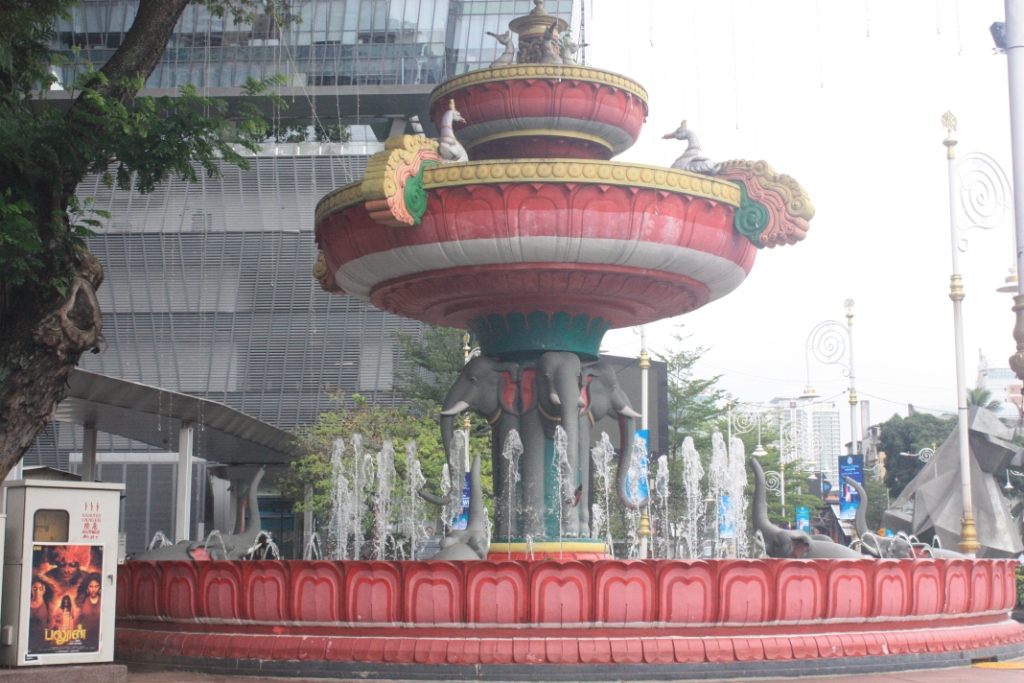
DAILY PHOTO: The Little India Fountain, Brickfields

Taken in Kuala Lumpur in December of 2017

Thoreau’s Wish [Free Verse]

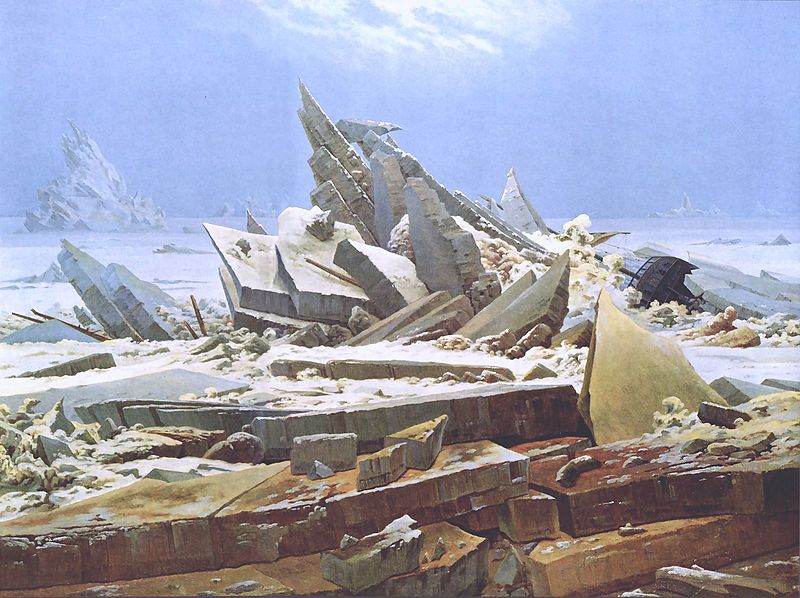
Caspar David Friedrich, Arctic Shipwreck (1824)

“I desire that there may be as many different persons in the world as possible”

Henry david thoreau, Walden

Too many people wish that the world consisted
of those who held the same views as they -

who loved what they loved,
who believed what they believed,
who would do what they would do.

I can't imagine a more boring world than that.

If there aren't those with different:

ideas,
desires,
beliefs,
and values, 

then who will show me something new:
something that -- for good or for ill --
will change my world 
and advance my understanding.

If truth be told,
I'd just as soon spend time 
among the crazy sages who --
having rejected all programming --
will not be made prisoner to a train schedule,
let alone to a norm or convention or protocol.

The madmen who shaman one 
out of all mental conventions.

But such as they are hand forged,
each vibrating at his or her own wavelength --
hard to see and
 not easily found.

BOOK REVIEW: Walking Meditation by Thich Nhat Hanh & Nguyen Anh-Huong

Walking Meditation (With DVD)Walking Meditation by Thich Nhat Hanh
My rating: 5 of 5 stars

Amazon.in Page

This brief guide to walking meditation lays out a basic practice linking breath and stride, and then explores such topics as: how to apply the practice to varied environments, coping with emotion through [and during] walking, the social dimension of walking meditation, and a few thoughts on applying the practice to jogging. The book is nominally attributed to the beloved Vietnamese Zen Buddhist monk who recently passed (i.e. January 2022,) Thich Nhat Hanh, but it seems the bulk of the book was written by the co-author (Nguyen Anh-Huong.) That said, it’s a clearer distribution of labor than usual for mega-guru books; not only does the author get a co-author credit but the words of Thich Nhat Hanh are presented as textboxes with bylines.

The book is less than a hundred pages of text, but the edition I have came with a CD and DVD (if anyone still has a player for these antiquated technologies. If you’re paying full price, I’d make sure you have some means to play the CD and DVD. I obtained a used copy at a low price, so it wasn’t a concern.) The book’s brevity has both pros and cons. On the pro side, it keeps things simple. The practice is a straightforward one of linking one’s breath to one’s stride, and there’s no tedious elaborations or variations with which to contend. On the con side, if one is looking for insight into improving alignment or biomechanics of walking, that’s not covered in this book. That is probably for the best, because it’s hard to avoid overthinking the practice if one is given extensive directions on stride and the like. This isn’t so much a criticism as an attempt to temper expectations for those who may feel they would benefit from some sort of anatomical or biomechanical insights on walking or physiological insights about the breath.

If you’re looking for a quick and straightforward guide to practicing walking meditation, give it a read.

View all my reviews

Lost Song [Haiku]

the falls rumble --
a bird flies overhead,
its song lost
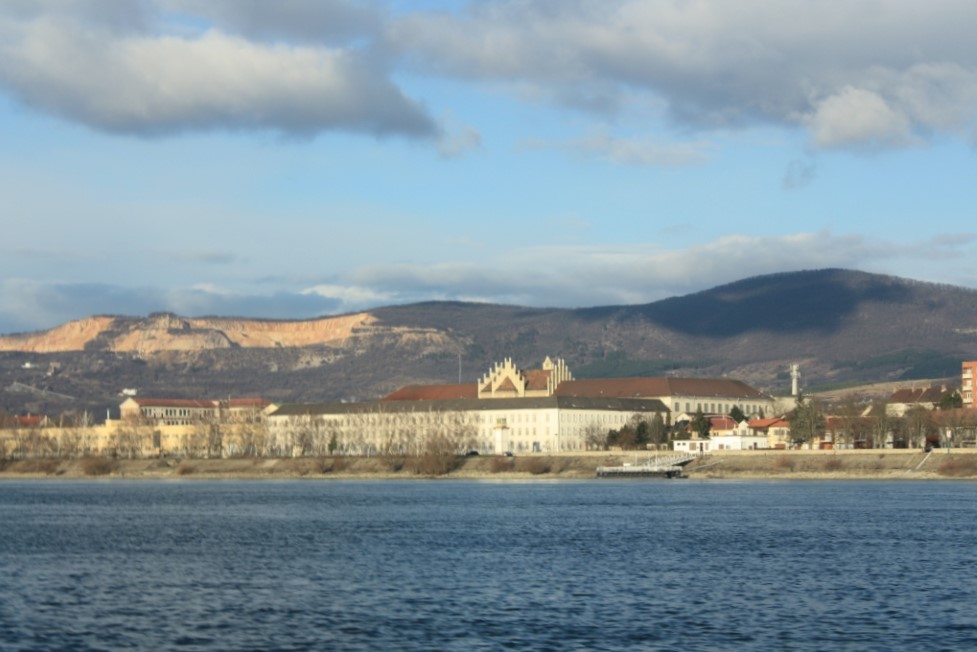
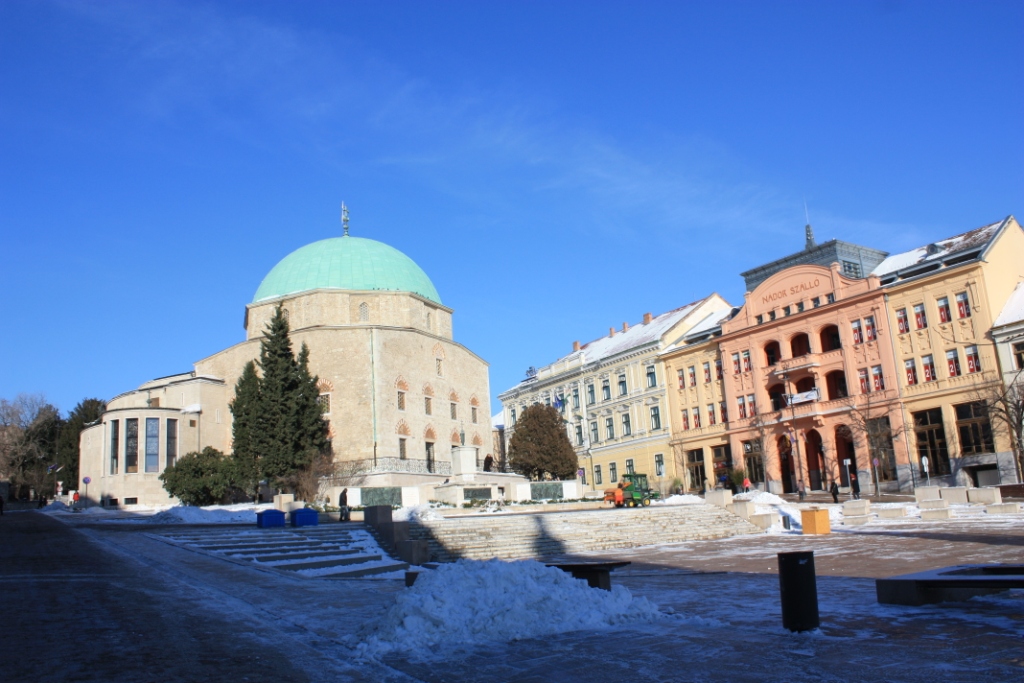
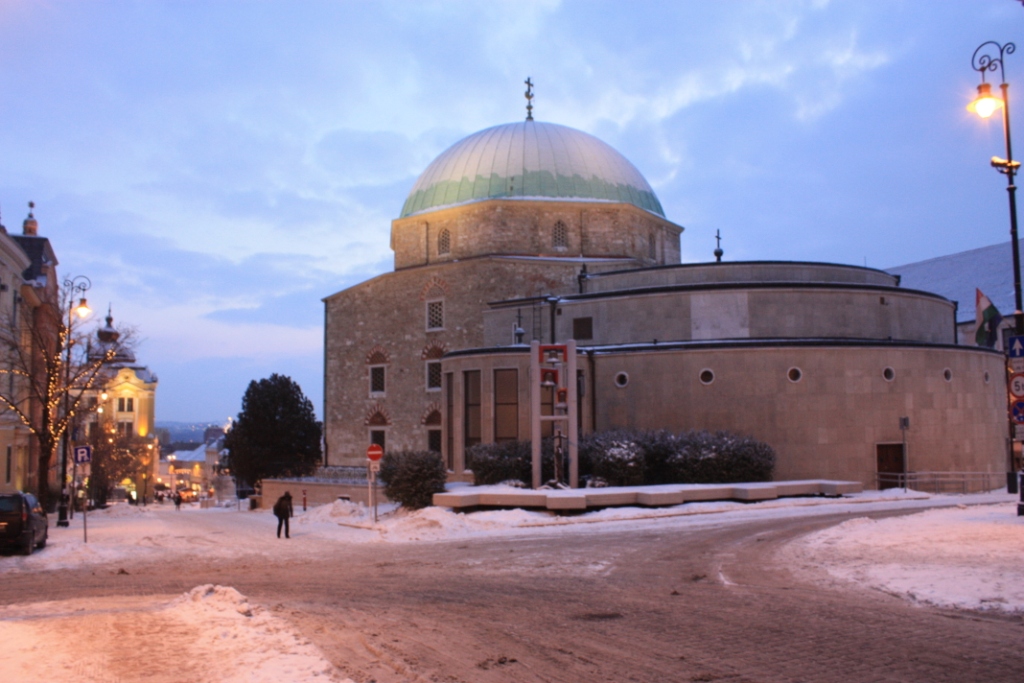
DAILY PHOTO: Mosque of Pasha Qasim by Day & by Night

Taken in December of 2016 in Pécs, Hungary