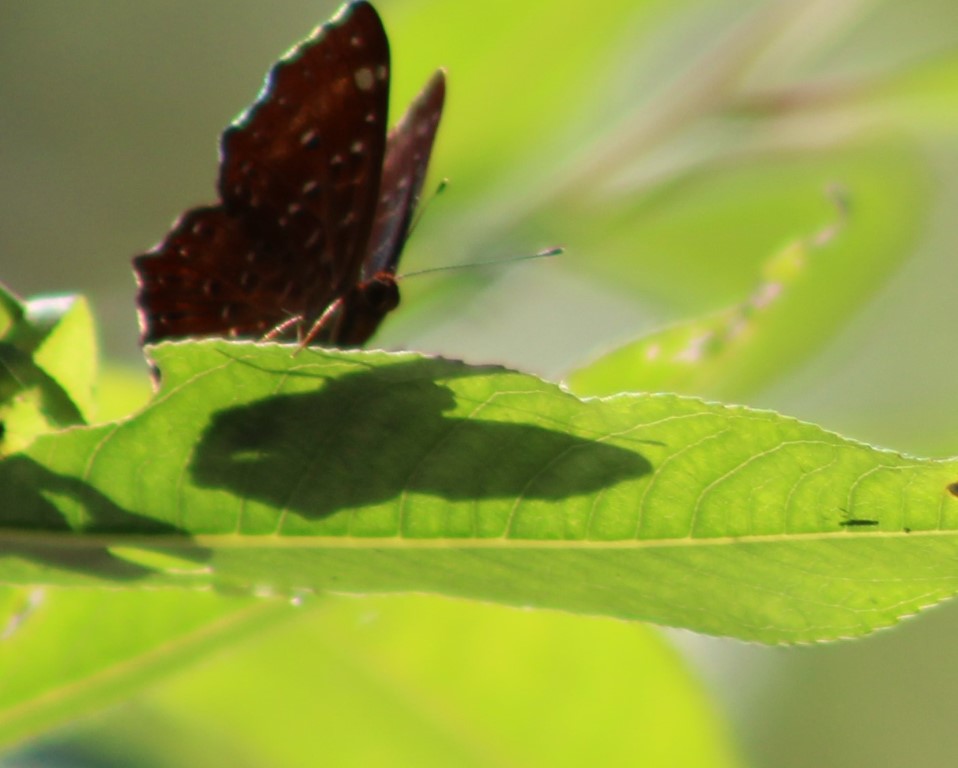
a butterfly
 plays with shape & shadow
  on a sunlit leaf.

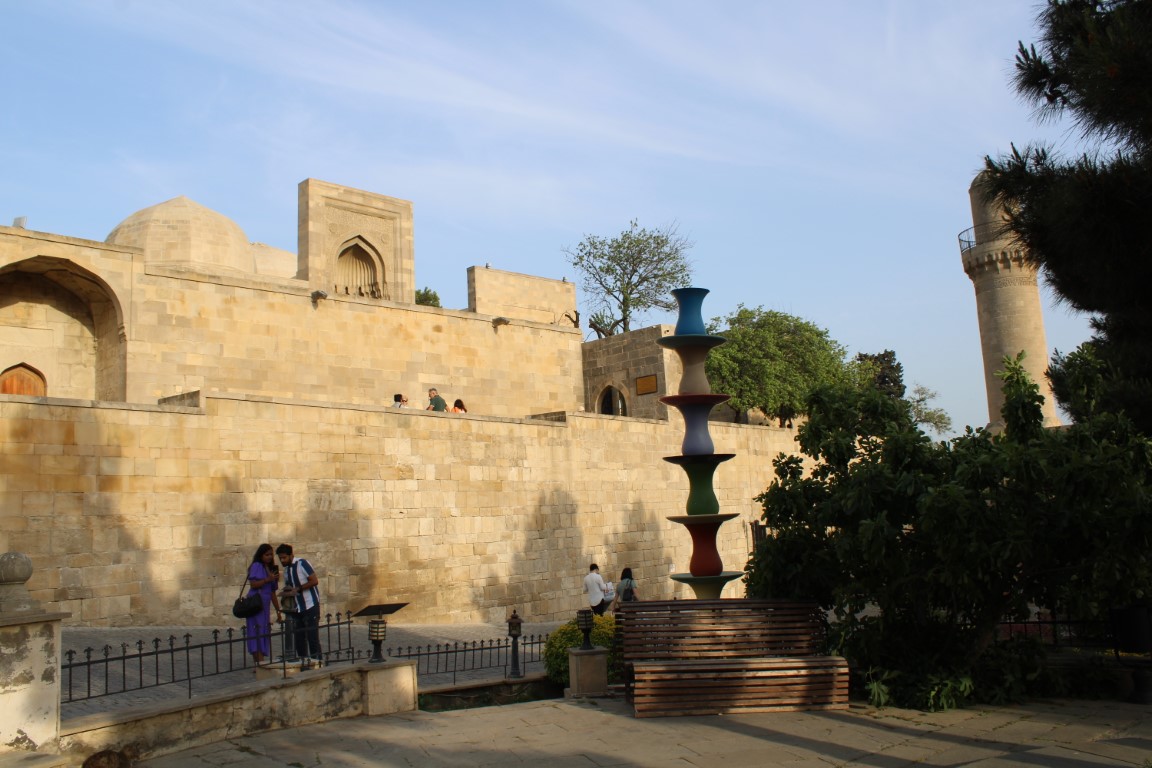
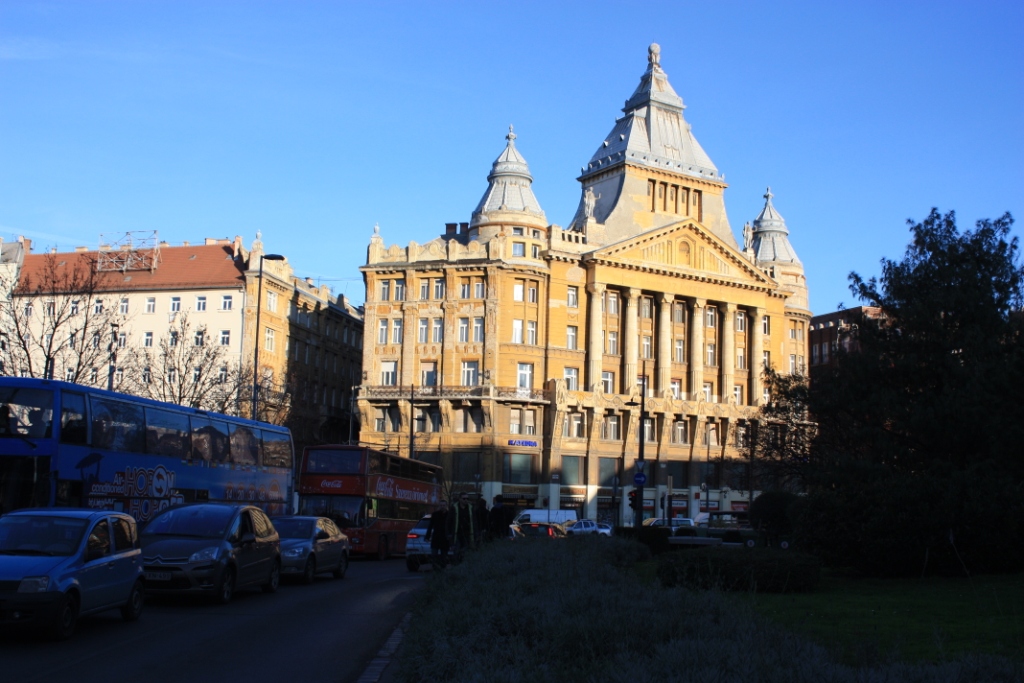
the sun's last gasp
 glows against walls and towers,
  but forms deep shadows.
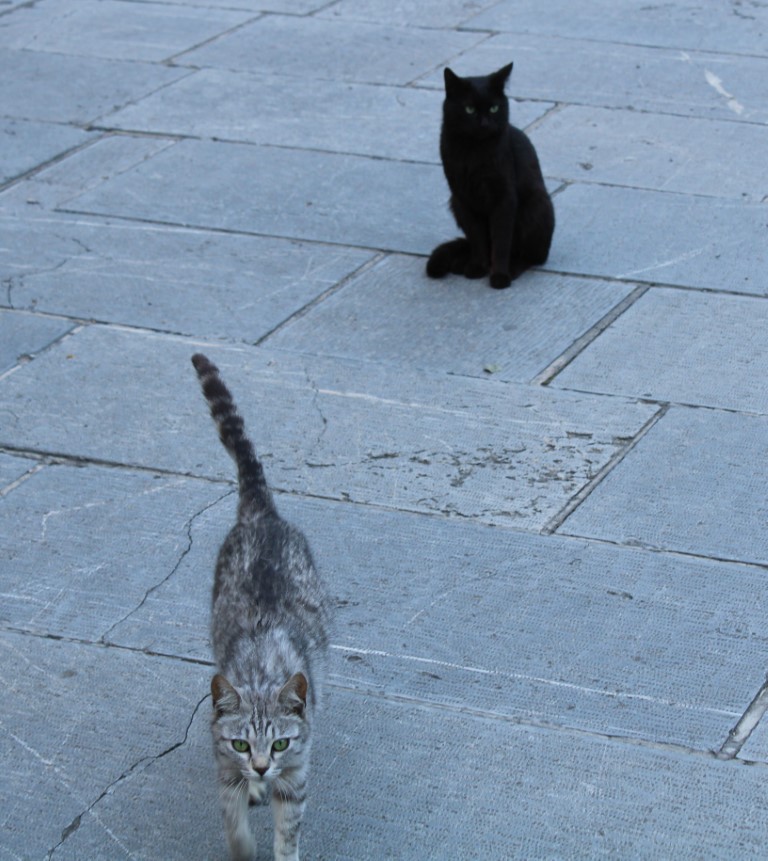
even by daylight,
 the black cat is a shadow --
  devoid of depth.

a barren tree
 paints dancing shadows
  on the sandy canyon.
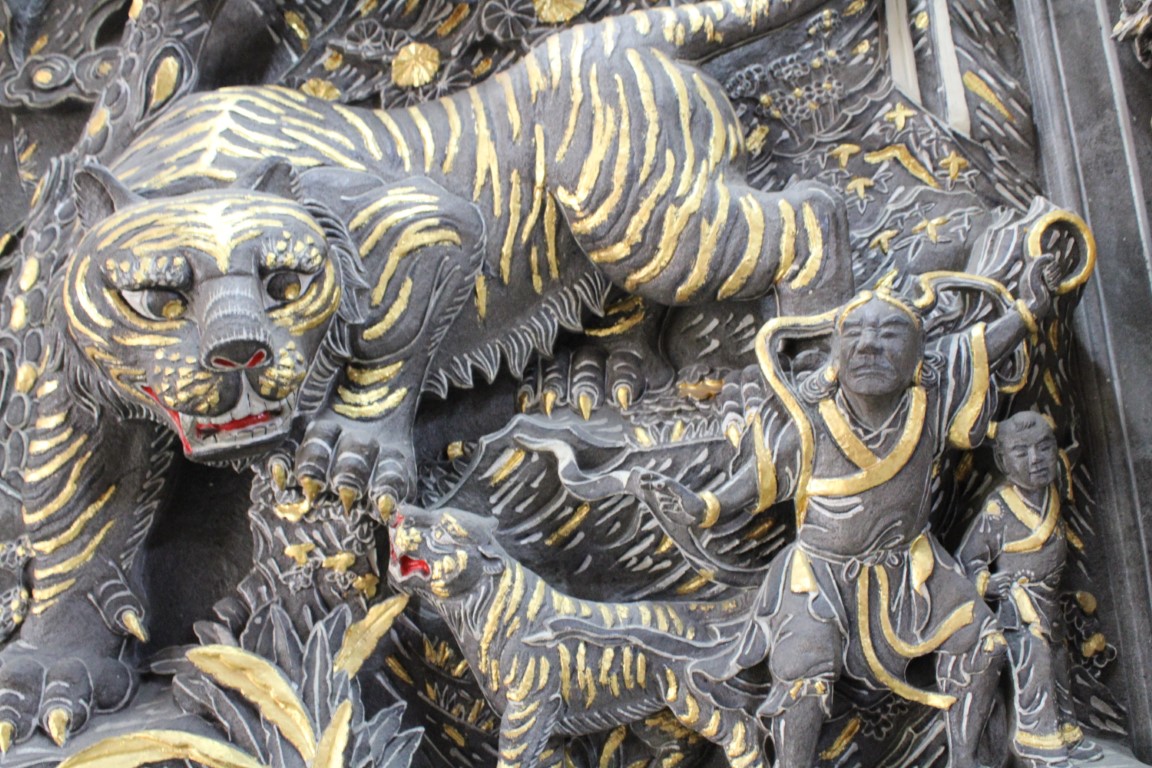
A giant tiger stalks,
 baring teeth, tensing claws,
 closing the distance
 in deep shadows that exist
 entirely within the man's mind.

While others, from safe distances,
 can see the fearsome beast clearly.
Have you never felt a sort of fear in the face of the ageless, a fear that in that room you might lose all consciousness of the passage of time, that untold years might pass and upon emerging you should find you had grown old and gray?
But our thoughts do not travel to what we cannot see. The unseen for us does not exist.
This was the genius of our ancestors, that by cutting off the light from this empty space they imparted to the world of shadows that formed there a quality of mystery and depth superior to that of any wall painting or ornament.
I wonder if my readers know the color of that ‘darkness seen by candlelight.’ It was different in quality from darkness on the road at night. It was a repletion, a pregnancy of tiny particles like fire ashes, each particle luminous as a rainbow.
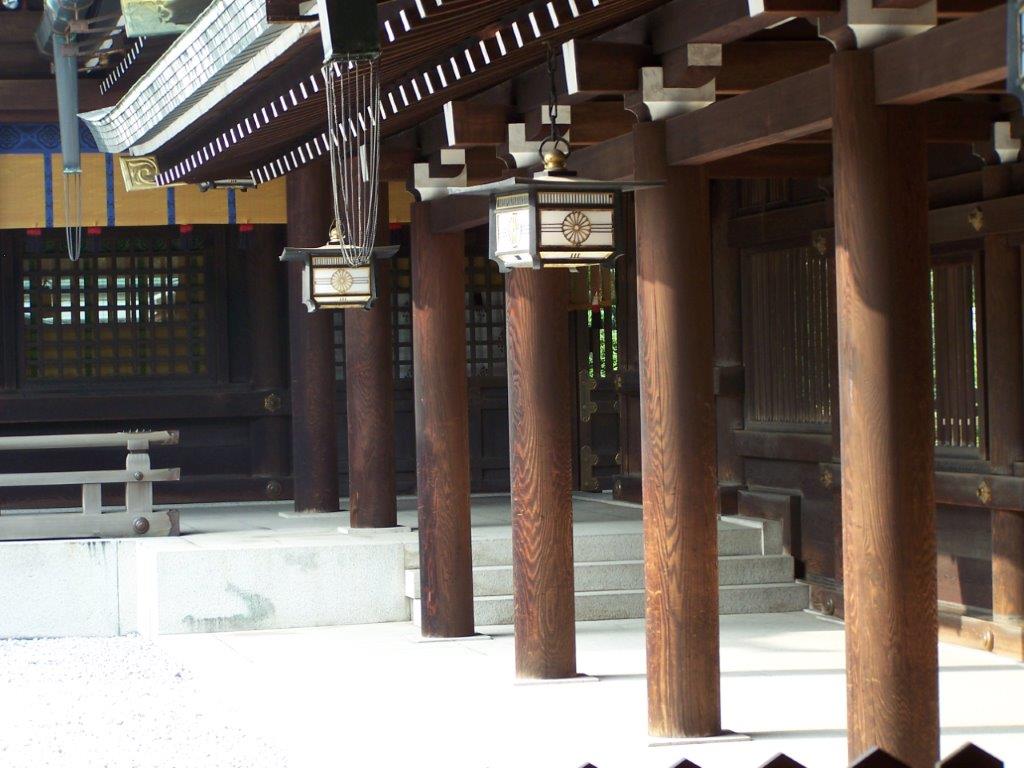
Whenever I see the alcove of a tastefully built Japanese room, I marvel at our comprehension of the secrets of shadows, our sensitive use of light and shadow.
 In Praise of Shadows by Jun’ichirō Tanizaki




 Tiger Riding for Beginners