
with winter at hand,
 the last crisp leaves yield
  only to stout gales.
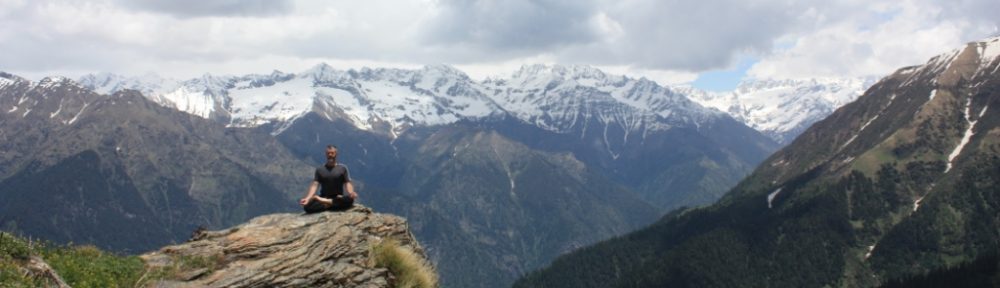
with winter at hand,
the last crisp leaves yield
only to stout gales.
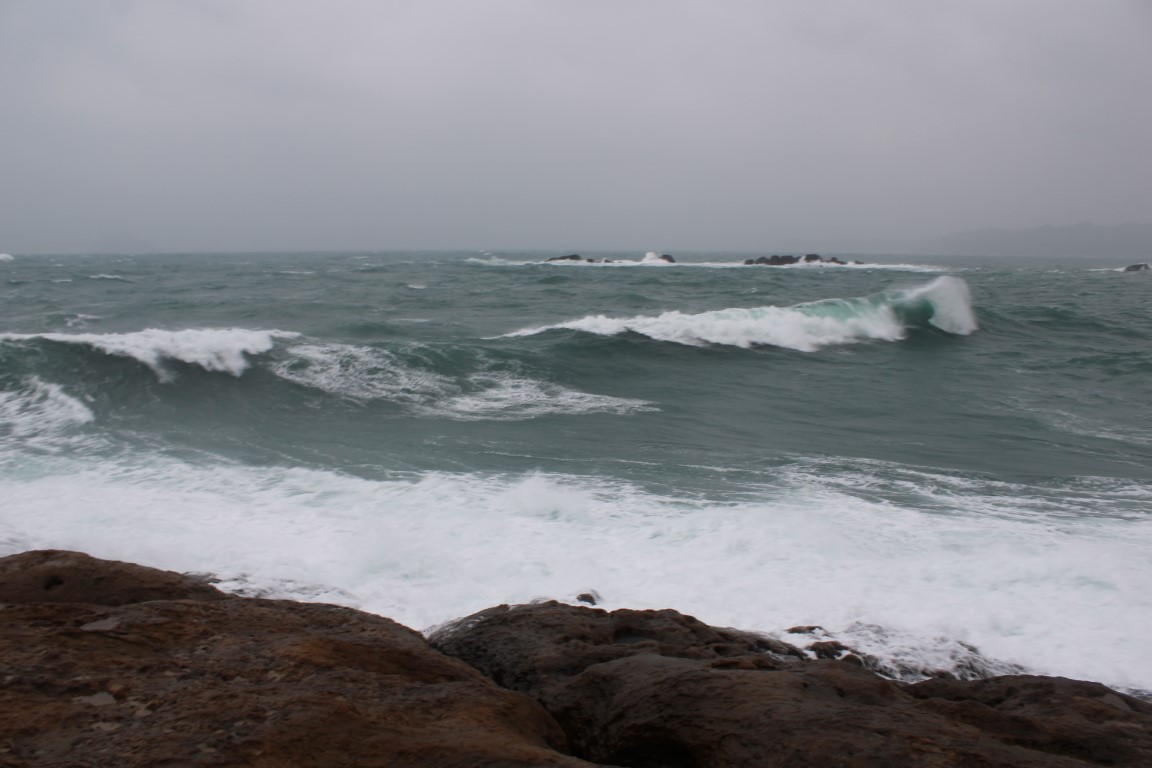
dark slate seas
 pound the rocky coast,
  fringing it foam-white.
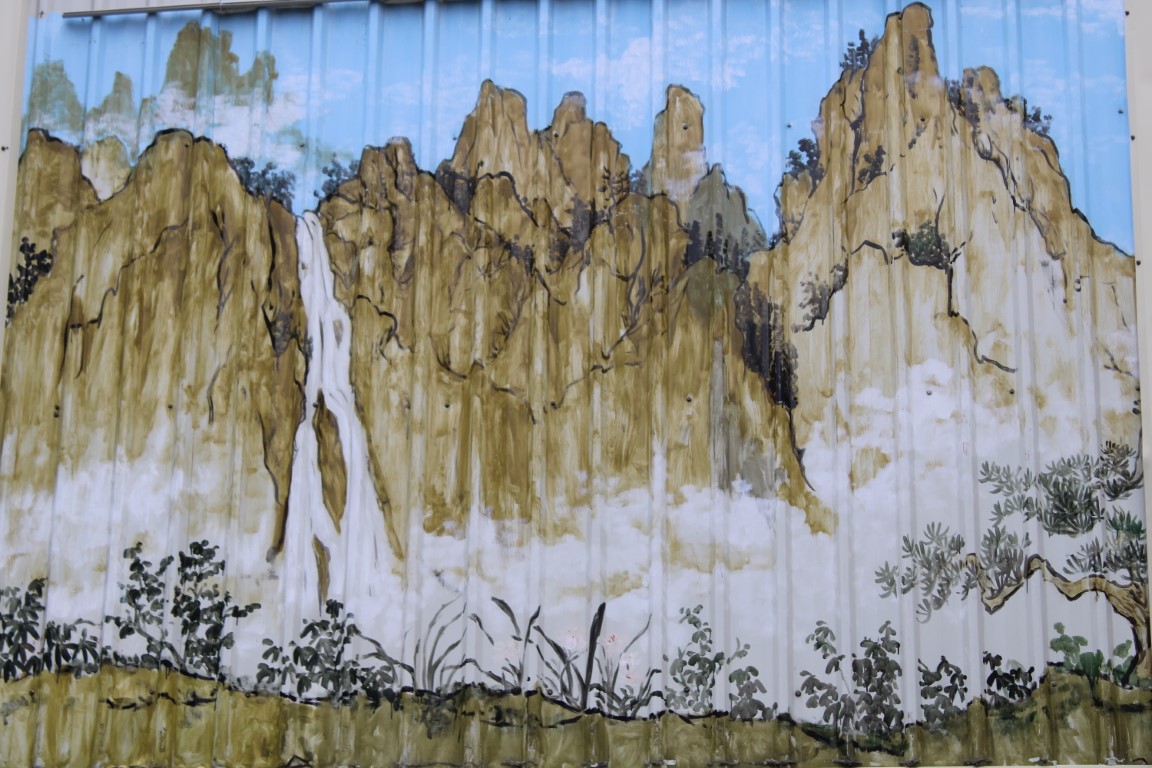
Immortals ride truth
   With lotus in hand,
 As chaos unfolds
   Unlogged above land.

Moonrise in the East
   As good winds are fanned.
 Hill shrine in blue night,
   Bell rings clear and grand.

The god is now gone
   Beyond border lands
 Huangdi* is not there
   Great Age to wasteland.
NOTE: The late Tang Dynasty poet, Sikong Tu (a.k.a. Ssŭ-k‘ung T‘u,) wrote an ars poetica entitled Twenty-Four Styles of Poetry. It presents twenty-four poems that are each in a different tone, reflecting varied concepts from Taoist philosophy and aesthetics. Above is a crude translation of the fifth of the twenty-four poems. This poem’s Chinese title is 高古 (Gāo Gǔ,) and it was translated as “Height – Antiquity” by Herbert Giles.
*Huangdi is a name for the Yellow Emperor that is more syllabically friendly than “Yellow Emperor.” In a great oversimplification for the sake of speed and alignment of context, the Yellow Emperor was China’s King Arthur — a mythical leader of great virtue and heroism. The Tang emperors tried to trace lineages back to the Yellow Emperor, but such imagined linkages to the perfect leader are hard to maintain when an Emperor like Xuanzong crashes the ship of state.
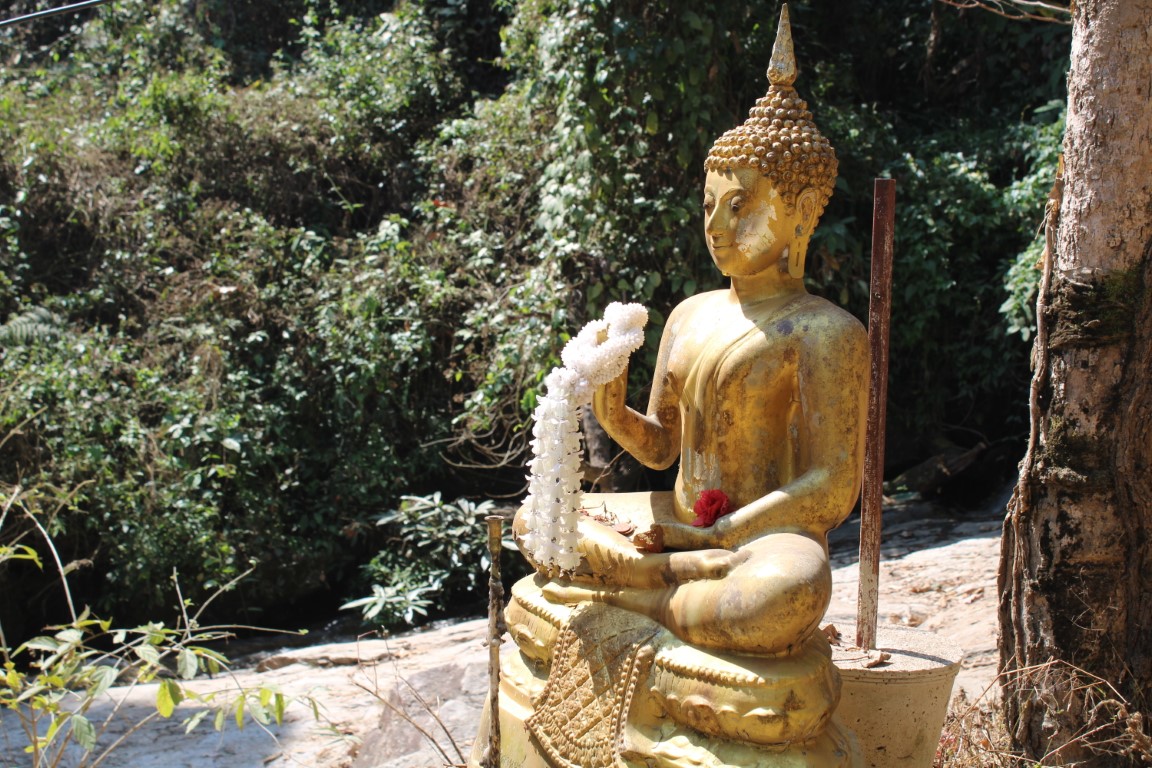
the Buddha sits:
 untroubled by the bees
  enticed by garlands.

Ah Sun-flower! weary of time,
 Who countest the steps of the Sun:
 Seeking after that sweet golden clime
 Where the travellers journey is done.

Where the Youth pined away with desire,
 And the pale Virgin shrouded in snow:
 Arise from their graves and aspire,
 Where my Sun-flower wishes to go.

wildlife trail:
 a subtle part in the grass;
  human trail:
 a bald and dusty line..., but
 a buck 'd be hell on your rug, too!
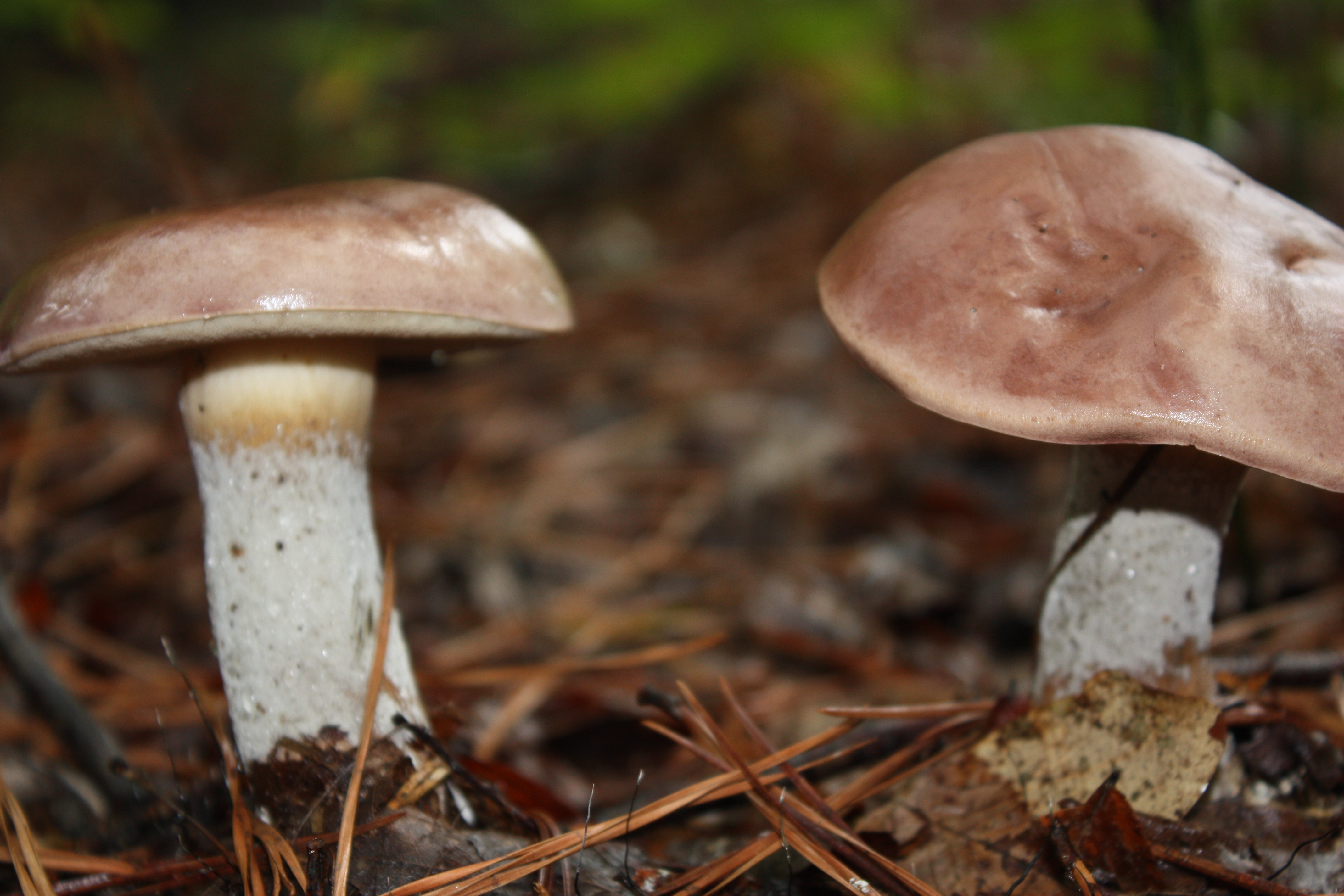
The Mushroom is the Elf of Plants --
   At Evening, it is not
 At Morning, in a Truffled Hut
   It stop opon a Spot

As if it tarried always
   And yet it's whole Career
 Is shorter than a Snake's Delay --
   And fleeter than a Tare --

'Tis Vegetation's Juggler --
   The Germ of Alibi --
 Doth like a Bubble antedate
   And like a Bubble, hie --

I feel as if the Grass was pleased
   To have it intermit --
 This surreptitious Scion
   Of Summer's circumspect.

Had Nature any supple Face
   Or could she one contemn --
Had Nature an Apostate --
   That Mushroom -- it is Him!

raptor rides updrafts:
 head & eye swivel-pivot;
  all else, glides.

hilltop puddle
 catches gusting winds:
  patterns turn chaos.
The second half of the question is quicker and simpler to answer. Things bother me because I — through conditioning and petty impulses — allow them to bother me. I neither blame external circumstances, nor accept that said externalities can be responsible for my state of mind. I could remain unbothered by the things that bother me, with enough work to break engrained patterns. I should also note that I could choose to be bothered by a great many happenings that don’t bother or offend me in the slightest.
As for what bothers me, the list — sadly — remains many. That said, I don’t think it’s wise to broadcast the things that get under one’s skin out into the universe. Just like I wouldn’t announce if I had a gimpy knee or a weak jaw to a general audience that might include those who wish me ill. It just seems strategically unwise.


