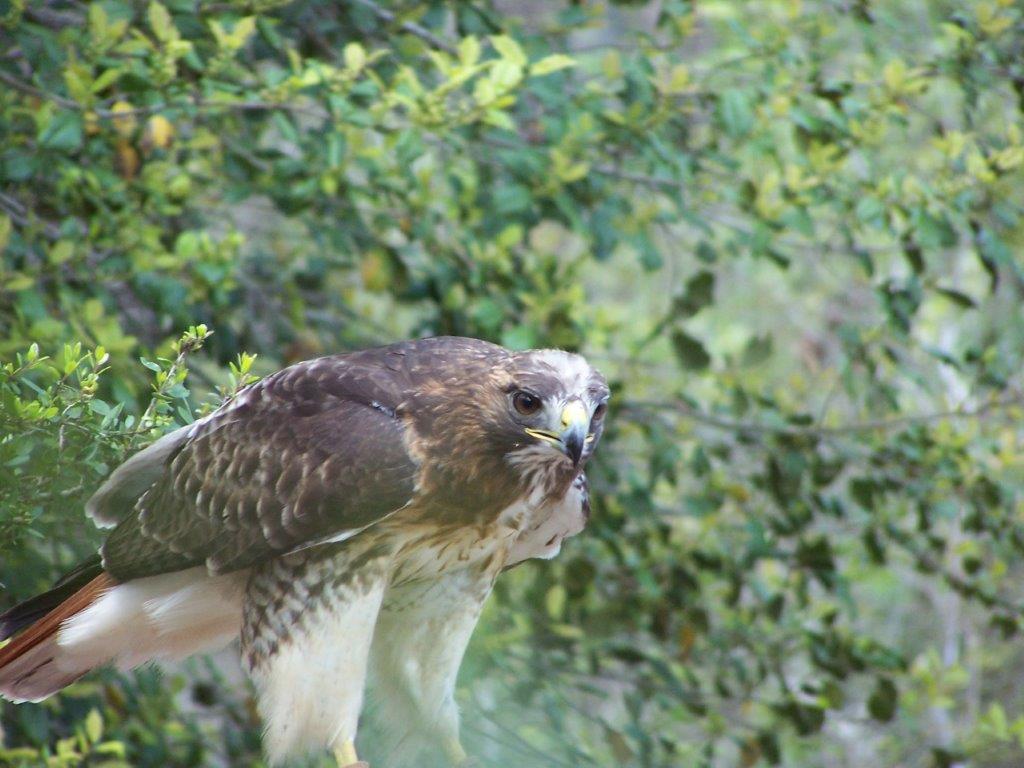
There is health in thy gray wing,
 Health of nature's furnishing.
 Say, thou modern-winged antique,
 Was thy mistress ever sick?
 In each heaving of thy wing
 Thou dost health and leisure bring,
 Thou dost waive disease and pain
 And resume new life again.

There is health in thy gray wing,
Health of nature's furnishing.
Say, thou modern-winged antique,
Was thy mistress ever sick?
In each heaving of thy wing
Thou dost health and leisure bring,
Thou dost waive disease and pain
And resume new life again.
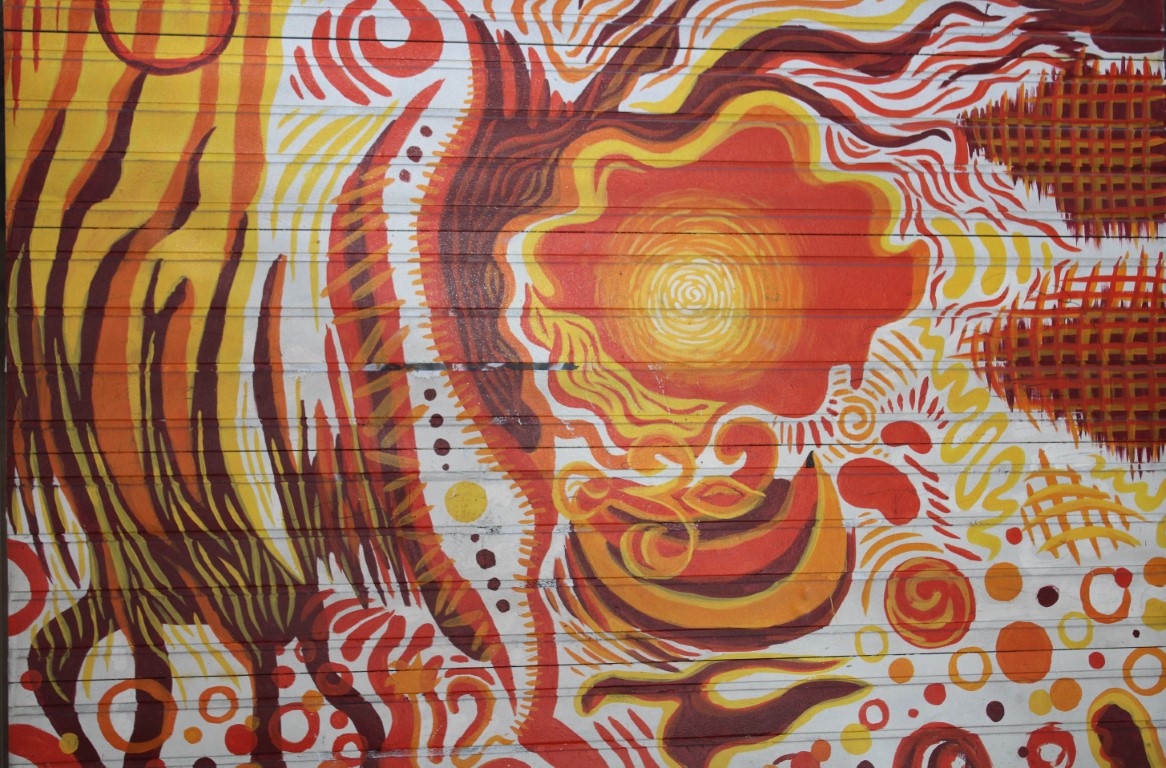
My mind's a map. A mad sea-captain drew
   it
 Under a flowing moon until he knew it;
 Winds with brass trumpets, puffy-cheeked
   as jugs,
 And states bright-patterned like Arabian
   rugs.
 "Here there be tygers." "Here we buried
   Jim."
 Here is the strait where eyeless fishes swim
 About their buried idol, drowned so cold
 He weeps away his eyes in salt and gold.
 A country like the dark side of the moon,
 A cider-apple country, harsh and boon,
 A country savage as a chestnut-rind,
 A land of hungry sorcerers.
                                           Your mind?

--Your mind is water through an April
   night,
 A cherry-branch, plume-feathery with its
   white,
 A lavender as fragrant as your words,
 A room where Peace and Honor talk like
   birds,
 Sewing bright coins upon the tragic cloth
 Of heavy Fate, and Mockery, like a moth,
 Flutters and beats about those lovely
   things.
 You are the soul, enchanted with its
   wings,
 The single voice that raises up the dead
 To shake the pride of angels.
                                              I have said.
 Spring, Summer, Asteroid, Bird: The Art of Eastern Storytelling by Henry Lien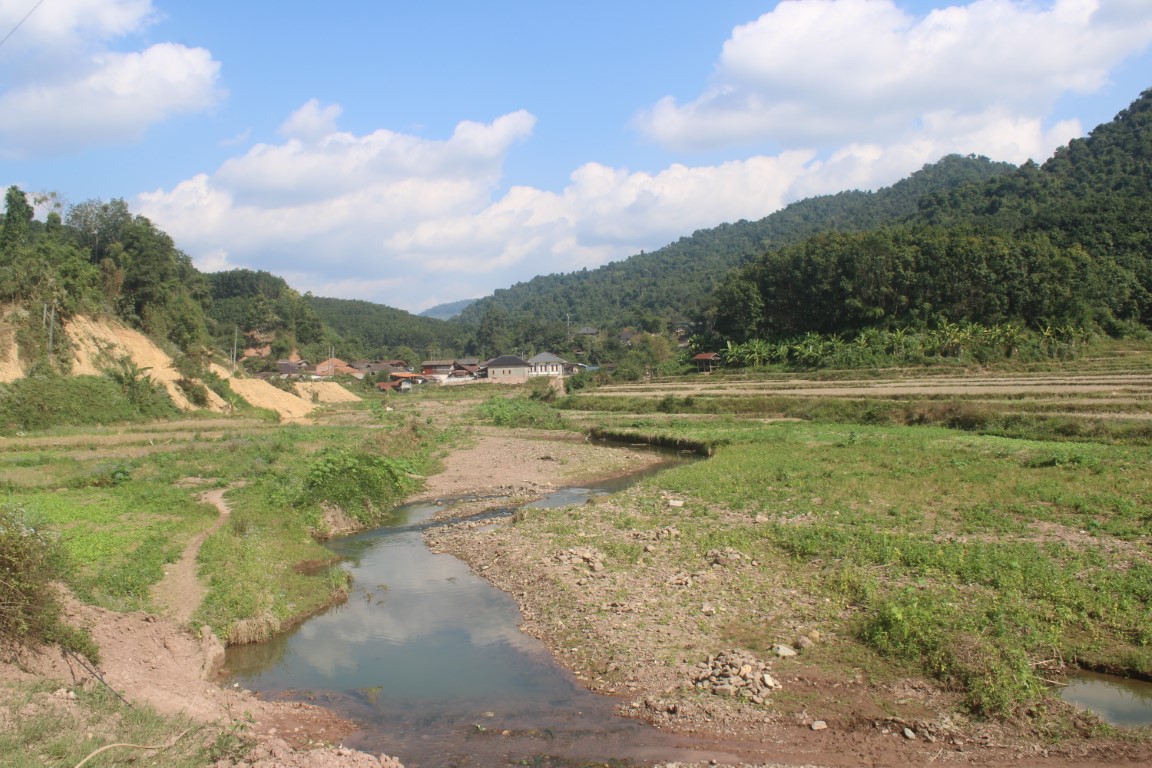
I

In my room, the world is beyond my
   understanding;
 But when I walk I see that it consists of three or
  four
       hills and a cloud.

II

From my balcony, I survey the yellow air,
 Reading where I have written,
 "The spring is like a belle undressing."

III

The gold tree is blue,
 The singer has pulled his cloak over his head.
 The moon is in the folds of the cloak.
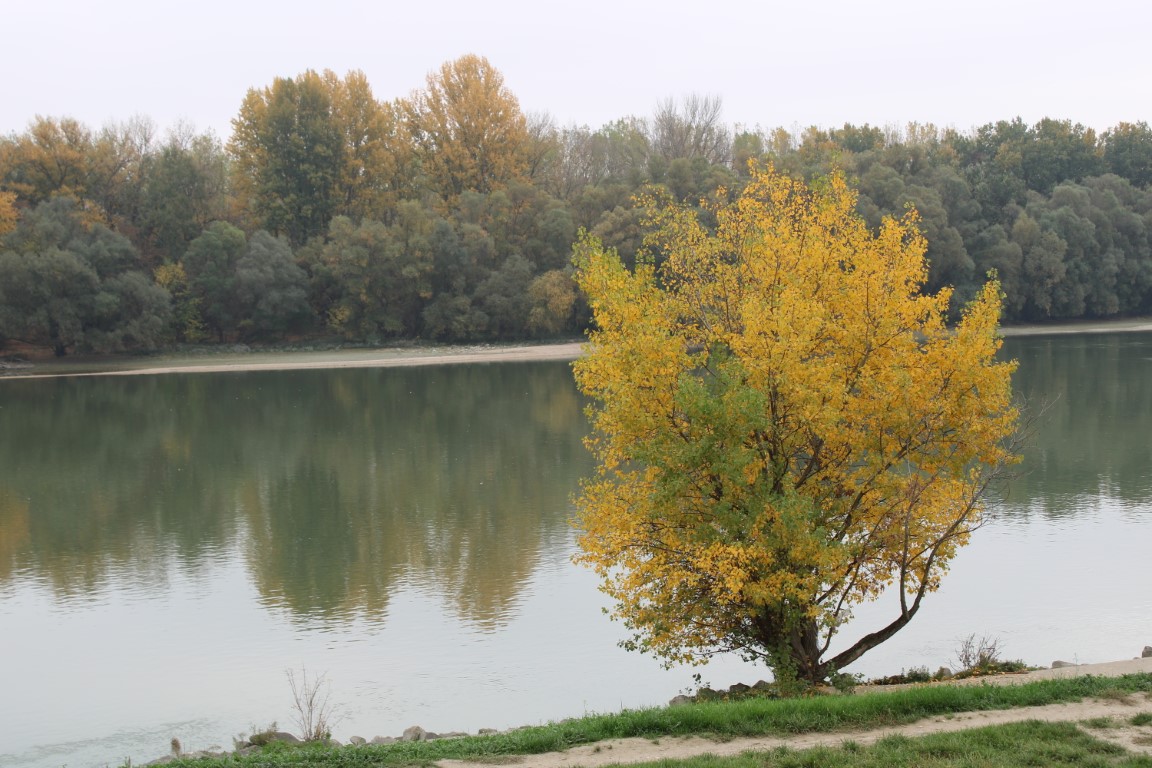
The West winds tumble fallen leaves;
 Autumn 's yellow, though blooms are shy;
 I brush at dust upon my sleeves;
 The horses' hoofprints dot the frost;
 Moonlit cocks crow amid grain sheaves;
 The road to town: no passersby.

Fame 's not gained by effort or skill,
 And would fade away ten years hence.
 Please don't dance, but drink your fill.
 Six Dynasty tales flow away:
 Diluted as waters spread and spill.
 The world feels like dream and pretense.
 The Ballad of Mulan: 木兰辞 by Song Nan Zhang
From childhood's hour I have not been
 As others were -- I have not seen
 As other saw -- I could not bring
 My passions from a common spring ---
 From the same source I have not taken
 My sorrow -- I could not awaken
 My heart to joy at the same tone --
 And all I lov'd -- I lov'd alone --
 Then -- in my childhood -- in the dawn
 Of a most stormy life -- was drawn
 From ev'ry depth of good and ill
 The mystery which binds me still --
 From the torrent, or the fountain --
 From the red cliff of the mountain --
 From the sun that 'round me roll'd
 In its autumn tint of gold --
 From the lightening in the sky
 As it pass'd me flying by --
 From the thunder, and the storm --
 And the cloud that took the form
 (When the rest of Heaven was blue)
 Of a demon in my view --
My mother groan'd! my father wept.
 Into the dangerous world I leapt:
 Helpless, naked, piping loud:
 Like a fiend hid in a cloud.

Struggling in my father's hands,
 Striving against my swadling bands.
 Bound and weary I thought best
 To sulk upon my mother's breast.
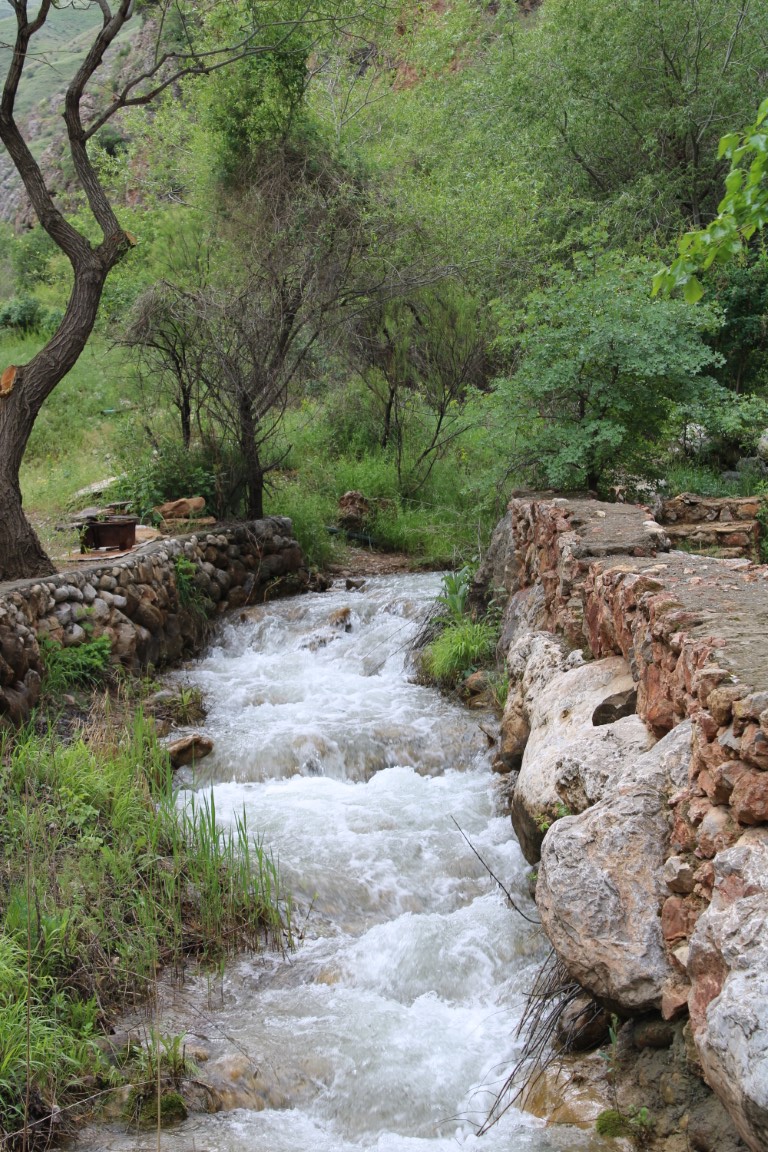
All the stream that's roaring by
   Came out of a needle's eye;
 Things unborn, things that are gone,
    From needle's eye still goad it on.

Have no mother, have no dad,
 have no country, have no God,
 no cradle, no winding sheet,
 no lover, no kisses sweet.

Haven't eaten for three days,
 my head spins, the body sways...
 Twenty years! My might, my gale,
 twenty years are now for sale.

If there is no customer,
 sell it to Devil in hell.
 With a clean heart, I will steal,
 If need be, I'll even kill.

They'll catch me and hang me up,
 with soft earth cover me up,
 and death-bringing grass will start
 from my beautiful, clean heart.
Translation by Frank Veszely in Hungarian Poetry: One Thousand Years (2023) Altona, Manitoba: Friesen Press, pp. 156-157.
NOTE: This poem got Attila expelled from university and preemptively scuttled any possibility of a career in academia. (Hence, my affinity for it. Any poetry that extracts such a cost is probably excellent poetry.)


 Tiger Riding for Beginners