“Time” by Percy Bysshe Shelley [w/ Audio]

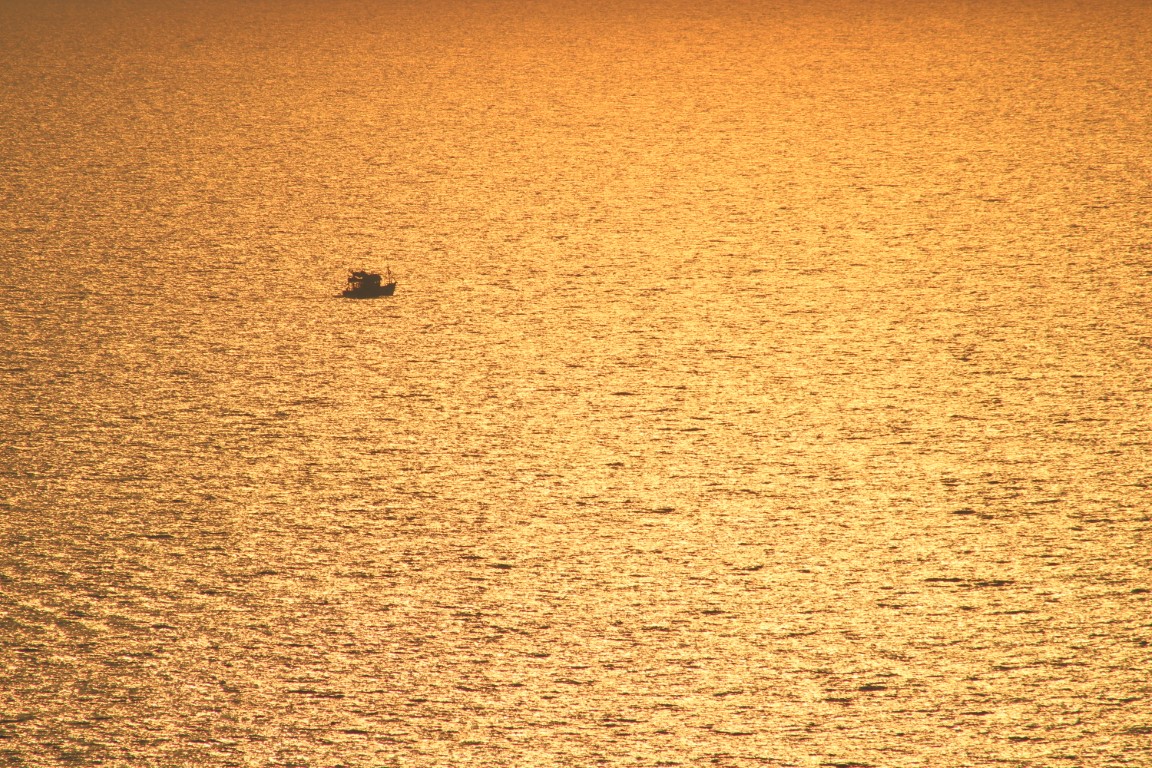
Unfathomable Sea! whose waves are years,
Ocean of Time, whose waters of deep woe
Are brackish with the salt of human tears!
Thou shoreless flood, which in thy ebb and flow
Claspest the limits of mortality!

And sick of prey, yet howling on for more,
Vomitest thy wrecks on its inhospitable shore;
Treacherous in calm, and terrible in storm,
Who shall put forth on thee,
Unfathomable Sea?

“Spring Rain” by Natsume Sōseki

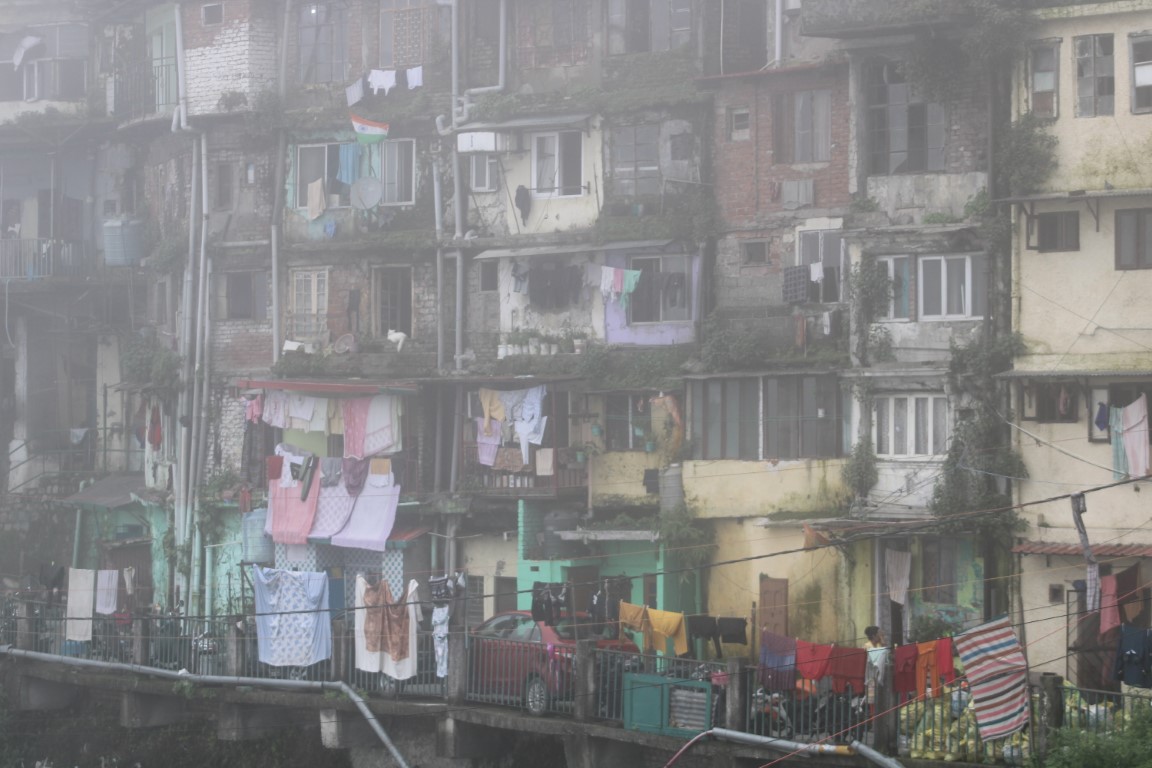
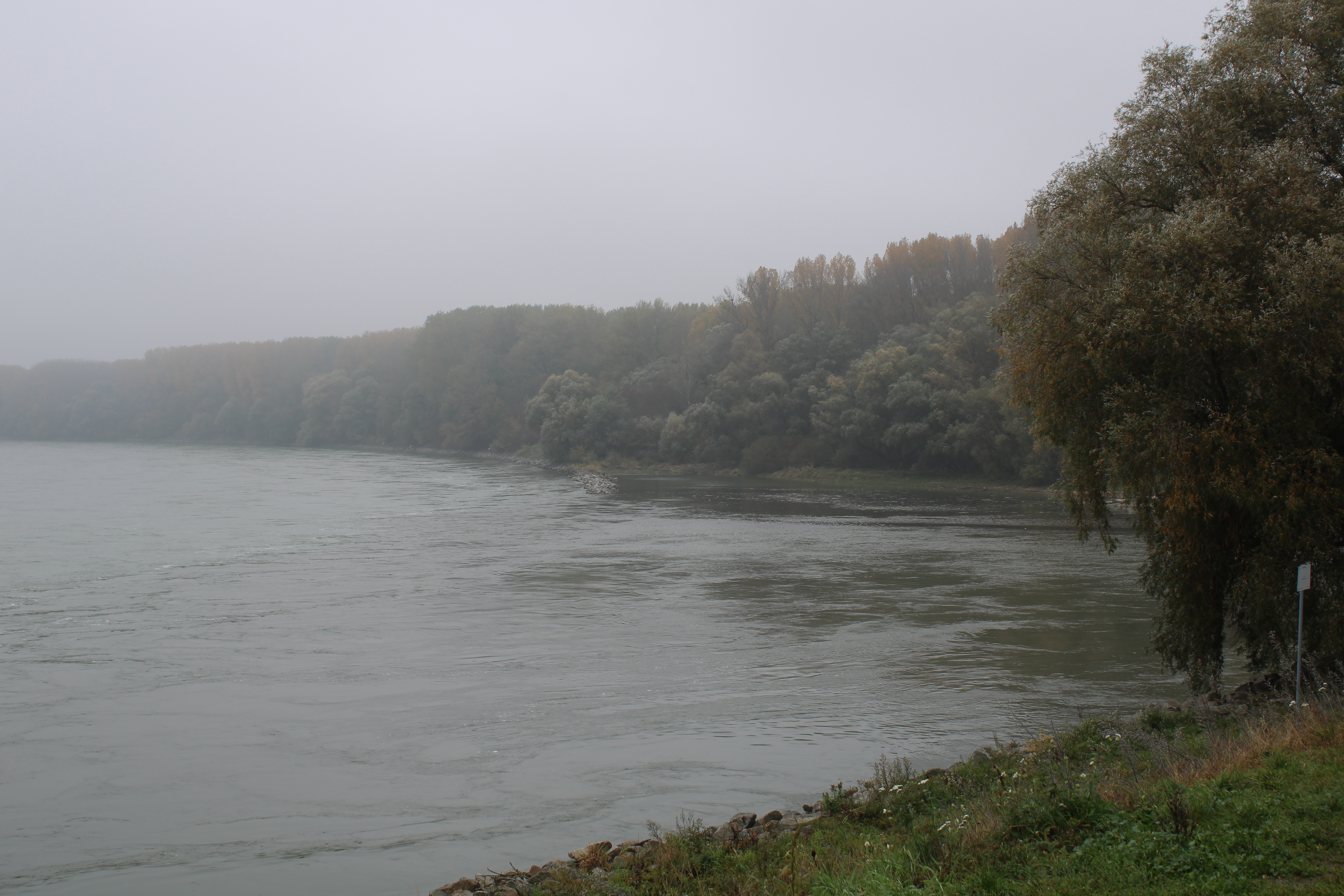
Spring rain:
a walk amid
wet willows.

PROMPT: Learned

Daily writing prompt
What is the last thing you learned?

I was just reading George Bernard Shaw: A Very Short Introduction and learning about how his philosophy informed his plays. In particular, I learned why the play Pygmalion, which I recently read and which is the origin of the popular musical My Fair Lady, has an odd appendix which tells of the main characters’ continued life stories after the events of the play — as Shaw imagined them. Apparently, audiences pined for a love story between Henry Higgins and Eliza Doolittle, and Shaw never wanted that. Apparently, when Shaw saw what actors and directors were doing to tilt the story toward that love affair, he felt the need to add a postscript to set things straight.

“Glass was the Street – in Tinsel Peril” (1518) by Emily Dickinson [w/ Audio]

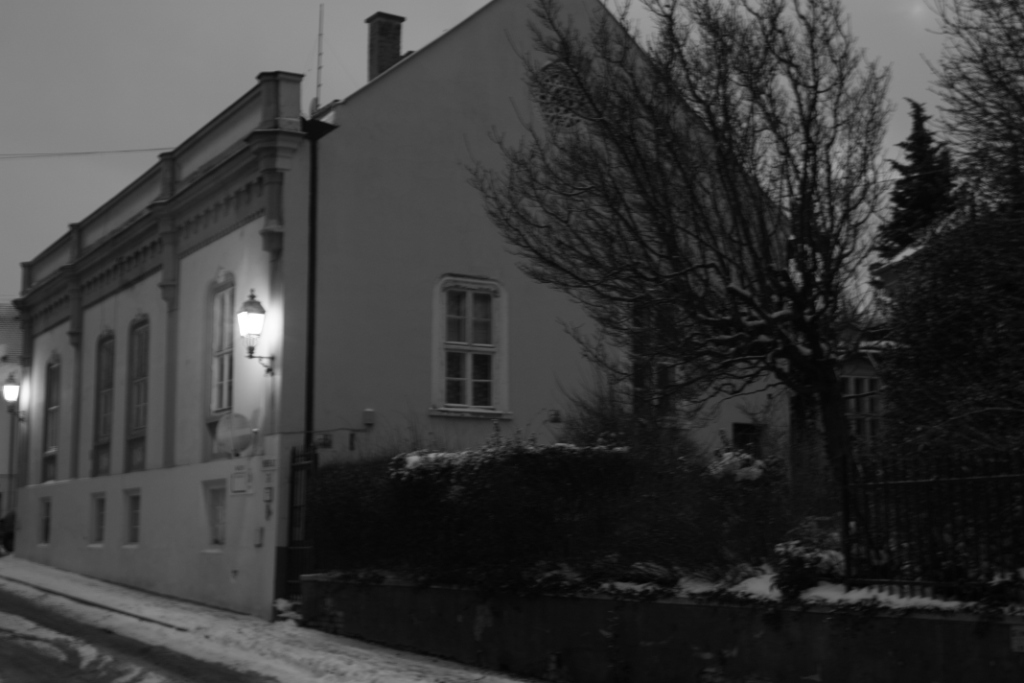
Glass was the Street - in Tinsel Peril
Tree and Traveller stood.
Filled was the Air with merry venture
Hearty with Boys the Road.

Shot the lithe Sleds like Shod vibrations
Emphacized and gone
It is the Past's supreme italic
Makes the Present mean --

“Night Mooring” by Zhang Ji [w/ Audio]

The moon sets; crows caw below frosty skies.
Boats, moored to maples -- lamps glow like cat eyes.
Cold Mountain Temple, outside Gusu's bounds:
The midnight bell cuts off soft water sounds.

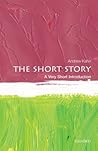
BOOK: “The Short Story: A Very Short Introduction” by Andrew Kahn

The Short Story: A Very Short Introduction (Very Short Introductions)The Short Story: A Very Short Introduction by Andrew Kahn
My rating: 4 of 5 stars

Publisher Site – OUP

This guide provides an overview of the short story, particularly literary short stories (though it’s not without mention of genre fiction.) The book is well organized and offers some fascinating food for thought, particularly regarding the psychology of character and the distinctions between short stories and novels. (The former are not to be thought of as pared down versions of the latter.)

I will say that, for a concise introduction, the book does occasionally get into the weeds on specific issues, potentially losing the non-specialist reader who this series is ostensibly geared toward.

I found the book’s organization to be logical and productive to its task. After an introduction that explores the advent and history of the short story, most of the chapters deal with structural or compositional aspects of story, including: openings, voice, setting, plot, irony / reversal, and endings. One chapter (Ch. 6) stands out as a bit different in that it zooms in on Chekhov and his influence on the short story as we’ve come to know it. While this could be said to demonstrate the author’s tendency to zoom in the specificity more than is usual for such a guide, I did find the chapter interesting and enlightening.

If one is interested in the short story (as a reader, writer, or both) one will find this guide worth one’s attention.

View all my reviews

“Daniel Boone” by Stephen Vincent Benét [w/ Audio]

When Daniel Boone goes by, at night,
The phantom deer arise
And all is lost, wild America
Is burning in their eyes.

FIVE WISE LINES [March 2025]

Would the world ever have been made if its maker had been afraid of making trouble?

george bernard shaw, PygMalion

Refrain from talk of others’ shortcomings; don’t rest on your strengths.
[罔谈彼短; 靡恃己长.]

Thousand Character classic [千字文]

The reasonable man adapts himself to the world: the unreasonable one persists in trying to adapt the world to himself. Therefore all progress depends on the unreasonable man.

george bernard shaw, Man and superman

A child is the most reliable measure of time. His daily growth is proof of your daily ageing and decline. The child’s gains are your losses, and the closer a child gets to anything, the farther you withdraw, as though you were tied to one another on opposite spokes of a wheel and the wheel, without your noticing it, turns. Dawn for the child is dusk for you.

Otar chiladze, A Man was going down the road

We are all dependent on one another, every soul of us on earth.

George bernard shaw, Pygmalion

“To Tirzah” by William Blake [w/ Audio]

Whate'er is Born of Mortal Birth
Must be consumed with the Earth
To rise from Generation free:
Then what have I to do with thee?

The Sexes sprung from Shame & Pride,
Blow'd in the morn; in evening died;
But Mercy chang'd Death to Sleep;
The Sexes rose to work & weep.

Thou, Mother of my Mortal part,
With cruelty didst mould my Heart,
And with false self-deceiving tears
Didst bind my Nostrils, Eyes, & Ears:

Didst close my Tongue in senseless clay,
And me to Mortal Life betray.
The Death of Jesus set me free:
Then what have I to do with thee?

“Circular Portrait” by Ikkyū [w/ Audio]

The monk’s entire body is present
in this great circle.
Xutang’s true face and eye
emerge from it.
The blind singer’s love song delights
flowers for ten thousand springs.

Translation by Kazuaki Tanahashi and David Schneider in Essential Zen (1994) HarperSanFrancisco.