Elephant [Lyric Poem]

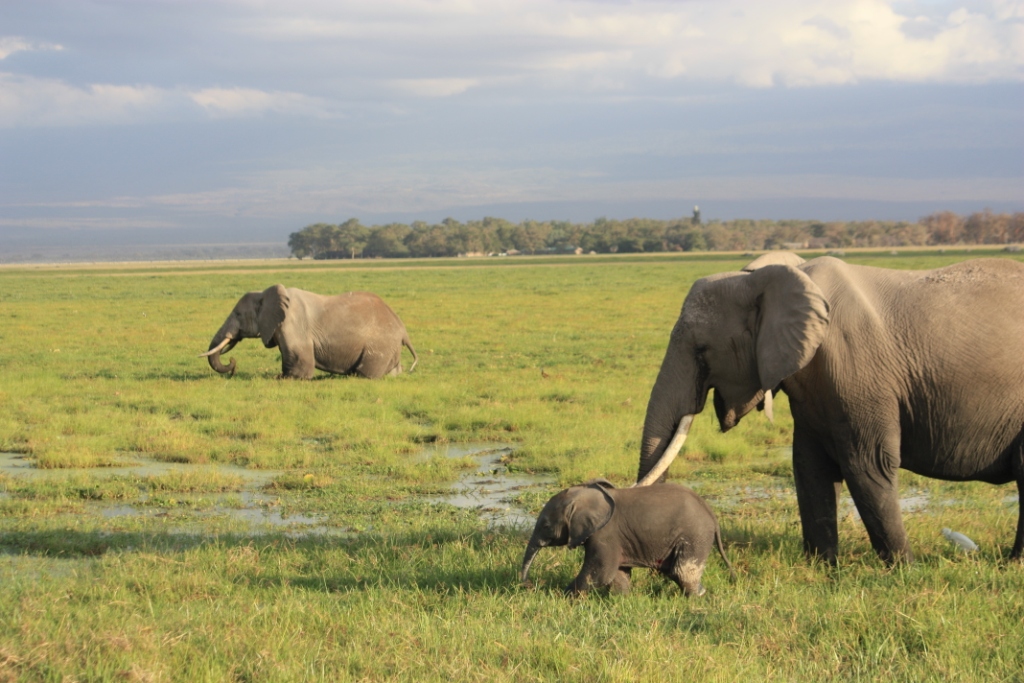
The mighty, mighty elephant
Isn't known for being elegant,
But you can't disbar him from your soiree,
And expect he'll show on moving day.

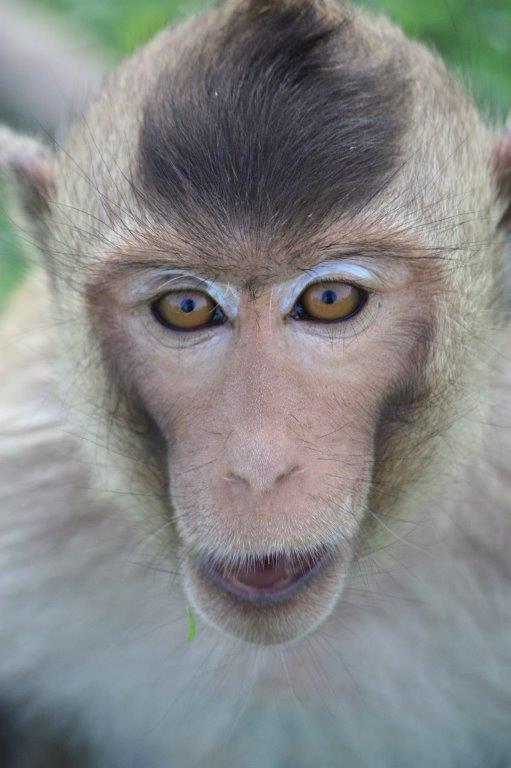
DAILY PHOTO: Portrait of a Monkey [Lop Buri]

Image

Buffalo [Lyric Poem]

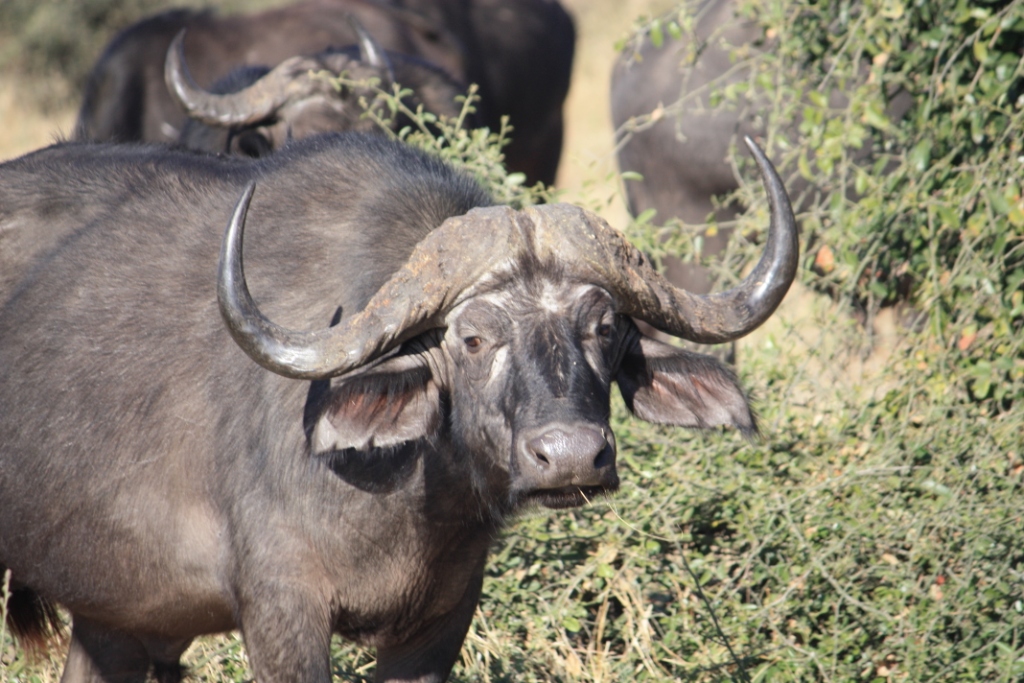
Never punch a Buffalo!
They may seem dim and kind of slow,
But they hold a grudge to the last,
And - besides - you're not exactly fast!

Zebra [Lyric Poem]

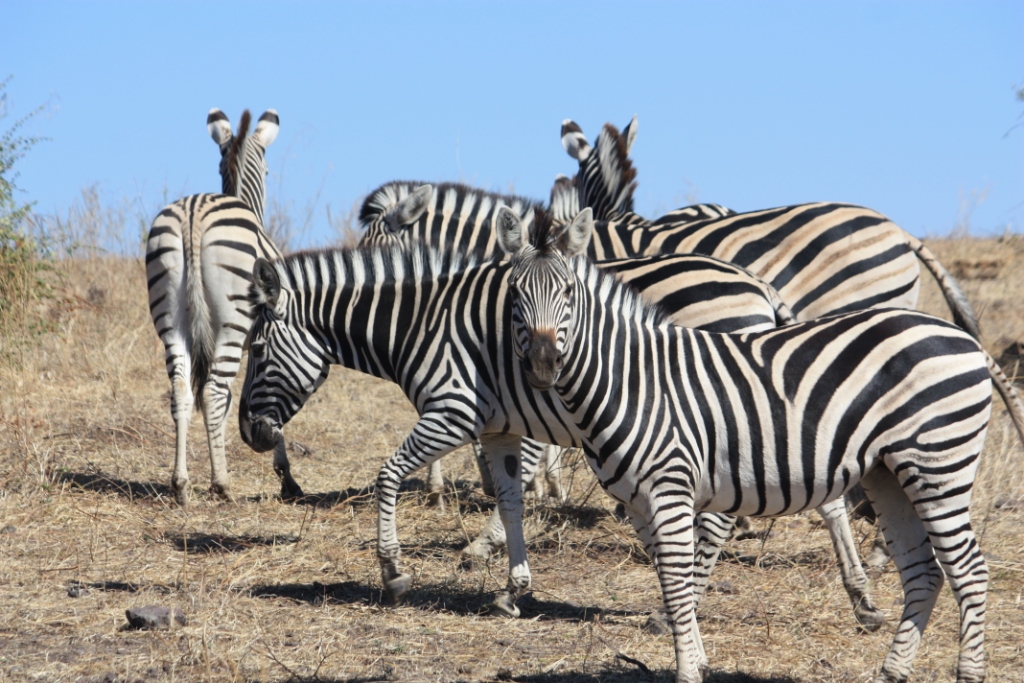
The zebra's form of camouflage
Only works with an entourage.
The Savanna isn't black and white,
But with herds it's hard to see where to bite.

“The Poets light but Lamps –” (930) by Emily Dickinson [w/ Audio]

The Poets light but Lamps --
Themselves -- go out --
The Wicks they stimulate
If vital Light

Inhere as do the Suns --
Each Age a Lens
Disseminating their
Circumference --

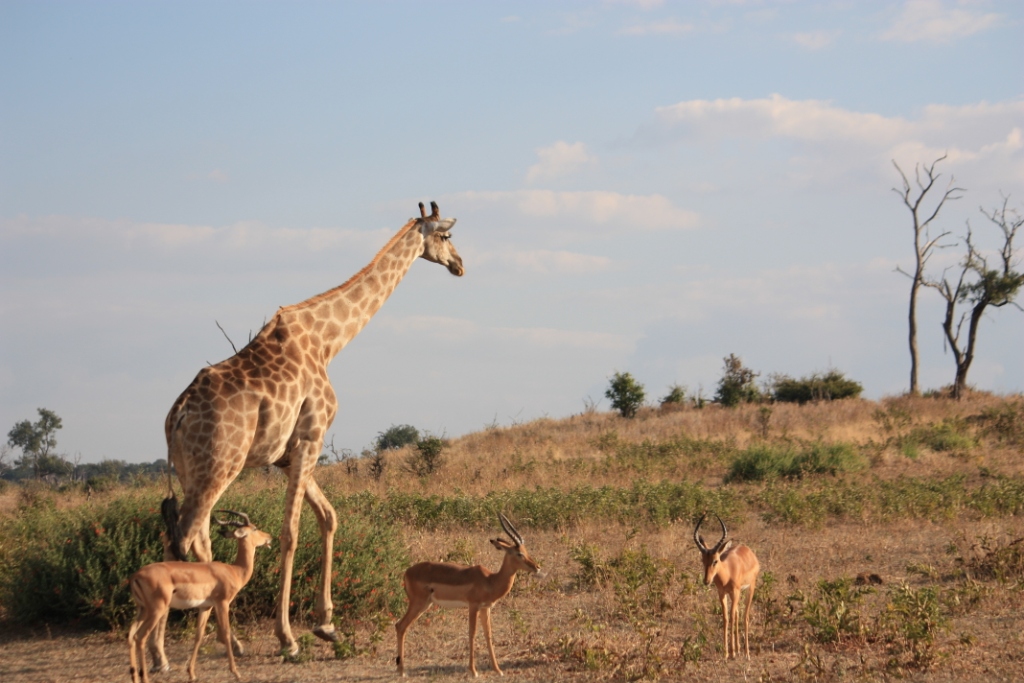
Giraffe [Lyric Poem]

There are few things so useless that
They're as useless as a Giraffe’s hat.
I guess that’s why you never see
One in a bowler, fez, or beanie.

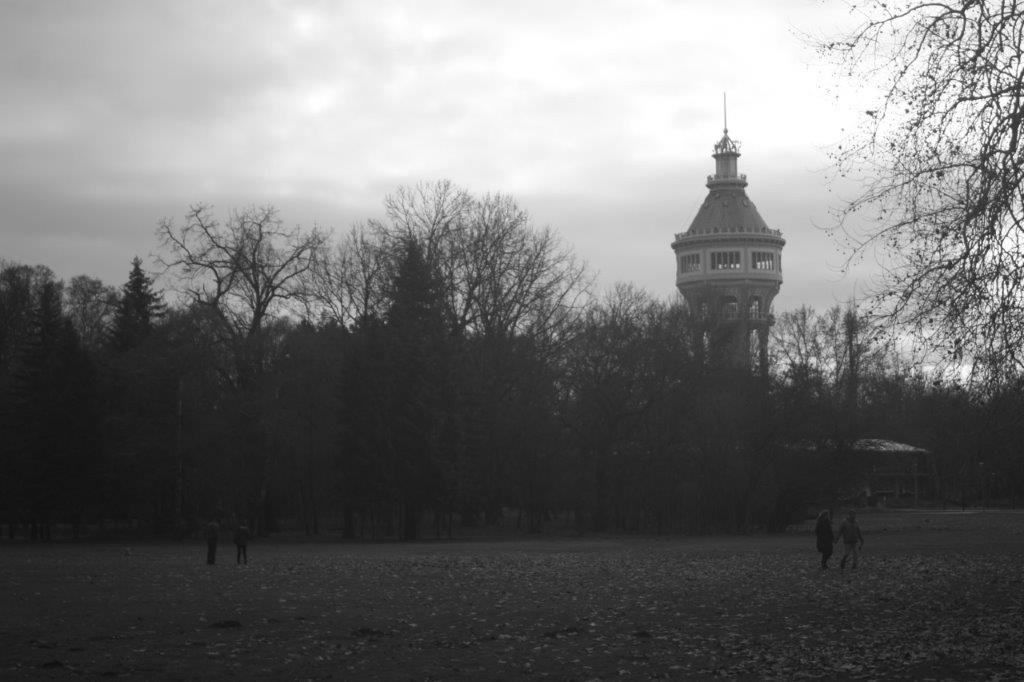
DAILY PHOTO: Scenes from Margit Island

BOOKS: “The Art of Writing” Trans. / Ed. by Tony Barnstone and Chou Ping

The Art of Writing: Teachings of the Chinese MastersThe Art of Writing: Teachings of the Chinese Masters by Tony Barnstone
My rating: 5 of 5 stars

Publisher Website

This thin volume is packed with insights on writing — especially, but not exclusively, poetry. It consists of four chapters. The first two are the ars poetica of Lu Ji and Sikong Tu, respectively (i.e. The Art of Writing and The Twenty-Four Styles of Poetry.) The second half of the book consists of two chapters of collected sayings and poetry commentary excerpts.

I haven’t read a book so dense with quotable lines in a while. Some of the advice offered is universal and timeless (e.g. avoid cliches and read voraciously,) but some of it reflects a uniquely Chinese perspective rooted in Taoist and Zen sentiments (e.g. how to use wu wei [effortlessness] in one’s writing and so forth.)

There is a preface and each of the sections has its own editorial opening, but these never feel like padding (which often happens with books that come out to less than a hundred pages of content.) Instead, this ancillary material is concise and helps to offer historic and cultural context.

I’d highly recommend this book for writers and those interested in Eastern aesthetics and literature. That said, you don’t necessarily have to be interested in both. Any writer could pick up some beneficial tips while reading this book, and it’s compact, highly readable, and even humorous in places.

View all my reviews

“Leda and the Swan” by William Butler Yeats [w/ Audio]

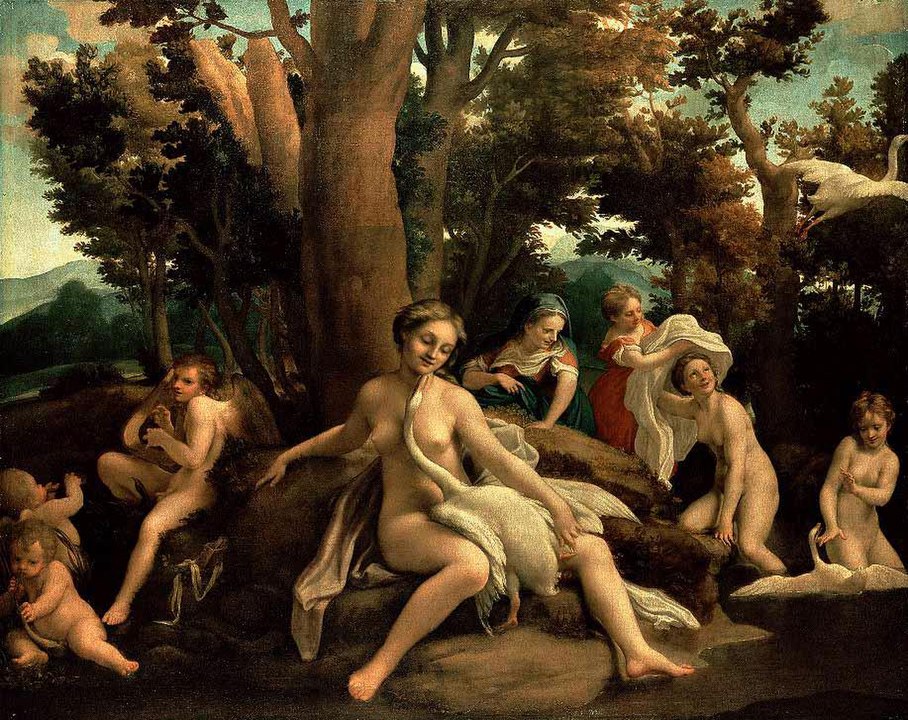
Correggio’s Leda and the Swan (1532)
A sudden blow: the great wings beating still
Above the staggering girl, her thighs caressed
By the dark webs, her nape caught in his bill,
He holds her helpless breast upon his breast.

How can those terrified vague fingers push
The feathered glory from her loosening thighs?
And how can body, laid in that white rush,
But feel the strange heart beating where it lies?

A shudder in the loins engenders there
The broken wall, the burning roof and tower
And Agamemnon dead.
Being so caught up,
So mastered by the brute blood of the air,
Did she put on his knowledge with his power
Before the indifferent beak could let her drop?

Flower Fall [Haiku]

rain-laden blossom
falls… lands with a sound,
in the mud.