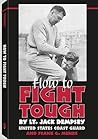
BOOKS: “How to Fight Tough” by Jack Dempsey

How to Fight ToughHow to Fight Tough by Jack Dempsey
My rating: 5 of 5 stars

Read online at Archive.org

This book was put out by the Coast Guard during World War II as a commando fighting manual. The lead on the project was heavyweight boxing champion Jack Dempsey, aided by a small team of others — all with varied bona fides in Combatives.

This is a fun book to read. It’s loaded with 1940’s slang, over-the-top reminders to fight tough and mean, and jokes that — while dated — still amuse with their quirky language. Seriously, the voice in my head was playing in Trans-Atlantic dialect (1940’s radio announcer voice) or as James Cagney playing a gangster the whole time I was reading this book.

That said, while the text was campy, the actual techniques are solid. The book consists of eighteen lessons that are built on well-established grappling and submission techniques such as hadaka jime (rear naked choke.) Also, while there is often only one (or — at most — a few) photos per technique, they seemed to put some effort into doing them conscientiously. (And they are almost full-page shots, so one can actually see a bit of detail.) The techniques include: unarmed v. various unarmed attacks, unarmed v. knife, unarmed v. gun (holstered, and front and rear approaches,) and unarmed v. bayonet.

I’d highly recommend reading this book. It’s a quick and amusing read with some useful techniques inside.

View all my reviews

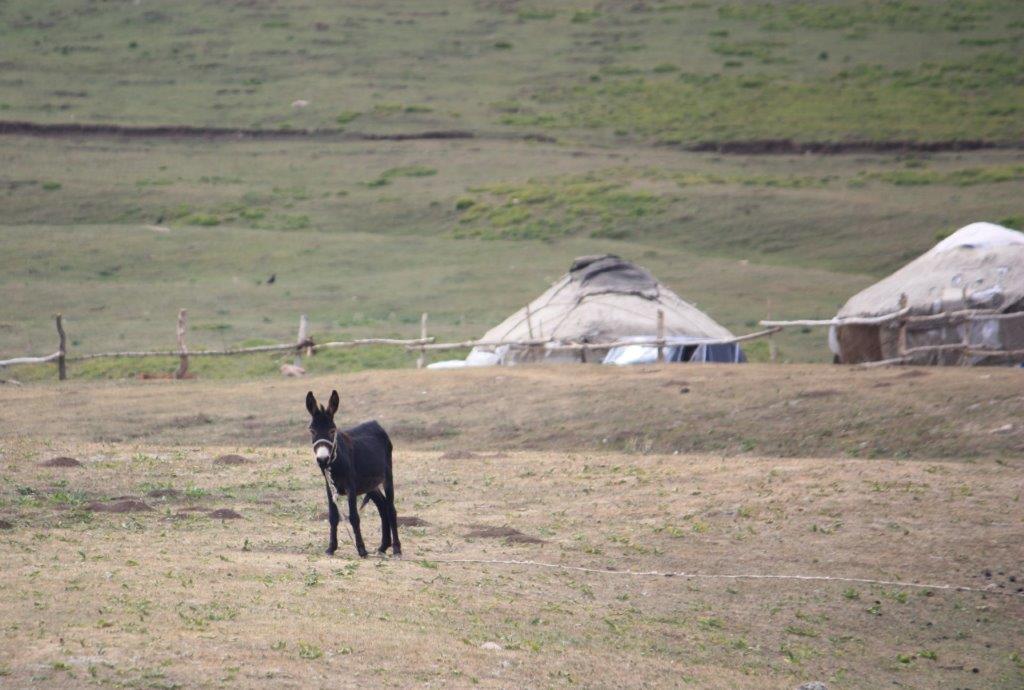
Donkey [Lyric Poem]

The Donkey 's known to be a stubborn beast,
But when one won't move - maybe wheels weren't greased.
I've seen angry humans push, pull, and tug,
But never give a peptalk or a hug.

DAILY PHOTO: Burana Minaret, Kyrgyzstan

Originally built in the 11th Century, Burana was almost twice as high (45m to the current 25m,) but was damaged in an earthquake.

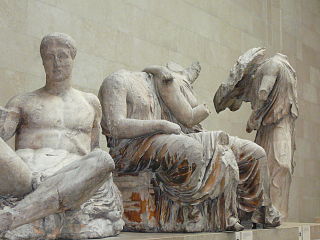
“On Seeing the Elgin Marbles” by John Keats [w/ Audio]

My spirit is too weak -- mortality
Weighs heavily on me like unwilling sleep,
And each imagined pinnacle and steep
Of godlike hardship tells me I must die
Like a sick eagle looking at the sky.
Yet 'tis a gentle luxury to weep
That I have not the cloudy winds to keep
Fresh for the opening of the morning's eye.
Such dim-conceived glories of the brain
Bring round the heart an undescribable feud;
So do these wonders a most dizzy pain,
That mingles Grecian grandeur with the rude
Wasting of old time--with a billowy main --
A sun--a shadow of a magnitude.

Idle Fishing [Haiku]

a fisherman
casts his line while leaning
his back to a tree.

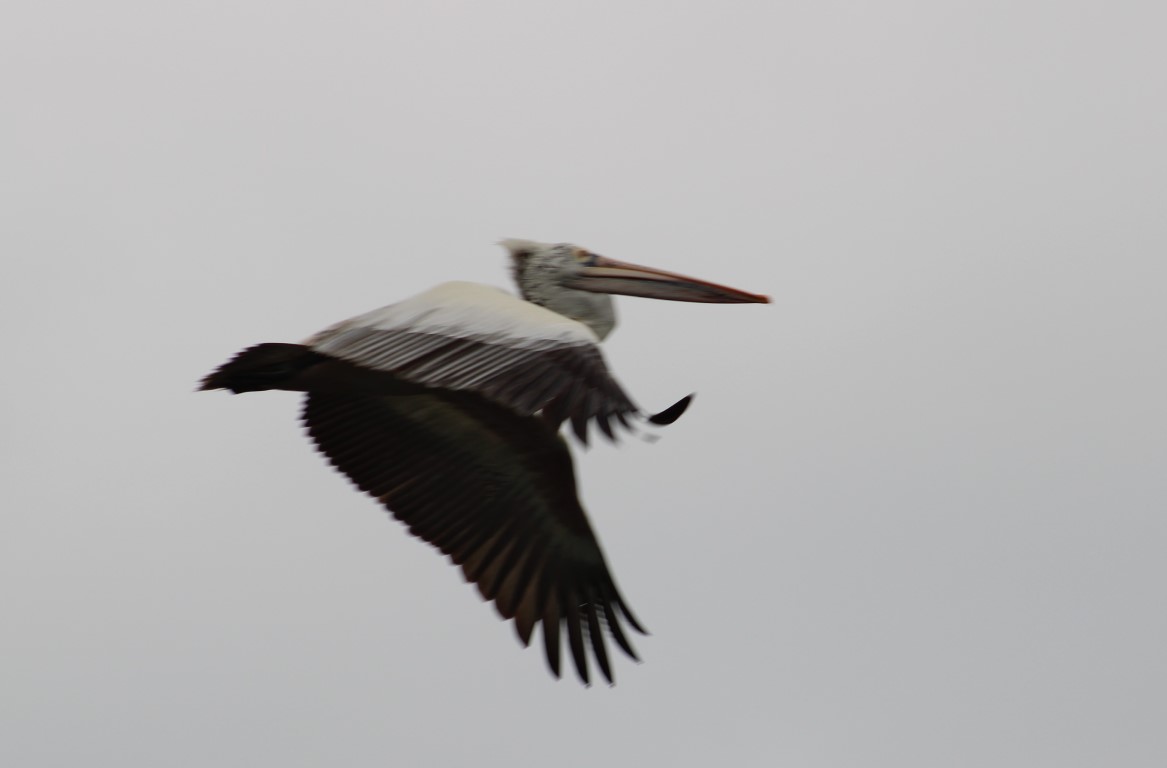
Pelican [Lyric Poem]

The Pelican, when it has formed a group,
Is said to be a squadron, pouch, or scoop.
I find that naming scheme quite puzzling;
Isn't its "pouch" where it keeps soup for guzzling?

DAILY PHOTO: Sunning Croc

Image

BOOKS: “American Intellectual History: A Very Short Introduction” by Jennifer Ratner-Rosenhagen

American Intellectual History: A Very Short Introduction (Very Short Introductions)American Intellectual History: A Very Short Introduction by Jennifer Ratner-Rosenhagen


Publisher Site – OUP

This is a brief guide to the philosophies and major developments in United States’ academia from pre-colonial times to the 1990’s. But both of those end points require a bit of clarification. The discussion of pre-colonial scholarly history is largely a mea culpa for beginning with colonial history because Native American tribes weren’t big on recording their philosophical and other scholastic ideas in writing. There is an appendix that discusses America scholarship in the era of globalization (and beyond.) My point is that if you’re hoping for discussion of what’s happened in the last couple decades, you won’t find it herein. (There are a few bibliographic references from the 2010’s, but that’s it.) It is a history book, but some readers may be curious because there’s been a lot of talk of late about issues related to scholarship in America.

Overall, I believe the book covered the topic solidly. There is considerable discussion of the debates triggered by the ideas of Charles Darwin arriving on American shores. As one would expect, there is also quite a bit of discussion of Transcendentalism and Pragmatism, two philosophies closely associated with America. The author covered a wide swath of ground including both progressive and conservative thinkers and viewpoints. One conspicuous absence was any mention of Objectivism / Ayn Rand. I know that isn’t a popular topic in academic circles and is widely dismissed with contempt, but on the grounds of: a.) Objectivism’s considerable influence (e.g. we had a Federal Reserve Chairman – Alan Greenspan – who served almost 20 years under both Republican and Democratic Presidents who was from that school of thought,) b.) its distinctive Americanness, I’m shocked that it didn’t merit at least a sentence or any mention of a book in the bibliography.

All in all, it’s an interesting book that offers unique insight into the history of the United States.

View all my reviews

“To fight aloud is very brave –” (138) by Emily Dickinson [w/ Audio]

To fight aloud, is very brave --
But gallanter, I know
Who charge within the bosom
The Calvary of Wo --

Who win, and nations do not see --
Who fall -- and none observe --
Whose dying eyes, no Country
Regards with patriot love --

We trust, in plumed procession
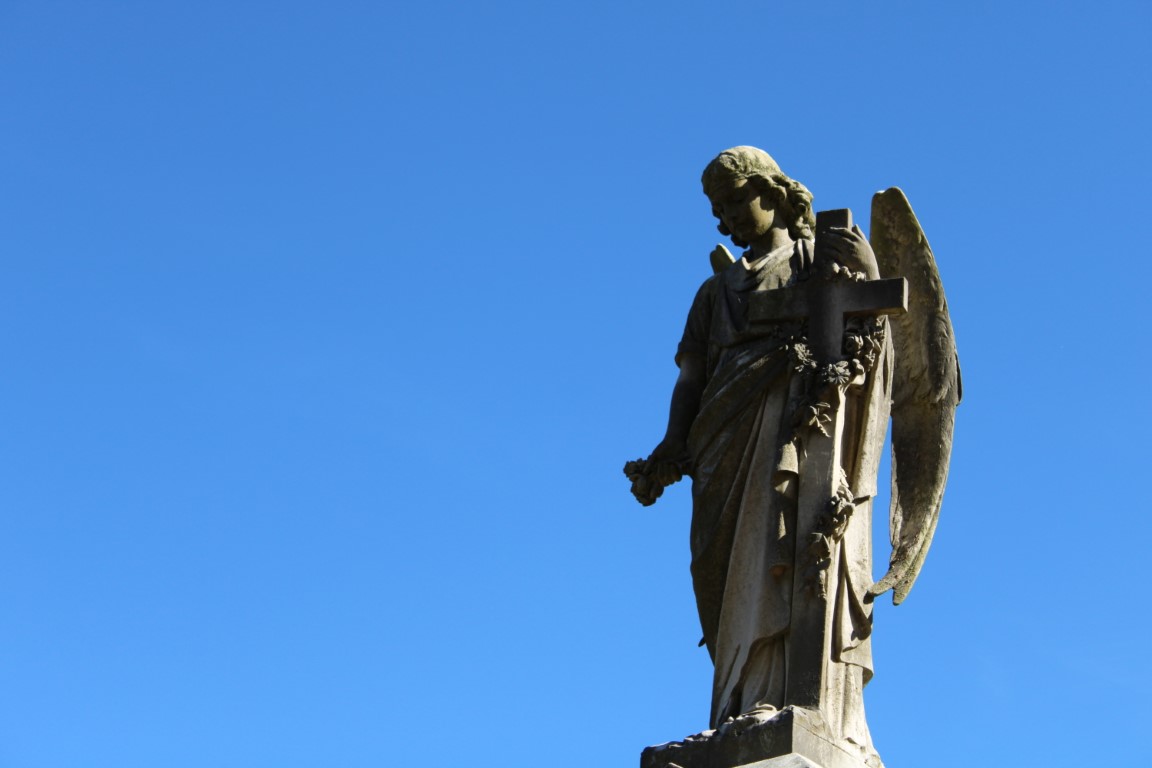
For such, the Angels go --
Rank after Rank, with even feet --
And Uniforms of snow.

Unsettled [Haiku]

a butterfly
lurches flower to flower;
never settling.