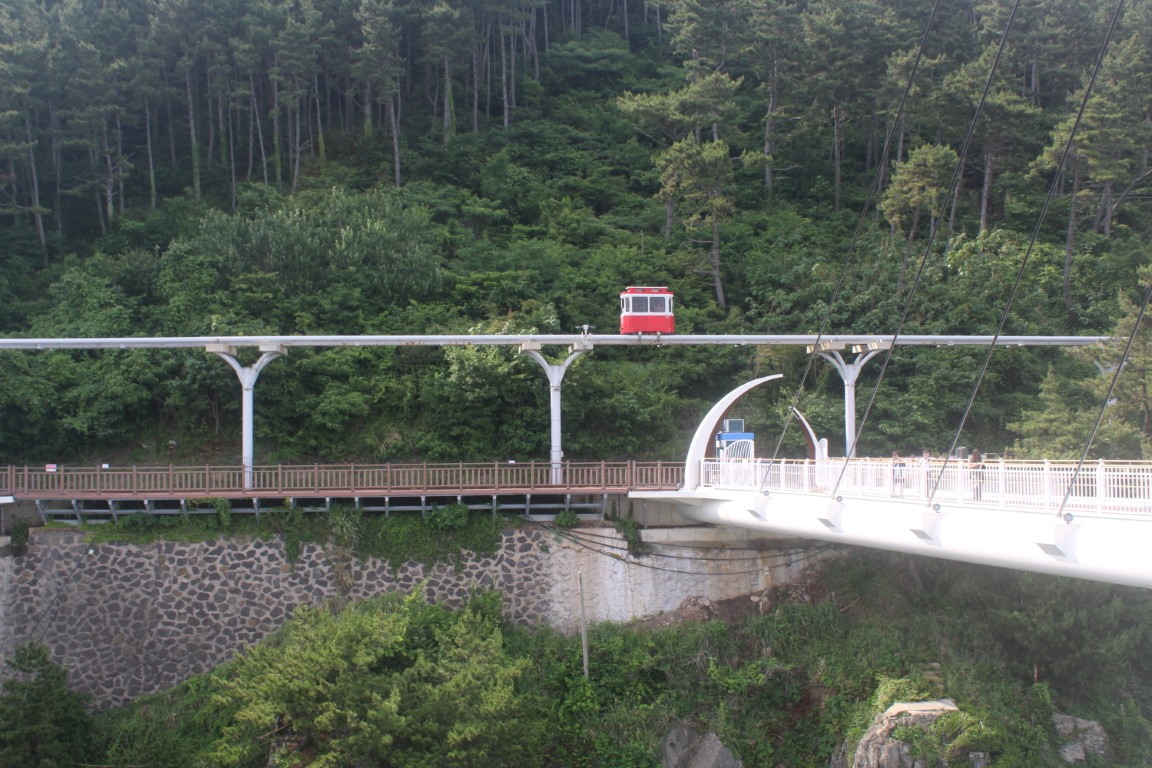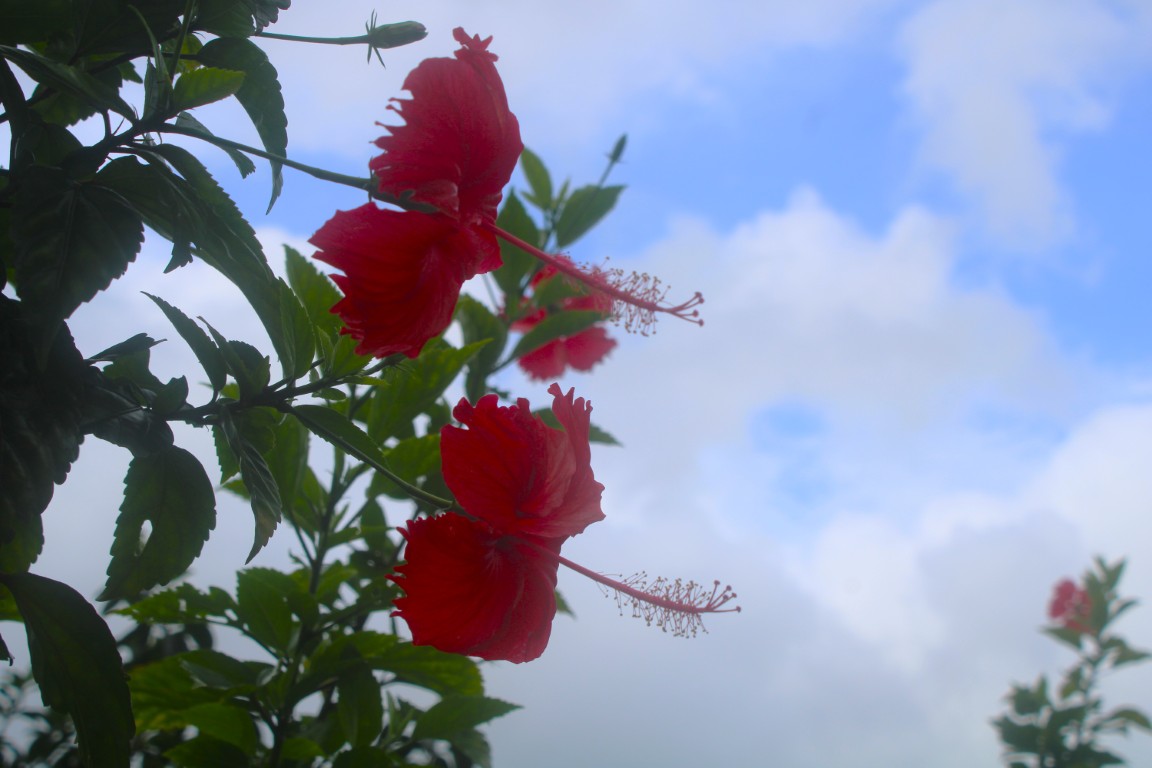
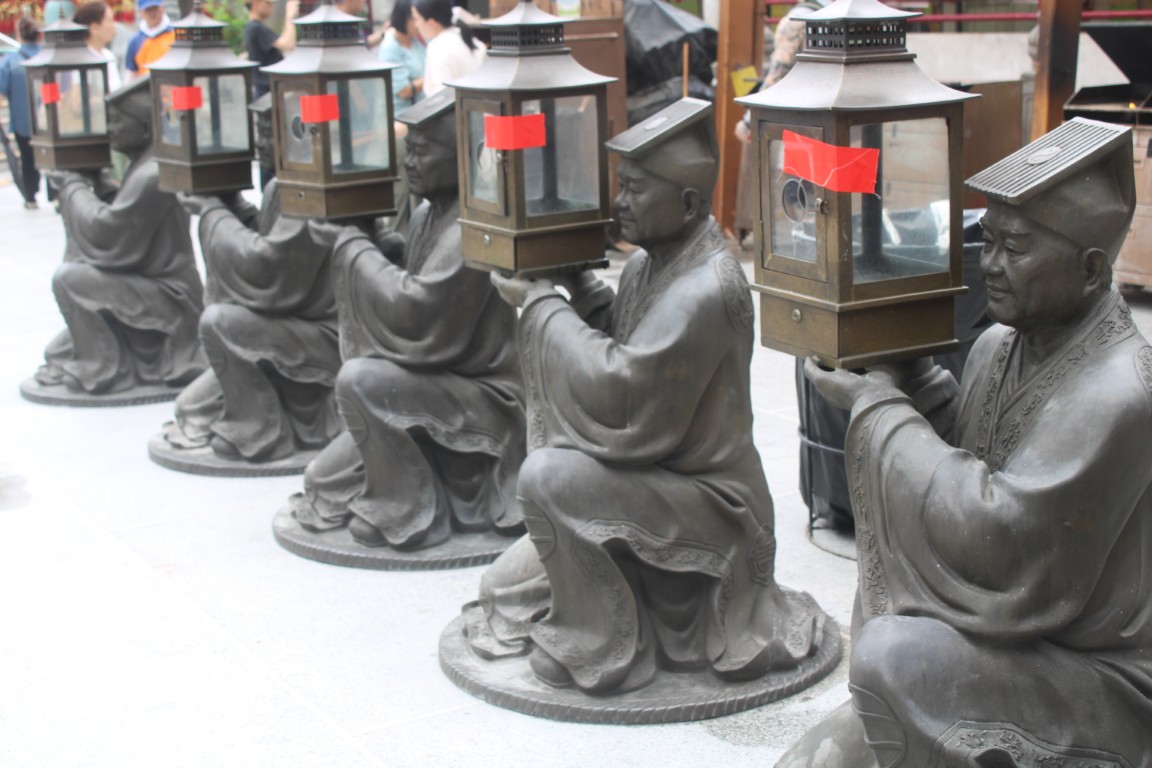
mountain forest trail:
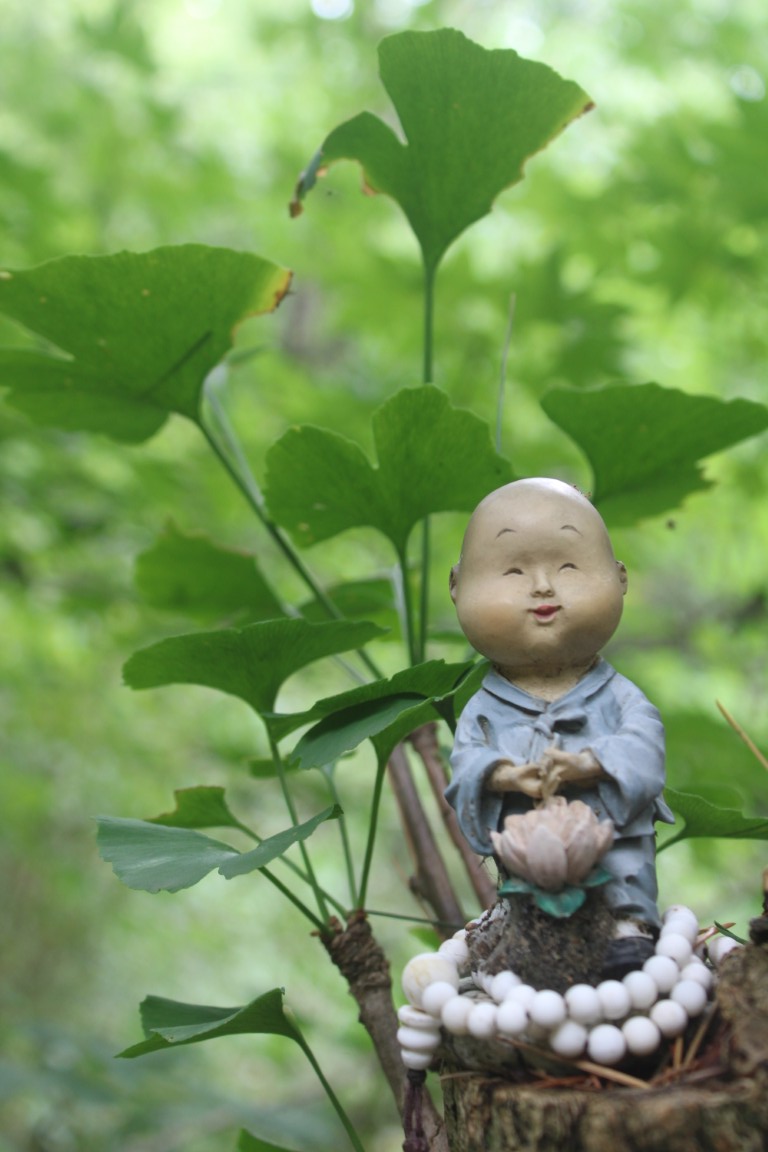
 cherubic figurine
  cheers weary hikers.
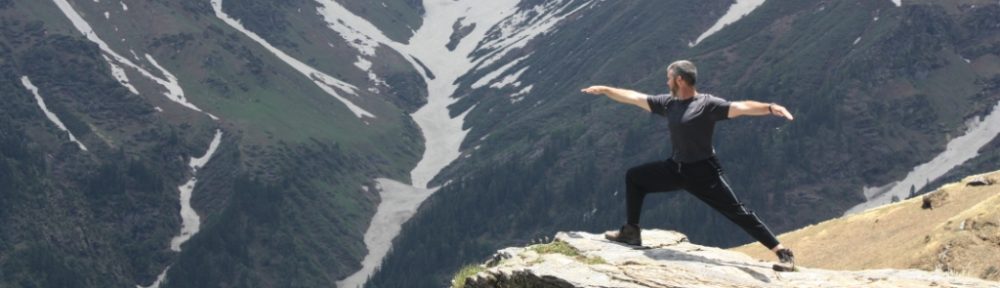
mountain forest trail:
cherubic figurine
cheers weary hikers.
I walk the narrow path,
   Clogs divoting the moss.
 White clouds over the shore;
   Gate obscured by Spring grass.
 Post-rain, I see the pines,
   Follow stream to its source.
 Flower-mind, then Zen Mind --
   Arrived! Words have no force.
This is poem #136 of the 300 Tang Poems [唐诗三百首.] The original in Simplified Chinese goes:
一路经行处, 莓苔见屐痕。
白云依静渚, 春草闭闲门。
过雨看松色, 随山到水源。
溪花与禅意, 相对亦忘言。
I once got a masala cookie beside my coffee at a cafe that took itself way too seriously. What’s a masala cookie, you might ask? It’s treachery, I say. It sits on a plate pretending to be a delightful sugar cookie, but without sugar or sweetness of any kind — just salt and a spice mixture. It was supposed to bring out the notes of cherry, chocolate, and… Blah, Blah, Blah. You know what would bring out the notes of chocolate in the coffee, some fucking chocolate in the cookie — that’s what. You can’t just impersonate a cookie and expect anyone to tolerate that level of betrayal. I certainly don’t want to live in such a world. That’s it, the only offense of recent years that I haven’t gotten over. A few years after it happened, I walked by that place and saw that the cafe had gone out of business, replaced by a Hello Kitty phone-case store. Good! I hope the owner and staff have moved on, putting their liberal arts graduate degrees to good use, teaching at community colleges as they should, rather than terrorizing the public with pseudo-cookies to make their overpriced coffee seem more of a bargain. I’ll end my rant here to go sit with my trauma.
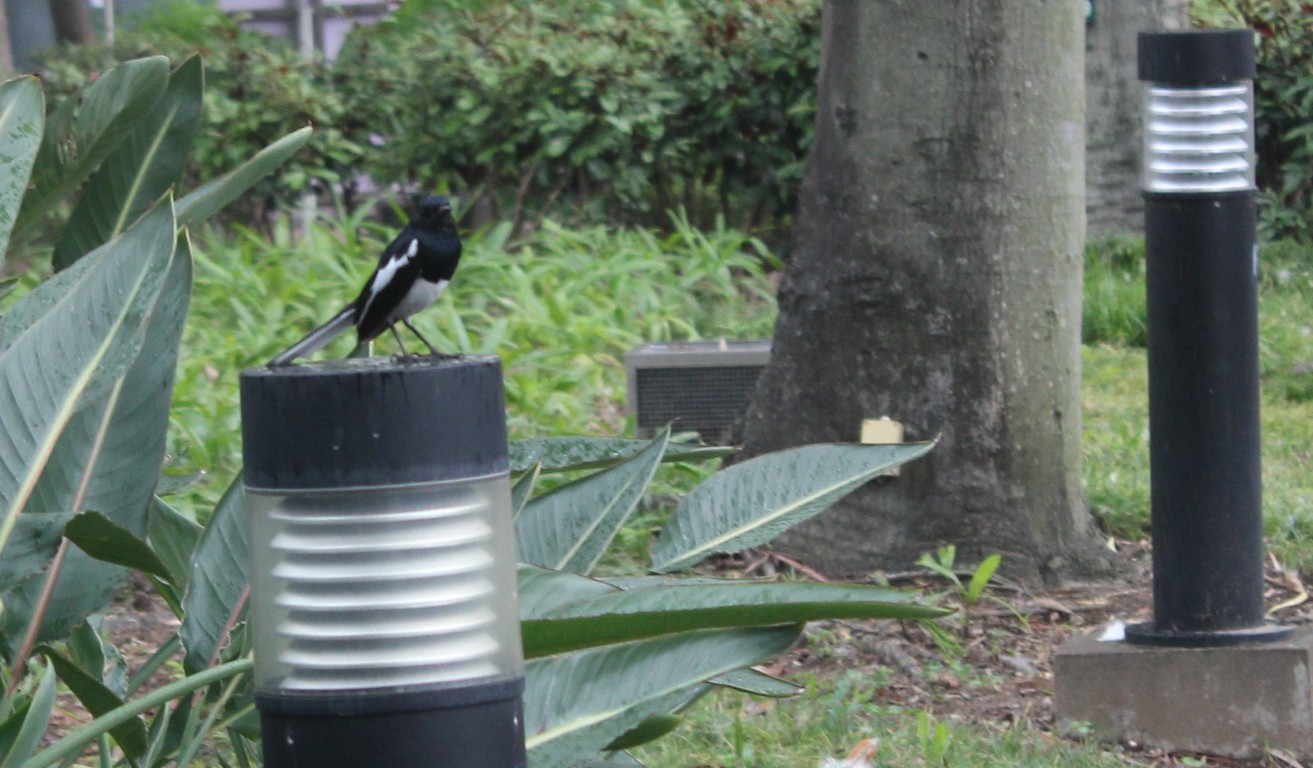
sidewalk amblers
 pass within inches
  of unruffled magpie.
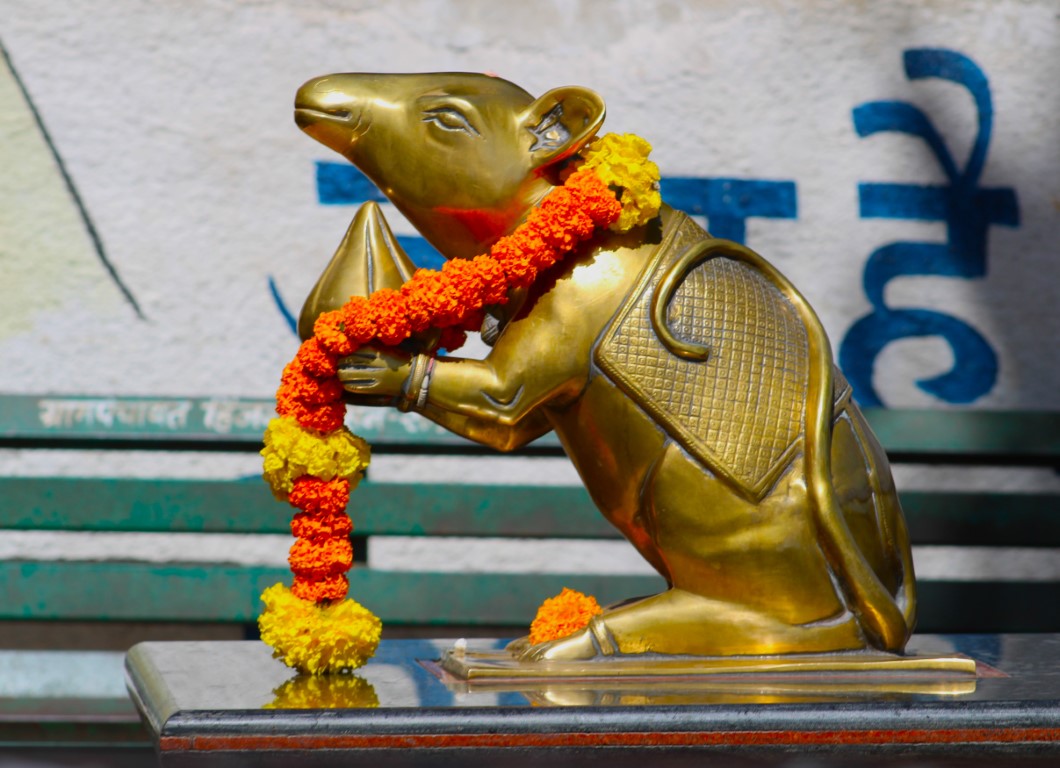
Who knows this or that?
 Hark in the wall to the rat:
 Since the world was, he has gnawed;
 Of his wisdom, of his fraud
 What dost thou know?
 In the wretched little beast
 Is life and heart,
 Child and parent,
 Not without relation
 To fruitful field and sun and moon.
 What art thou? His wicked eye
 Is cruel to thy cruelty.
List 10 things you know to be absolutely certain.
1.) Nothing is permanent.
2.) The world is not what it seems.
3.) One’s subjective experience is not determined by the state of the world.
4.) Nobody grasps enough truth to be intolerant.
5.) Uncertainty is the root of all fear.
6.) Fear is the root of all hatred.
7.) Hatred is a subjective experience (See #3.) Also, uncertainty is the root of all hatred (by the transitive property,) hence the benefit of travel.
8.) Any who: a.) has suffered a string of hardships; b.) allows themselves to believe that some “other” is wholly responsible for said hardships; and c.) who lacks a sufficient sense of self-empowerment to avoid surrendering entirely to a group identity can (and likely will) become a Nazi (or the equivalent of their day.)
9.) No one can predict the future. [Regardless of how much we all love to try. (See #5.)]
10.) Entropy increases (ultimately, in a closed system.)
NOTE: I remain ready to abandon any certainty in the face of better information.

Summer night:
 bell pavilion - silent,
  but for cricket chirp.