In this short Life that only lasts an hour
   How much - how little - is within our power

In this short Life that only lasts an hour
How much - how little - is within our power
To surrender to my ignorance. If one can never know exactly what game one is playing, it becomes much easier to avoid getting worked up about whether one is playing it right or whether one will “win” or not.
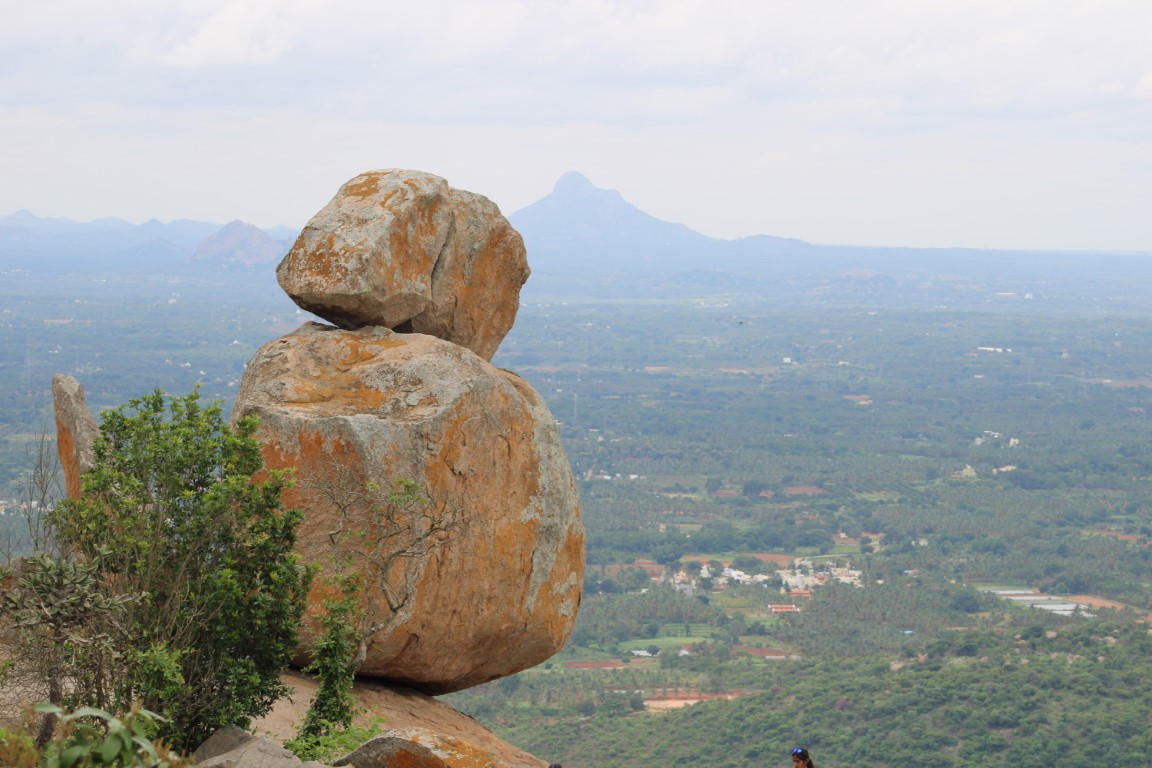
Boulders, precariously perched
   on the edge of a precipice.

Do the residents
   of the huts
     down the mountain
   ever think of that boulder?

Maybe they thought not being
   directly under it would keep
   them safe, but what bounce
   might a boulder take --
      freefalling, tumbling, hitting
      outcrops, sliding on scree,
      cracking to fragments,
      being not spherical in the least,
      and so on?

My guess is that they never think
    about it... or think about it
    every minute.

And in some moment when
   they aren't thinking of it...
      SPLAT!

rain strike seen
 in ripples on the pond
  before felt on skin.
Something there is that doesn't love a wall,
  That sends the frozen-ground-swell under it,
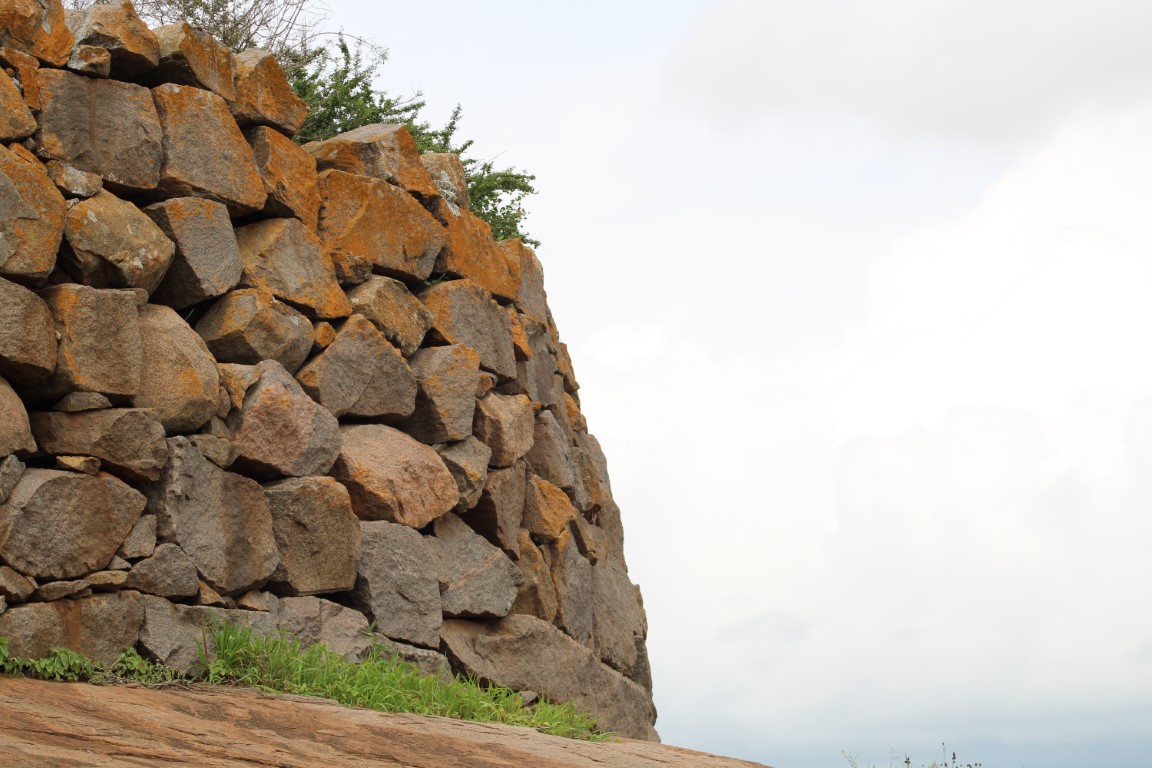
  And spills the upper boulders in the sun;
  And makes gaps even two can pass abreast.
The work of hunters is another thing:
  I have come after them and made repair
  Where they have left not one stone on a stone,
  But they would have the rabbit out of hiding,
  To please the yelping dogs. The gaps I mean,
  No one has seen them made or heard them made,
  But at spring mending-time we find them there.
 I let my neighbor know beyond the hill;
  And on a day we meet to walk the line
  And set the wall between us once again.
 We keep the wall between us as we go.
 To each the boulders that have fallen to each.
 And some are loaves and some so nearly balls
  We have to use a spell to make them balance:
  'Stay where you are until our backs are turned!'
  We wear our fingers rough with handling them.
 Oh, just another kind of out-door game,
  One on a side. It comes to little more:
  There where it is we do not need the wall:
  He is all pine and I am apple orchard.
 My apple trees will never get across
  And eat the cones under his pines, I tell him.
 He only says, 'Good fences make good neighbors.'
 Spring is the mischief in me, and I wonder
  If I could put a notion in his head:
  'Why do they make good neighbors? Isn't it
  Where there are cows? But here there are no cows.
 Before I built a wall I'd ask to know
  What I was walling in or walling out,
  And to whom I was like to give offense.
 Something there is that doesn't love a wall,
  That wants it down.' I could say 'Elves' to him,
  But it's not elves exactly, and I'd rather
  He said it for himself. I see him there
  Bringing a stone grasped firmly by the top
  In each hand, like an old-stone savage armed.
 He moves in darkness as it seems to me,
  Not of woods only and the shade of trees.
 He will not go behind his father's saying,
  And he likes having thought of it so well
  He says again, 'Good fences make good neighbors.'
The hot, molten core. Because it is hot, and molten… And because I am a fancy bag of water.
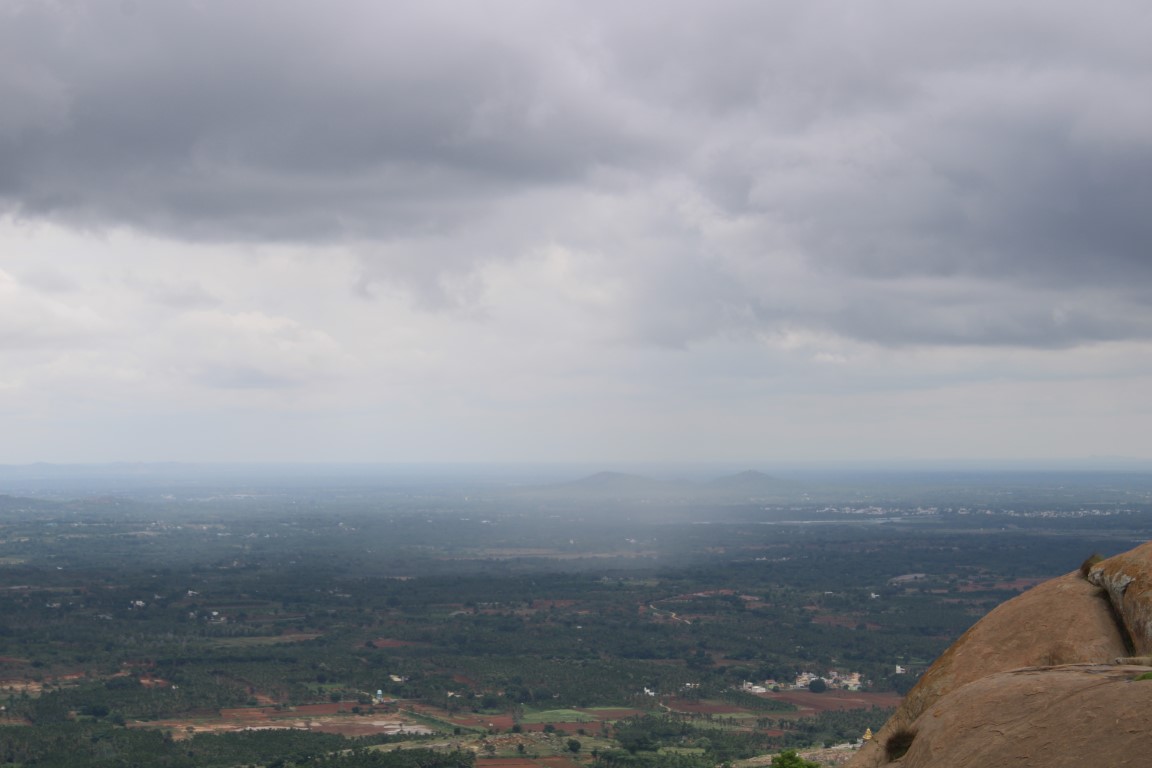
from the hilltop,
 Spring downpour creeps nearer;
  me, sans raingear.
 The Last Brother by Nathacha Appanah




 Tiger Riding for Beginners