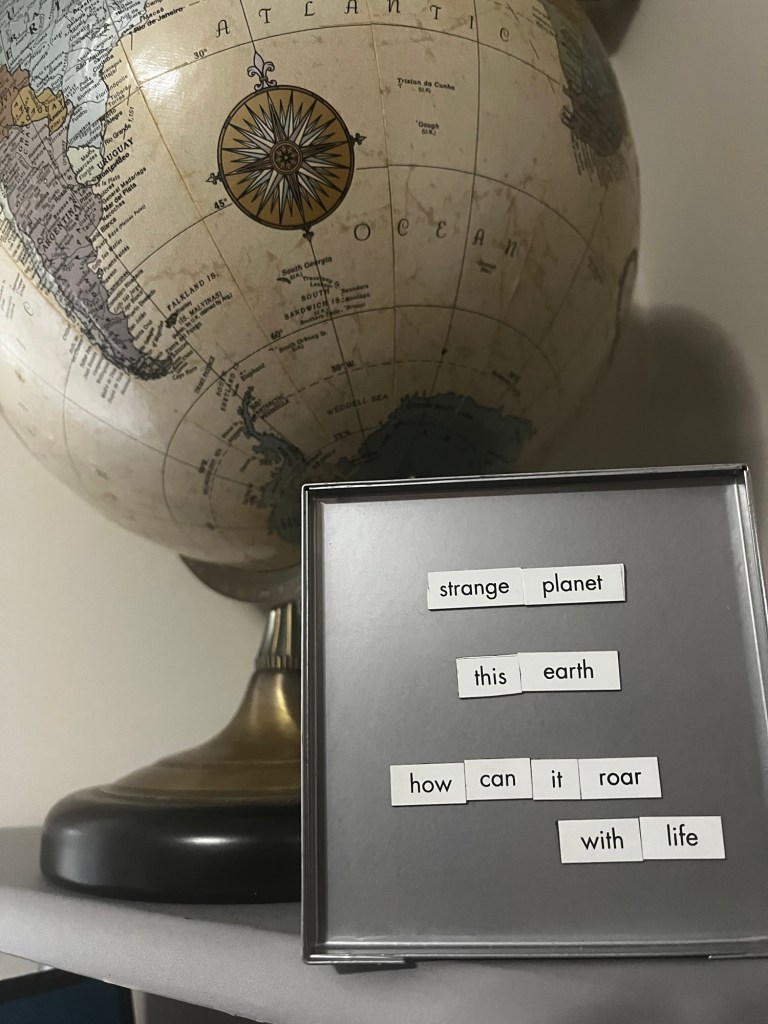
Strange Planet
Reply

I could happily live any number of places — e.g. several places in Southeast Asia, the Caucasus (particularly Georgia — though with language concerns,) Taiwan, and South America spring to mind. As long as it’s neither brutally hot / humid most of the time nor Winter more than three months a year (and isn’t pricey,) I can probably learn to love it.
I would point out that if this is a forever and always deal, I’m not in. I don’t want to / plan to live any particular place for the rest of my life.
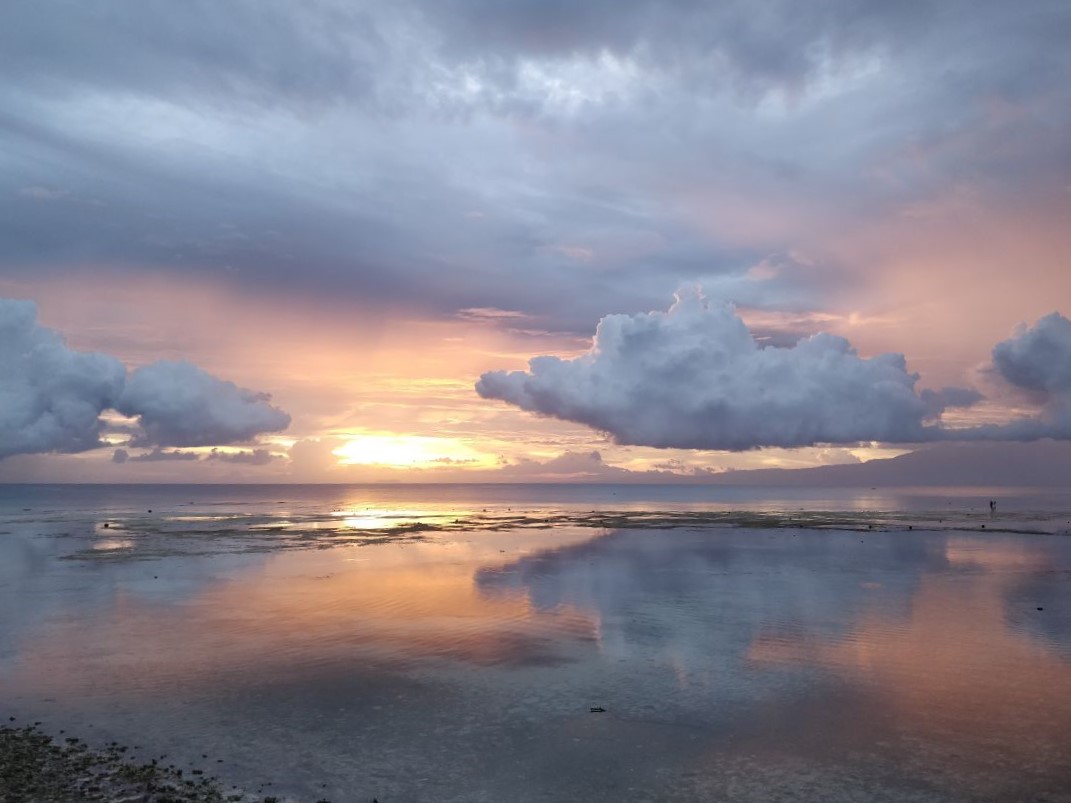
Every once in a while,
    you see a sight
    that makes you say,

"This cannot be
    the world I know!"
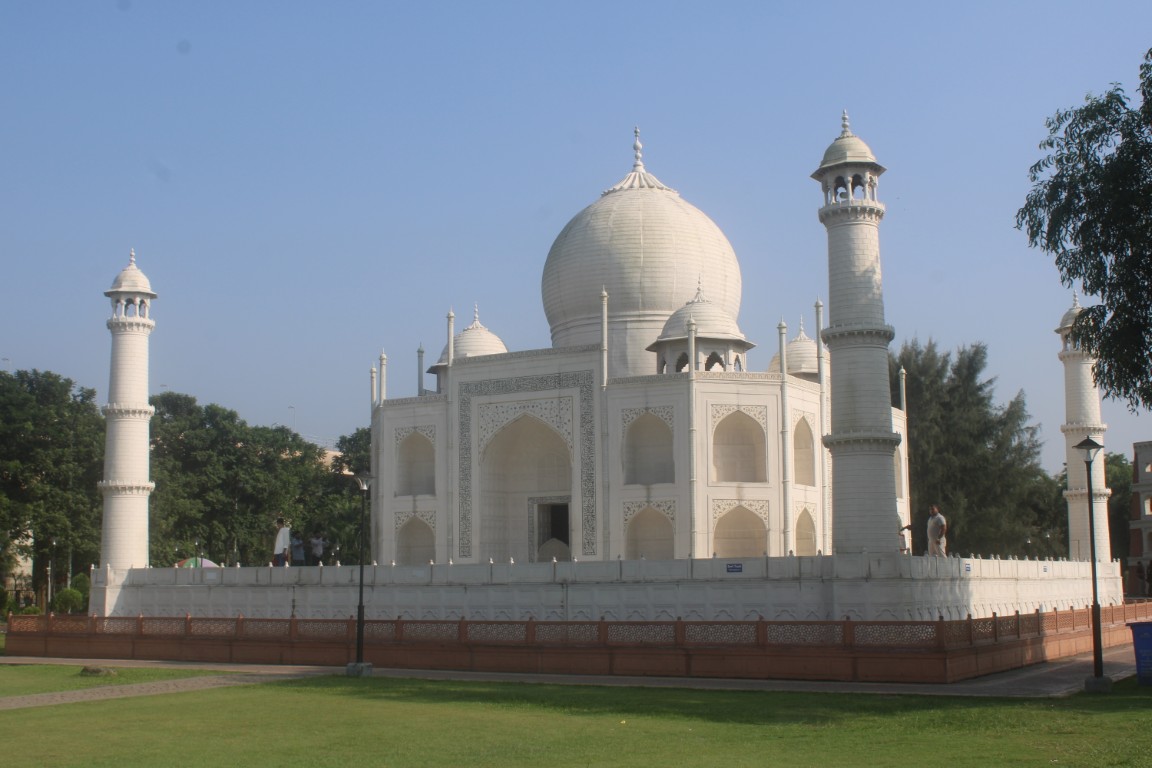
Here lies the body of this world,
 Whose soul alas to hell is hurled.
 This golden youth long since was past,
 Its silver manhood went as fast,
 An iron age drew on at last;
 'Tis vain its character to tell,
 The several fates which it befell,
 What year it died, when 'twill arise,
 We only know that here it lies.
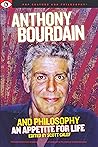 Anthony Bourdain and Philosophy by Calef Scott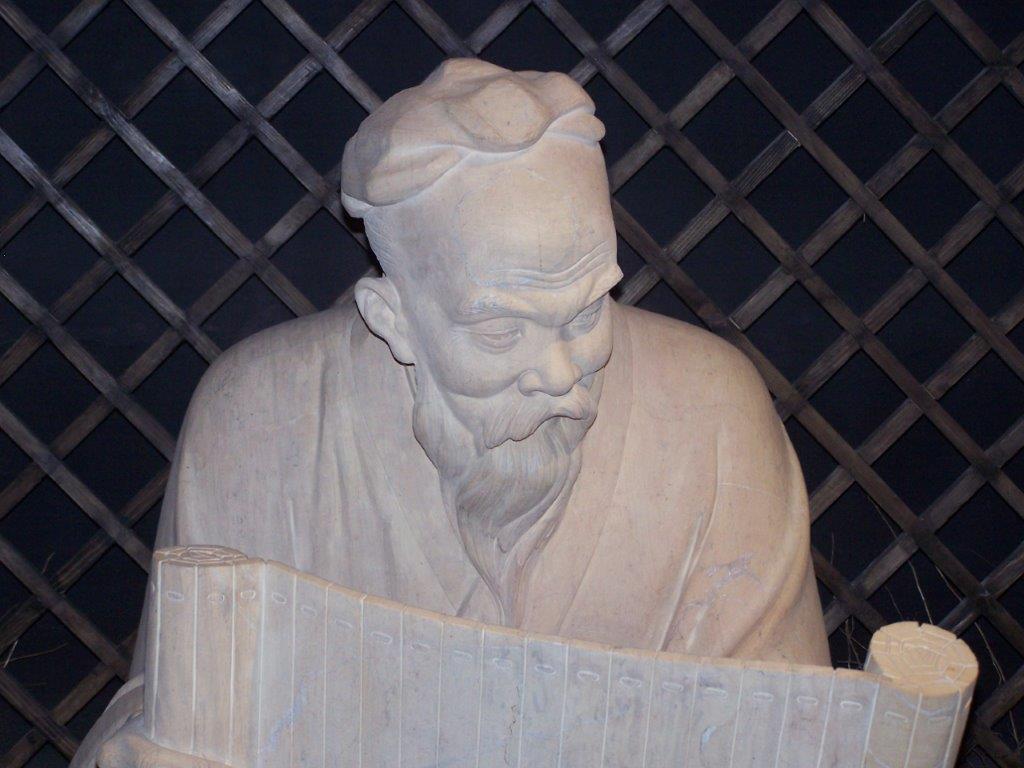
The scholar sits, contemplating
the world's perfect order,
but finds that "perfect" is a stretch.
"It's close to the border
between Disorder and Chaos.
mere miles from the junction
of Great Malady and Mayhem
deep within Dysfunction."
 Around the World in 80 Books by David Damrosch
6.) Thor & Loki in the Land of Giants (Norse): There’s no shame in putting a mere dent in the impossible.
5.) Rama & Sita (Hindu / from the Ramayana): Careful with your assumptions. You may end up looking like a jerk even if you’ve proven yourself generally virtuous.
4.) Anansi the Trickster (Ghanan / Akan): Don’t do favors for tricksters.
3.) Arachne the Weaver (Greek): Don’t be arrogant, even if you’re the best.
2.) Izanagi & Izanami (Japanese [creation myth]): Hell hath no fury…
1.) White Buffalo Calf Woman (Native American / Lakotan): Don’t let your lust get away from you and be careful in your assumptions.
Reading translated novels is a good way to gain insight into the culture and history of a country in a way that is both entertaining and that exposes the deep nuances of national character. I’ve selected works that both highlight aspects of culture and / or history and that are pleasant reading–some are humorous and others are adventures, but none are drudgery. (Includes two Nobel Prize winners and one guy who gets nominated every year only to have the prize handed to folk-rock musicians or the like.)
[The hyperlinks go to my review of said book in GoodReads.]
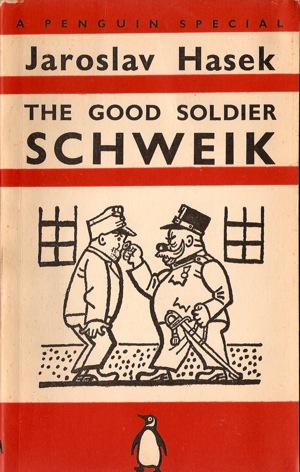
1.) The Good Soldier Švejk by Jaroslav Hašek (Czech): The lead character in this farcical comedy is a bumbling, but likable, idiot who is drawn into military service. The book highlights the fact that in times of war the greatest acts of idiocy are not perpetrated by greatest idiots.
2.) After Dark by Haruki Murakami (Japan): One can’t go wrong with Murakami. I almost picked Norwegian Wood, which is more a work of realist literary fiction, but this novel about what happens when the trains stop running in Tokyo may shed a little more light on Japan. (anti-pun not intended.)

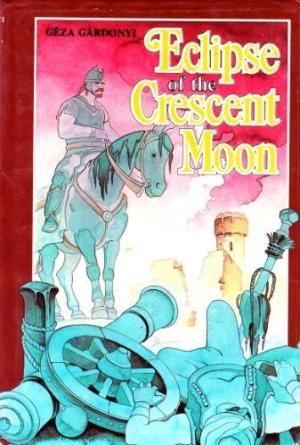
3.) Eclipse of the Crescent Moon by Géza Gárdonyi (Hungary): The story of how a small Hungarian castle village held out against a siege by the Ottoman juggernaut.
4.) Death in the Andes by Mario Vargas Llosa (Peru): When three men disappear from a small mining village in the Andes, the Army sends a Corporal and his deputy to investigate.

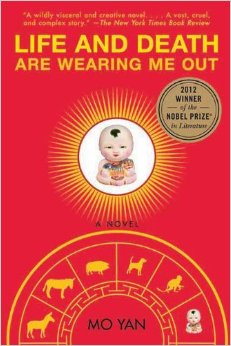
5.) Life and Death are Wearing Me Out by Mo Yan (China): A wealthy land owner is executed during the Communist revolution and must live out several lives as various animals in the service of the family of his [former] beloved hired-hand. The books shows the generational change between when China first became Communist through the reform period that led to a more market-friendly approach.