PROMPT: Chaos

Daily writing prompt
Is a little chaos actually good for us?

A little of every kind of stressor is good for us. A human is a system of antifragile systems. Our bones get denser if we load them. Our muscles get stronger when we cause microtears in them. And our minds can cope with a wider variety of experiences when exposed to a wider variety of experiences.

PROMPT: Lesson

Daily writing prompt
What’s a lesson you’ve learned recently that shifted your perspective?

Just because a message has merit does not mean there is benefit in its delivery. For example, telling a person who is on fire and mad with itching not to scratch or telling a person to not be a jackass when their core nature is jackass. Saying such things will not nudge the state of the world and can only release the puff of hot air that creates chaos — like Edward Lorenz’s proverbial butterfly in Brazil that causes a tornado in Texas.

Pristine Garden [Kyōka]

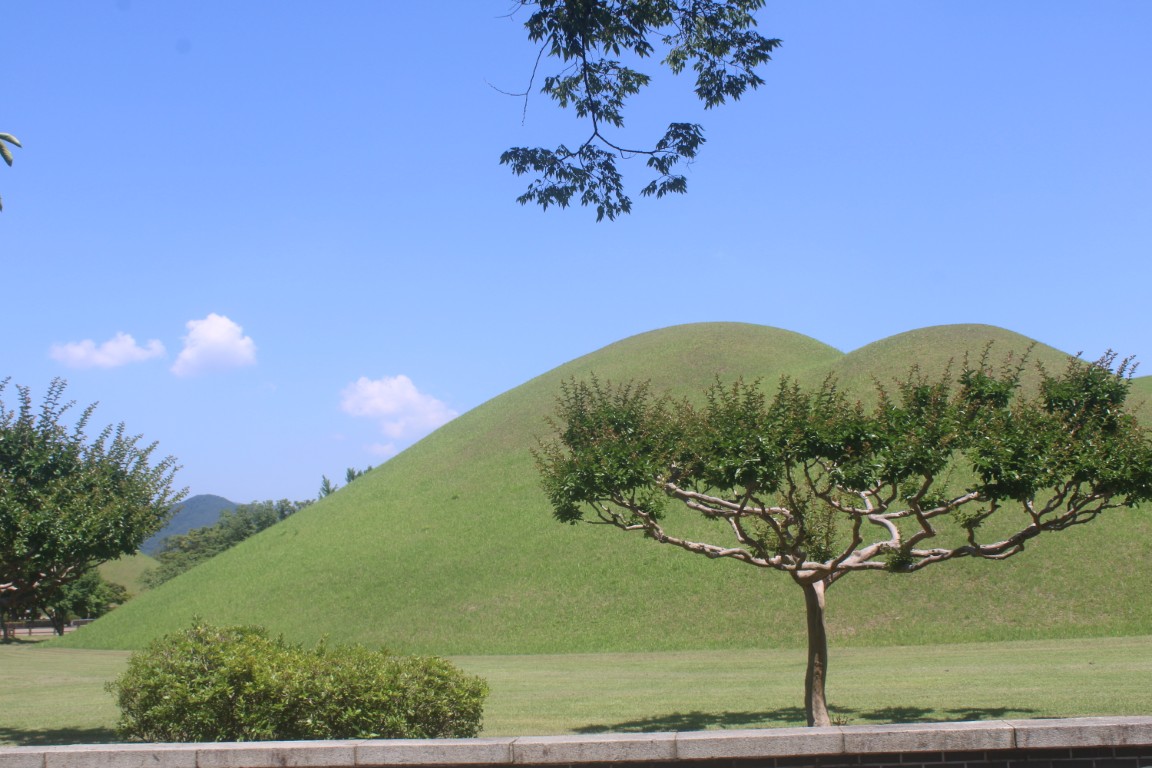
A photograph of gardens in the Daereungwon Tomb Complex in Gyeongju, South Korea.
Even in the 
pristine palace garden,
gardeners refuse
to chase one stray, wind-blown leaf
that tumblers over pavers.

Gods & Monsters [Free Verse]

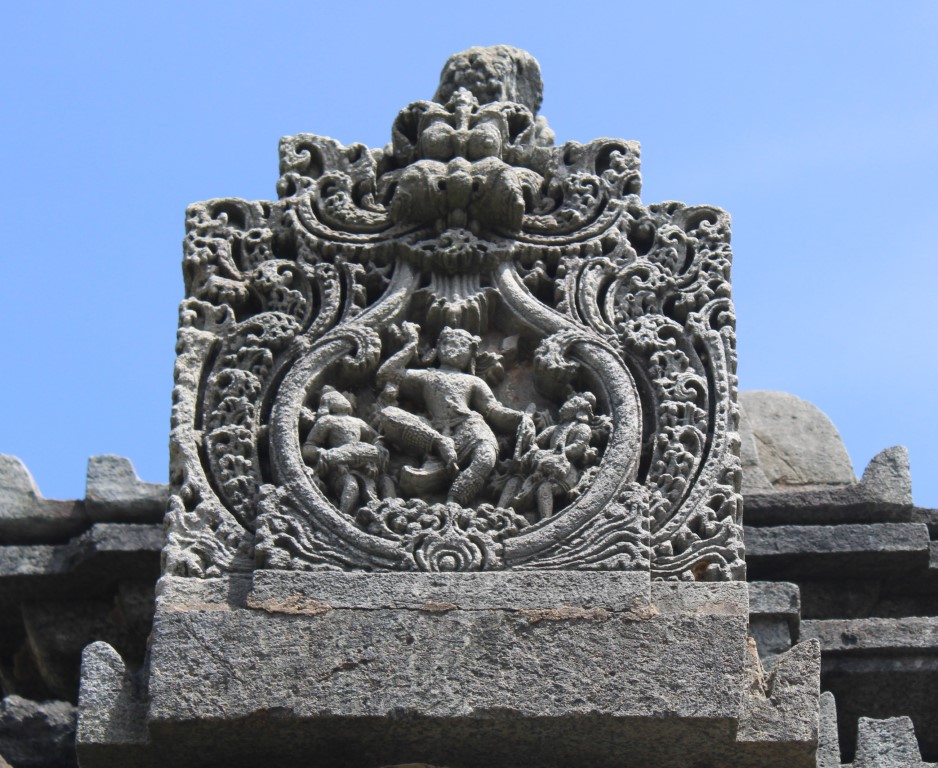
Photograph of an ornately carved stone block on Doddagaddavalli Lakshmi Devi Temple in Karnataka, India.
the lion wind blows.

all about is rippling chaos,
but for the goddess
who dances in the
furious center,
pausing on one foot
as the dust swirls
in angry spasms.

Ripple Chaos [Haiku]

raindrops ripple paddy water; 
wavelets wrap into grain stalks.

Crisis Arises [Free Verse]

Crisis arises
From the depths
Of intended perfection --
"Intended" because all
We can ever do is
Aim & release.
It is more an act of luck
To hit the bullseye
Than to miss.
Bullseyes don't occur because
Of a lack of adverse forces
At work.
They occur because of some
Fortuitous balancing
Of adverse forces.

Aesthete Levels [Free Verse]

       Anyone
can see beauty
in the flawless.

Artists
can see beauty
in the flawed.

Sages
can see beauty
in chaos.

Saint Chaos [Senryū]

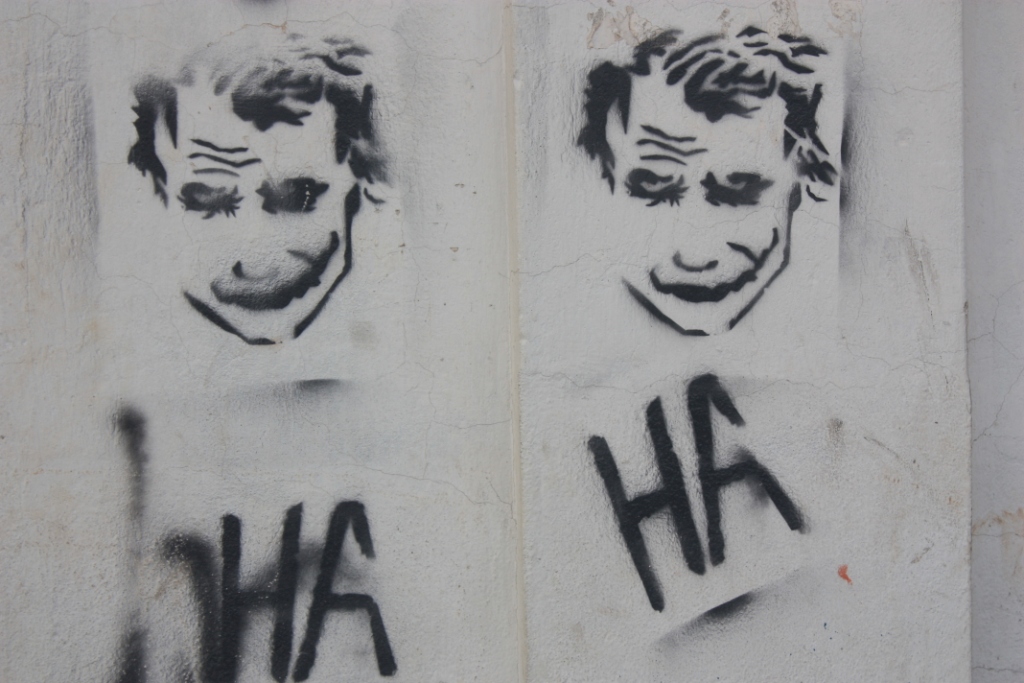
Kathmandu backstreet:
 at alley's end, grins Joker --
  global chaos face.

BOOK REVIEW: Introducing Chaos: A Graphic Guide by Ziauddin Sardar

Introducing Chaos: A Graphic Guide (Introducing...)Introducing Chaos: A Graphic Guide by Ziauddin Sardar
My rating: 5 of 5 stars

Amazon.in Page

This book provides a brief overview of the mathematical and scientific concept called “Chaos” (as opposed to the colloquial definition.) Chaos theory is most popularly associated with “the butterfly effect” in which small changes in initial conditions can result in large and / or unpredictable variations in outcome (e.g. the Houston butterfly that causes a typhoon in Hong Kong.) Chaos profoundly changed the landscape in many domains of science. Before Chaos, it was generally assumed that if one had a relatively simple model without random elements that one could make short work of developing predictions. Scientists working in Chaos discovered that this wasn’t necessarily the case, despite the intuitive appeal. In fact, one could have a relatively simple model without random elements that still resulted in irregular behaviors / outcomes.

Chaos overlaps with a number of subjects including the science of Complexity and Fractal Geometry. The book explores these connections, and gives the reader a basic understanding of how those subjects differ and what they share in common with Chaos. The book also draws examples from a number of different disciplines including meteorology, biology, city planning, etc. This is a beneficial way to broaden one’s understanding of this fundamentally interdisciplinary science.

I’ve read many titles in this series because they are available on Amazon Prime and provide readable overviews of subjects that are suitable for a neophyte reader. I found this to be one of the better titles in the series. I thought the author did a good job of explaining the concepts in clear, approachable language, aided by graphics. If you’re looking for a non-mathematical overview of Chaos theory, this is a fine book to consider.


View all my reviews

On Second Thought [Common Meter]

The scholar sits, contemplating
the world's perfect order,
but finds that "perfect" is a stretch.
"It's close to the border
between Disorder and Chaos.
mere miles from the junction
of Great Malady and Mayhem
deep within Dysfunction."