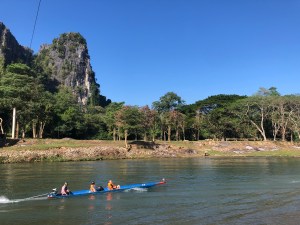
chugging upriver,
 past karst spires, the boaters’
  time seems to slow.

chugging upriver,
past karst spires, the boaters’
time seems to slow.
The earth expanding right hand and left
   hand,
 The picture alive, every part in its best light,
 The music falling in where it is wanted, and
   stopping where it is not wanted,
 The cheerful voice of the public road, the
   gay fresh sentiment of the road.

O highway I travel, do you say to me Do
   not leave me?
 Do you say Venture not--if you leave me
   you are lost?
 Do you say I am already prepared, I am
   well-beaten and undenied, adhere to me?

O public road, I say back I am not afraid to
   leave you, yet I love you,
 You express me better than I can express
   myself,
 You shall be more to me than my poem.

I think heroic deeds were all conceiv'd in the
   open air, and all free poems also,
 I think I could stop here myself and do
   miracles,
 I think whatever I shall meet on the road I
   shall like, and whoever beholds me shall
   like me,
 I think whoever I see must be happy.

There once was a wee Asian Weaver Ant
  Who lived on a big banana tree plant.
 When they cut down his tree, a problem arose,
  Moving to a rubber tree would be too on-the-nose.
You air that serves me with breath to speak!
 You objects that call from diffusion my
   meanings and give them shape!
 You light that wraps me and all things in
   delicate equable showers!
 You paths worn in the irregular hollows by
   the roadsides!
 I believe you are latent with unseen
   existences, you are so dear to me.

You flagg'd walks of the cities! you strong
   curbs at the edges!
 You ferries! you planks and posts of wharves!
   you timber-lined sides! you distant ships!

You rows of houses! you window-pierc'd
   façades! you roofs!
 You porches and entrances! you copings and
   iron guards!
 You windows whose transparent shells
   might expose so much!
 You doors and ascending steps! you arches!
 You gray stones of interminable pavements!
   you trodden crossings!
 From all that has touch'd you I believe you
   have imparted to yourselves, and now
   would impart the same secretly to me,
 From the living and the dead you have
   peopled your impassive surfaces, and the
   spirits thereof would be evident and
   amicable with me.
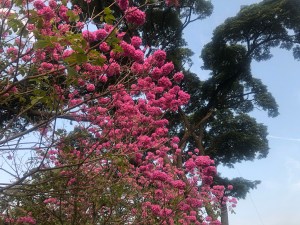
side-by-side trees:
 one bloom-laden; one with
  a few lingerers.
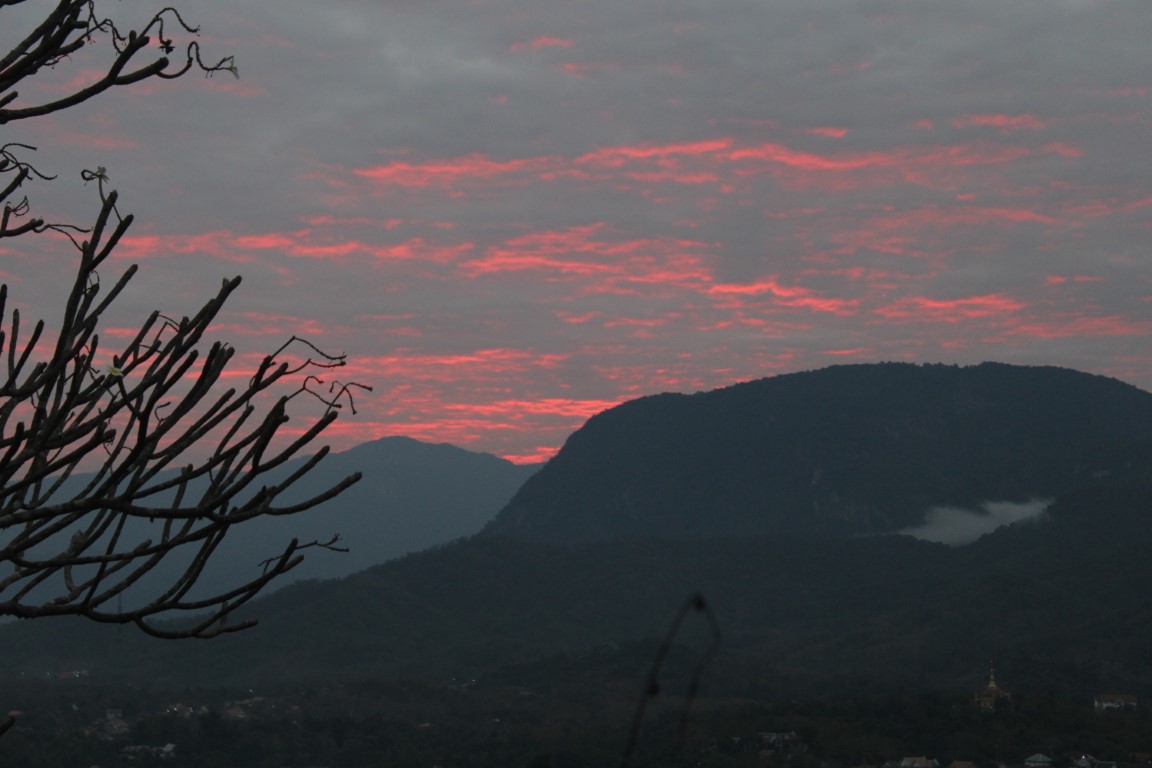
overcast dawn:
 cloud edges burn... briefly,
  then cool to gray.
You road I enter upon and look around, I
   believe you are not all that is here,
 I believe that much unseen is also here.

Here the profound lesson of reception, nor
   preference nor denial,
 The black with his wooly head, the felon,
   the diseas'd, the illiterate person, are not
   denied;
 The birth, the hasting after the physician,
   the beggar's tramp, the drunkard's stagger,
   the laughing party of mechanics,
 The escaped youth, the rich person's
   carriage, the fop, the eloping couple,

The early market-man, the hearse, the
   moving of furniture into the town, the
   return back from the town,
 They pass, I also pass, any thing passes,
   none can be interdicted,
 None but are accepted, none but shall be
   dear to me.
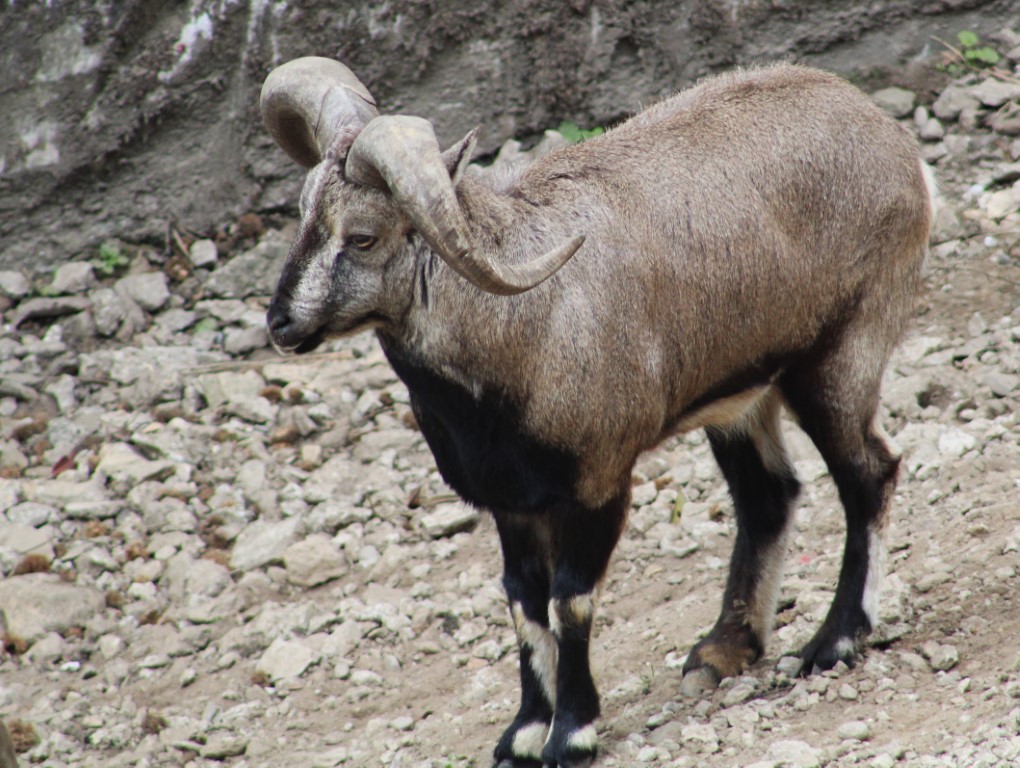
The Blue Sheep must be ever so sad:
 For of all the colors in which its clad --
 None is blue; there're shades of brown, black, and white,
 But blue must be symbolic, if judged by sight.
brisk morn dragonfly:
 too cold to move, or dead?
  unmoved by footfall.