
fallen petals
 swept by undulating waves
  into a neat pile.
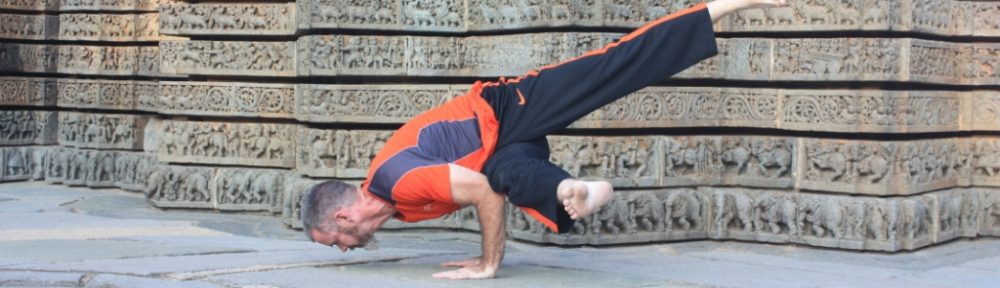
fallen petals
swept by undulating waves
into a neat pile.
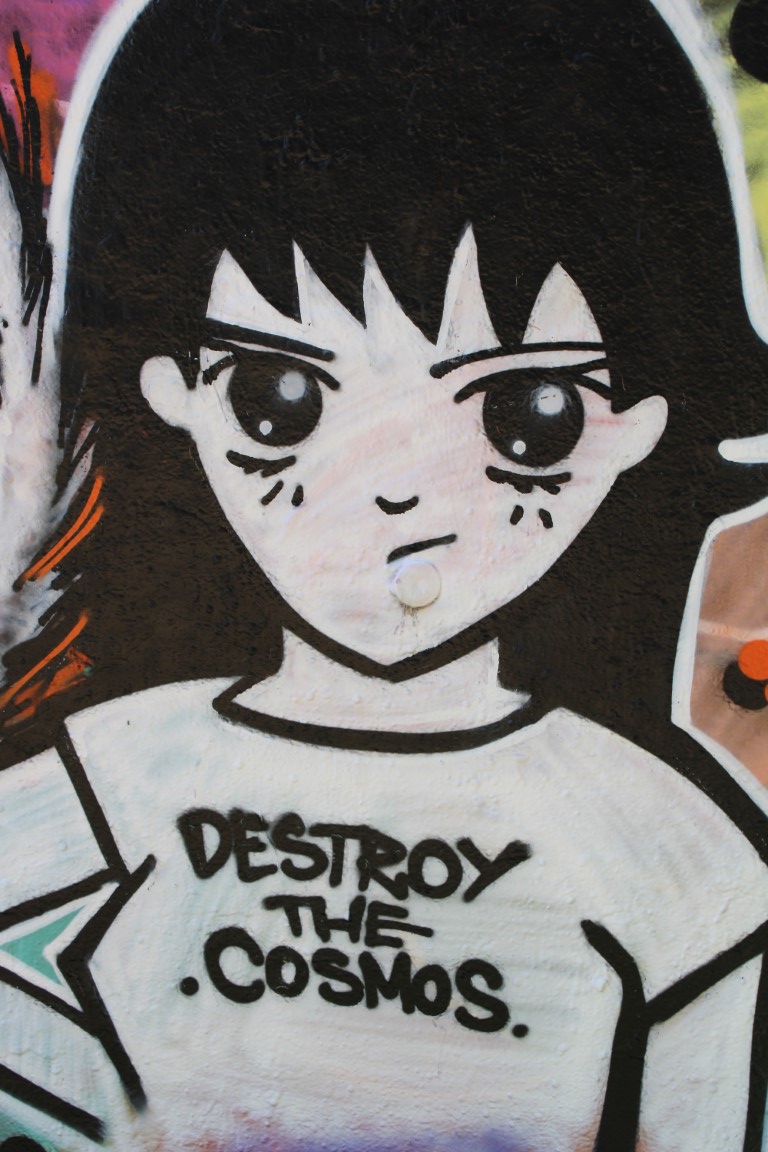
There once was a peevish standup comic.
 Whose war on hecklers would quickly go atomic.
   A heckler said, "You suck!"
   So, he hit 'em with a truck.
 A response neither timely nor economic.
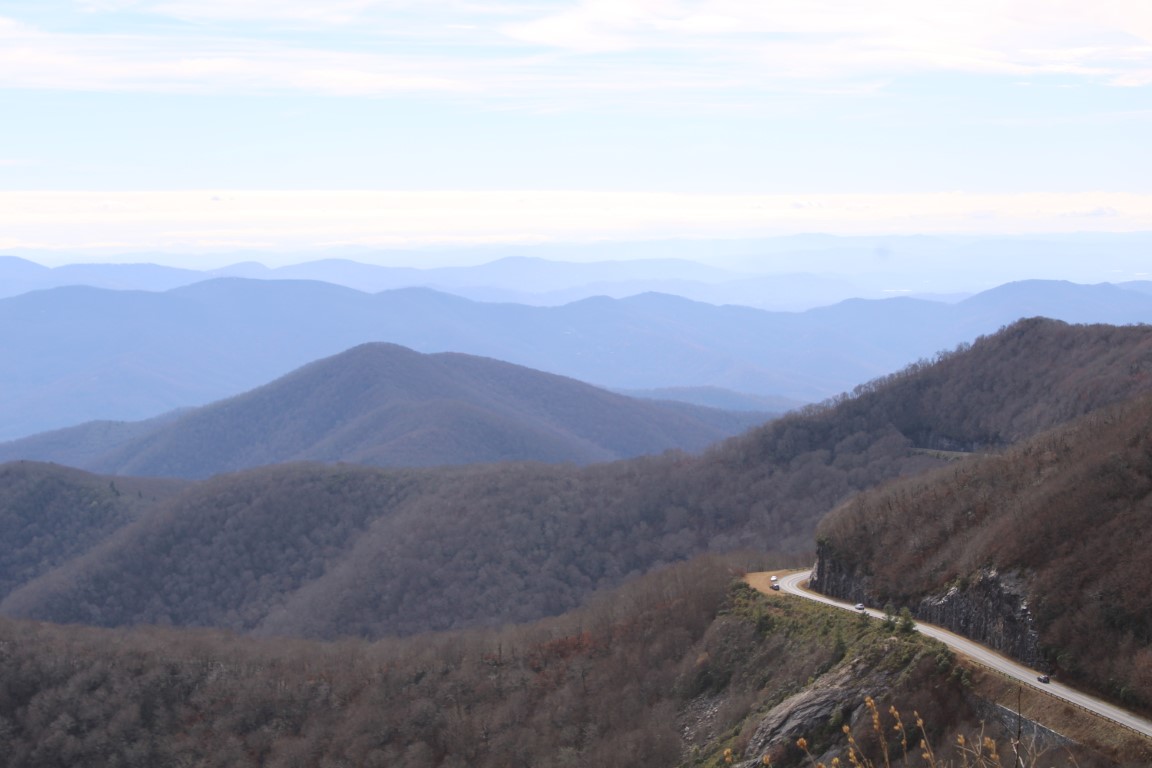
The maples have grown old;
 Orchards have begun to wither.
 The reds and greens have faded.
 Climbing the heights, I
   Feel the chill of late Autumn.
 A ceaseless pounding sound
   Drowns out the setting sun.
 Remembered sorrows flock
   To mind, making new sorrows.
 We are separated
    By a thousand miles;
 From our two distant places
   We can't even meet in dreams.
 The rain stops, and the sky clears;
   One can see the twelve green peaks.
 Speechless, who could understand
   My angst, as I stand cliffside.
 I can write of my grief, but
   Will the clouds bring a reply?
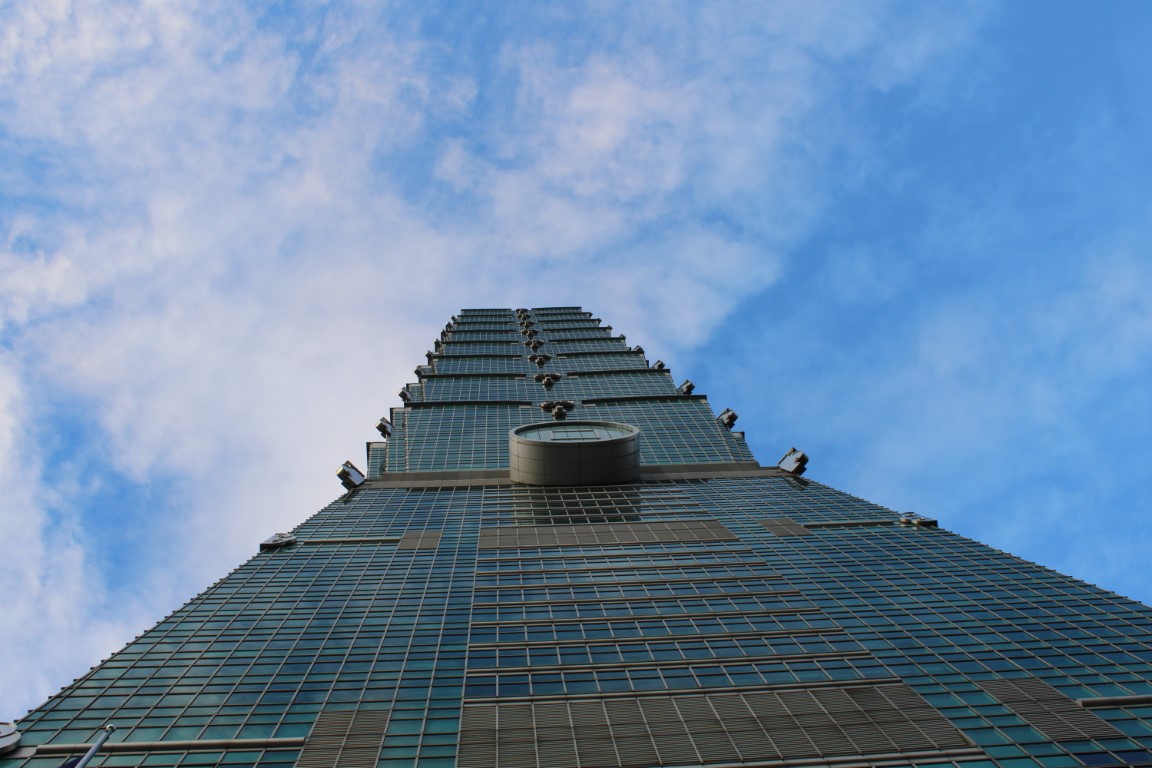
There once was a team of architects
 Who double and triple checked the specs.
   But they faced a plight
   'Cause left didn't check right --
 So, the building's hunchback was hard to detect.
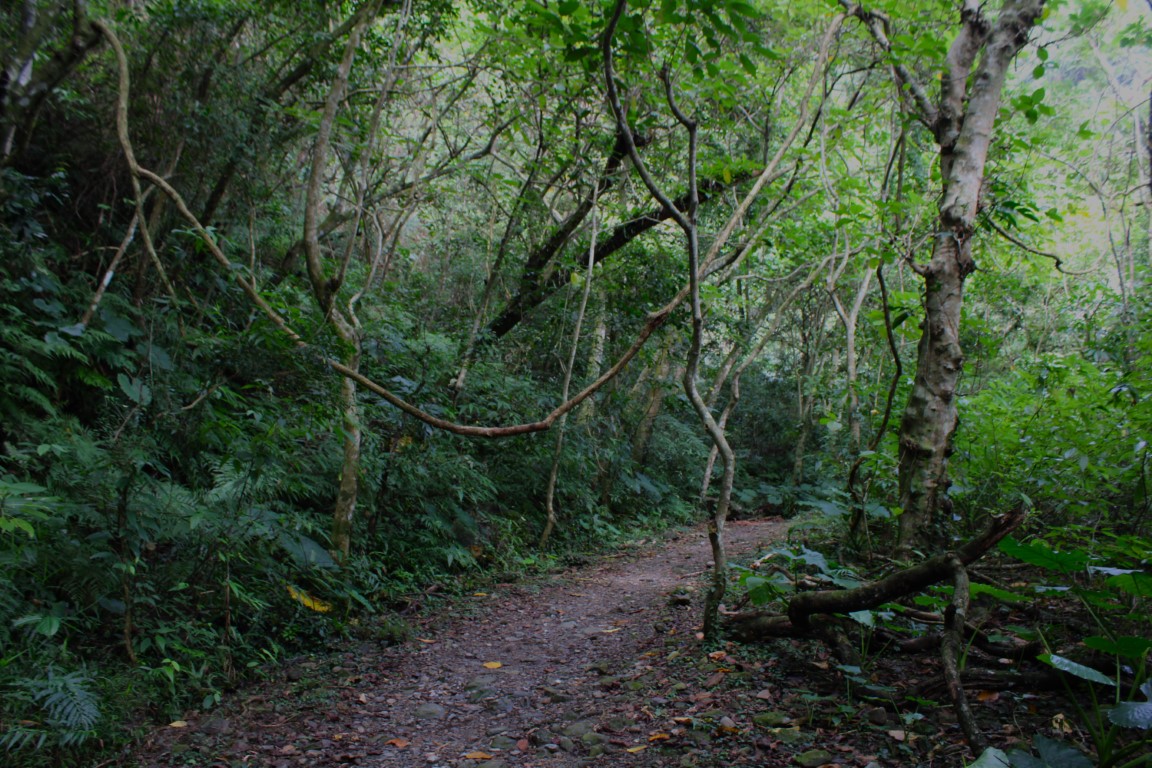
rain patters
 onto the leaves overhead:
  spring rain is here!
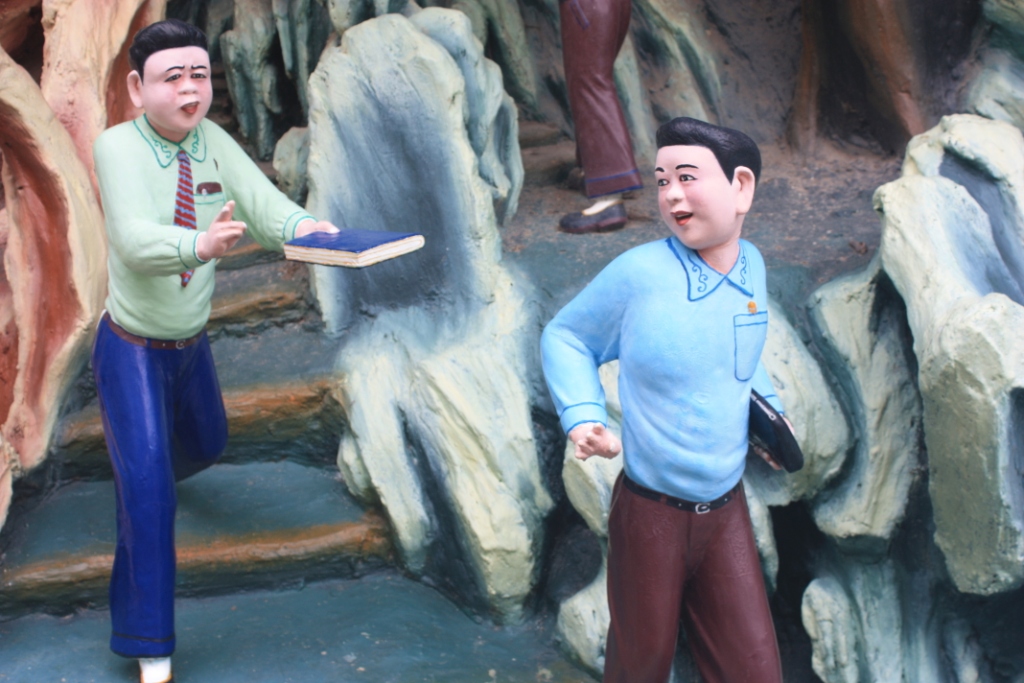
At noisy readings an angry old poet
 Would pick up one of his books and bestow it.
   When they would snicker
   He'd wish his book thicker,
 For it would flutter in air when he'd throw it.
All the world's a stage,
 And all the men and women merely players:
 They have their exits and their entrances;
 And one man in his time plays many parts,
 His acts being seven ages. At first the infant,
 Mewling and puking in the nurse's arms;
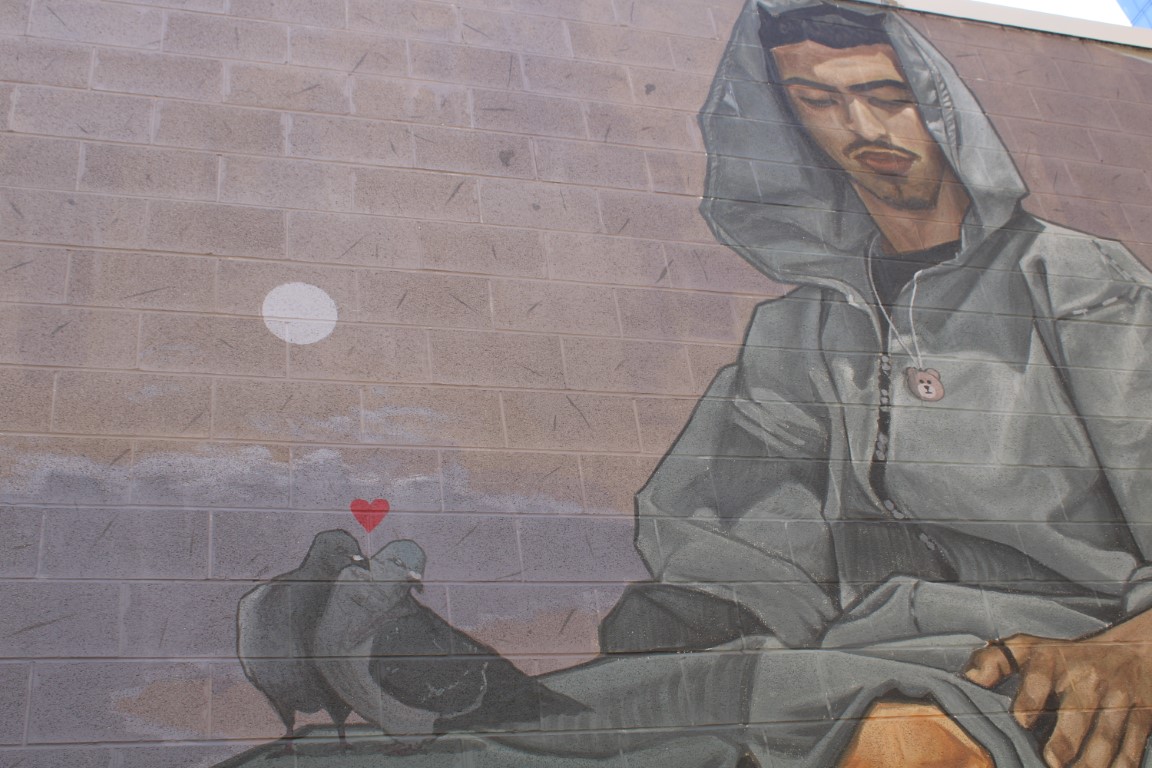
 Then the whining school-boy, with his satchel
 And shining morning face, creeping like a snail
 Unwilling to school. And then the lover,
 Sighing like furnace, with a woeful ballad
 Made to his mistress' eyebrow. Then a soldier,
 Full of strange oaths, and bearded like the pard,
 Jealous in honour, sudden and quick in quarrel,
 Seeking the bubble reputation
 Even in the cannon's mouth. And then the justice,
 In fair round belly with good capon lin'd,
 With eyes severe and beard of formal cut,
 Full of wise saws and modern instances;
 And so he plays his part. The sixth age shifts
 Into the lean and slipper'd pantaloon,
 With spectacles on nose and pouch on side.
 His youthful hose, well sav'd, a world too wide
 For his shrunk shank; and his big manly voice,
 Turning again toward childish treble, pipes
 And whistles in his sound. Last scene of all,
 That ends this strange eventful history,
 Is second childishness and mere oblivion;
 Sans teeth, sans eyes, sans taste, sans everything.
NOTE: Sometimes called the “Seven Ages of Man,” this soliloquy is spoken by Jacques in Act II: Sc. 7 of As You Like It.

There was an up-and-coming modern artist
 Who went by the pseudonym "Arthur Fartist."
    He painted with flair
    From his derriere,
 'Til critics judged his work, "not the smartest."

Of what use for us is a man who, although he has long practiced philosophy, has never upset anyone?
Diogenes of sinope on Plato, according to themistius
The superstition that we must drive from the Earth is that which, making a tyrant of God, invites men to become tyrants.
Voltaire in On Superstition
The progress of an artist is a continual self-sacrifice, a continual extinction of personality.
T.S. Eliot in Tradition and the Individual talent
What’s the difference between a king and a poor man if they would both end the same bundle of white bones.
Zhuangzi
The absence of evidence is not the evidence of absence.
Carl sagan (Note: There are variations on this quote that long predate Sagan’s)
HONORABLE MENTIONS:
You live off the crumbs that fall from the festive table of my genius.
Kurban Said in Ali and Nino [Not so much wisdom as a wicked burn]
To roam Giddily and be everywhere, but at home, Such freedom doth a banishment become.
John donne in a Poetic letter to rowland woodward
Lions are not the slaves of those who feed them, it is the feeders, rather, who are the lion’s slaves. For fear is the mark of a slave, and wild beasts make men fearful.
Diogenes the cynic
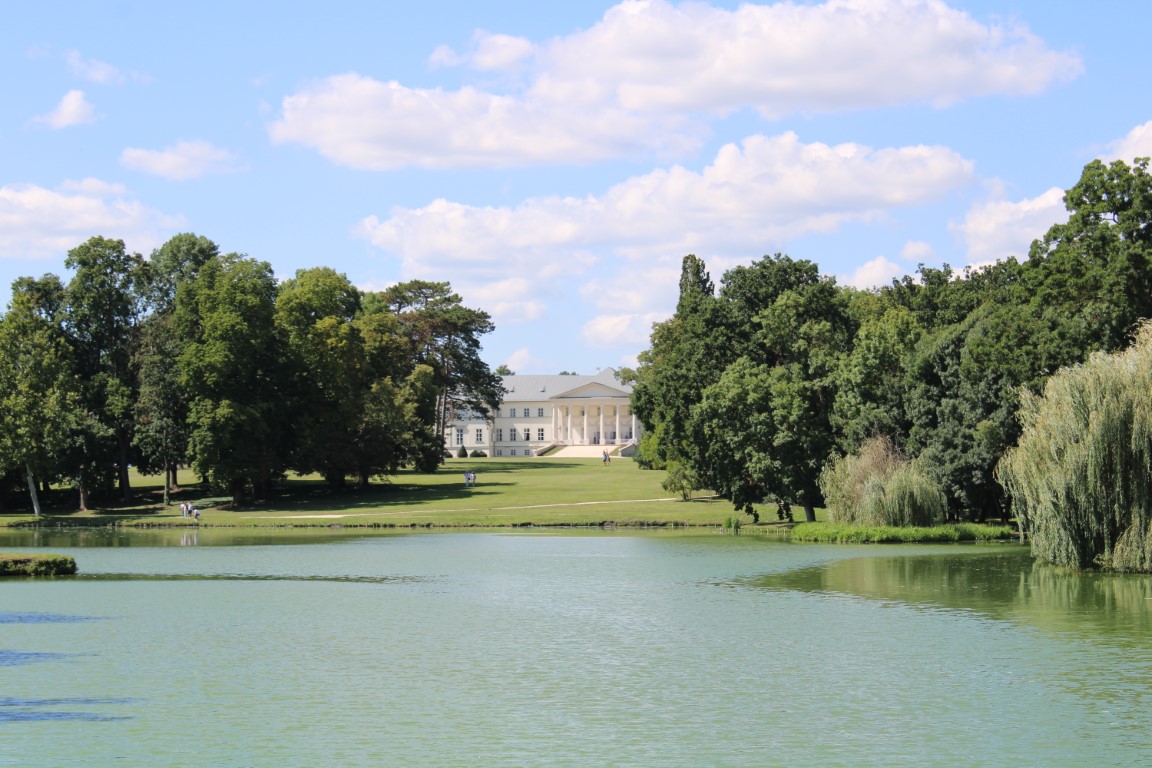
The thirsty Earth soaks up the Rain,
 And drinks, and gapes for drink again.
 The Plants suck in the Earth, and are
 With constant drinking fresh and faire.
The Sea itself, which one would think
 Should have but little need of Drink,
 Drinks ten thousand Rivers up,
 So fill'd that they o'erflow the Cup.
The busy Sun (and one would guess
 By 's drunken fiery face no less)
 Drinks up the Sea, and when he's done,
 The Moon and Stars drink up the Sun.
They drink and dance by their own light,
 They drink and revel all the night.
 Nothing in Nature 's Sober found,
 But an eternal Health goes round.
Fill up the Bowl then, fill it high,
 Fill all the Glasses there, for why
 Should every creature drink but I,
 Why, Man of Morals, tell me why?


 Tiger Riding for Beginners