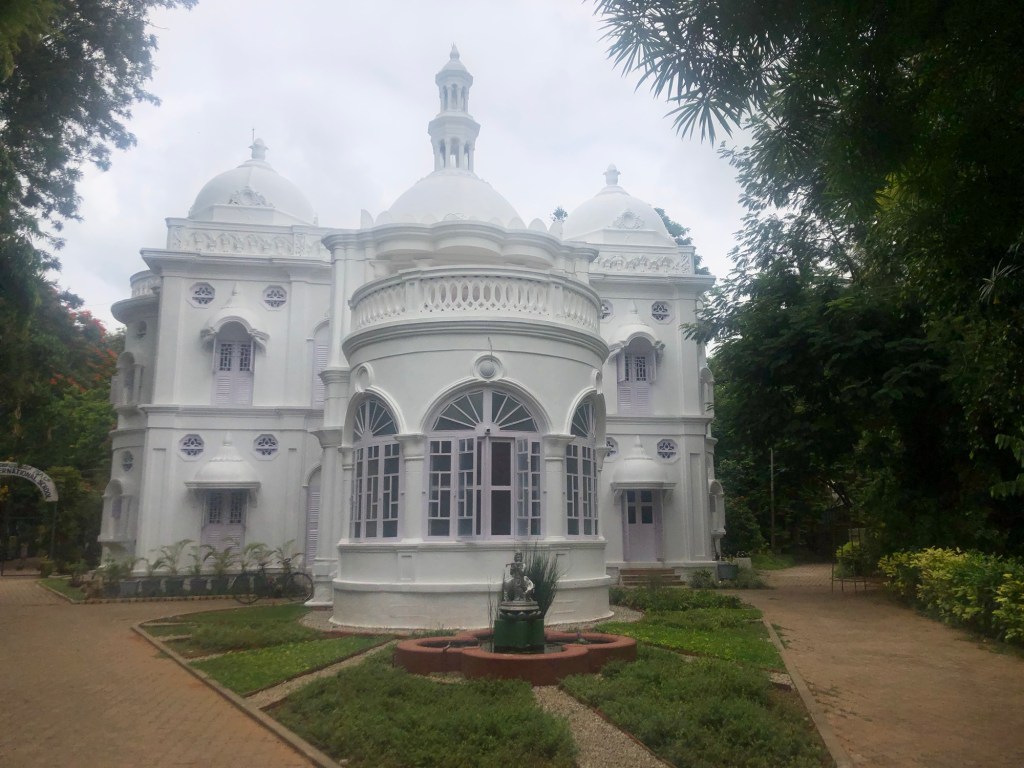
DAILY PHOTO: Sri Aurobindo Ashram of Bangalore
1
The man who says to me, “Believe as I do, or God will damn thee,” will presently say, “Believe as I do, or I shall assassinate thee.”
Voltaire, in On superstition
The real voyage of discovery lies not in seeking new landscapes but in having new eyes.
Marcel proust
The translation of a poem having any depth ends by being one of two things: Either it is the expression of the translator, virtually a new poem, or it is as it were a photograph, as exact as possible, of one side of the statue.
Ezra pound
The people are of supreme importance to the ruler,
Chinese adage
food is of supreme importance to the people.
All translators face two choices: leave the reader in peace and drag the author closer, or leave the author in peace and drag the reader closer.
Friedrich schleiermacher (1768-1834)
[Referenced in Twenty-Nine GOODBYES, ed. by timothy billings]
The fountains mingle with the river
   And the rivers with the ocean,
 The winds of heaven mix forever
   With a sweet emotion;
 Nothing in the world is single;
   All things by a law divine
 In one spirit meet and mingle.
      Why not I with thine? --

See the mountains kiss high heaven
   And the waves clasp one another;
 No sister-flower would be forgiven
   If it disdained its brother;
 And the sunlight clasps the earth
   And the moonbeams kiss the sea:
 What is all this sweet work worth
   If thou kiss not me?
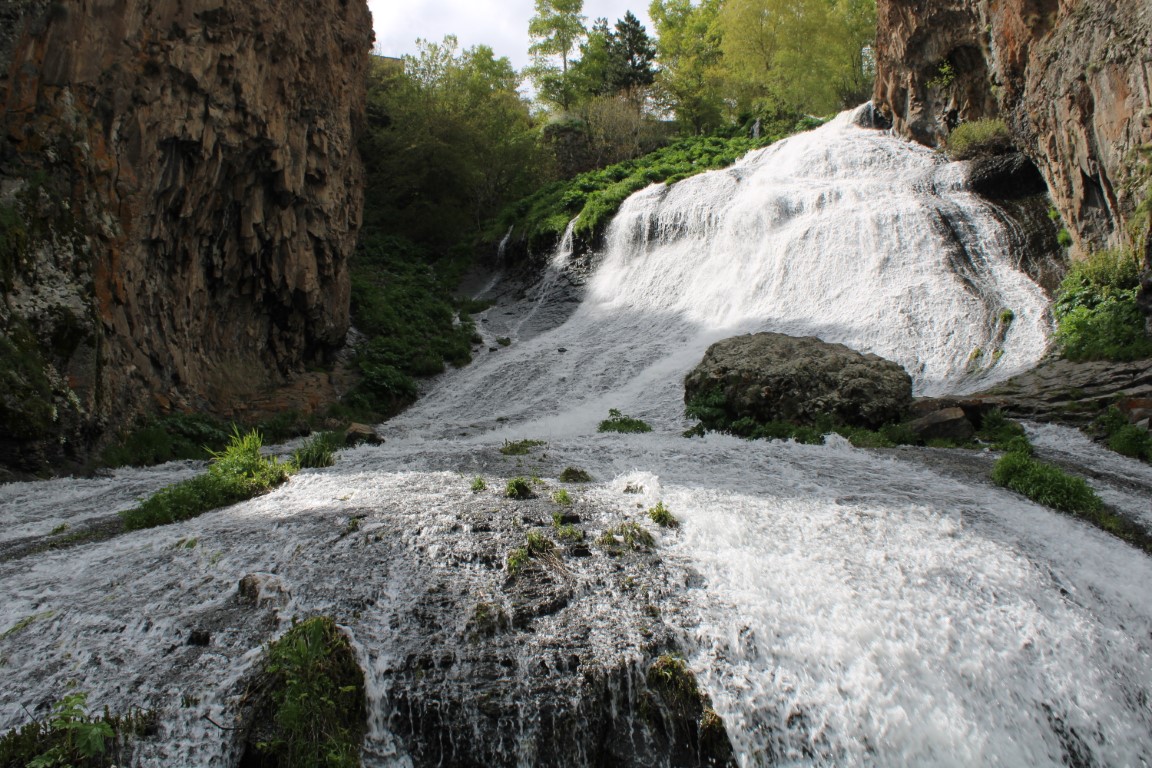
Like water spilling over rocks?
   Like a bead's roll across the floor?
 Cliches, they fail to tell the story,
   As no doll shows life's splendor.
 But the Earth' unsupported spin through space,
   As the heaven's pivot and sprawl for more...
 If you could find how it all began,
   You'd see it'll be as it was before.
 The high and bright realm of the gods
   Returns to nothing and nevermore.
 And if you lived ten-thousand years,
   You might find yourself in days of yore.
NOTE: The late Tang Dynasty poet, Sikong Tu (a.k.a. Ssŭ-k‘ung T‘u,) wrote an ars poetica entitled Twenty-Four Styles of Poetry. It presents twenty-four poems that are each in a different tone, reflecting varied concepts from Taoist philosophy and aesthetics. Above is a translation of the twenty-fourth of the twenty-four poems. This poem has been alternately titled “The Flowing Style,” “Fluid,” “Motion,” etc. by varied translators from its Chinese title of 流动.
If by “spirituality” one means some kind of attachment to the supernatural, then not at all important. If by “spirituality” one means experiencing the world with a sense of awe, wonderment, and unmitigated bliss, then very important.
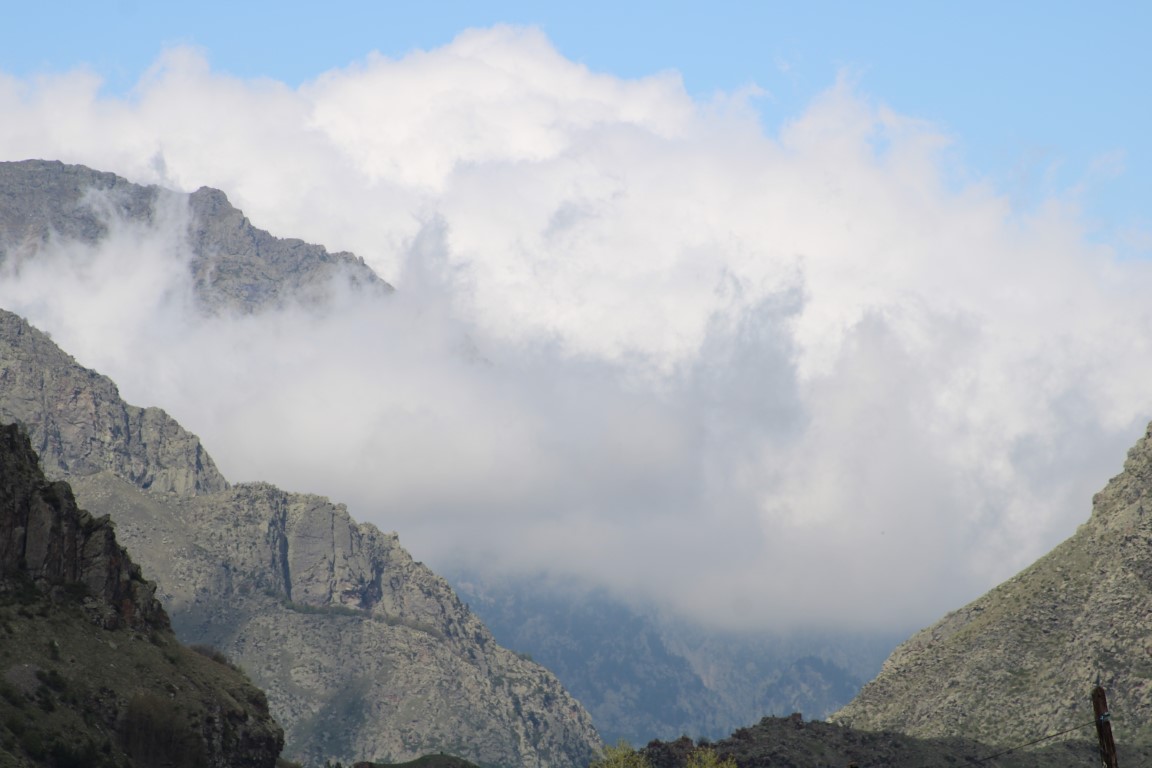
Lonely and longing to travel;
   All alone and lacking a tribe.
 Like the crane up on the mountain,
   Or the cloud that enshrouds its peak.
 Like the portraits painted by past
   Masters, of souls you couldn't have known.
 Like a leaf drifting on swift winds,
   Bounding through the boundless spaces.
 You'll never be able to hold it,
   But can hear the song it dances to,
 Those who accept this can tune in,
   And the signal will only get stronger.
NOTE: The late Tang Dynasty poet, Sikong Tu (a.k.a. Ssŭ-k‘ung T‘u,) wrote an ars poetica entitled Twenty-Four Styles of Poetry. It presents twenty-four poems that are each in a different tone, reflecting varied concepts from Taoist philosophy and aesthetics. Above is a translation of the twenty-second of the twenty-four poems. This poem has been alternately titled “Abstraction,” “Elegance,” and “Drifting Aloof” by varied translators, but its original title is 飘逸.
Quit seeking to firm up the soul;
 Return to the unadorned truth.
   One can seek the shape of water;
   One can write of a pleasant spring.
 Winds shift the shapes of clouds,
 Flowers stand tall, and flowers droop.
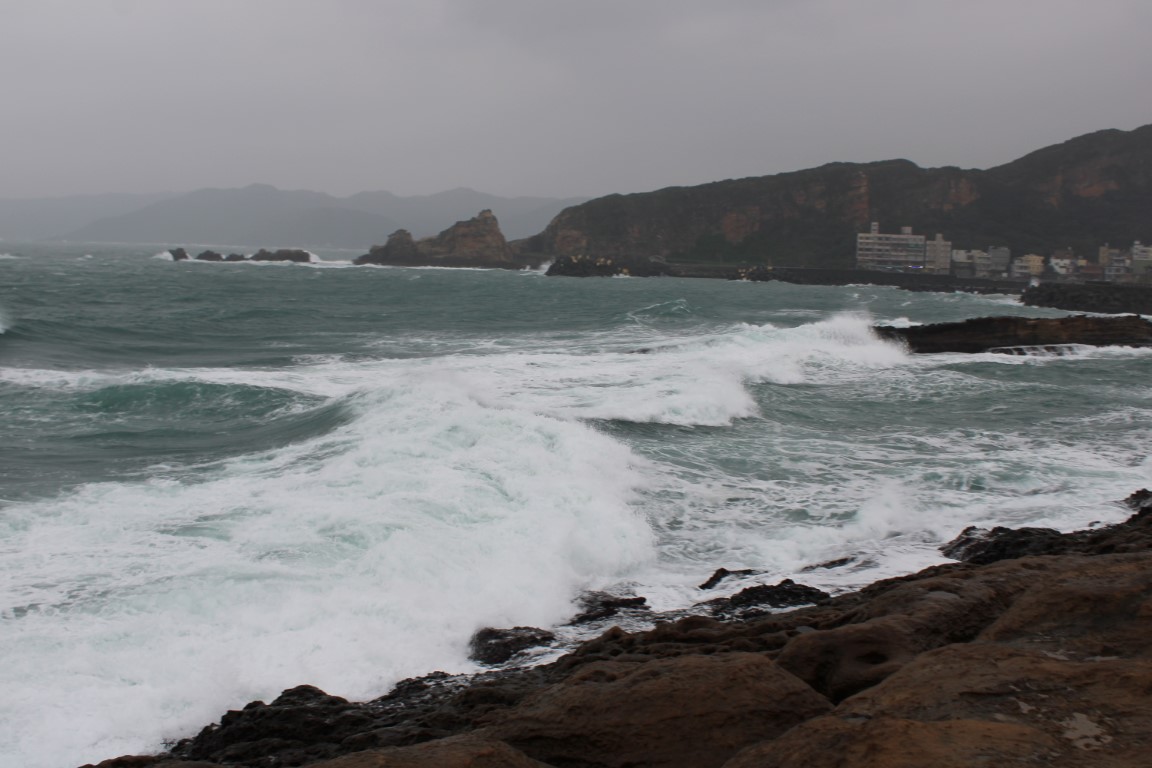
   The great waves of a sprawling sea,
   The mountain's craggy ruggedness...
 They all emulate the Great Way.
   Every wonderful thing is dust.
 Find semblance beyond shape or form.
 In this person, the multitudes.
NOTE: The late Tang Dynasty poet, Sikong Tu (a.k.a. Ssŭ-k‘ung T‘u,) wrote an ars poetica entitled Twenty-Four Styles of Poetry. It presents twenty-four poems that are each in a different tone, reflecting varied concepts from Taoist philosophy and aesthetics. Above is a translation of the twentieth of the twenty-four poems. Translated titles vary. This one has been titled “Descriptive” and “Form and Feature” by varied translators.
Being a better version of myself with each new day.

Much Madness is divinest Sense --
   To a discerning Eye --
 Much Sense -- the starkest Madness --
   'Tis the Majority
 In this, as all, prevail --
 Assent -- and you are sane --
 Demur -- you're straightway dangerous --
   And handled with a Chain --
 Improv Wisdom: Don’t Prepare, Just Show Up by Patricia Ryan Madson


