PROMPT: Close to Home

Daily writing prompt
Name an attraction or town close to home that you still haven’t got around to visiting.

Exhibition: Bigfoot! (a.k.a. The Sasquatch Museum.) It’s not very close, but it is by far the closest of this nation’s many Bigfoot and Sasquatch related collections.

Goblin [Free Verse]

After dark —-
A city park —-
There runs the thing
That comes to life
By night.
Caged in stillness
Through sunlit hours.
Its night persona
Is blurred movement
Seen only from the
Corner of an eye.
It stays near deep shadow,
Beyond the lamp lit arcs.

Where is it?
No one knows,
But if one were to
Check the cathedral
Spire, you’d find
Only an impenetrable
Void…
until sunup.

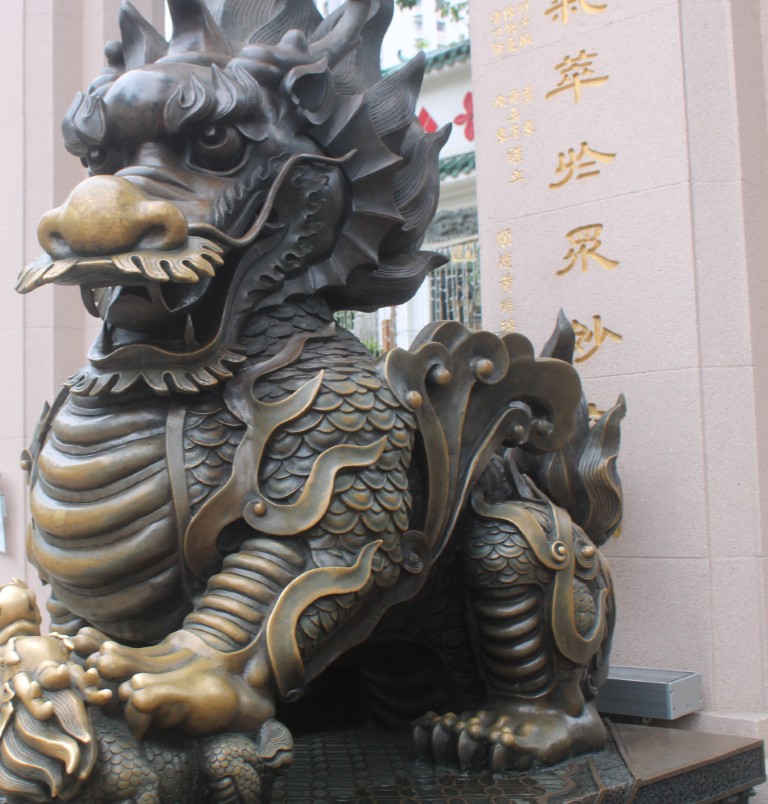
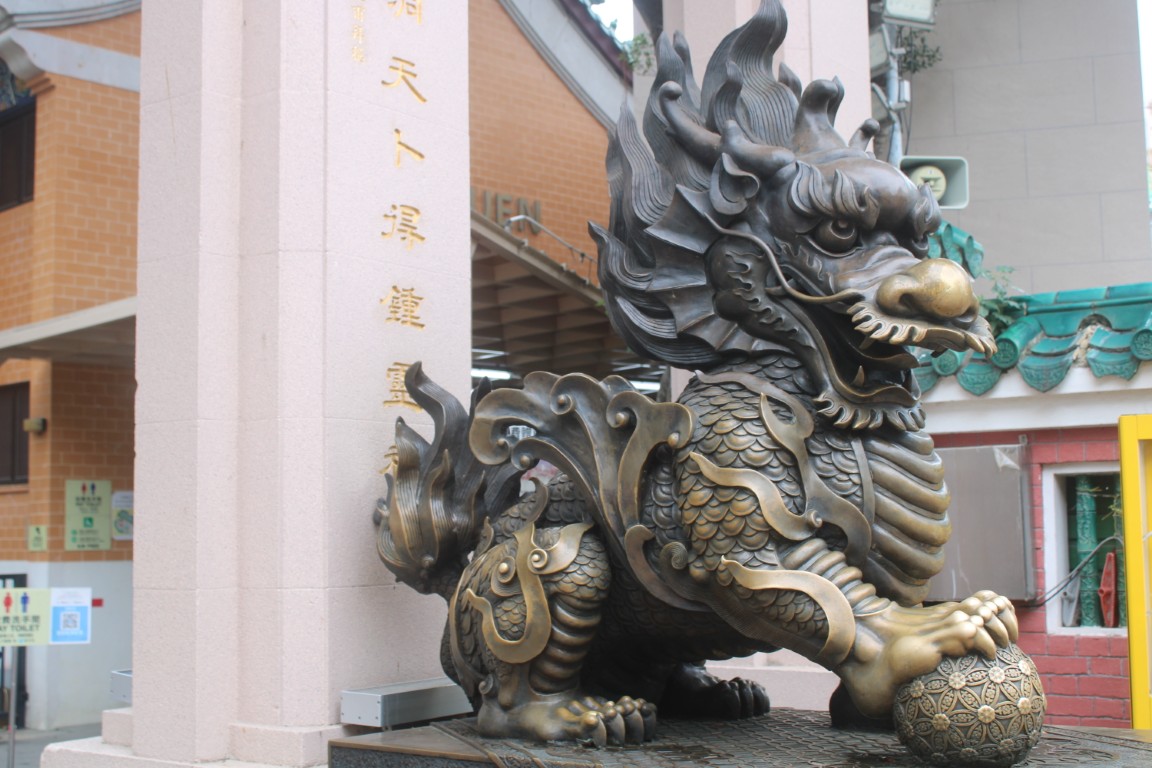
DAILY PHOTO: Bronze Guardian Lion

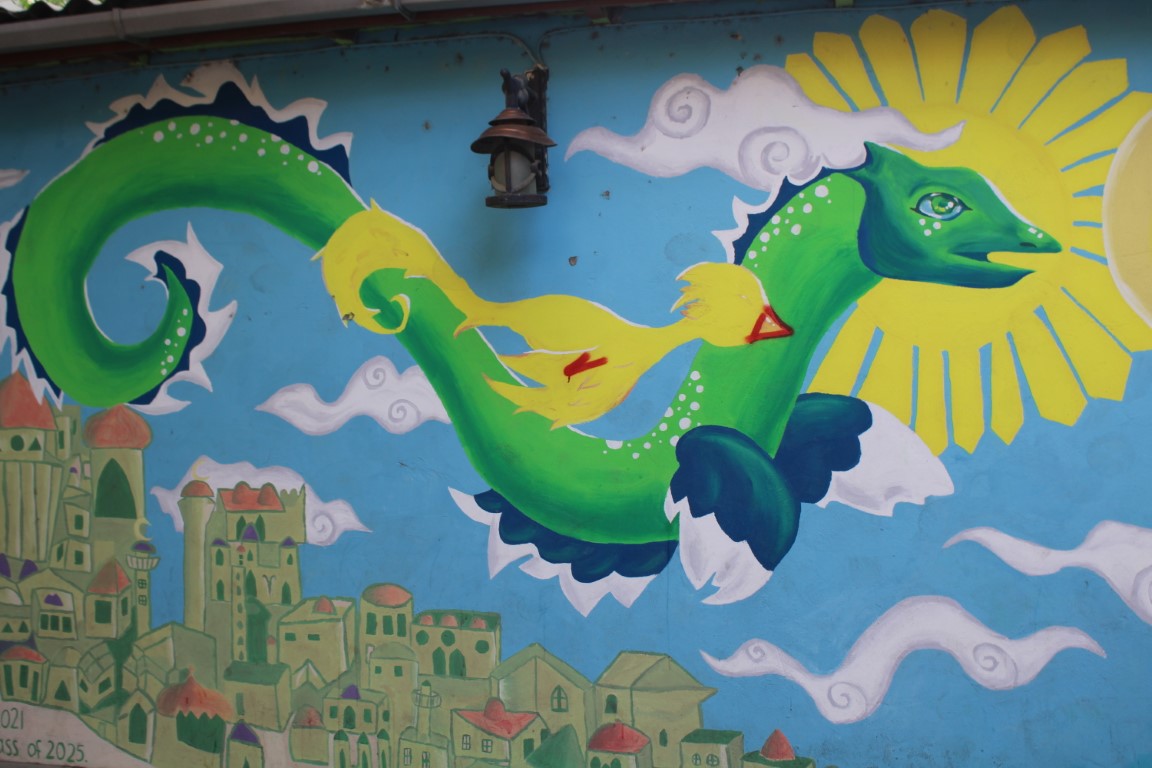
Dragons [Lyric Poem]

I see Dragons on the walls
Of temples and market stalls.
From Shanghai to London way,
I've seen them by night and day.
I've seen them skewered by St. George
And belching flame like a forge.
I saw one once in Baku,
But never saw one in a Zoo.

PROMPT: Animal

Daily writing prompt
Which animal would you compare yourself to and why?

A mythical one to be sure. Cobbled together and a product of pure imagination. Griffin, Minotaur, Dragon, Vietnamese Unicorn (not to be confused with the kind hung as posters on the walls of pre-teen American girls,) or something of that nature.

BOOKS: “A Man Was Going Down the Road” by Otar Chiladze

A Man Was Going Down the RoadA Man Was Going Down the Road by Otar Chiladze
My rating: 5 of 5 stars

Publisher Site

This is the English translation of a novel considered to be one of the most important literary works of Georgia (i.e. the country, not the state) in the twentieth century. The multigenerational tale adapts from Greek Mythology, most notably the story of Jason and the Golden Fleece and Daedalus and Icarus (the former taking place early in the book and the latter towards the end.)

Given its pacing, multigenerational sprawl, and the rambling ordinary life interactions between big events, this book isn’t of the highest readability, but that has its benefits. Supposedly, the author was taking digs at the Soviets and their invasions and operations in Georgia, but – apparently – the Soviet censors never made the connection due to the abstruse nature of the story. Otherwise, we might not have this book to read, today.

Regardless of my comments about readability, the book does have a number of positive things going for it. I found the translation to have some beautiful stretches of language. There was an opening paragraph of one of the latter chapters that floored me. Also, it’s not all soap opera, the more intensely plot-driven bits are compelling, most notably the Golden Fleece story.

I’d highly recommend this book for readers who don’t mind the challenge of literary fiction pacing and everyday minutiae.

View all my reviews

“Lethe” by Walter de la Mare [w/ Audio]

Only the Blessed of Lethe's dews
May stoop to drink. And yet,
Were their Elysium mine to lose,
Could I, sans all repining, choose
Life's sorrows to forget?

“Ultima Thule: Dedication to G. W. G.” by Henry Wadsworth Longfellow [w/ Audio]

With favoring winds, o'er sunlit seas,
We sailed for the Hesperides,
The land where golden apples grow;
But that, ah! that was long ago.

How far, since then, the ocean streams
Have swept us from that land of dreams,
That land of fiction and of truth,
The lost Atlantis of our youth!

Whither, ah, whither? Are not these
The tempest-haunted Orcades,
Where sea-gulls scream, and breakers roar,
And wreck and sea-weed line the shore?

Ultima Thule! Utmost Isle!
Here in thy harbors for a while
We lower our sails; a while we rest
From the unending, endless quest.

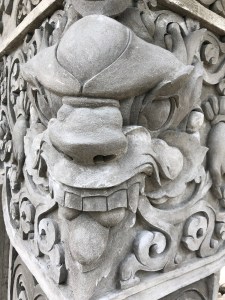
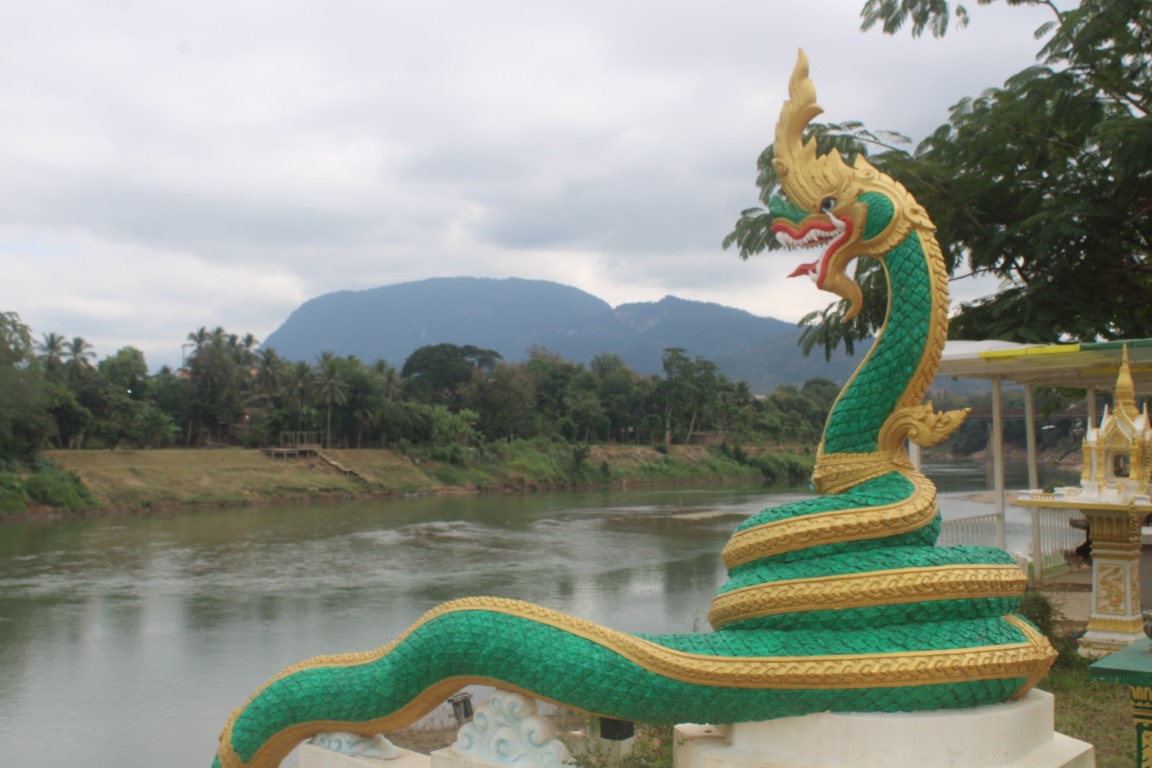
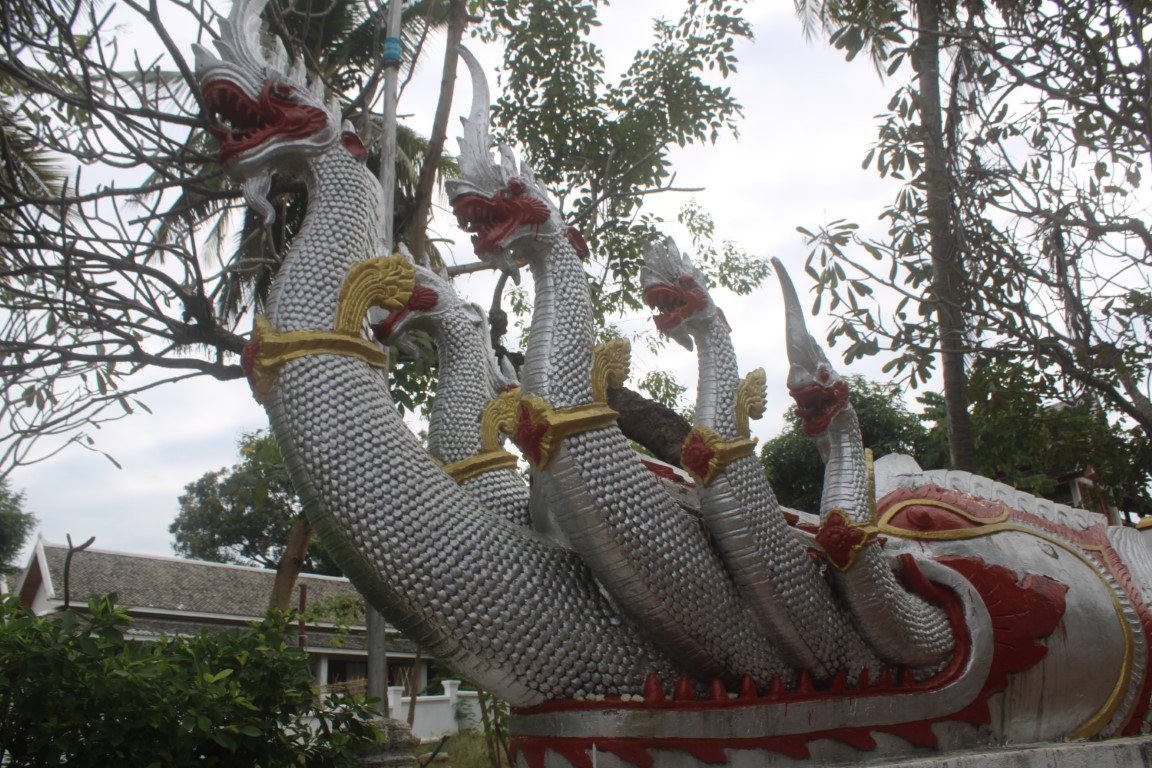
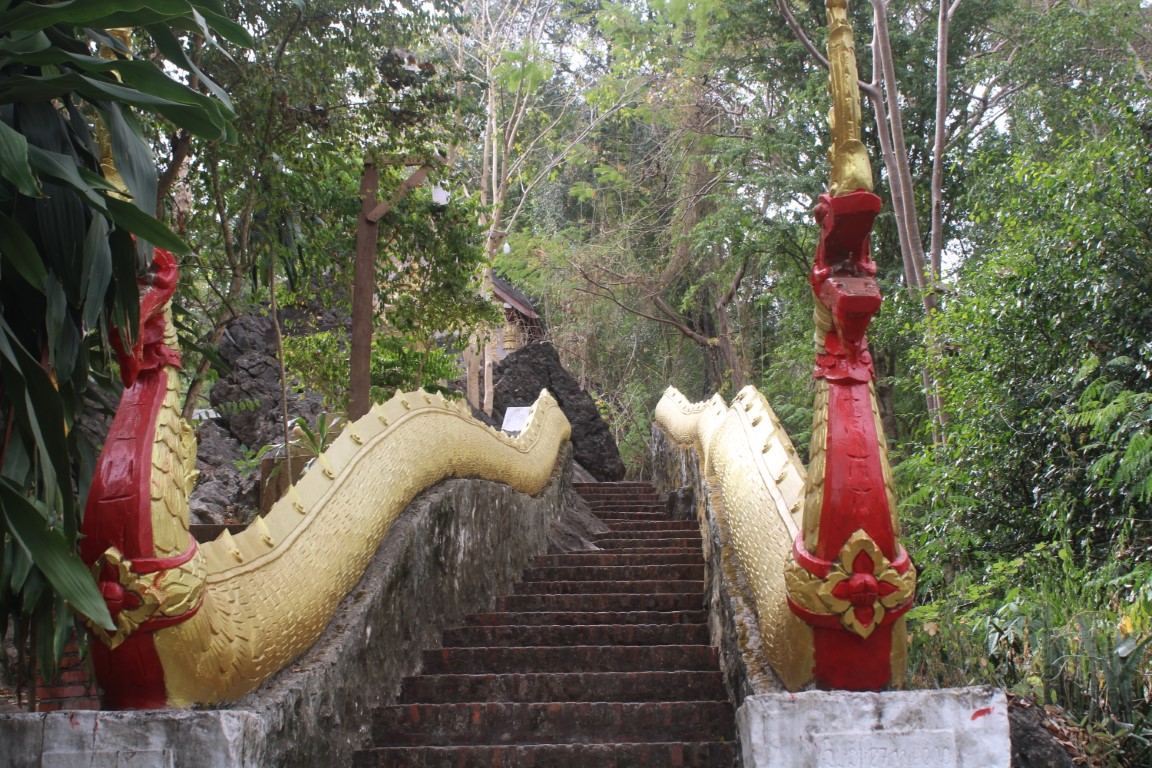
DAILY PHOTO: Guardian Serpents of Luang Prabang

“Fulani Creation Myth” by Anonymous [w/ Audio]

At the beginning there was a huge drop of milk.
Then Doondari came and he created the stone.
Then the stone created iron;
And iron created fire;
And fire created water;
And water created air.
Then Doondari descended the second time.
And he took the five elements
And he shaped them into man.
But man was proud.
Then Doondari created blindness,
and blindness defeated man.
But when blindness became too proud,
Doondari created sleep,
and sleep defeated blindness;
But when sleep became too proud,
Doondari created worry,
and worry defeated sleep;
But when worry became too proud,
Doondari created death,
and death defeated worry.
But then death became too proud,
Doondari descended for the third time,
And he came as Gueno, the eternal one.
And Gueno defeated death.

NOTE: The Fulani (also known as Fula and Fulbe) are a West African herding tribe that live in Mali, Niger, Nigeria, Guinea, and Senegal.