

At the beginning there was a huge drop of milk.
 Then Doondari came and he created the stone.
   Then the stone created iron;
   And iron created fire;
   And fire created water;
   And water created air.
 Then Doondari descended the second time.
   And he took the five elements
   And he shaped them into man.
 But man was proud.
 Then Doondari created blindness,
      and blindness defeated man.
   But when blindness became too proud,
 Doondari created sleep,
      and sleep defeated blindness;
   But when sleep became too proud,
 Doondari created worry,
      and worry defeated sleep;
   But when worry became too proud,
 Doondari created death,
      and death defeated worry.
   But then death became too proud,
 Doondari descended for the third time,
   And he came as Gueno, the eternal one.
     And Gueno defeated death.
NOTE: The Fulani (also known as Fula and Fulbe) are a West African herding tribe that live in Mali, Niger, Nigeria, Guinea, and Senegal.
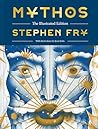 Mythos: The Illustrated Edition: The Illustrated Edition by Stephen Fry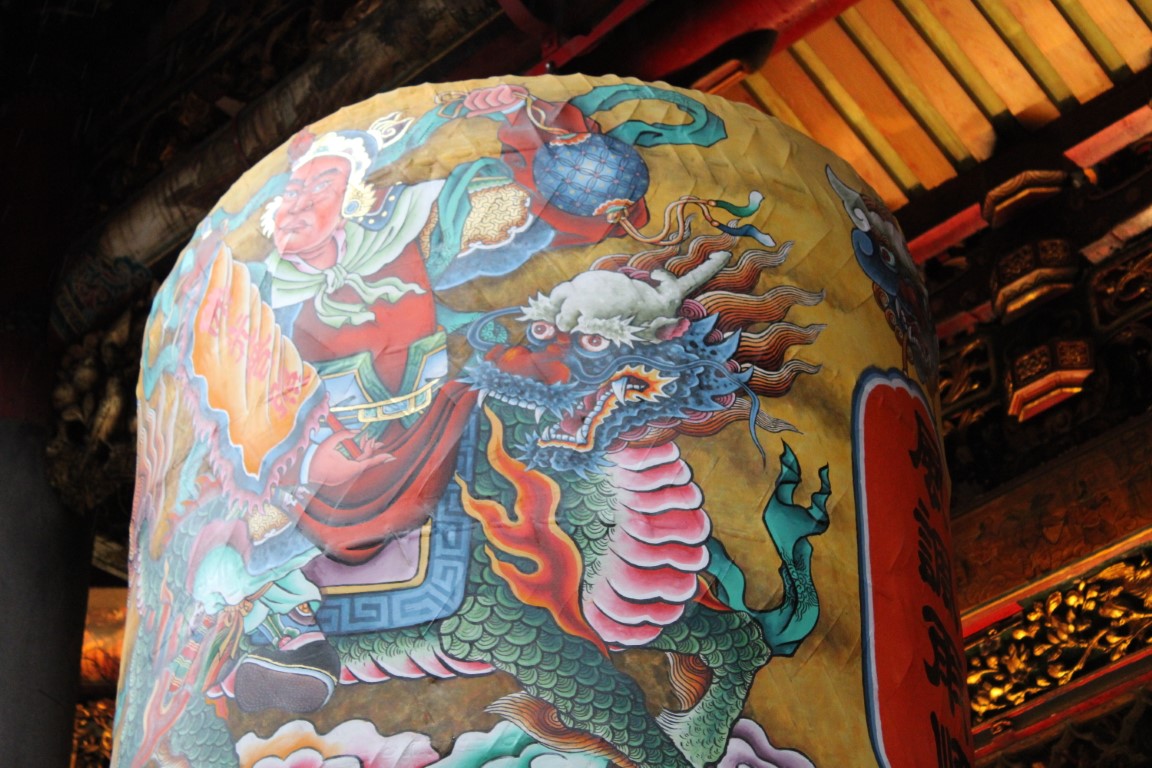
There once was a rider of dragons
 Who drank alcohol by the flagon,
   But dragons are mythic,
   So, there was an uptick
 In rides when he fell off the wagon.
 Pawan: The Flying Accountant by Sorabh Pant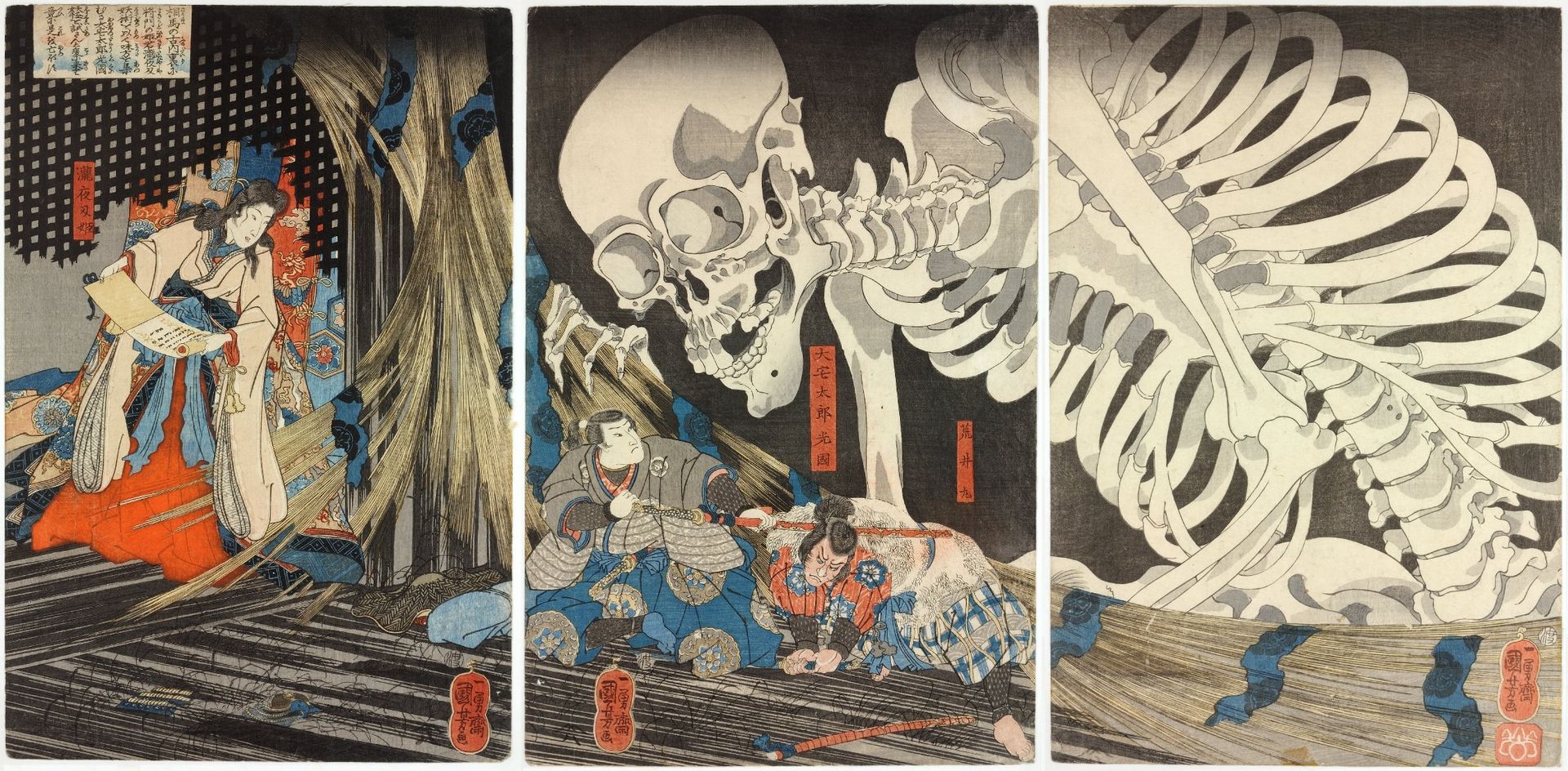
PREMISE:
Princess Takiyasha
 summoned a skeleton to
  kill a samurai.

MORAL?:
"Don't bring swords
 to a giant skeleton-ghost
  fight!"

CONCLUSION:
Yet, in settled dust,
 the world was less one
  Princess-witch.
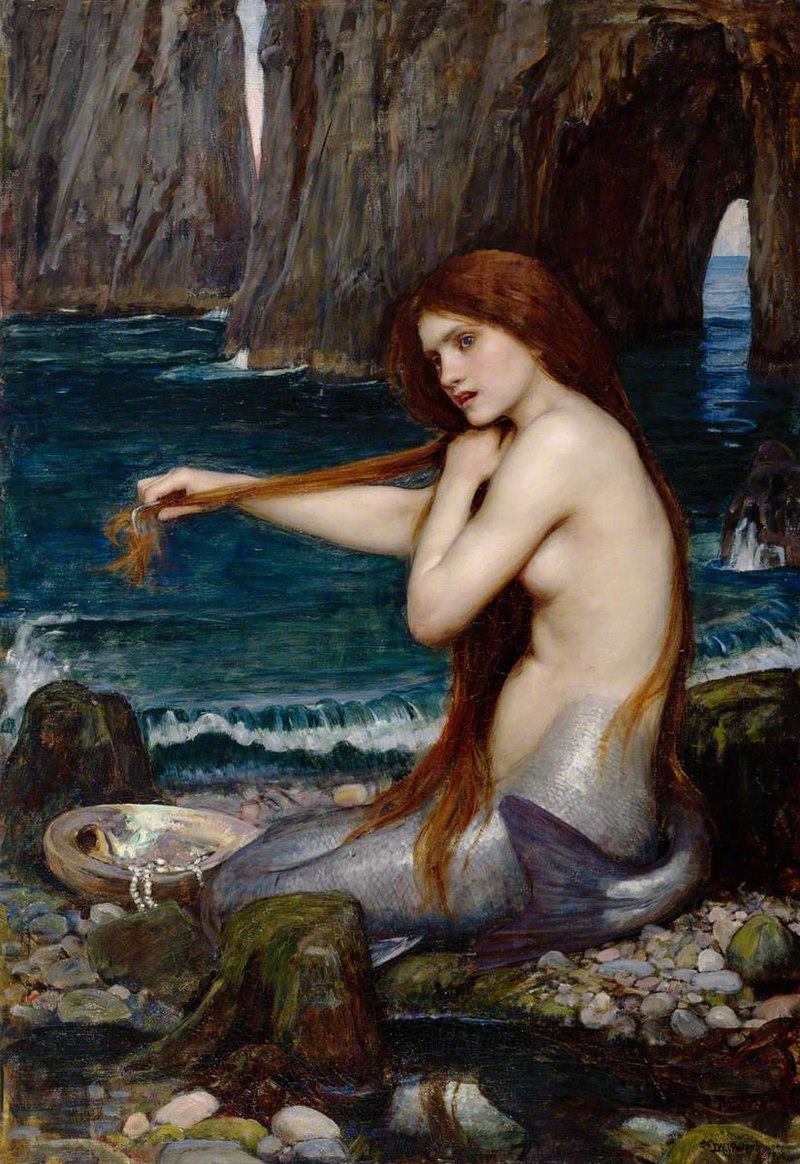
So many miles of coastline,
   of rocky coves and outcrops.
 Where none can see a straight line,
   and water sloshes and slops.

Oh, might one miss a mermaid
    hidden among the inlets,
 so snug in stone palisade -
    a lair of shells and torn nets?

If you say that you've seen one,
    I'll not call you a faker.
 I rather think it's great fun
    to flirt with claims, wiseacre.
It’s been said that Blake’s poetry is nearly impenetrable. When people say this, they’re referring to a series of long poems that are often called Blake’s “prophetic books.” It’s not that people struggle much with Songs of Innocence, Songs of Experience, or The Marriage of Heaven and Hell. I doubt anyone is stumbling their way through “The Lamb” or “The Tyger.” In fact, some of Blake’s poetry is highly readable for eighteenth century work.
The challenge is that Blake created his own mythology and he launches in with all these characters that have no sticking power for a reader. This is unfortunate as Blake remains well worth reading for his ideas, his language, and his sui generis worldview. [Even if he doesn’t win you over, Blake will give you something to think about that you’ve probably never considered before.] Blake’s mythology forces the reader to choose between a painstaking read (making notes, re-reading sections multiple times, stopping dead to make connections, etc.) or a casual read that misses most of what Blake is saying because it floats over the connections he is making.
As I’m re-reading Blake, I constructed a chart that helps me track who’s who and what each major character is about. I won’t claim it makes Blake’s prophetic work completely simple and transparent, but it has made reading it more productive and insightful. If you’re reading “Valas,” “Milton,” “Jerusalem” or any of the other prophetic books, I hope it will benefit you as well.

Em/F: these are emanations (i.e. characters that flow from the character from which the pointer originates.) Some refer to these as the feminine forms, hence the “F.”