


In the Flow.
PROMPT: Fun… Exercise
Reply

In the Flow.
I’m a morning person and am typically at fairly high energy levels first thing in the morning, So, that time is generally active, filled with exercise and / or physical activity of varied varieties (calisthenics, walking, running, and — of late — the occasional swim [which I normally do latter in the day.])
[Of course, there is the obligatory urinating, washing, toothbrushing, etc. (sequentially not concurrently,) but that seems like it would go without saying and would be strange to ask strangers about.]
Dear 100-year-old self,
In the unlikely event that we’re still alive, go play with the wolves. Let them have their meal, meager though it may be. We’ve had a good run, and – unless I miss my guess – are not feeling vigorous of either mind or body. If we are feeling vigorous of mind and body, please disregard until such time as it’s not true anymore. In said case, I’m very curious about what kind of scientific breakthrough occurred (or magic fountain we fell into,) and look forward to learning about that in due time.
Signed,
Your younger self, the one far more afraid of dementia & incontinence than of death-
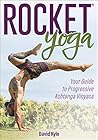 Rocket® Yoga: Your Guide to Progressive Ashtanga Vinyasa by David Kyle
For a long time, I’d have said that I’d like to be less introverted. However, adjusting my attitude towards introversion, managing it, and recognizing / valuing the strengths that derive from it has been one of the most enlightening and empowering processes of my life. (So, I’m keeping it.)
However, I do have an ulnar impaction in my wrist that I’d be happy to get rid of (if anyone with such powers is taking requests.)
What things give you energy?
Breath and food. But I also find movement, music, and being in a natural setting feel energizing,
What daily habit do you do that improves your quality of life?
Movement and exercise.
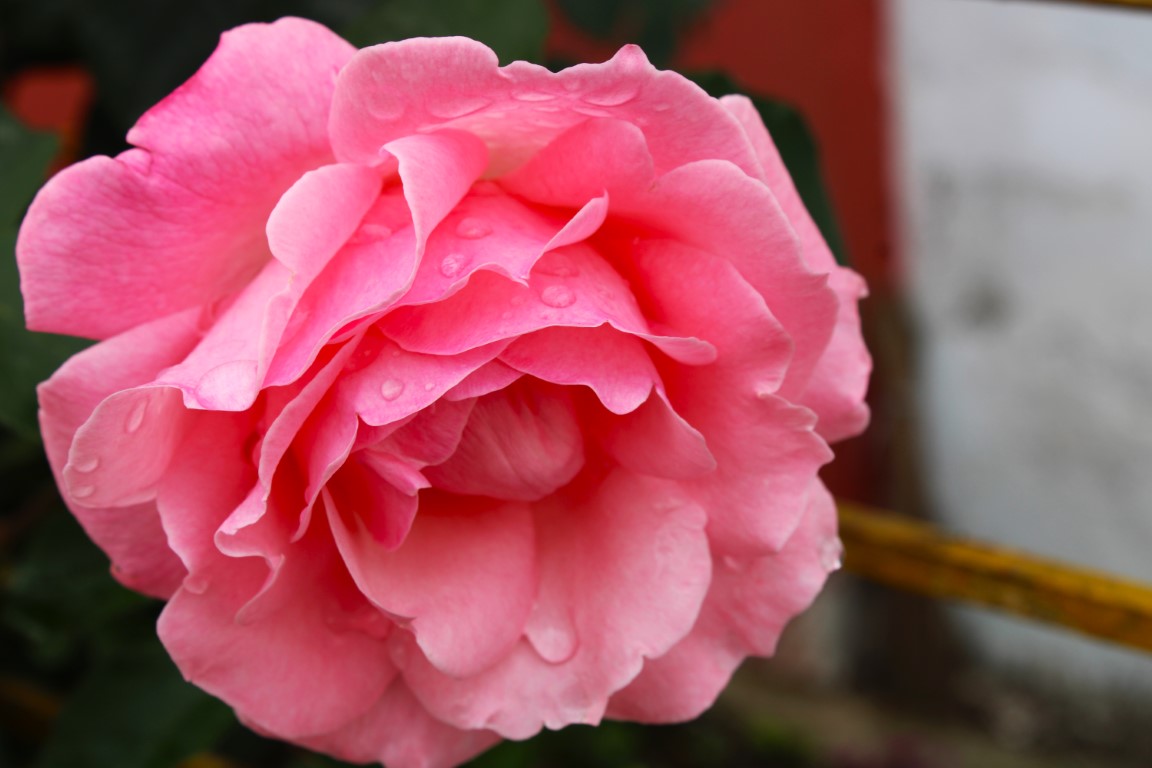
O Rose thou art sick.
 The invisible worm
 That flies in the night
 In the howling storm,

Has found out thy bed
 Of crimson joy:
 And his dark secret love
 Does thy life destroy.
What are your thoughts on the concept of living a very long life?
As long as I’m of sound mind and capable body, I’m fine with it, but not at any cost. I’d rather shuffle off this mortal coil than drag out the suffering of immobility and / or dementia.
I think Atul Gawande’s “Being Mortal” is good required reading. Among other things, he talks about the smoke and mirrors of our species’s increased lifespan. (i.e. increased lifespan, yes, but too often at the cost of diminished quality of life through those additional years.)
I don’t have a favorite, but there are several that I could not maintain health and sanity without, including: hiking, yoga, calisthenics, taiji / qigong, free movement, and at least one cardio (I currently swim and run.) I’m currently struggling with juggling.


 Tiger Riding for Beginners